Why Is My Car Air Conditioner Making Noise?
Picture this: it’s a sweltering summer day, you’re cruising down the highway, and you crank up your car’s air conditioner for some sweet relief. But instead of that cool, refreshing breeze, you’re greeted with an annoying noise rattling, hissing, or maybe even a squeal. I’ve been there, and let me tell you, it’s frustrating. As someone who’s spent years tinkering with cars and diving into the quirks of automotive systems, I know how unsettling it can be when your AC starts acting up.
So, let’s get to the bottom of why your car air conditioner is making noise and what you can do about it. I’ll walk you through the common causes, fixes, and tips to keep your AC running smoothly, all while keeping things simple and easy to understand.
Understanding the Basics of Your Car’s Air Conditioner
Before we dive into the noises, let’s talk about how your car’s air conditioner works. I remember the first time I popped the hood and tried to figure out what all those components were doing. It’s not as complicated as it looks! Your car’s AC system is like a mini refrigerator. It uses a refrigerant to absorb heat from inside the car and release it outside. The main parts include the compressor, condenser, evaporator, expansion valve, and a series of hoses and belts. The compressor, often called the heart of the system, pumps the refrigerant through the cycle. When everything’s working right, you get cool air. But when something’s off, you might hear strange sounds.
These noises can come from any part of the system. They could be a sign of a minor issue, like a loose belt, or something more serious, like a failing compressor. I’ve learned that catching these problems early can save you a lot of headaches—and money—down the road. So, let’s break down the types of noises and what they might mean.
Common Noises and Their Causes
When I first started noticing weird sounds from my car’s AC, I thought, “Is this normal?” Spoiler alert: it usually isn’t. Here are the most common noises you might hear and what could be causing them.
Rattling Sounds
A rattling noise is one of the most common complaints I’ve come across. It sounds like something’s loose, and often, that’s exactly what’s happening. In my old sedan, I traced a rattle to a loose bolt in the compressor mounting bracket. But rattling can also come from debris, like leaves or twigs, getting stuck in the AC system’s fan or condenser. If you park under trees a lot, like I used to, this is a likely culprit.
Another cause could be worn-out bearings in the compressor or fan motor. Bearings help these parts spin smoothly, but over time, they can wear down and start to rattle. If the noise gets louder when you turn on the AC, it’s a good clue that the compressor or its clutch is the issue.
Hissing or Whistling Noises
Hissing sounds always make me think of a snake under the hood, but it’s usually less dramatic. A hiss often means there’s a refrigerant leak somewhere in the system. Refrigerant is under high pressure, so when it escapes through a tiny hole, it makes that telltale sound. I once had a slow leak in my car’s evaporator, and the hissing was faint but constant. If you hear this, check if your AC is still blowing cold air. If it’s not, a leak is likely.
Whistling noises, on the other hand, might point to a clogged or restricted airflow path. This could be a dirty cabin air filter or a blockage in the vents. I learned this the hard way when my AC started whistling after I neglected to change the filter for a year. A quick filter swap fixed it right up.
Squealing or Screeching Noises
Squealing is the worst—it’s like nails on a chalkboard. This noise usually comes from the serpentine belt that drives the AC compressor. If the belt is loose, worn, or misaligned, it can slip and make a high-pitched screech. I’ve fixed this on my truck by tightening the belt or replacing it when it was too worn out. A bad belt tensioner can also cause this, as it fails to keep the belt tight.
Sometimes, a squeal can come from the compressor clutch itself. The clutch engages the compressor when you turn on the AC, and if it’s failing, it can make a loud, piercing noise. This one’s trickier to fix, and you might need a mechanic’s help.
Clicking or Tapping Sounds
Clicking noises can be normal or not, depending on when you hear them. A soft click when you turn the AC on or off is usually just the compressor clutch engaging or disengaging. But if you hear rapid or constant clicking, it could be a sign of low refrigerant levels or a failing clutch. I once ignored a clicking sound in my car, thinking it was no big deal, only to find out later that my compressor was struggling due to low refrigerant. Lesson learned: don’t ignore it!
Diagnosing the Problem
Now that you know the noises, how do you figure out what’s wrong? I’ve spent countless hours under the hood, and here’s my step-by-step approach to diagnosing AC noises.
First, listen carefully. Does the noise happen only when the AC is on, or is it constant? Does it change when you rev the engine? This can help narrow down the source. For example, a noise that gets louder with engine speed often points to the compressor or belt.
Next, do a visual inspection. Pop the hood (when the engine’s off, of course!) and check for obvious issues like loose belts, debris in the condenser, or signs of refrigerant leaks, like oily spots around hoses or fittings. I once found a stick lodged in my condenser fan, and removing it stopped the rattling instantly.
If you’re comfortable, check the cabin air filter. It’s usually behind the glovebox and easy to access. A dirty filter can cause whistling or reduced airflow. Replacing mine every year has become a habit now.
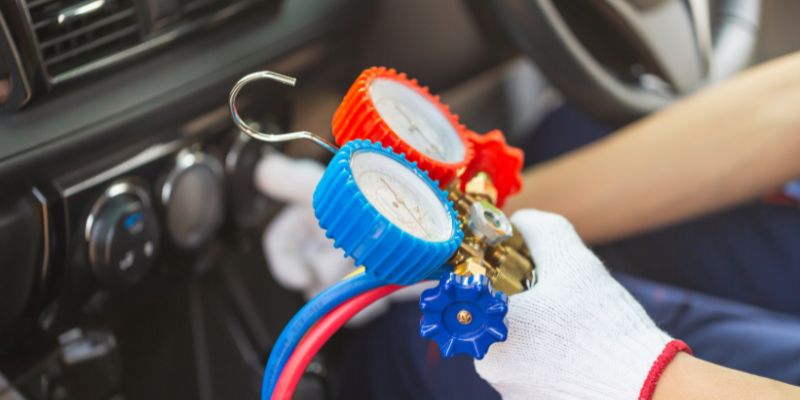
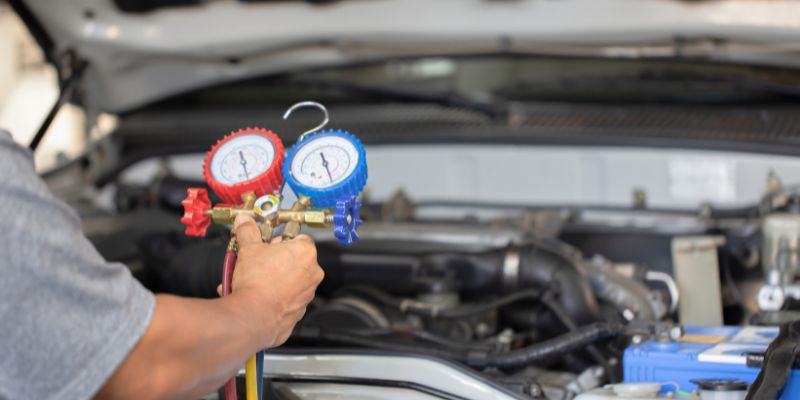
For more complex issues, like refrigerant leaks or compressor problems, you might need professional tools, like a pressure gauge or leak detector. I’ve learned that messing with refrigerant without the right equipment can be dangerous and illegal in some places, so I leave that to the pros.
Here’s a quick table to summarize the noises and their likely causes:
| Noise Type | Possible Causes | What to Check First |
|---|---|---|
| Rattling | Loose parts, debris, worn bearings | Compressor bolts, condenser, fan |
| Hissing/Whistling | Refrigerant leak, clogged filter or vents | AC performance, cabin air filter |
| Squealing | Loose/worn belt, bad tensioner, clutch issue | Belt condition, tensioner, compressor |
| Clicking/Tapping | Normal clutch operation, low refrigerant | Noise frequency, AC cooling ability |
Fixing the Noises
Once you’ve pinpointed the problem, it’s time to fix it. Some issues are DIY-friendly, while others need a professional touch. Here’s what I’ve learned about tackling these noises.
Loose Parts or Debris
If the noise is from something loose, like a bolt or bracket, tightening it might solve the issue. I keep a basic toolkit in my garage for these quick fixes. For debris, carefully remove any leaves or sticks from the condenser or fan. Use a soft brush or compressed air to avoid damaging the fins.
Dirty Cabin Air Filter
A clogged filter is an easy fix. Most cars have a filter that’s simple to replace. Check your owner’s manual for its location—usually behind the glovebox or under the dashboard. I buy filters online or at auto parts stores for $10-20, and swapping them takes five minutes.
Belt Issues
If the serpentine belt is squealing, check its condition. If it’s cracked or glazed, replace it. I’ve done this myself with a belt tool, but it can be tricky if the tensioner is hard to access. If the tensioner is bad, you’ll need to replace it too. A new belt costs $20-50, while a tensioner might run $50-100.
Refrigerant Leaks
Low refrigerant or leaks are best handled by a mechanic. They can use a UV dye or electronic leak detector to find the problem and recharge the system. I’ve paid $100-300 for this, depending on the extent of the leak. Be warned: driving with low refrigerant can damage the compressor, which is a pricey fix.
Compressor or Clutch Problems
A failing compressor or clutch is bad news. Repairs can cost $500-1,500, including parts and labor. If the noise is loud and the AC isn’t cooling, get it checked ASAP. I once delayed this on my old car, and the compressor seized, costing me a fortune. If the compressor’s gone, you might consider replacing the entire AC system, especially on older cars.
Preventing Future Noises
I’ve learned that a little maintenance goes a long way. Here are my tips to keep your AC quiet and efficient.
Run your AC regularly, even in winter. A quick five-minute blast every few weeks keeps the seals lubricated and prevents leaks. I do this on mild days to keep my system happy.
Change the cabin air filter annually or every 12,000 miles. It’s cheap and easy, and it keeps airflow strong.
Have your AC system checked during routine maintenance. Most shops include this in a multi-point inspection. I ask my mechanic to look at the belts and refrigerant levels every oil change.
Avoid overworking the system. Don’t crank the AC to max on a scorching day right after starting the car. Let the engine warm up a bit first. I’ve noticed this reduces strain on the compressor.
When to Call a Professional
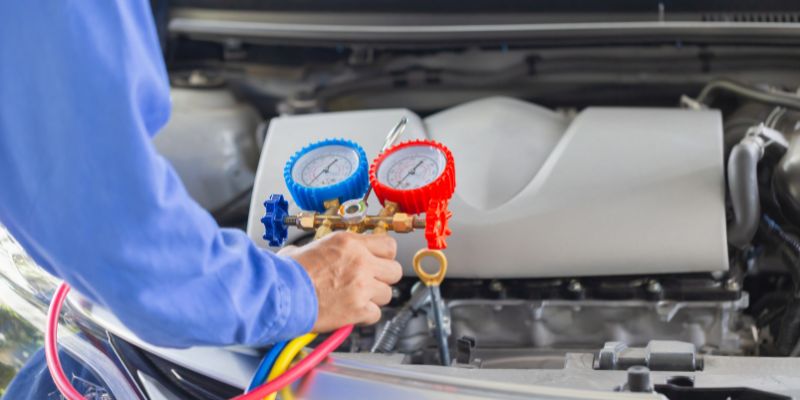
Some noises, like rattling or whistling, might be simple fixes. But if you hear loud squealing, constant clicking, or if the AC stops cooling, it’s time to call a mechanic. I’ve tried to DIY everything in the past, but AC systems are complex, and mistakes can be costly. A good shop will diagnose the issue and give you a clear estimate. Look for ASE-certified technicians or shops with strong reviews. I always check Yelp or ask friends for recommendations.
Conclusion
Dealing with a noisy car air conditioner can be a pain, but it’s not the end of the world. I’ve been through this enough times to know that most issues are fixable with a little patience and the right approach. Whether it’s a loose bolt, a dirty filter, or a more serious compressor problem, understanding the cause is the first step to getting back that cool, quiet breeze. By listening closely, doing some basic checks, and knowing when to call in the pros, you can keep your AC running smoothly for years. So, next time your car’s AC starts making noise, don’t panic—just think back to this guide and tackle it like a pro. Here’s to staying cool and comfortable on the road!
FAQs
Why does my car AC make a rattling noise when I turn it on?
A rattling noise usually means something’s loose or there’s debris in the system. Check for loose bolts on the compressor or debris in the condenser fan. Worn bearings in the compressor or fan motor can also cause this. Start with a visual inspection, and if it persists, get a mechanic to look.
Is a hissing noise from my car AC dangerous?
A hissing noise often indicates a refrigerant leak, which isn’t dangerous but needs attention. Refrigerant leaks can reduce cooling and damage the compressor over time. Have a professional check for leaks and recharge the system.
Can I fix a squealing AC belt myself?
Yes, if you’re handy! A squealing belt is often loose or worn. Tighten it if it’s in good condition, or replace it if it’s cracked. You’ll need a wrench or belt tool. If the tensioner’s bad, that’s a bit trickier, so you might need a mechanic.
How often should I replace my car’s cabin air filter?
I replace mine every year or 12,000 miles, whichever comes first. A dirty filter can cause whistling noises and weak airflow. Check your owner’s manual for the exact interval and filter location.
What should I do if my AC compressor is making noise?
If the compressor is noisy, especially with squealing or clicking, get it checked by a mechanic ASAP. It could be low refrigerant, a bad clutch, or a failing compressor. Driving with a noisy compressor can lead to expensive damage.