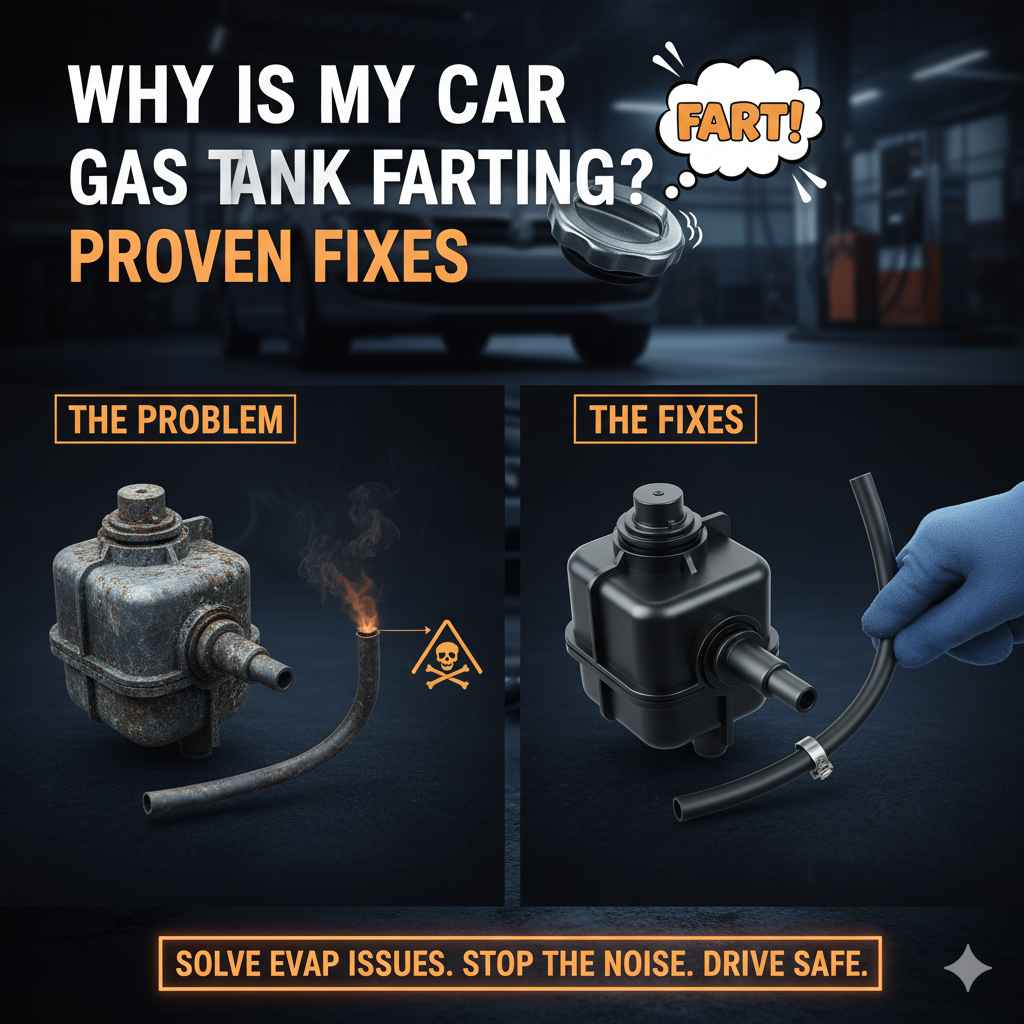
Why Is My Car Gas Tank Farting? Proven Fixes
If your car’s gas tank seems to be “farting” or making hissing sounds, it’s likely due to trapped fuel vapors building pressure. This is often caused by a dry or faulty evaporative emissions (EVAP) system, a loose gas cap, or a clogged vent. These issues can affect fuel efficiency and emissions, but luckily, most are simple fixes.
Ever wondered why your car’s gas tank makes a strange hissing or “farting” sound right after you fill up or when the weather changes? It’s a common and sometimes alarming sound, but don’t worry! This noise usually means your car’s fuel system is letting out pressure from fuel vapors. It’s your car’s way of saying its evaporative emissions (EVAP) system is working, or perhaps signaling a small issue. Understanding why this happens can save you stress and even money at the mechanic. We’re here to break down these “farts” and show you exactly what’s happening and how to fix them, making car care easy for you.
What Does a “Farting” Gas Tank Sound Mean?
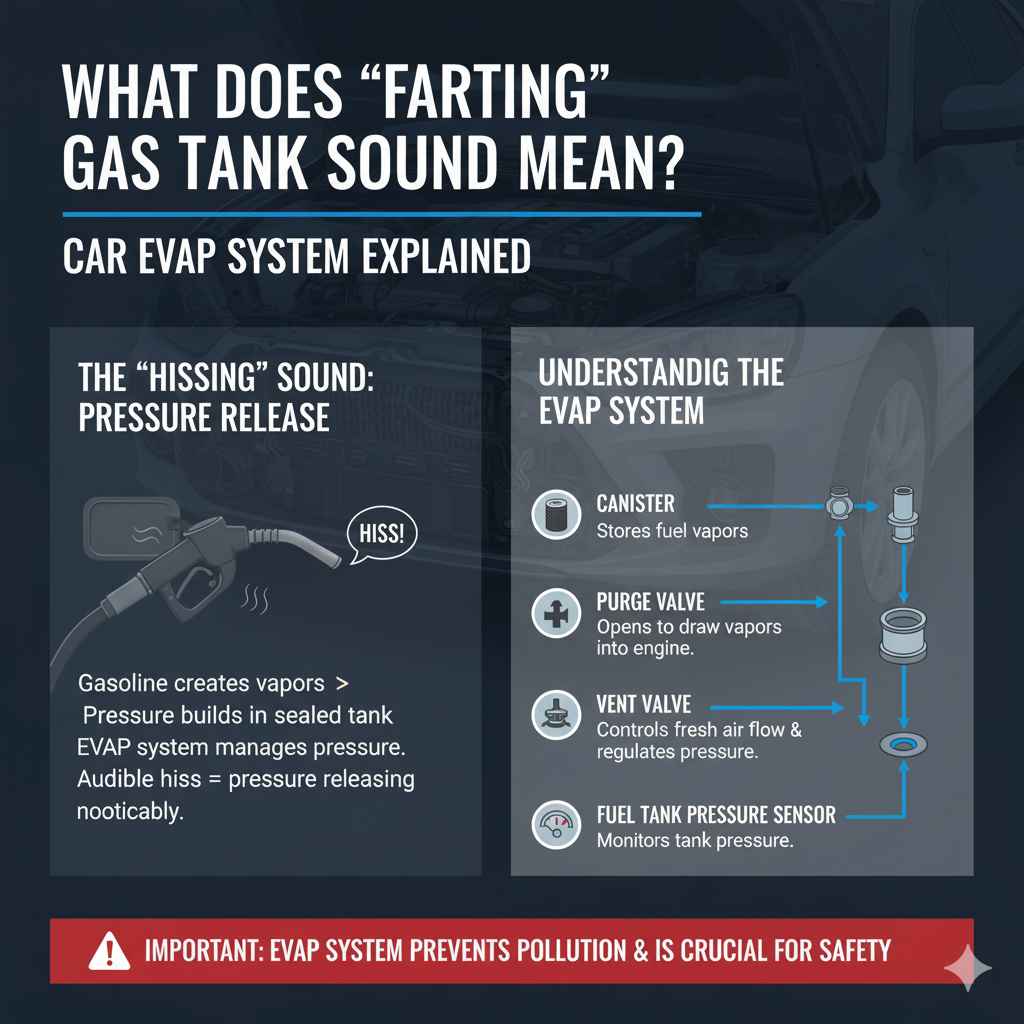
That mysterious “farting” noise, or a hissing sound, coming from your car’s gas tank is usually a sign of pressure release. When your car runs, the gasoline inside heats up and naturally creates vapors. These vapors build up pressure in the sealed fuel tank. Your car is equipped with an Evaporative Emissions Control (EVAP) system designed to capture these vapors, prevent them from escaping into the atmosphere, and re-route them back into the engine to be burned. When you hear this sound, it often means that pressure is being released in a way that’s noticeable to you.
Think of your fuel tank like a soda bottle. If you shake it or leave it in the sun, the pressure inside builds up. When you open it, you hear that hiss. Your car’s fuel tank does something similar, but it’s designed to manage this pressure much more subtly. When the hiss is audible, it’s often because the EVAP system is either working overtime to release pressure, or there’s an issue preventing it from doing its job silently.
Understanding the Evaporative Emissions (EVAP) System
The EVAP system is a crucial part of your car’s emission control system. Its main job is to prevent fuel vapors from escaping your vehicle and polluting the air. These vapors are not only harmful to the environment but also flammable. The system consists of several components, including:
- Canister: This is usually a charcoal canister that stores fuel vapors when the engine is off.
- Purge Valve: When the engine is running and conditions are right, this valve opens to allow the stored vapors to be drawn into the engine and burned.
- Vent Valve: This valve controls the flow of fresh air into the EVAP system and helps regulate pressure.
- Hoses and Lines: These connect all the components and allow the vapors to travel through the system.
- Fuel Tank Pressure Sensor: Monitors the pressure inside the fuel tank.
This intricate system ensures that your car meets environmental regulations. When one of these parts isn’t working correctly, it can lead to the “farting” sound and other issues like a check engine light.
Common Reasons for a “Farting” Gas Tank
Several factors can contribute to that unusual gas tank noise. Let’s explore the most common culprits, starting with the simplest to check.
1. Loose or Faulty Gas Cap
This is by far the most frequent reason for a hissing tank and the easiest to fix. Your gas cap is designed to create a tight seal, keeping fuel vapors inside the tank and preventing outside air and contaminants from getting in. If the cap is not screwed on tightly when you refuel, fuel vapors can escape, creating that hissing sound. Over time, the rubber seal on the gas cap can also degrade, becoming less effective.
How to Check:
- The next time you fill up, pay attention to how you fasten your gas cap. Ensure you twist it until it clicks several times. Don’t just snug it; make sure it’s fully tightened.
- Inspect the gas cap itself. Look for any cracks in the plastic or damage to the rubber seal. If it looks worn or damaged, it’s time for a new one.
The Fix: Simply tighten your gas cap securely. If the cap appears damaged, replace it with a new one that fits your car model. You can usually find replacements at any auto parts store.
2. Issues with the EVAP System
If tightening or replacing your gas cap doesn’t solve the problem, the EVAP system itself might be experiencing issues. The system relies on several valves and hoses to manage fuel vapors. A problem in this system can cause pressure to build up more than usual, leading to audible releases.
A. Purge Valve Malfunction
The purge valve controls the flow of fuel vapors from the charcoal canister to the engine. If this valve gets stuck open, fuel vapors might escape when they shouldn’t, or if it’s stuck closed, pressure can build up in the tank.
B. Vent Valve Issues
The vent valve allows fresh air into the EVAP system to help regulate pressure. If it’s stuck open or closed, it can disrupt the system’s ability to manage vapor pressure correctly.
C. Clogged Charcoal Canister
The charcoal canister stores fuel vapors. If it becomes saturated or clogged, it can’t effectively absorb and manage the vapors, leading to pressure buildup and noise.
D. Leaks in EVAP Hoses or Lines
Over time, the rubber or plastic hoses and lines that make up the EVAP system can crack, become brittle, or loosen due to vibrations and exposure to heat. These leaks allow fuel vapors to escape prematurely.
How to Check (for the adventurous DIYer): Diagnosing EVAP issues can be tricky. While visually inspecting for obvious cracks in hoses is possible, a proper diagnosis often requires specialized tools like a smoke machine from a professional mechanic. This machine introduces smoke into the EVAP system, allowing technicians to see exactly where leaks are occurring.
Proven Fixes for EVAP System Problems:
- Replace Faulty Valves: If a purge valve or vent valve is found to be malfunctioning, it can be replaced. This is a moderate repair, and parts are readily available for most vehicles.
- Replace the Charcoal Canister: If the canister is compromised, it needs to be replaced.
- Repair or Replace Hoses and Lines: Leaky or damaged hoses and lines are typically replaced. Sometimes a minor repair can be made to a loose connection.
Note: If the check engine light is on, it’s almost certainly related to the EVAP system or another emissions component. Most auto parts stores can read the error codes for free, which can give you a starting point for diagnosis. You can find more information about EVAP codes and common issues on resources like AutoZone’s repair guides.
3. Temperature Fluctuations
Sudden changes in temperature can also cause changes in pressure inside your fuel tank. On a hot day, fuel expands, and vapors are created more rapidly. On a cold morning after a hot day, these vapors can condense and cause a pressure release. This is a normal function of the EVAP system working to manage these changes, but sometimes it can result in an audible hiss.
4. Overfilling the Fuel Tank
While less common as a direct cause of the “farting” sound, consistently overfilling your fuel tank can potentially put stress on the EVAP system. The system is designed to capture vapors, not liquid fuel. If you force fuel past the pump’s auto-shutoff, you might be pushing liquid fuel into the EVAP canister, which can damage it over time and lead to future issues, including pressure problems.
The Fix: Always stop refueling when the nozzle automatically clicks off. Avoid topping off the tank.
Diagnosing Your Car’s “Farting” Sound: A Step-by-Step Guide
Let’s walk through a simple diagnostic process you can follow at home, starting with the easiest checks.
Step 1: Check the Gas Cap
This is your first and easiest line of defense.
- Listen: After refueling and closing the gas cap, listen for the hissing sound shortly after driving or once the engine has been off for a bit.
- Inspect: Remove the gas cap. Look for any visible damage to the cap itself or its seal.
- Tighten: Reinstall the gas cap, making sure to twist it until you hear multiple clicks.
- Test Drive: Drive your car for a short period. Does the sound persist?
If the sound is gone, congratulations! It was simply a loose gas cap. If the sound remains, proceed to the next steps.
Step 2: Consider Recent Refueling Habits
Did the sound start immediately after a fill-up? Or does it happen at random times?
- If it’s consistent after refueling, double-check the gas cap (Step 1).
- If it happens at other times, it might point more towards a system issue rather than just the cap.
Step 3: Observe When the Sound Occurs
Note when you hear the sound:
- Immediately after filling the tank?
- After the car has been sitting in the sun?
- When you start the car?
- When you turn off the engine?
These observations can help a mechanic narrow down the potential cause.
Step 4: Check for a Check Engine Light
Is your check engine light illuminated on the dashboard? If yes, this is a strong indicator of an EVAP system fault. Even if the light isn’t on, an EVAP issue might still be present.
Step 5: Consult a Professional
If you’ve checked the gas cap and the sound persists, it’s time to have a qualified mechanic take a look. They have the tools and expertise to properly diagnose EVAP system faults.
DIY vs. Professional: What’s Right for You?
While checking the gas cap is a simple DIY task anyone can do, diagnosing and repairing EVAP system components can range from moderately simple to complex. For instance, replacing a gas cap is inexpensive and easy. However, pinpointing a specific leak in the EVAP system or replacing a faulty purge valve might require specialized knowledge and tools.
Tools You Might Need (for Gas Cap Check):
- None! Just your hands and attention to detail.
Tools a Mechanic Might Use:
- OBD-II Scanner (to read error codes)
- Smoke Machine (to detect EVAP leaks)
- Various Wrenches and Pliers
For most drivers, if the gas cap isn’t the issue, bringing your car to a trusted mechanic is the most efficient and reliable way to get the problem fixed correctly.
Maintaining Your EVAP System for a Quieter Ride
Preventative maintenance can often stop minor issues from becoming major problems. Here are some tips to keep your EVAP system running smoothly and quietly:
- Always Tighten Your Gas Cap: We can’t stress this enough! A proper seal is vital.
- Avoid Overfilling: As mentioned, don’t force extra fuel into the tank after the nozzle shuts off.
- Regular Inspections: When your car is in for routine maintenance, ask your mechanic to give the EVAP system a quick visual inspection for any obvious signs of wear or damage.
- Address Check Engine Lights Promptly: If your check engine light comes on, don’t ignore it, especially if it’s related to EVAP codes. Getting it diagnosed and fixed sooner can prevent more extensive damage and costly repairs down the line. For more on EVAP codes, the U.S. Environmental Protection Agency (EPA) often provides information on emission control systems.
Cost of Repairs: What to Expect
The cost of fixing a “farting” gas tank sound can vary significantly depending on the cause and your location.
Here’s a general idea:
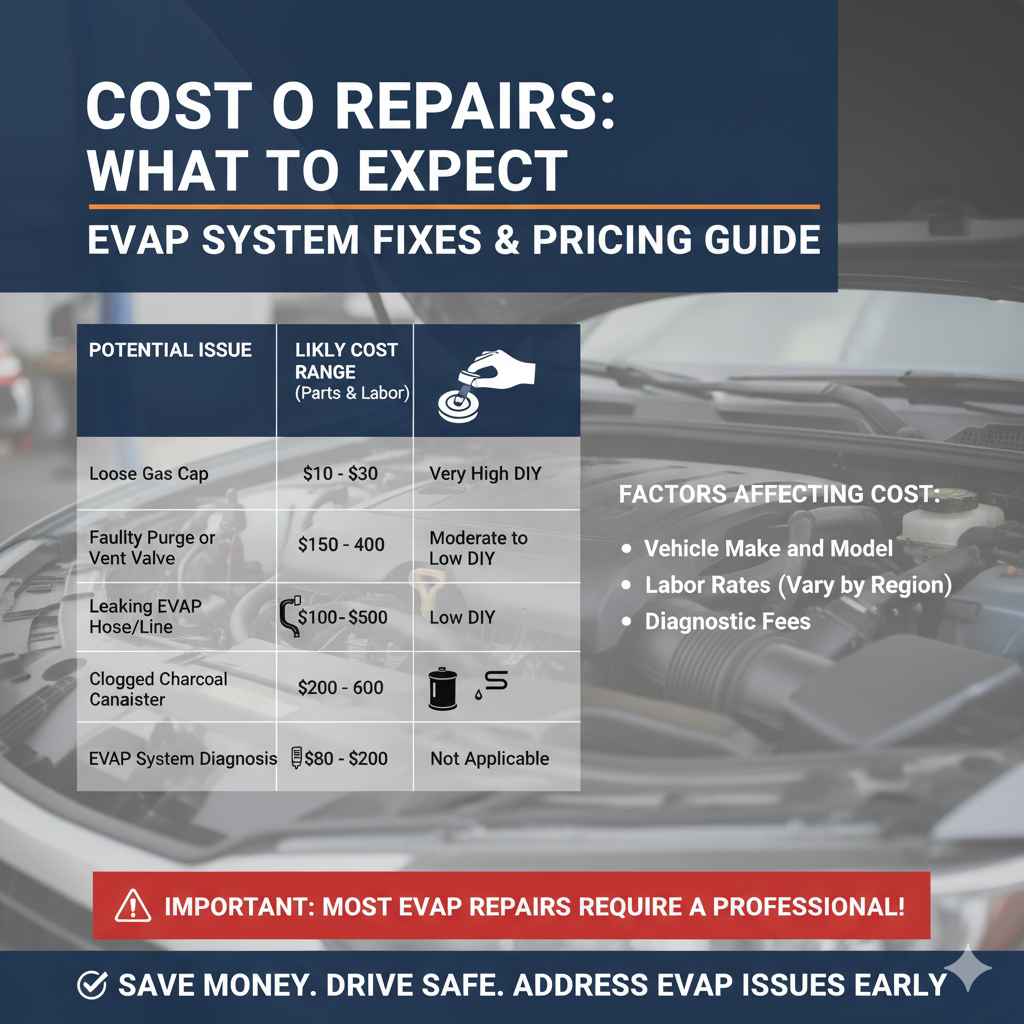
| Potential Issue | Likely Cost Range (Parts & Labor) | DIY Friendliness |
|---|---|---|
| Loose Gas Cap | $10 – $30 (for a new cap) | Very High |
| Faulty Purge or Vent Valve | $150 – $400 | Moderate to Low |
| Leaking EVAP Hose/Line | $100 – $500 (depending on accessibility) | Low |
| Clogged Charcoal Canister | $200 – $600 | Low |
| EVAP System Diagnosis | $80 – $200 (if no repairs are needed but code reading is done) | Not Applicable |
Factors Affecting Cost:
- Your Vehicle Make and Model: Parts for luxury or specialized vehicles can be more expensive.
- Labor Rates: Mechanic shop labor rates vary by region.
- Diagnostic Fees: Some shops charge a diagnostic fee, which may be waived if you proceed with the repair.
While replacing a gas cap is a budget-friendly DIY task, most EVAP system repairs are best left to professionals to ensure they are done correctly and to avoid further damage.
Frequently Asked Questions (FAQ)
Q1: Is a “farting” gas tank dangerous?
Generally, the sound itself isn’t dangerous, but it’s a symptom that something isn’t quite right. An issue with the EVAP system can lead to fuel vapors escaping, which can be a fire hazard in extreme cases, and it will certainly cause your check engine light to come on, indicating an emissions problem. It can also impact fuel efficiency.
Q2: Can I ignore the hissing sound?
It’s best not to ignore it. While a loose gas cap is a minor inconvenience, underlying EVAP system issues can worsen over time, potentially leading to more expensive repairs, reduced fuel economy, and failing emissions tests. Plus, that check engine light is your car’s way of asking for attention!
Q3: How often should the EVAP system be serviced?
The EVAP system typically doesn’t require routine scheduled service like oil changes. However, it’s inspected as part of your vehicle’s regular maintenance. The best approach is to address any symptoms, like unusual noises or a check engine light, as they arise.
Q4: My car passed emissions last year, but now it’s making this noise. What gives?
Car systems can develop issues over time. A small crack in a hose or a developing fault in a valve might not have been present or severe enough to trigger a failed emissions test last year, but has since become a larger problem. Addressing the noise and any related check engine light will ensure you’re ready for your next test.
Q5: Does extreme heat or cold cause the gas tank to “fart”?
Yes, temperature fluctuations can cause the fuel inside your tank to expand and contract, leading to pressure changes. The EVAP system is designed to handle this, but sometimes the pressure release can be audible. If it’s a consistent, loud hiss or accompanied by a check engine light, it may still indicate an underlying EVAP issue, so it’s worth investigating.
Q6: What if I smell gasoline after hearing the “farting” sound?
A strong smell of gasoline is a more significant concern. Coupled with a hissing sound, it strongly suggests a leak in the fuel system or EVAP system. This warrants immediate attention from a mechanic, as escaping gasoline fumes can be a serious fire hazard.
Conclusion
That “farting” or hissing sound from your gas tank might seem strange, but as we’ve explored, it’s often a straightforward signal from your car’s evaporative emissions system. Most of the time, the culprit is as simple as a loose gas cap – an easy fix you can handle yourself! If tightening or replacing the cap doesn’t silence the sound, it’s likely pointing to an issue within the EVAP system components like valves, hoses, or the charcoal canister.