How to Clean a Gas Tank (Fuel Tank): Step-by-Step DIY Guide
Cleaning a car’s gas tank (fuel tank) means draining it, removing it from the car, scrubbing out dirt, rust, or sticky varnish from old gas, rinsing thoroughly, and letting it fully dry before reinstalling. Skipping any of these steps risks leaving debris that can clog the fuel system.
Regular maintenance ensures your vehicle runs efficiently. A clean fuel tank prevents clogs and maintains fuel quality. Over time, sediment can accumulate inside the tank. This buildup may lead to reduced fuel efficiency or engine damage — similar to the damage that can happen if the wrong fuel ends up in the tank. Cleaning the fuel tank is an essential step in car maintenance.
It helps avoid costly repairs down the road. Many car owners overlook this vital task. Yet, understanding how to clean it properly is simple. You can do it yourself with the right tools and guidance. This process saves money and enhances vehicle health. In this guide, learn how to clean your car’s fuel tank effectively. Ensure your car runs smoothly and stays in top condition.
Quick Answer: Drain and remove the tank, scrub the interior with a degreaser (or a nuts-and-bolts agitation method for stuck-on varnish from old gas), rinse thoroughly with water, let it dry completely, then reinstall and refill. Never use an open flame or power tools near the tank — fuel vapor is flammable.
Preparation And Safety Measures
Cleaning a fuel tank requires special tools. You need a wrench, screwdriver, and a fuel siphon. A flashlight helps you see inside the tank. Get a bucket for the old fuel. Have gloves to protect your hands. Use goggles for eye safety. A mask can keep fumes away. All these tools help you clean safely and efficiently.
Safety is important. Work in a well-ventilated area. Fumes can be harmful. Keep a fire extinguisher nearby. Ensure the car is on a flat surface. Check there’s no open flame. Remove any smoking materials. Keep children and pets away. Safety measures prevent accidents and ensure a smooth cleaning process.
What You’ll Need
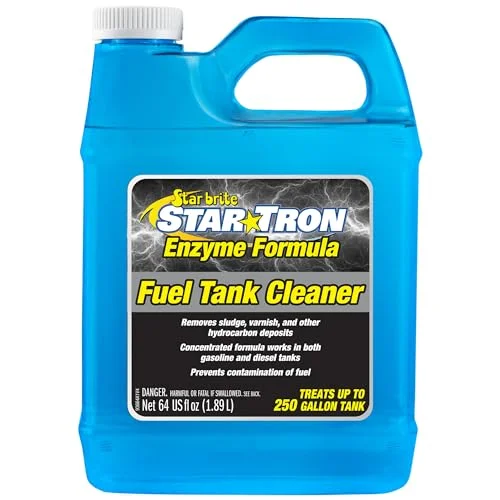
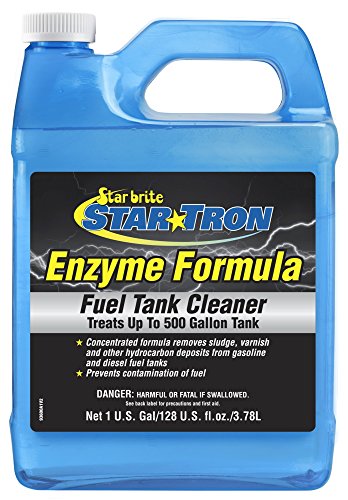
Star Tron Fuel Tank Cleaner
Formulated specifically to remove sludge, varnish, and gum deposits — the exact problem gas that’s been sitting leaves behind.
View Our Pick on Amazon
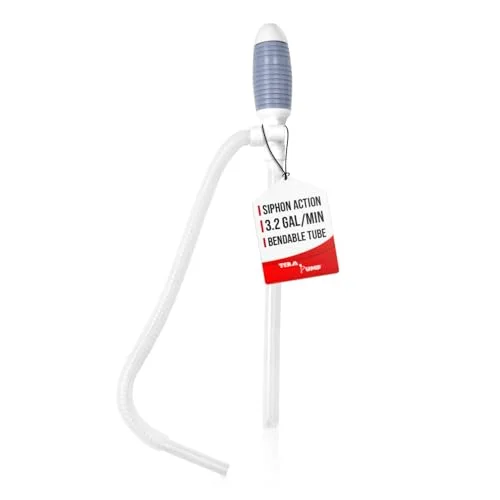 TERA PUMP Manual Siphon For safely draining old fuel before removing the tank Check on Amazon |
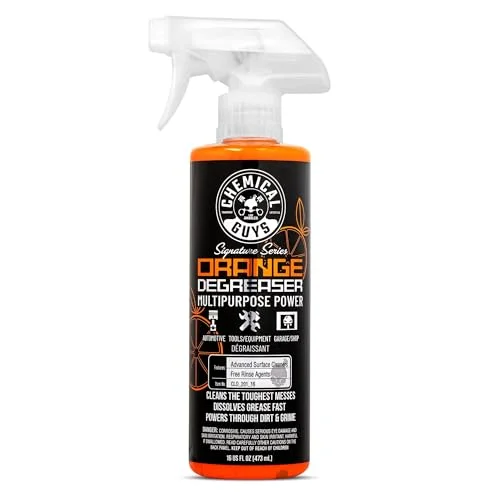 Chemical Guys Orange Degreaser Cuts through everyday dirt and grime on the tank exterior and interior Check on Amazon |
 Adenna Nitrile Work Gloves Chemical-resistant protection while handling fuel and cleaning agents Check on Amazon |
As an Amazon Associate, this site earns from qualifying purchases.
Draining The Fuel Tank
Find the fuel tank under your car. Look for the drain plug. It is usually on the bottom. Check your car manual for help. Wear gloves for safety.
Make sure the car is off. Use a safe container to catch the fuel. Slowly open the drain plug. Let the fuel flow into the container. Be careful. Fuel can spill easily.
Accessing The Fuel Tank
First, disconnect the battery to ensure safety. Locate the fuel tank under the car. Use a jack to lift the car for better access. Unscrew the bolts holding the tank in place. Carefully detach the fuel lines connected to the tank. Place the tank on the ground gently. Ensure no fuel spills during removal.
Check the tank for scratches or dents. Look for any leaks or rust spots. Clean the surface with a cloth. If you find damage, it might need repair. This ensures the fuel flows well. A damaged tank can be dangerous. Always replace if needed.
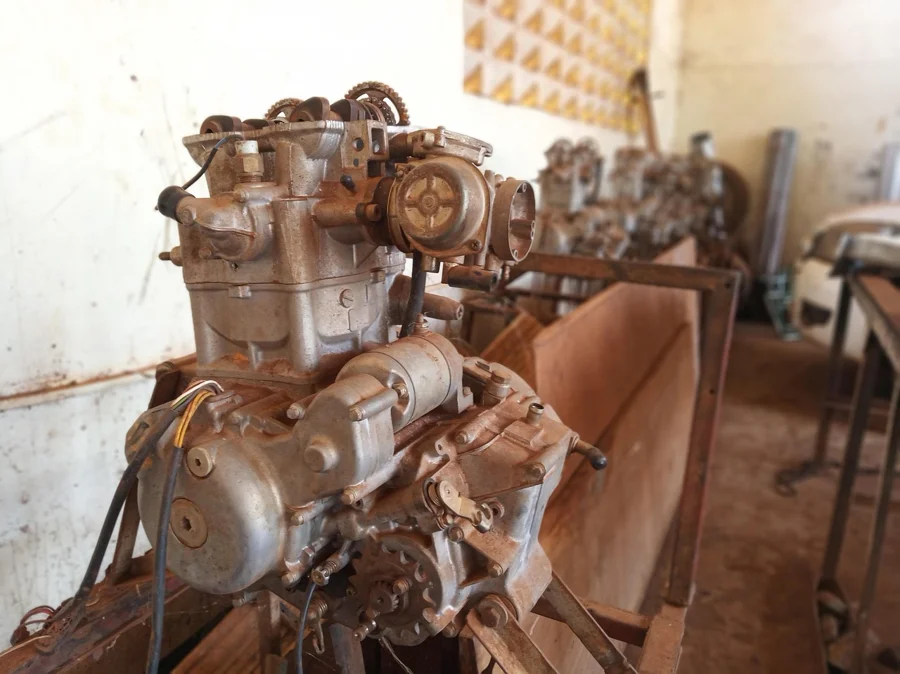
Cleaning Inside The Tank
The fuel tank needs to be cleaned carefully. Start by using specific cleaning agents designed for fuel tanks. These agents break down dirt and debris effectively. Pour the cleaning agent into the tank and let it sit. This helps remove stubborn residues inside the tank. Follow the instructions on the cleaning agent bottle. Use the right amount for the size of your tank. This ensures the best results without harming the tank.
Rinsing the tank is the next step. Use clean water to rinse out the cleaning agent. Make sure the water reaches all parts of the tank. This removes any leftover cleaning solution. After rinsing, dry the tank thoroughly. Use a clean, dry cloth or allow it to air dry. Ensure no moisture remains inside. Moisture can cause rust or other damage. Proper drying keeps the tank in good condition.
Inspecting Fuel Lines And Components
Blockages can stop fuel flow. They make the car run poorly. Use a flashlight to look inside the fuel lines. Check for dirt or anything stuck. Feel the lines with your hands. Soft spots might mean there is a problem. Clean the lines if you find any blockages. This helps fuel move smoothly.
The fuel filter keeps dirt out. It needs checking too. Locate the filter in your car. It might be under the hood or by the fuel tank. Look for dirt or rust around the filter. If it looks dirty, replace it with a new one. A clean filter helps the car run better. Check it often to keep the engine safe.
Removing Varnish and Gum from Gas That’s Been Sitting
If the tank has had stale gas sitting in it for months or years (common on cars stored over winter or vintage vehicles), plain degreaser often isn’t enough — old gasoline evaporates and leaves behind a sticky varnish or gum residue on the tank walls. This is a different problem than everyday dirt and needs a different approach:
- Nuts-and-bolts agitation: Drop a handful of clean nuts and bolts (or small chain links) into the empty tank with a little water, then roll and shake the tank around for 5-10 minutes. The mechanical scraping breaks the varnish loose without harsh chemicals.
- Fresh gasoline as a solvent: Pour in a small amount of fresh gas, swirl it to coat the interior, then dump it out (into an approved container, never a drain). Repeat until it comes out relatively clean.
- Chemical additive: A fuel-system cleaner like Sea Foam mixed with fresh fuel can loosen lighter varnish buildup over a normal drive cycle, once the tank is reinstalled.
- Muriatic acid (stubborn deposits only): For heavy, years-old buildup, some people use a diluted muriatic acid soak. If you go this route, always add the acid to water — never water to the acid — and wear gloves and eye protection; this is a harsher method best reserved for tanks that won’t come clean any other way.
Whichever method you use, finish with a thorough garden-hose rinse and let the tank air dry completely before adding fresh fuel — any leftover water mixing with gasoline will cause running problems.
Data Callout: If using muriatic acid on a stubborn tank, always add the acid to the water, not the other way around — adding water to concentrated acid can cause a violent, splattering reaction. Work outdoors, wear gloves and eye protection, and let the tank sit only as long as needed.
Reassembling The Fuel Tank
Ensure the fuel tank is positioned correctly. Use a wrench to tighten the bolts. Make sure each bolt is secure. Check for any loose parts. Keep the tank stable. It should not move or shake.
Attach the fuel lines to the tank. Ensure they fit snugly. Check each connection for leaks. If there’s a leak, tighten the connection. Use a clamp if needed. Repeat for all lines. Double-check your work for safety.
Refilling And Testing
Cleaning a car fuel tank involves emptying it completely. Rinse thoroughly to remove debris and contaminants. Ensure proper refilling and testing to maintain efficiency.
Adding Fresh Fuel
Pour fresh fuel into the tank slowly. Make sure it is clean. Dirty fuel can harm your engine. Fill the tank to the top. Do not overfill. Check the fuel cap. Ensure it is tight and secure. This prevents fuel evaporation. Always use the right fuel type. Check your car manual for guidance. Fresh fuel keeps the engine healthy. It helps in smooth driving.
Testing For Leaks
Inspect the tank for any leaks. Look under the car. Check for wet spots or drips. Leaks can cause fuel loss. They may also be dangerous. Use a flashlight to see better. Check the fuel lines. They should be firm and secure. If you find a leak, fix it quickly. Leaks can harm the environment. They may also damage your car. Regular checks prevent problems.
Maintenance Tips
Cleaning a car’s fuel tank ensures optimal performance and efficiency. Start by removing the tank and draining any fuel. Rinse with water and mild detergent, then scrub gently to remove debris. Rinse thoroughly and let it dry completely before reinstalling.
Regular maintenance keeps your engine running smoothly.
Regular Cleaning Schedule
Keep your car fuel tank clean for better engine performance. Set a regular schedule to check for dirt or debris. Aim to clean the tank every 12 months. This helps in avoiding clogs and damage.
Use a fuel system cleaner for the task. Choose one suitable for your vehicle. Follow the instructions carefully. Never let the fuel tank go too low. This can cause sediment to build up.
Signs Of Fuel Contamination
Watch out for signs of bad fuel. Is the engine stalling or hard to start? These are common signs of contamination. Check for unusual engine noises. Strange smells can also indicate bad fuel.
Notice any drop in fuel efficiency? This might mean the fuel is dirty. Always be attentive. It ensures your car runs smoothly. Regular checks are crucial. They prevent costly repairs later.
“A degreaser handles everyday dirt fine, but if the tank has that dark, sticky coating from gas that sat too long, no amount of scrubbing with a rag will touch it — that’s when the nuts-and-bolts trick or a proper solvent soak actually earns its keep.” — a distinction worth knowing before assuming a tank is beyond saving.
Frequently Asked Questions
What Is The Best Way To Clean A Fuel Tank?
Drain the fuel tank completely. Use a degreaser to scrub the interior. Rinse with water thoroughly. Dry using compressed air. Inspect for rust or debris before refilling.
How To Clean A Car Gas Tank That Has Been Sitting?
Drain the old fuel completely. Remove debris and rust using a siphon pump. Rinse with clean water. Add a fuel tank cleaner and scrub inside. Rinse again and let it dry. Reinstall the tank, fill with fresh fuel, and ensure all connections are secure.
What Is The Best Way To Clean A Fuel System On A Car?
Use a quality fuel system cleaner to remove deposits. Add it to the fuel tank as directed. Regularly replace the fuel filter and consider professional cleaning for deeper maintenance. Ensure you follow the vehicle manufacturer’s recommendations for optimal results.
What Cleaner To Put In Fuel Tank?
Use a fuel injector cleaner designed specifically for your vehicle type. Popular brands include Chevron Techron and STP. These cleaners help remove deposits from injectors, improving engine performance and fuel efficiency. Always follow the manufacturer’s instructions for the correct dosage and application.
Regular use maintains optimal engine health.
Conclusion
Cleaning your car’s fuel tank keeps your engine running smoothly. Regular maintenance prevents clogs and improves fuel efficiency. Follow the steps outlined for a hassle-free experience. Always use appropriate cleaning solutions and tools. Remember, safety first—handle fuel with care. Keeping your tank clean ensures a longer lifespan for your car.
Regular checks can save you from costly repairs. Maintain your vehicle well for a smoother drive. Happy driving!
Products related to this article
Sponsored / affiliate links. As an Amazon Associate I earn from qualifying purchases. I may earn additional commission from eligible campaigns.