Why is My Car Heating Up? Top Causes Explained
You’ve likely experienced that moment of panic when you notice your car’s temperature gauge creeping upward. It’s a situation no driver wants to face, yet it’s surprisingly common.
So, why is your car heating up? The reasons can vary, and understanding them can save you time, money, and stress. Imagine the relief of knowing how to prevent a breakdown before it happens. You’ll gain peace of mind and keep your vehicle running smoothly.
Let’s dive into the possible causes of your car’s overheating and discover what steps you can take to address them, ensuring your ride remains safe and comfortable. Ready to solve this mystery and take control? Keep reading to find out how you can keep your car cool and your travels worry-free.
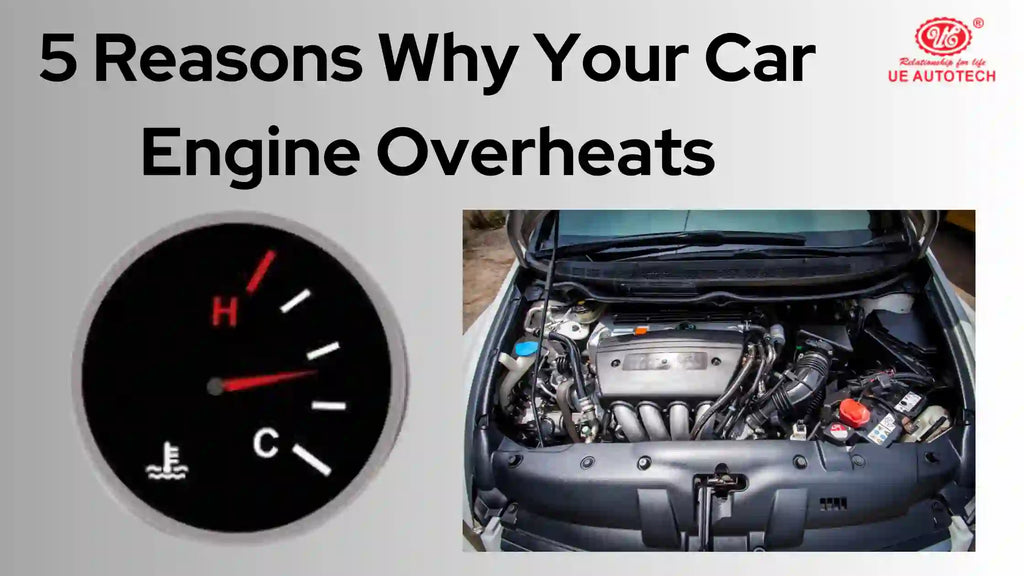
Credit: www.ueautotechs.com
Common Reasons For Car Overheating
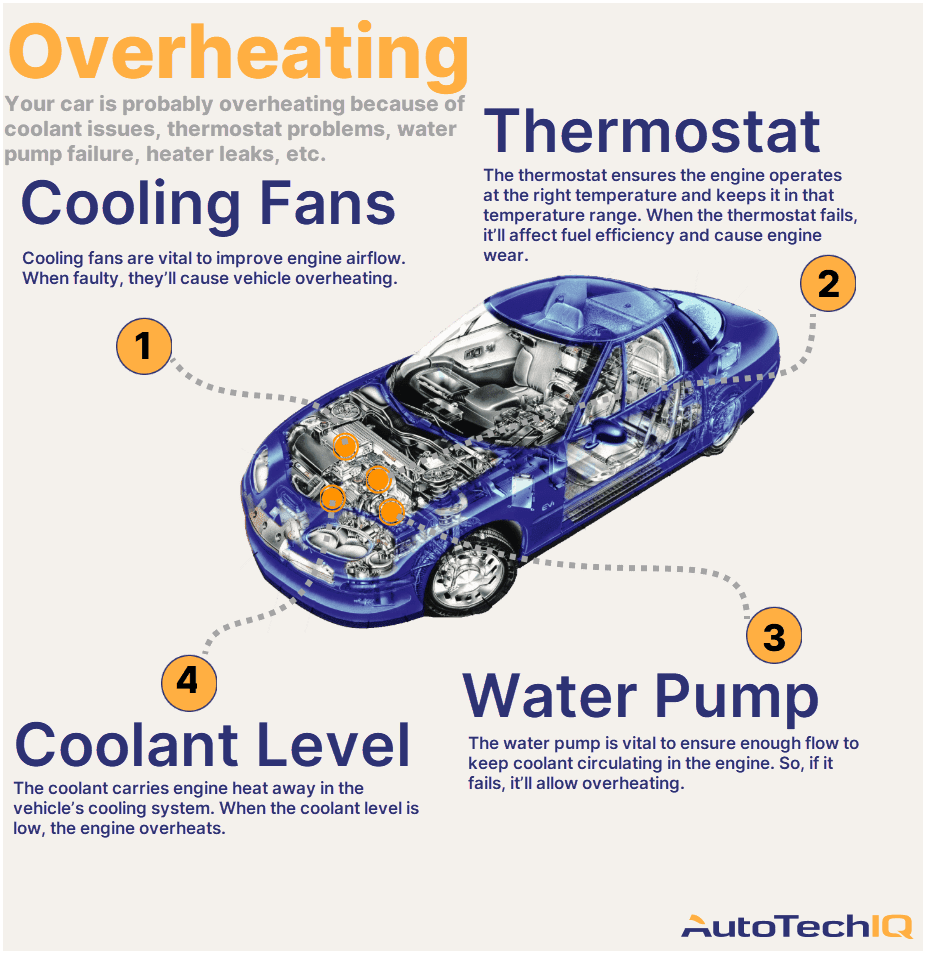
Clogged radiatorscan cause your car to heat up. Dirt and rust block the flow of coolant. This makes the engine too hot. Check the radiator regularly. Clean it to keep it clear.
Low coolant levelscan make your car overheat. Coolant keeps the engine cool. Without enough, the engine gets too hot. Check the coolant level often. Add more if it’s low.
A faulty thermostatcan cause overheating. The thermostat controls the coolant flow. If stuck, it can block the coolant. This makes the engine too hot. Replace a bad thermostat soon.
The water pump helps move the coolant. A broken water pumpcan stop this flow. This can lead to overheating. Listen for strange noises. A noisy pump might need fixing.
Leaking hosescan let coolant escape. Less coolant can cause overheating. Look for puddles under your car. Fix leaks quickly to avoid problems.
Coolant System Issues
Your car needs coolant to stay cool. Low coolant levels can make your car heat up. Always check the coolant level in your car. A coolant level that is too low can lead to engine trouble. Check the coolant tank often. Make sure it is filled properly. Never let it go empty. An empty tank can cause overheating fast. Keep an eye on the temperature gauge. If the gauge goes high, check the coolant.
Coolant leaks can be sneaky. Leaks happen in hoses or radiators. Leaks make the coolant escape. This can cause your car to heat up. Find leaks by spotting puddles under the car. Green or orange puddles mean trouble. Fix leaks quickly. Replace old hoses. Check seals and caps. A tight cap stops leaks. Visit a mechanic if unsure. They can find leaks fast.
Thermostat Malfunctions
Stuck Thermostatcan make your car overheat. It blocks the coolant flow. The engine gets hotter and hotter. This is not good for the car. Engines need the right temperature to work well. A thermostat stuck closed is a big problem. It must open and close to control heat. If it stays closed, the car heats too much.
Thermostat Replacement Needsarise when it stops working. It might not open or close as it should. This can harm the engine. A new thermostat can fix this problem. It’s important to replace it soon. A working thermostat keeps the car cool. It helps the engine run smoothly. Always watch for signs of a bad thermostat.
Radiator Problems
Radiator blockagescan cause a car to heat up. Dirt or rust blocks the flow of coolant. The coolant can’t move freely. This makes the engine hot. A clean radiator keeps the engine cool. Regular checks help find blockages early. Use the right coolant. It prevents rust and dirt build-up.
Radiator fan failuresare also common issues. The fan cools the engine. If the fan stops, the engine heats up quickly. Check the fan’s wiring and motor. Make sure it’s working. Listen for unusual noises. These might mean the fan is broken. A healthy fan keeps the engine from overheating.
Water Pump Failures
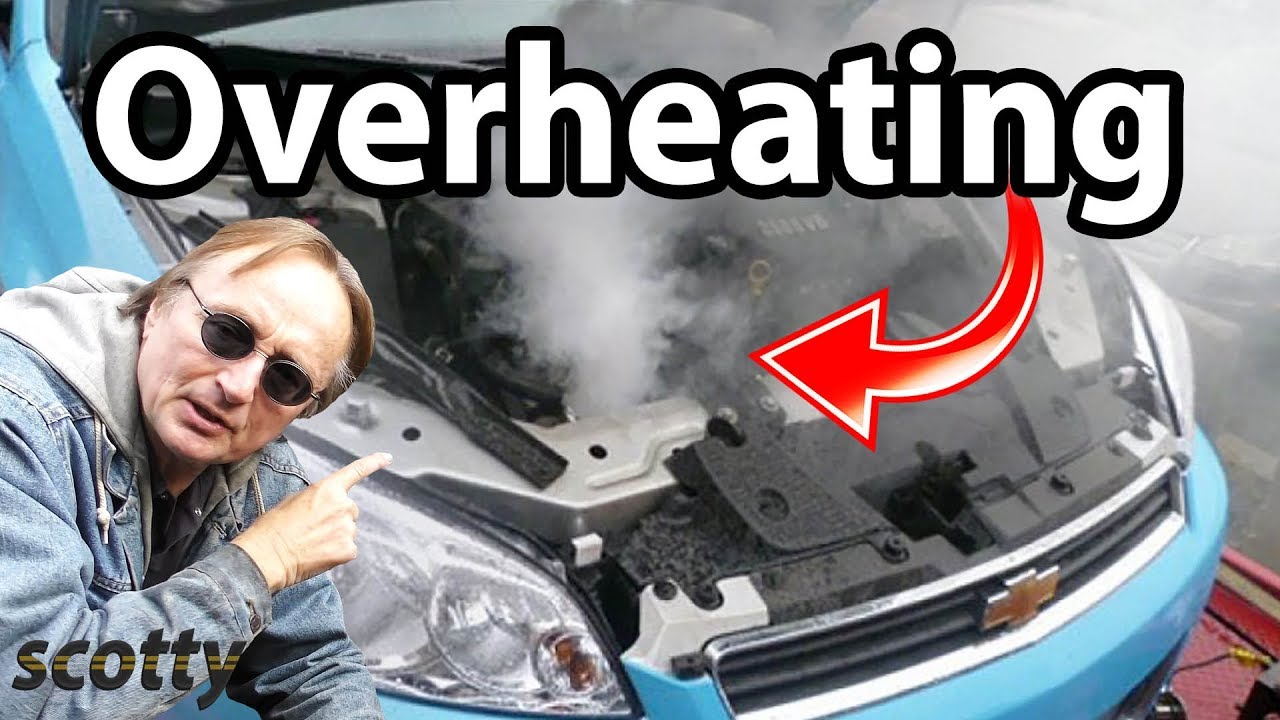
A failing water pump can make your car heat up. Coolant leaks are a big sign. Look under your car for green or red puddles. Strange noises from the engine are also bad. Listen for grinding sounds. The temperature gauge may rise too high. Keep an eye on it. Steam from the engine is a warning. Stop driving if you see steam.
The water pump keeps the car cool. It pushes coolant through the engine. Coolant helps to keep the car from heating up. A good pump means a cool engine. Heat can damage the engine. It can make parts break. Protect your car with a strong water pump. It is key for engine health.
Credit: www.youtube.com
Broken Or Worn Belts
Belts play a key role in your car’s cooling system. They help parts move together. A worn belt can cause the cooling fan to stop. This makes the car heat up. Belts also run the water pump. This pump sends coolant through the engine. A broken belt means no coolant flow. Heat builds up fast. This is bad for the engine.
Checking belts is easy. Look for cracks or fraying. A belt that is loose or has missing pieces is bad. Listen for squeaking sounds. This means belts are slipping. Feel the belt. It should be tight. If it feels loose, it might need replacing. Always check belts often. A good belt keeps the car cool.
Engine Oil Issues
Low oil levels can make your car heat up. Oil helps to cool the engine. If there’s not enough, the engine can’t stay cool. This can cause big problems. The engine might even stop working. Always check the oil level regularly. It’s easy to do with the dipstick. Add oil if it’s low. This simple step keeps your car running smoothly.
Bad quality oil can harm your car. It might not cool the engine well. Old oil gets dirty and thick. This makes it hard to flow and cool the engine. Change the oil on time. Use the right oil for your car. Good oil keeps the engine cool and happy. Regular oil changes help a lot.
Blocked Exhaust System
Exhaust blockagescan cause the car to heat up. Blocked pipes stop hot gases from leaving the engine. This traps heat inside the car. The engine needs to release hot air. If it can’t, it gets too hot. Engine overheatingcan damage car parts. It might lead to expensive repairs. A smooth exhaust flow is crucial. It helps the engine stay cool.
Blocked exhausts affect the car’s performance. The engine might struggle to run well. Fuel consumption can increase. The car might lose power. It’s important to check exhaust pipes often. Look for any blockages or dirt. Cleaning them can prevent heating issues. Regular inspections help maintain engine health. Keeping the exhaust clean keeps the car running well.
Regular checks are vital for car health. Clean pipes are essential. Remove dirt and debris often. Inspect the exhaust system for any cracks or leaks. Fix any issues quickly. A well-maintained exhaust helps the engine work better. It keeps heat levels normal. Proper maintenance avoids overheating problems.
External Factors
Your car can heat up due to heavy traffic. It makes the engine work harder. Stop-and-go traffic causes the engine to idle more. This can lead to overheating. Long drives without breaks can also heat the engine. Climbing steep hills can be tough for the car too. It puts extra stress on the engine.
Hot weather can make your car heat up quickly. The engine needs to work harder to stay cool. Direct sunlight increases the car’s temperature. High temperatures can affect the coolant system. If the coolant is low, it might cause engine overheating. Cold weather can also be tricky. It makes the car’s oil thick. This can cause the engine to heat up more.
Preventative Measures
Keep your car’s engine cool with regular maintenance. Check the coolant levels every month. Low coolant can cause overheating. Ensure the radiator is clean and free from dirt. Dirt can block airflow and heat up the engine. The engine oil must be changed regularly. Old oil can cause friction and heat. Check the fan belt for wear and tear. A damaged belt can lead to overheating.
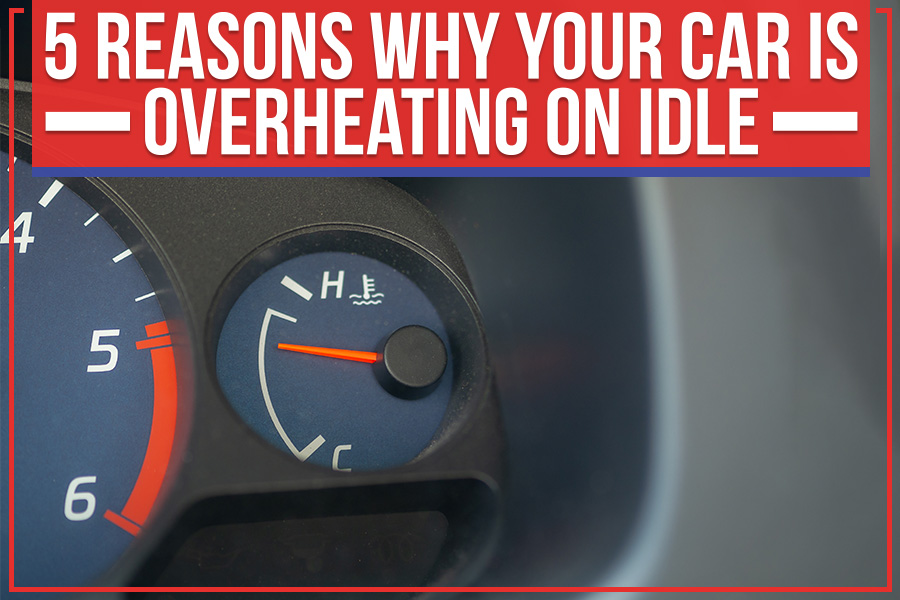
Watch the dashboard indicators closely. The temperature gauge shows engine heat. If the needle is high, the engine is too hot. Warning lights may flash on the dashboard. These lights can signal problems with the engine. Stop the car if the warning lights appear. Ignoring them can damage the engine. Keep a lookout for unusual sounds from the engine. Strange noises can mean trouble.
Credit: www.feldmanwoodhaven.com
Frequently Asked Questions
Why Is My Car Engine Overheating?
Your car engine may overheat due to low coolant levels or a faulty thermostat. A malfunctioning radiator fan or water pump can also be culprits. Regular maintenance and checks can prevent overheating. It’s essential to address these issues promptly to avoid engine damage.
How Can I Prevent My Car From Overheating?
Regular maintenance is key to preventing overheating. Ensure your coolant levels are adequate and inspect your radiator for any leaks. Check your thermostat and radiator fan for proper functioning. Regularly flushing your cooling system can also help maintain optimal engine temperature.
What Should I Do If My Car Overheats?
If your car overheats, turn off the air conditioning and turn on the heater. This helps draw heat away from the engine. Pull over safely and turn off the engine. Allow the engine to cool before checking coolant levels or seeking professional assistance.
Can A Faulty Thermostat Cause Overheating?
Yes, a faulty thermostat can cause overheating. It may fail to open, restricting coolant flow and causing the engine to overheat. Regular checks and timely replacement of a malfunctioning thermostat can prevent overheating issues and maintain engine health.
Conclusion
A car heating up can be scary and stressful. It’s crucial to understand the reasons behind it. Regular checks on coolant levels help prevent overheating. Look out for faulty thermostats or blocked hoses. Addressing these issues early avoids major engine problems.
A well-maintained car runs smoother and lasts longer. Stay proactive with maintenance to keep your car cool. It’s important to listen to your car’s warning signs. Keeping your car in top shape ensures safety on the road. Always consult a mechanic if you notice unusual heating.
Your car’s health matters for a safe drive.