When to Check Oil on a Car: How Long to Wait After Driving
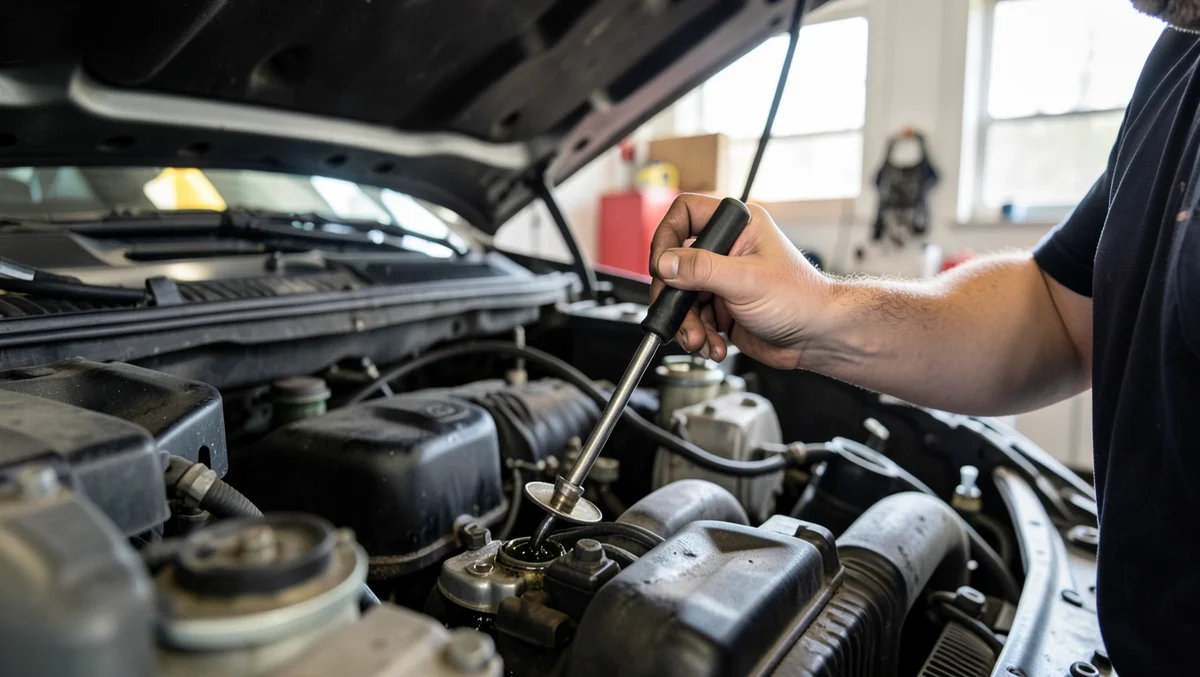
Check your car’s oil when the engine is cold, or wait at least 10 to 15 minutes after shutting off a warm engine. That pause gives the oil time to drain back into the pan so the dipstick gives you an accurate reading instead of a falsely low one.
Most drivers only think about the oil check when a warning light comes on, but building it into your regular routine catches a problem long before it becomes an expensive one. Below is exactly how long to wait after driving, the best moments to make it a habit, and what to do if the dipstick shows something unusual.
Quick Answer
Wait 10-15 minutes after driving before checking your oil, or check it first thing in the morning before the engine has run at all. Either way, park on level ground with the engine off so the oil has time to settle into the pan for an accurate dipstick reading.
How Long to Wait to Check Oil After Driving
NO-SPILL OIL TOP-OFF KIT
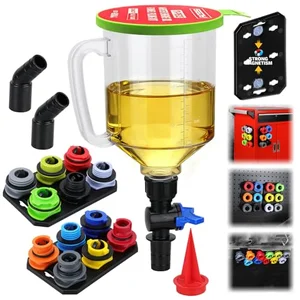 |
18-Piece Engine Oil Funnel Kit – $29.99 If your dipstick check turns up a level below the minimum mark, this kit’s adapters fit most engines so you can top off without spilling oil down the block.
|
The reason for the wait is simple physics. Right after you park, motor oil is still hot, thinned out, and spread through the upper engine instead of pooled in the oil pan below the dipstick. Checking at that moment often shows a level that looks lower than what’s really in the engine, which can tempt you to add oil you don’t actually need.
Give it 10 to 15 minutes with the engine off. By then, the oil has cooled enough to thicken slightly and drain back down into the pan, and the dipstick will show a level you can trust. If you have the time, waiting a few hours or checking before you start the car for the day is even more accurate, since every drop has had time to settle.
A few automakers specify checking the oil while the engine is warm instead of fully cold, so it’s worth a quick look at your owner’s manual to confirm which method your car’s manufacturer recommends.
The Best Times to Check Your Oil in Your Routine
Waiting for a warning light is the most expensive way to find out your oil is low. Building the check into moments you already have in your routine makes it far more likely you’ll actually catch a problem early.
| When | Why It Works |
|---|---|
| Before a long road trip | Long drives put extra stress on the engine, and you don’t want a low-oil surprise far from home. |
| Once a month, same day each time | A fixed reminder catches slow leaks or oil burn-off before they become a bigger problem. |
| After topping off oil or a fill-up | You’re already near the hood, so it’s an easy habit to build in. |
| Before buying or selling a used car | Oil color and level can reveal how well a vehicle has actually been maintained. |
| First thing in the morning | The oil has had all night to fully settle, giving the most accurate cold reading. |
Older cars, or any car with a known small leak, deserve more frequent checks than once a month. If you’re not sure whether a drip under the car is oil, our guide on oil leaks while parked can help you track down the source before it drains the pan low between checks.
Should You Check Oil Hot or Cold?
Short answer: cold, or at least 10-15 minutes after the engine has been off. Cold oil has fully drained into the pan, so the dipstick shows the real level. Hot oil is thinner, still circulating, and can read lower than what’s actually in the engine.
For a full breakdown of the hot-versus-cold debate, including a side-by-side comparison and the mistakes most people make, see our dedicated guide on whether to check oil in a car hot or cold.
Signs You Need to Check Your Oil Right Now
Some situations shouldn’t wait for your monthly reminder. The oil warning light on the dashboard, usually shaped like a small oil can, means the engine has detected a real problem with oil pressure or level. Don’t ignore it, and don’t keep driving on it – pull over safely and check the level as soon as you can.
A new ticking or knocking sound from the engine is another signal. Oil keeps moving parts separated and lubricated; when the level drops too low, metal-on-metal contact can start almost immediately, and the noise gets worse the longer you drive. Running low on oil can also cause your engine to overheat, so treat either symptom as a reason to check the dipstick before your next drive, not after it.
How to Check Your Oil Step by Step
- Park on a flat, level surface and turn off the engine.
- Wait 10-15 minutes if the engine was running, or check first thing in the morning before starting it.
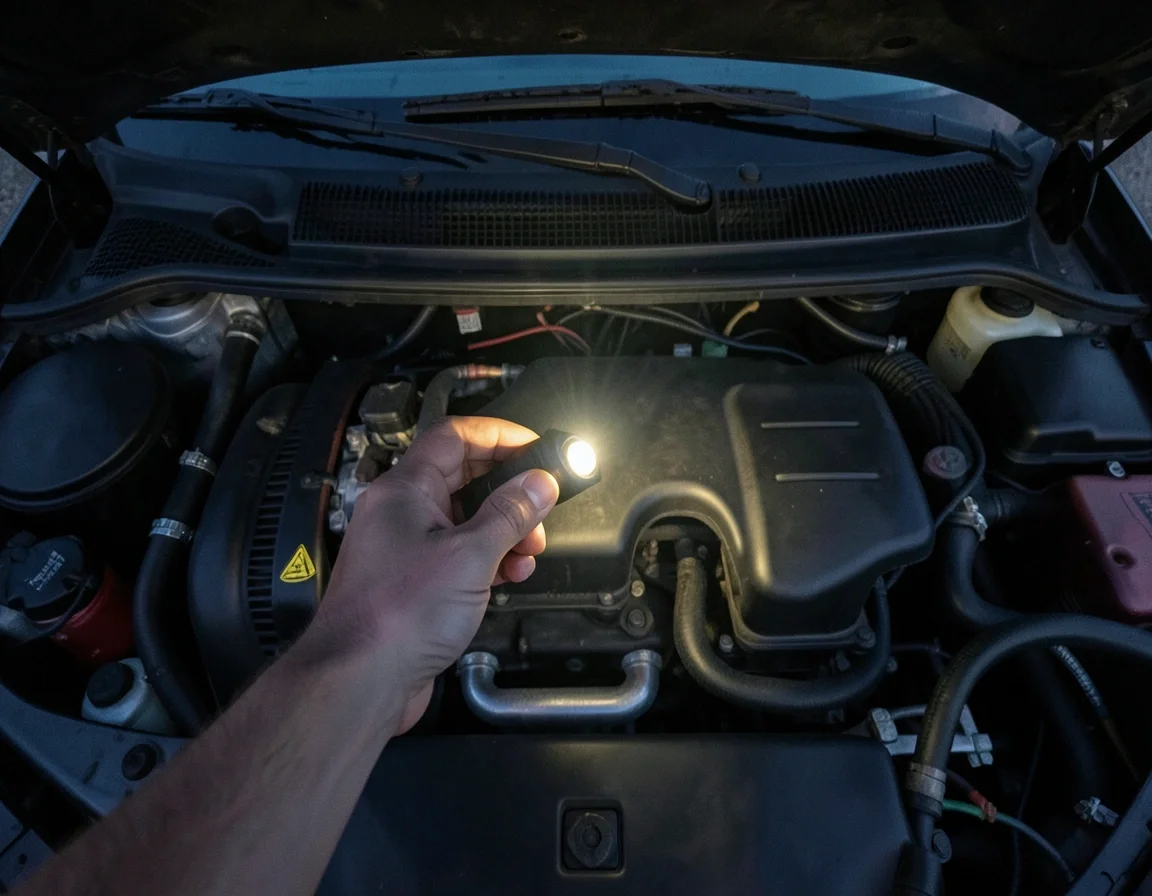
- Open the hood and locate the dipstick, usually marked with a bright handle.
- Pull it out and wipe it clean with a lint-free rag.
- Reinsert the dipstick fully into its tube, then pull it out again.
- Read the level against the marked lines. Add oil if it’s below the minimum mark.
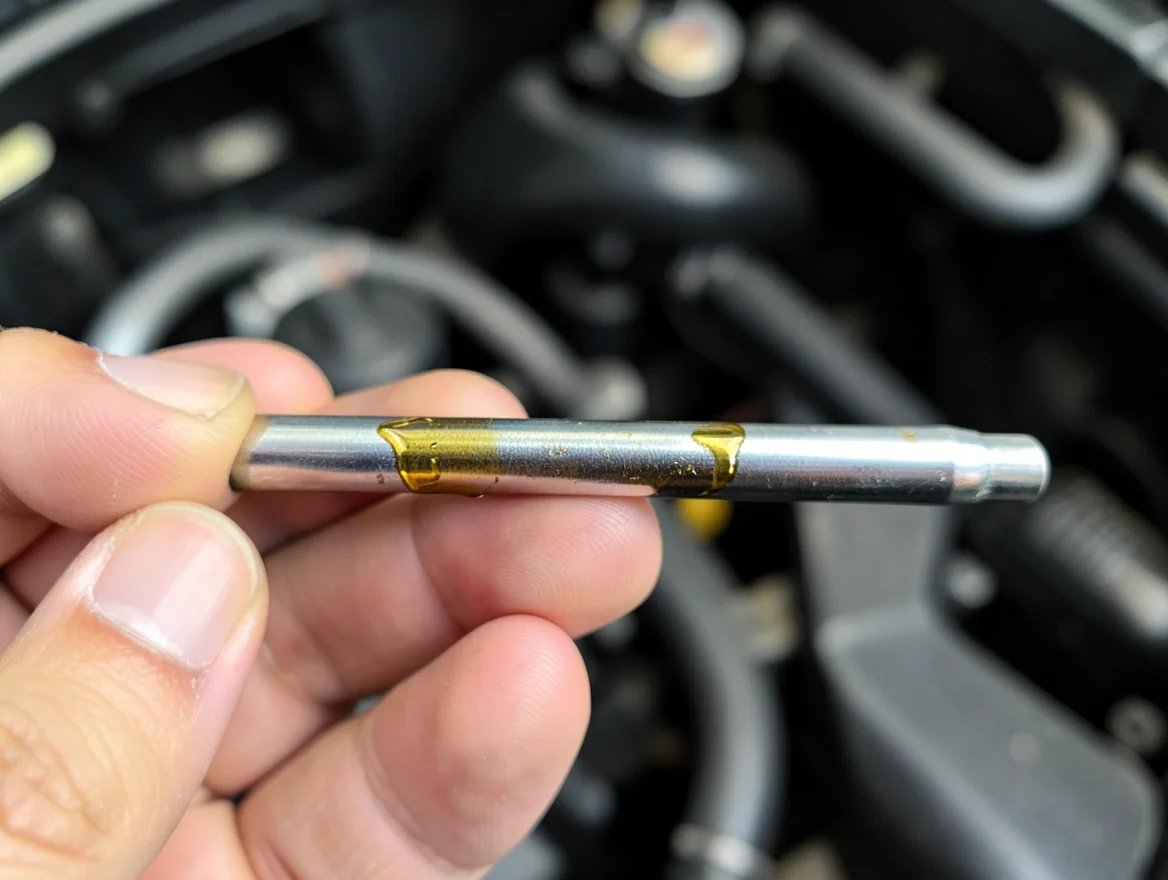
While you’re at it, check the color. Clear amber or light brown oil is healthy. Dark brown or black oil is simply due for a change soon. Milky or foamy oil is different from either of those – it usually points to coolant getting into the engine, most often from a failing head gasket, and it’s worth getting inspected right away rather than just topping it off.
For more on how long oil stays usable between changes, see our guide on how long car oil lasts, and if you’re due for your very first oil change on a new vehicle, check out when to change oil on a new car.
Seasonal Oil Check Considerations
Cold weather thickens motor oil, which can slow how quickly it flows to engine parts right after a cold start. In freezing climates, check your oil a little more often through winter, and confirm your car is running an oil viscosity rated for cold starts, such as a 0W or 5W-grade synthetic, per your owner’s manual.
Summer heat has the opposite effect: it thins oil out, which can make small leaks or burn-off show up faster on the dipstick. Check a little more frequently in hot weather too, and don’t let the oil run dark or gritty, since thin, dirty oil offers less protection exactly when the engine is working hardest to stay cool.
Frequently Asked Questions
How Long Should I Wait to Check My Oil After Driving?
Wait at least 10 to 15 minutes after shutting off a warm engine before checking the oil. This gives the oil time to drain back into the pan so the dipstick shows an accurate level instead of a falsely low reading.
Can I Check My Oil Right After Turning Off the Engine?
It’s better not to. Oil is still circulating through the upper engine and expanded from heat immediately after driving, which can make the dipstick read lower than the actual level. Wait several minutes first.
How Often Should I Check My Oil As Part of My Routine?
Check your oil at least once a month and before any long trip. Cars that are older, leak slightly, or burn a bit of oil between changes benefit from more frequent checks, such as every other fill-up.
Should I Check Oil Before or After Adding Gas?
Either works, but checking after refueling is an easy habit to build since you’re already out of the car and the hood is convenient to pop open at a gas station.
Is It Better to Check Oil in the Morning Before Driving?
Yes. Checking oil first thing in the morning, before the engine has run at all, gives the most consistent cold reading since all the oil has fully settled into the pan overnight.
What Does Milky or Foamy Oil on the Dipstick Mean?
Milky, foamy, or light tan oil usually means coolant is leaking into the engine, often from a failing head gasket. This is different from simply low or dirty oil and needs a mechanic’s inspection right away.
Conclusion
The timing of an oil check matters almost as much as doing it at all. Wait 10-15 minutes after driving, or check cold first thing in the morning, and build the habit around moments you already have – before a trip, once a month, or right after you top off. Catching a low or discolored reading early is what keeps a routine five-minute check from turning into an expensive repair.
Products related to this article
Sponsored / affiliate links. As an Amazon Associate I earn from qualifying purchases. I may earn additional commission from eligible campaigns.