Why Is My Car Leaking Oil? Causes, Fixes & After an Oil Change
A car leaks oil because a gasket, seal, drain plug, or oil filter has worn out, loosened, or cracked, letting oil escape the engine. The most common culprits are a worn oil pan gasket, a leaking valve cover gasket, a loose drain plug, or a bad crankshaft seal — and each one leaves a slightly different clue about where to look. I’ve dealt with oil leaks more times than I’d like to admit over years of tinkering with cars, and this guide walks through spotting the signs, diagnosing the exact cause, and fixing it yourself or knowing when to call a mechanic.
Quick Answer: Oil leaks are almost always caused by a worn gasket, seal, drain plug, or oil filter. Check under the car after it’s been parked overnight — a puddle near the front usually points to a crankshaft seal or oil pan, while a puddle near the middle usually points to the oil filter or drain plug. Small drips (a few a day) can wait for a scheduled fix; a steady stream or a lit oil warning light means stop driving now.
What Does an Oil Leak Look Like?
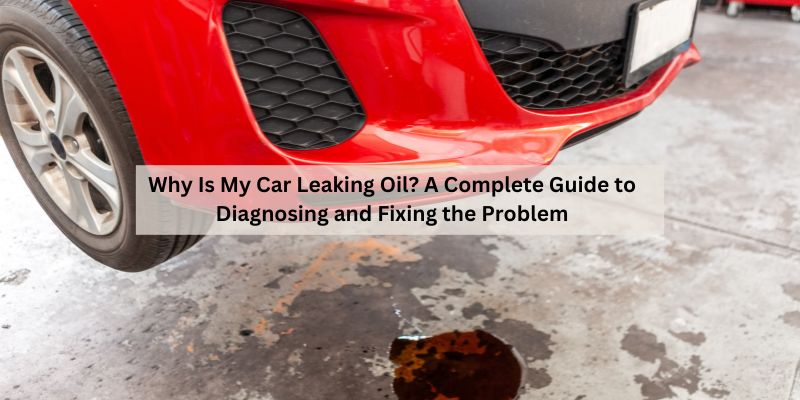
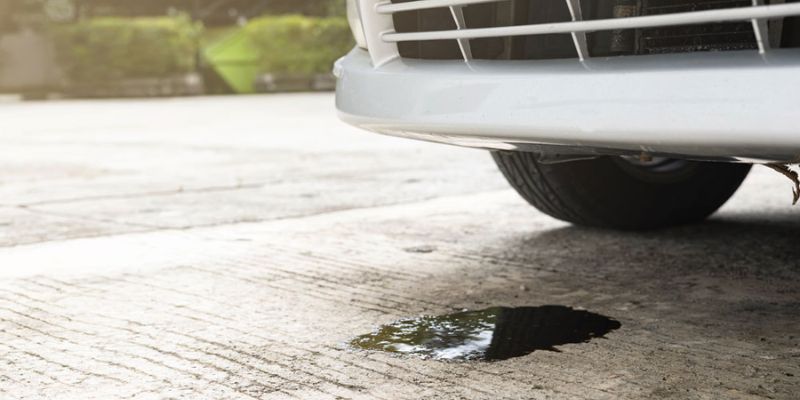
First things first, let’s talk about what an oil leak looks like. When I found my first oil leak, I wasn’t sure what I was seeing. Oil leaks usually show up as dark, slick spots under your car. The oil can be black, brown, or even golden if it’s fresh. I once parked my old sedan overnight and saw a small puddle the size of a dinner plate right under the engine. That was my clue that something wasn’t right.
You might also notice oil on your driveway or garage floor, or even splattered on your car’s undercarriage. Sometimes, you’ll smell a faint burning odor if oil is dripping onto hot engine parts. In my case, I caught a whiff of something odd while driving, and sure enough, oil was leaking onto the exhaust. Check under your car after it’s been parked for a few hours—that’s when leaks are easiest to spot.
Why is Oil leak important to fix?
You might be tempted to ignore a small oil leak, thinking it’s no big deal. I made that mistake once, and it cost me a hefty repair bill. Oil is your engine’s lifeblood, lubricating moving parts and keeping things cool. If your car is leaking oil, it’s losing that vital fluid, which can lead to serious problems.
Low oil levels can cause your engine to overheat, wear out faster, or even seize up completely. I had a friend whose engine got so low on oil it started knocking—scary stuff! Leaks also make a mess, harm the environment, and can create slippery hazards on the road. Plus, oil on hot engine parts can start a fire in rare cases. Trust me, fixing an oil leak sooner rather than later saves you time, money, and stress.
Common Causes of Oil Leaks
Oil leaks can happen for a bunch of reasons, and I’ve seen my fair share. Here’s a rundown of the most common culprits I’ve come across while working on cars:
| Cause | Description | Signs to Look For |
|---|---|---|
| Worn Oil Pan Gasket | The gasket sealing the oil pan to the engine wears out, letting oil seep out. | Puddles under the engine, oil on the oil pan. |
| Faulty Valve Cover Gasket | Gaskets on top of the engine crack or loosen, causing leaks. | Oil on top of the engine or sides of the block. |
| Damaged Oil Filter | A loose, damaged, or poorly installed filter can leak oil. | Oil near the filter, often after an oil change. |
| Worn Oil Drain Plug | The plug or its washer gets stripped or loose, letting oil escape. | Drips directly under the oil pan. |
| Cracked Oil Pan | A hit from a rock or curb can crack the oil pan. | Large puddles under the car, low oil levels. |
| Bad Crankshaft Seal | Seals at the front or rear of the engine wear out, causing leaks. | Oil near the front or rear of the engine. |
| Loose or Damaged Oil Lines | Oil cooler lines or fittings can loosen or corrode. | Oil along the lines or under the engine bay. |
I once had a leaky valve cover gasket on my old truck. Oil was dripping down the side of the engine, and I only noticed because I saw smoke when it hit the exhaust. Each cause has its own fix, so let’s talk about how to figure out what’s going on.
How to Diagnose an Oil Leak
Diagnosing an oil leak is like being a detective, and I’ve played that role plenty of times. Here’s how I track down the source:
- Check Under the Car: Park on a clean surface, like cardboard, and let the car sit overnight. Look at the puddle’s location. If it’s under the front, it might be a crankshaft seal or oil pan. If it’s more central, check the oil filter or drain plug.
- Pop the Hood: Look for oil on the engine block, valve covers, or oil filter. I use a flashlight to spot shiny, wet spots. Once, I found oil pooling around the valve cover bolts—classic gasket issue.
- Check the Oil Level: Use the dipstick to see if your oil is low. I check mine every couple of weeks, especially after noticing a leak. Low oil means the leak is significant.
- Clean and Watch: If you’re not sure where the leak is, clean the engine with a degreaser and hose (carefully!). Then drive for a day and check for fresh oil. I did this once and found a tiny drip from the oil pan gasket.
- Look for Smoke or Smells: If oil is hitting hot parts, you’ll smell burning or see light smoke. I caught a leak early because of that telltale burnt oil smell.
If you’re not sure what you’re looking at, take a picture and show it to a mechanic friend or at an auto parts store. They can often point you in the right direction.
How to Fix Common Oil Leaks
Once you know what’s causing the leak, it’s time to fix it. Some fixes are easy enough for a DIYer like me, while others need a pro. Here’s what I’ve learned about tackling common oil leaks:
- Oil Pan Gasket: This is a job I’ve done myself. Jack up the car, drain the oil, remove the oil pan bolts, and replace the gasket. It’s messy but straightforward. Just make sure to torque the bolts properly to avoid future leaks.
- Valve Cover Gasket: Another DIY-friendly fix. Remove the valve cover, clean the surface, and install a new gasket. I did this on my sedan in about an hour, and it stopped the leak completely.
- Oil Filter: If it’s loose, tighten it by hand or with a wrench. If it’s damaged, replace it during an oil change. I once leaked because I didn’t tighten the filter enough—lesson learned!
- Oil Drain Plug: Check if it’s loose or if the washer is worn. Replace the washer (cheap!) or the plug if it’s stripped. I keep spare washers in my toolbox for oil changes.
- Crankshaft Seal: This is trickier. It often requires removing parts like the timing belt or transmission. I left this to my mechanic because it’s easy to mess up.
- Cracked Oil Pan: If the pan is cracked, it needs to be replaced. This is a bigger job, so I recommend a shop unless you’re super handy.
Always use high-quality parts and follow your car’s manual. I learned the hard way that cheap gaskets can fail quickly, causing another leak.
Our Pick: Stop and Prevent Oil Leaks
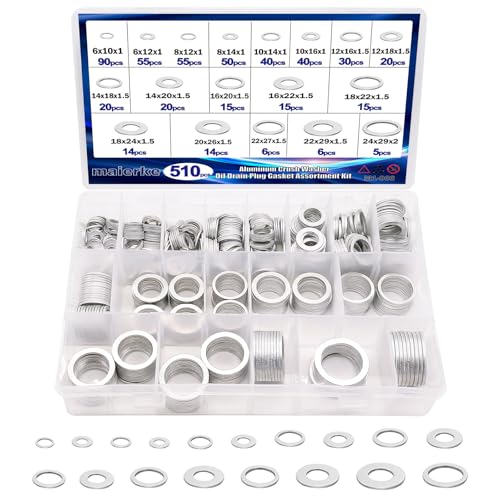
maierke 510PCS Crush Washer Oil Drain Plug,18 Sizes Aluminum Oil Drain Plug Gask
Best for: Replacing a worn drain plug washer — the #1 cause of post-oil-change leaks
Why we picked it: 510 pieces across 18 sizes means you’ll have the right crush washer on hand for almost any drain plug, instead of reusing an old flattened one.
Main drawback: You’ll need to know your drain plug’s exact size before ordering a single replacement.
View Our Pick on Amazon ($9.99)
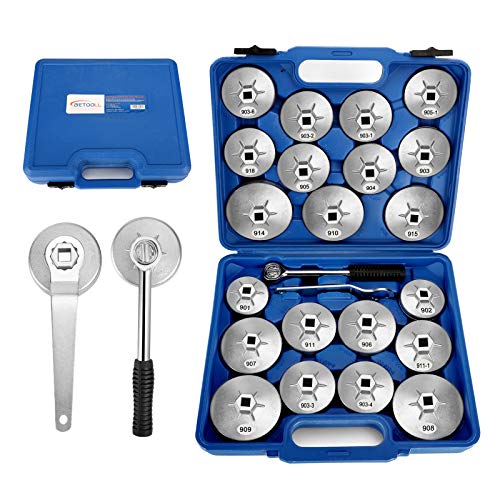 BETOOLL 23pcs Oil Filter Wrench Set, Oil Filter So Best for: Removing a stuck or overtightened oil filter without crushing it Bulkier than a single-size wrench if you only ever service one vehicle. Check on Amazon ($37.99) |
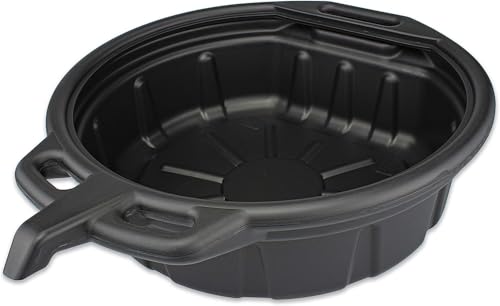 NEIKO 20762A Oil Drain Pan | Black Plastic Anti Sp Best for: Catching oil cleanly during a drain plug or filter fix Needs to be emptied and cleaned promptly or it becomes another mess to deal with. Check on Amazon ($24.99) |
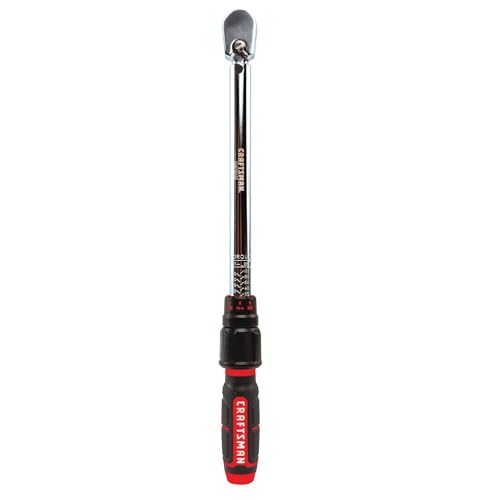 CRAFTSMAN Torque Wrench, 3/8″ Drive (CMMT99433) Best for: Torquing the drain plug and gasket bolts to spec so they don’t loosen or crack Single 3/8-inch drive size — won’t cover every bolt on the car. Check on Amazon ($59.98) |
Tools You’ll Need for DIY Fixes
If you’re tackling an oil leak yourself, you’ll need some basic tools. Here’s what I keep in my garage for these jobs:
| Tool | Purpose |
|---|---|
| Jack and Jack Stands | Lifts the car safely for undercarriage access. |
| Socket Set | Removes bolts on oil pans, valve covers, etc. |
| Screwdrivers | For removing clips or covers in the engine bay. |
| Oil filter wrench | Helps remove stuck oil filters. |
| Torque wrench | Ensures bolts are tightened to the right specs. |
| Degreaser and rags | Cleans oily surfaces before and after repairs. |
| Replacement gaskets/seals | Matches your car’s make and model for a proper fix. |
| Catch pan | Catches oil during repairs to avoid a mess. |
I also keep a pair of gloves handy—oil is messy, and it’s tough to get off your hands. Safety goggles are a good idea, too, especially when working under the car.
How to Prevent Oil Leaks
Prevention is always better than a cure, right? After dealing with a few leaks, I’ve picked up some habits to keep them at bay:
- Regular Oil Changes: Fresh oil and a new filter reduce strain on gaskets and seals. I change my oil every 5,000 miles or so.
- Check for Leaks Early: Look under your car regularly. Catching a small drip early can prevent a big problem. I check my driveway every week.
- Use Quality Oil and Parts: Cheap oil or filters can cause leaks. I stick to synthetic oil and OEM or high-quality aftermarket parts.
- Avoid Over-Tightening: When doing an oil change, don’t over-tighten the filter or drain plug. I did this once and stripped the plug, causing a leak.
- Inspect Gaskets and Seals: During maintenance, check gaskets for cracks or wear. Replacing them early can save you trouble.
I also drive carefully over potholes and curbs. A hard hit can crack an oil pan, like it did on my old truck after a bad speed bump.
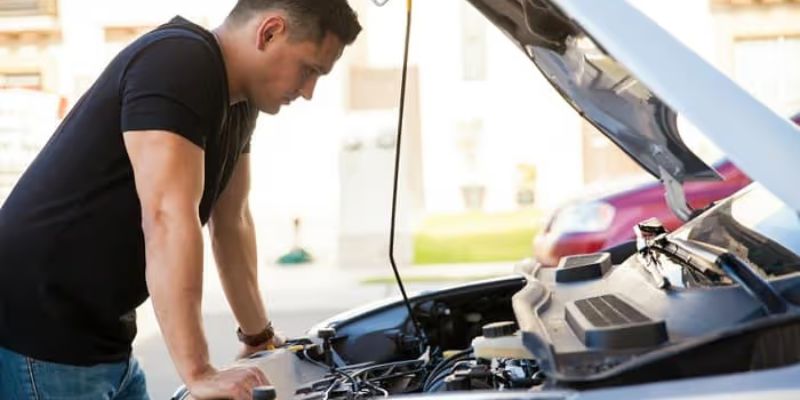
Why Is My Car Leaking Oil Right After an Oil Change?
This one’s different from the other causes above, and it’s common enough to deserve its own section. If you’re seeing a fresh leak within a day or two of an oil change, the cause is almost always something the shop (or you) touched during the service, not a random gasket failure:
- Loose drain plug: If the plug wasn’t torqued down properly, it won’t seal against the oil pan. This is the single most common post-oil-change leak.
- Worn or missing drain plug washer: The crush washer under the drain plug seals the connection and should be replaced every oil change — reusing an old, flattened one is a common shortcut that causes a slow drip.
- The “double gasket” mistake: This is the serious one. When the old oil filter is removed, its rubber gasket can stay stuck to the engine instead of coming off with the filter. If nobody checks for it and a new filter (with its own gasket) gets installed on top, oil pressure at around 30 PSI can blow past both gaskets once the engine runs, and the engine can lose most of its oil in minutes. Always check that the old filter’s gasket came off with it before installing a new one.
- Debris on the sealing surface: Dirt or old gasket material between the drain plug and the oil pan can keep it from sealing, even if it’s torqued correctly.
A couple of drips in the hours right after a change is normal residue settling — but if you see a steady leak or a puddle growing under the drain plug or filter within a day, pop the hood and check both. If you had the oil changed at a shop, most will fix a leak caused by their own service for free.
When to Call a Professional
Some oil leaks are easy to fix at home, but others are best left to a mechanic. If you’re dealing with a crankshaft seal, a cracked oil pan, or a leak you can’t pinpoint, it’s time to call in the pros. I took my car to a shop when I had a rear main seal leak—it was way too complex for my skill level. A mechanic can also pressure-test the system to find hidden leaks.
Expect to pay $100-$500 for professional repairs, depending on the issue. It’s not cheap, but it’s better than ruining your engine. My mechanic once saved me from a major engine repair by catching a leak early.
What to Do If You Notice a Leak Right Now
If you’re reading this because you just found oil under your car, here’s what I’d do:
- Check the Oil Level: Pop the hood and use the dipstick to make sure you have enough oil. If it’s low, top it off with the right oil type (check your manual).
- Park on a Clean Surface: Move the car to a clean spot to monitor the leak’s size and location.
- Don’t Drive Far: A small drip might be okay for a short drive to a mechanic, but a big leak means you should stop driving.
- Get It Checked: If you’re not sure what’s leaking, take it to a shop. I once drove with a small leak for too long, and it cost me big time.
How Oil Leaks Affect Your Car’s Performance
A leaky car isn’t just a mess—it can hurt your car’s performance. Low oil levels make your engine work harder, which can lower fuel efficiency. I noticed my gas mileage dropped when I had an undiagnosed leak. It can also cause overheating, weird noises (like knocking or ticking), or even engine failure if ignored. My friend ignored a leak, and his engine seized up—$3,000 in repairs later, he wished he’d acted sooner.
Oil leaks can also damage other parts, like belts or hoses, if oil drips on them. And don’t forget the environment—leaking oil can pollute soil and water. Fixing it quickly keeps your car running smoothly and the planet a little cleaner.
How to Clean Up an Oil Leak Mess
Oil leaks make a mess, and I’ve cleaned up plenty of oily driveways. Here’s how I handle it:
- Absorb the Oil: Sprinkle cat litter, sawdust, or an oil-absorbent powder on the puddle. Let it sit for a few hours, then sweep it up.
- Scrub the Stain: Use a degreaser or dish soap with a stiff brush to clean the spot. I use Dawn dish soap—it works wonders!
- Rinse It Off: Hose down the area to wash away residue. Be careful not to let oily water run into storm drains.
- Clean Under the Car: Use a rag and degreaser to wipe oil off the undercarriage. I do this to prevent drips from spreading.
For small spills, I keep a bag of cat litter in my garage. It’s cheap and soaks up oil like a charm.
Cost of Fixing an Oil Leak
The cost of fixing an oil leak depends on the cause. Here’s what I’ve seen for common repairs:
- Oil Filter or Drain Plug: $10-$50 for parts, plus labor if you go to a shop (around $50-$100).
- Oil Pan Gasket: $50-$150 for parts, with labor adding $100-$300.
- Valve Cover Gasket: $20-$100 for parts, plus $50-$200 for labor.
- Crankshaft Seal: $100-$300 for parts, with labor costing $200-$500 or more due to complexity.
DIY repairs save money, but only if you’re confident. I’ve saved hundreds by doing simple fixes myself, but I leave big jobs to my mechanic.
When to Worry About an Oil Leak
Not all oil leaks are emergencies, but some need immediate attention. A small drip (a few drops a day) might be okay to monitor for a short time, but a large puddle or steady stream is serious. If your oil light comes on, you hear engine noises, or you see smoke, stop driving and get help. I once ignored a small leak, thinking it was fine, and ended up with a damaged engine bearing. If you’re unsure, err on the side of caution and get it checked.
Conclusion: Keep Your Car Leak-Free and Running Strong
Finding an oil leak under your car can feel like a punch to the gut, but it’s a problem you can tackle with the right knowledge. From my years of dealing with leaks — big and small — I’ve learned that catching them early and understanding the cause is the key to keeping your car healthy. Whether it’s a simple fix like tightening a loose oil filter or a bigger job like replacing a crankshaft seal, addressing the issue quickly saves you from costly repairs and keeps your engine running smoothly. I hope this guide has given you the tools to spot, diagnose, and fix oil leaks with confidence. So next time you see a suspicious puddle, don’t panic—just grab your flashlight, check under the hood, and take action. Your car (and your wallet) will thank you for it. Here’s to clean driveways and happy driving!
FAQs
How do I know if my car is leaking oil?
Look for dark, slick puddles under your car, especially after parking overnight. You might also smell burning oil or see low oil levels on the dipstick.
Is it safe to drive with an oil leak?
Small drips might be okay for a short drive to a mechanic, but large leaks or low oil levels are dangerous. I stop driving if I see a big puddle or the oil light comes on.
How much does it cost to fix an oil leak?
It depends on the cause. Simple fixes like a new oil filter cost $10-$50, while complex repairs like a crankshaft seal can run $300-$800 or more.
Can I fix an oil leak myself?
Some leaks, like a loose oil filter or valve cover gasket, are DIY-friendly if you have tools and know-how. I’ve done these myself, but bigger jobs need a pro.
What causes oil leaks in older cars?
Older cars often leak due to worn gaskets, seals, or corroded oil pans. My old truck had a leaky oil pan gasket because it was 20 years old.
How often should I check for oil leaks?
I check under my car every week or two, especially after an oil change. Regular checks catch leaks early before they cause big problems.
Can an oil leak damage my engine?
Yes, if oil levels get too low, your engine can overheat or seize up. I’ve seen engines ruined because leaks were ignored for too long.
How do I clean oil off my driveway?
Use cat litter or absorbent powder to soak up the oil, then scrub with dish soap or degreaser and rinse. I keep cat litter handy for quick cleanups.
Why is my car leaking oil right after an oil change?
It’s usually a loose drain plug, a worn drain plug washer, or debris on the sealing surface — all fixable with a wrench. The more serious cause is a “double gasket,” where the old filter’s gasket stuck to the engine and a second one got installed on top of it. Check that the old gasket came off with the filter before assuming anything else.
Products related to this article
Sponsored / affiliate links. As an Amazon Associate I earn from qualifying purchases. I may earn additional commission from eligible campaigns.