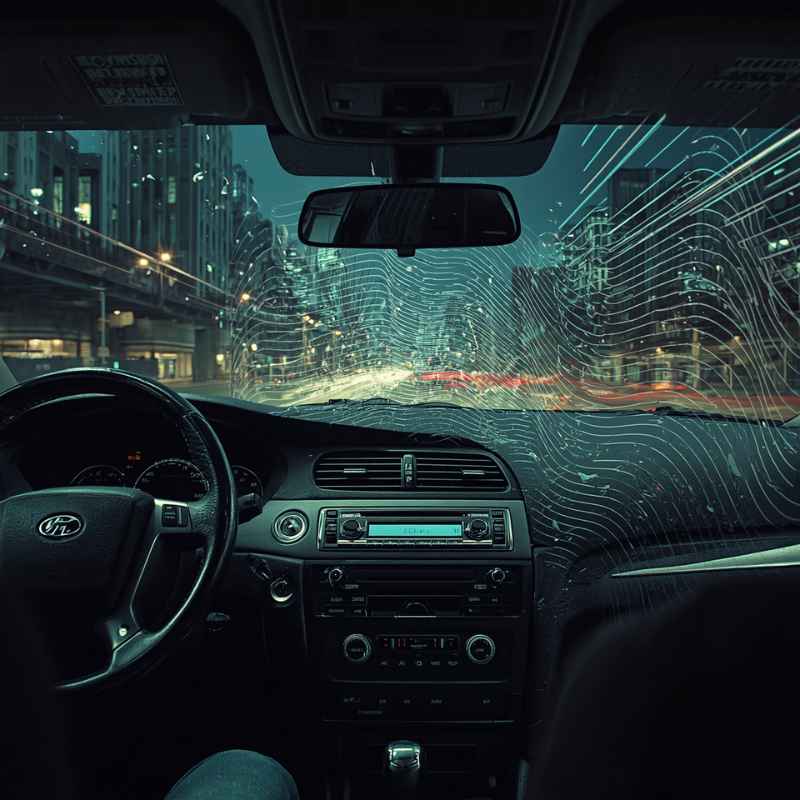
Why Is My Car Stereo Getting Static? Causes And Fixes
The most common reasons for car stereo static include antenna problems, loose or corroded connections, electrical interference from other car parts, and issues with the radio signal itself. Often, simple checks and adjustments can clear up the fuzzy sound.
Understanding Car Stereo Static
Static on your car radio is basically unwanted noise. It’s a signal that’s not clear. Think of it like trying to talk to someone across a loud room. Your words get mixed up with all the other sounds. Your car stereo faces similar challenges. The radio waves it tries to pick up can get distorted. This distortion shows up as that annoying static.
Many things can mess with these radio waves. Some are inside your car. Others are from outside. Your car is a busy place for electronics. All these parts can sometimes talk over each other. This is called electrical interference. Even the weather can play a small part. Strong storms can disrupt radio signals.
The Science of Radio Waves (Simply Put)
Radio stations send out signals. These are invisible waves. Your car’s antenna catches these waves. The stereo then turns them into sound. For this to work well, the antenna needs a clear path. It needs to grab the signal without too much interruption. If something gets in the way, the signal weakens. It might even break apart.
When a signal breaks apart, you hear static. It’s a sign the stereo is struggling. It’s not getting a clean message from the radio station. This can happen for many reasons. We’ll look at the most frequent ones.
My Own Static Nightmare
I remember this one time, years ago. I had just bought a used sedan. It was a beauty. I was so excited to drive it around town. The first week was great. Music sounded clear. Then, one morning, it started. Every time I turned the dial, static. At first, it was just a little hiss. By the end of my commute, it was almost impossible to listen to anything.
I was so frustrated. I thought I’d have to buy a whole new stereo. I spent hours online, reading forums. People suggested all sorts of things. Some seemed way too complicated. I almost gave up. Then, I decided to just start with the simplest things. I was a bit annoyed that I hadn’t checked them first. The sun was beating down, and I was fiddling under the dashboard.
Common Causes of Car Stereo Static
Let’s break down the most common culprits behind that static. Most of the time, it’s not a sign of a huge problem. It’s usually something simple and fixable.
1. The Antenna Connection
This is often the number one reason for static. Your car’s antenna is its ear. It needs to hear the radio waves clearly. If the antenna isn’t connected right, it can’t do its job well.
Is the Antenna Loose?
Antennas are usually screwed into the car’s body. Sometimes, over time, they can loosen up. A loose antenna might still pick up a signal, but it’s weak. It’s like having a loose wire on a lamp. It might still light up, but not very brightly.
Corrosion on the Antenna Base
The base where the antenna screws in can get rusty or dirty. This dirt or rust acts like a barrier. It stops the electrical signal from flowing properly. Think of it like gunk in a pipe. Water can’t flow through easily.
Damaged Antenna Mast
The rod part of the antenna can also get bent or broken. Even a small bend can affect its ability to catch signals. If it’s significantly damaged, it needs replacing.
Antenna Quick Check
What to do:
- Inspect: Look at your antenna. Is it straight? Is it damaged?
- Wiggle: Gently try to wiggle the antenna at its base. Does it feel loose?
- Clean: If it’s screwed in, try unscrewing it. Clean the threads and the connector point with a wire brush or sandpaper. Then screw it back tightly.
2. Wiring Issues
The wires connecting your stereo to the antenna and power source are crucial. Any problem here can cause static.
Loose Connections
Just like the antenna, the wires behind the stereo can come loose. These wires carry the signal. If they’re not secure, the signal gets interrupted. This is super common when a stereo has been recently installed or tampered with.
Corroded Connectors
Wires have connectors. These metal bits can corrode over time. This is especially true in older cars or cars that have been exposed to moisture. Corrosion blocks the electrical flow.
Wiring Checks
What to look for:
- Visual Inspection: If you can access the back of your stereo, look for any loose or disconnected wires.
- Wire Condition: Check if any wires look frayed, cut, or have green/white powdery corrosion on them.
3. Electrical Interference
Your car is a mini electrical grid. Many components create their own electrical fields. These can sometimes mess with your radio signal.
Other Car Components
Things like your car’s alternator, ignition system, and even the windshield wipers can create electrical noise. This noise can bleed into your radio signal. You might notice static gets worse when certain things are on. For example, when you accelerate hard or turn on your headlights.
Aftermarket Accessories
If you’ve added things like phone chargers, dash cams, or GPS devices, they can be sources of interference. Some cheaper accessories are not well shielded. They can create a lot of electrical noise.
Interference Troubleshooting
How to test:
- Turn off accessories: Unplug all aftermarket accessories. See if the static goes away.
- Test components: Turn on and off different car features (wipers, headlights, AC fan). Listen for changes in static.
4. Poor Radio Signal
Sometimes, the problem isn’t in your car at all. It’s the radio signal itself.
Distance from Transmitter
Radio stations have a limited broadcast range. The farther away you are from the station’s transmitter, the weaker the signal. This is especially true for AM stations.
Obstructions
Tall buildings, tunnels, and even hills can block radio waves. This can cause temporary static or a loss of signal.
Atmospheric Conditions
Unusual weather patterns can sometimes affect radio wave propagation. This is less common but can happen.
5. Stereo Head Unit Problems
The stereo unit itself might be the issue.
Internal Faults
The stereo unit has many internal electronic parts. If one of these fails, it can lead to static. This is more likely in older or damaged units.
Tuner Issues
The tuner is the part of the stereo that actually picks up radio frequencies. If the tuner is faulty, it won’t receive clear signals.
Stereo Unit Check
What to do:
- Try different stations: Do all stations have static, or just some?
- AM vs. FM: Is static present on both AM and FM bands?
- Test with CD/Aux: Does static occur with other audio sources like a CD or an aux input? If not, the radio tuner is likely the problem.
Real-World Scenarios and Static
Think about where and when you hear static. These clues can help pinpoint the cause.
Driving Through Urban Areas
In cities, you’re surrounded by signals. Many buildings emit radio waves or act as shields. You also have many cars around you, each with its own electronics. This is a recipe for interference. You might hear static increase when you pass under a large overpass or drive near a busy construction site. This is due to signal blockage and electronic noise.
On the Highway, Far from Town
When you’re out on the open road, signal strength is key. If you’re miles away from the nearest radio tower, the signal will naturally be weaker. This is why you might hear a station fade in and out or become staticky as you drive further away from its source. It’s not necessarily a car problem, but a distance problem.
After a Car Wash
Sometimes, after a car wash, static can appear. Water can get into places it shouldn’t. It might temporarily affect the antenna connection or wiring. Usually, this resolves itself as things dry out. But if it persists, it might mean water caused corrosion.
When Using Certain Accessories
I had a friend whose car stereo got terrible static whenever she plugged in her old phone charger. It was a cheap one. It created so much electrical noise that it drowned out the radio. She solved it by buying a better-quality, shielded charger. This highlights how external electronics can cause issues.
What This Means for Your Drive
Understanding why static happens helps you know when to act.
When Static Is Normal
A little bit of static is normal, especially for AM radio. It’s also expected when you’re driving very far from a station’s broadcast tower. Or when you’re in a tunnel. Or during a really bad thunderstorm. These are usually temporary and not a sign of a problem with your car.
When to Be Concerned About Static
You should be concerned if the static is constant. Or if it happens on all stations. Or if it gets worse when you do certain things, like accelerating or turning on the AC. This suggests a problem within your car’s systems. It could be the antenna, wiring, or electrical interference.
Simple Checks You Can Do
Before you panic or head to a mechanic, try these simple checks:
Scan all stations: See if static affects every station or just one.
Switch bands: Test both AM and FM. AM is more prone to interference.
Use other sources: Play a CD or connect via Bluetooth/Aux. If these sound clear, the radio tuner is likely the issue.
Check your antenna: Give it a gentle twist to ensure it’s secure.
Quick Fixes and Tips for Clearer Sound
If you’ve identified a likely cause, here are some things you can try.
Securing the Antenna
If your antenna feels loose, try tightening it by hand. If it’s still loose or you suspect corrosion, carefully unscrew it. Clean the metal threads on both the antenna and the car mount. A small wire brush or even a pencil eraser can help remove corrosion. Then, screw it back in firmly.
Checking Connections (If You’re Comfortable)
If you’re comfortable removing your car’s stereo faceplate, you can check the connections behind it. Look for any wires that have popped out. Ensure they are all pushed in securely. If you see corrosion on the connectors, you can try cleaning them with a contact cleaner spray. This is a bit more involved and requires some care.
Managing Electrical Interference
If you suspect an aftermarket accessory is causing static, unplug it. See if the static disappears. If it does, you’ve found your culprit. Consider replacing the accessory with a better-made, shielded version. Sometimes, simply repositioning a charger or device can help reduce interference.
Quick Tips for Static
Dos and Don’ts:
- DO: Try different radio stations.
- DO: Check antenna tightness.
- DO: Unplug accessories to test for interference.
- DON’T: Assume it’s a major problem right away.
- DON’T: Force anything when checking connections.
When to Call a Professional
If you’ve tried these steps and still have static, it might be time for expert help. A car audio specialist can diagnose more complex issues. They can check for problems with the stereo’s internal components or hidden wiring faults. They have the tools and knowledge to fix it properly.
Frequently Asked Questions about Car Stereo Static
Why does my car stereo only have static on certain stations?
This usually means the problem is with the signal strength for those specific stations, or your stereo’s tuner isn’t picking them up well. Stations closer to you or with stronger transmitters will come in clearer. If all stations are staticky, it points to an issue within your car.
Does the weather affect car radio static?
Yes, extreme weather can. Heavy storms can disrupt radio waves, causing temporary static or signal loss. However, this is usually short-lived.
If static persists after the weather clears, another cause is likely at play.
Can a dirty car exterior cause radio static?
Not directly. However, if dirt and grime build up around the antenna base, it can create a poor connection, leading to static. Also, water from washing can sometimes get into connections and cause temporary issues or long-term corrosion.
How do I know if my car stereo unit is broken?
If you get clear sound from other sources like CDs or Bluetooth, but only static from the radio, the radio tuner within your stereo is likely faulty. If all sound sources are affected, the entire head unit might have a problem.
Is AM static worse than FM static?
Yes, AM signals are more prone to static and interference. They travel further but are less robust. FM signals are clearer but have a shorter range.
If you experience a lot of static on AM but FM is fine, it’s often normal.
What is “white noise” vs. “static” in a car stereo?
White noise is a steady, random sound across all frequencies. Static is often a crackling, popping, or hissing sound that changes and is usually tied to a weak or interrupted radio signal. Both are unwanted noise, but static specifically points to a transmission problem.
Conclusion
Dealing with static in your car stereo can be a real buzzkill. But as we’ve seen, it’s often a sign of simple issues like a loose antenna or a bit of electrical interference. By doing a few basic checks, you can often restore that crisp, clear sound. Remember to start with the easiest fixes. Your favorite tunes deserve to be heard without that annoying fuzz.
Products related to this article
Sponsored / affiliate links. As an Amazon Associate I earn from qualifying purchases. I may earn additional commission from eligible campaigns.