Why Is My Car Swaying on the Highway? Causes and Solutions
If you’re wondering why is my car swaying on the highway?, you’re not alone! It’s a common concern, especially for new drivers. It can seem a bit challenging to figure out what’s causing it. Don’t worry, though, because it’s usually something that can be fixed. This post will explore the different reasons this happens and explain what you can do about it. We’ll break it down step-by-step, making it easy to see what could be causing the issue, and how to get your car driving smoothly again. Let’s get started!
Causes of Highway Instability
A vehicle swaying on the highway can be unsettling. There are several reasons why this might occur. These issues can range from something simple, like the wind, to something more serious, like a mechanical problem. Being aware of the most common causes can help you identify the problem. You can then take steps to address it, increasing your safety and confidence while driving. Understanding these causes is the first step in ensuring a safer and more enjoyable driving experience.
Tire Troubles
Tires are the foundation of your car’s contact with the road. Their condition can have a significant effect on how your car handles. Problems with your tires often lead to swaying on the highway. Regular tire checks are essential. This helps to prevent potential hazards. Ignoring tire issues can worsen the problem. This can also lead to more serious issues. This section will explore the types of tire problems that commonly affect stability. It will also explore what you can do to keep your tires in top condition.
-
- Underinflated Tires: These tires can cause your car to feel unstable, making it sway from side to side. Underinflated tires have less contact with the road. This reduces their ability to provide stable traction. Driving on underinflated tires also causes uneven tire wear. This means your tires will wear out faster and may need to be replaced sooner. Check your tire pressure regularly. Make sure you inflate them to the recommended pressure indicated on a sticker in your driver’s side doorjamb or in your owner’s manual. Using a tire pressure gauge is important for an accurate reading.
Did you know that according to the National Highway Traffic Safety Administration (NHTSA), underinflated tires contribute to thousands of accidents each year?
- Uneven Tire Wear: When tires wear unevenly, they can cause your car to pull to one side or feel unstable. This can happen due to misalignment, improper inflation, or worn suspension components. The wear can also be caused by frequent driving on bumpy roads. This often leads to a less smooth ride. Inspect your tires regularly for any signs of uneven wear. This includes checking the tread depth across the tire’s surface. Also, look for any unusual patterns. Addressing uneven wear promptly is crucial. It can also help prevent further damage to your car.
- Tire Damage: Bulges, cuts, or blisters on your tires can compromise their structure and lead to instability. Damage can be caused by hitting potholes, curbs, or other road hazards. Damaged tires can also lead to a tire blowout, which is extremely dangerous. Regularly inspect your tires for any visible damage. If you notice any issues, replace the tires immediately. Do not ignore any signs of damage. This can also protect your car’s suspension and steering systems.
- Improper Tire Size or Type: Using the wrong size or type of tire for your vehicle can affect handling and stability. Tires are designed for specific vehicles to provide the correct grip and performance. Make sure to use the correct tires as specified in your owner’s manual. Consult a professional tire shop for advice. Using the correct tires is essential for both your car’s performance and your safety on the road.
Suspension System Issues
The suspension system connects your car’s wheels to its frame. It absorbs shocks from the road, providing a smooth ride and maintaining control. When something goes wrong with the suspension, it can be a primary cause of why a car is swaying on the highway. Over time, components in the suspension can wear out or become damaged. This can significantly affect your car’s handling. This part will explore the different ways suspension issues can cause swaying. It will also explore how to identify and address these problems.
- Worn Shocks or Struts: These components are responsible for absorbing bumps and keeping your tires in contact with the road. If the shocks or struts are worn, they won’t dampen the movement as effectively. This can cause your car to bounce excessively or sway. Shocks and struts should be replaced as they wear. The recommended interval for replacement will vary depending on the type of car. Inspecting the shocks and struts for leaks or damage is important. You should also check for any signs of excessive bounce.
- Damaged or Worn Springs: Springs help to support the car’s weight and maintain ride height. When springs become damaged or worn, they can lose their ability to support the vehicle properly. This can cause the car to sag or lean to one side. This makes the car more susceptible to swaying. Look for broken or cracked springs during your regular inspections. Listen for any unusual noises while driving, like clunking or creaking sounds.
- Loose Suspension Components: Over time, various components in the suspension system can become loose, such as control arms or ball joints. This looseness can lead to a feeling of instability and swaying. Regular inspections can identify any loose components. This allows for timely repairs. Tightening or replacing these components is necessary to restore proper handling. If left unattended, this could lead to more serious problems.
- Misalignment: When your wheels are not aligned correctly, your car can pull to one side. This causes uneven tire wear and affects stability. Misalignment can be caused by hitting a pothole or a curb. Or, it can happen gradually over time. Get your car aligned regularly, as recommended in your owner’s manual. A professional alignment will ensure your wheels are correctly positioned. This ensures the best possible handling and tire life.
Steering System Problems
The steering system is how you control your car’s direction. Problems here can have a direct impact on your car’s stability. Issues with the steering system can make your car feel loose, unresponsive, and prone to swaying. Regular maintenance and checks are essential to keep this system in good working order. Understanding how the steering system works and what can go wrong is crucial. It also helps you identify and address these issues promptly.
- Steering Rack Issues: The steering rack converts the rotational motion of the steering wheel into the linear motion that turns the wheels. Leaks, wear, or damage to the steering rack can cause steering problems, including swaying. Check for fluid leaks around the steering rack. You should also listen for unusual noises when turning the steering wheel. If your car is swaying, the steering rack could be the issue.
- Power Steering Problems: Power steering assists you in turning the steering wheel. This is especially important at low speeds. Power steering issues can cause the steering to feel heavy or loose. This can contribute to swaying on the highway. Check the power steering fluid level regularly. Also, watch out for any strange noises when you turn the steering wheel.
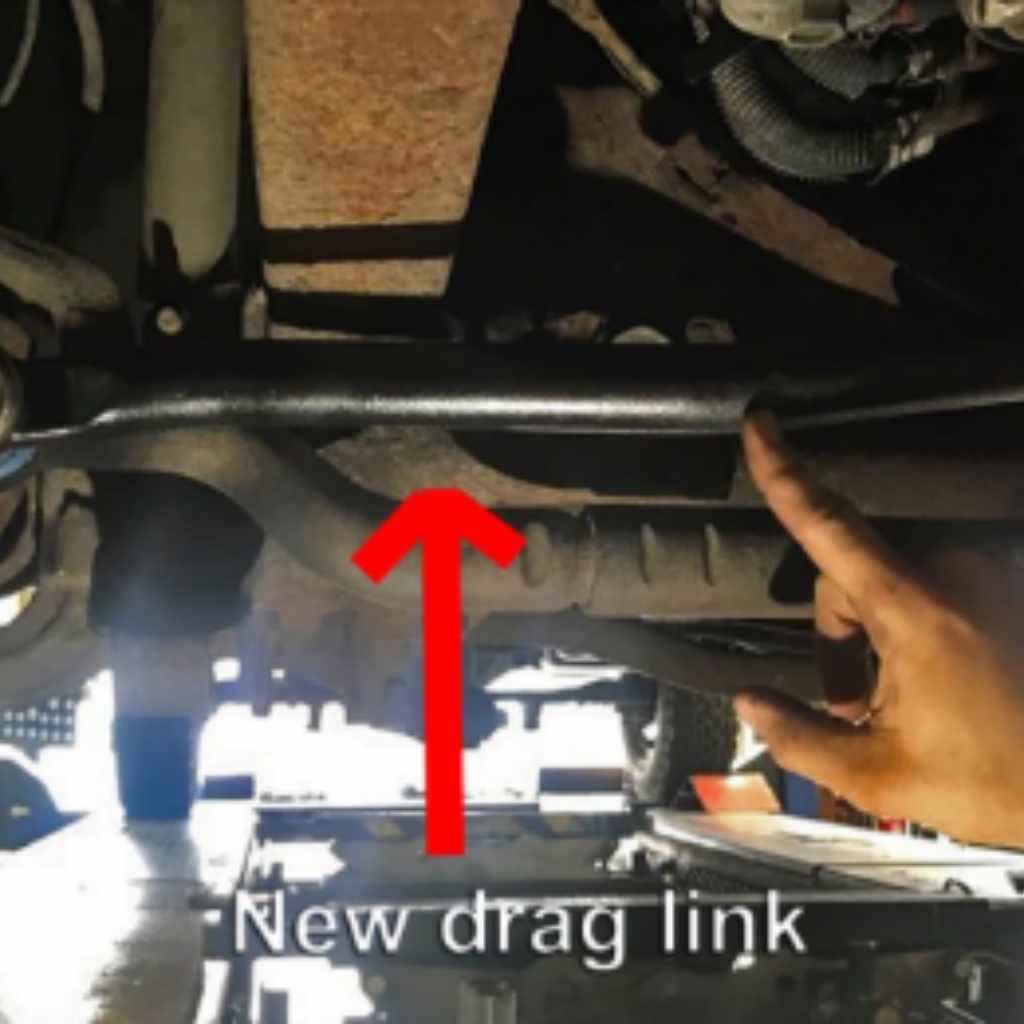
- Worn Steering Linkage: The steering linkage connects the steering system to the wheels. Worn parts in this linkage, such as tie rod ends, can cause play in the steering. This means your car can feel unstable. Regular inspections of the steering linkage for wear and tear is essential. If you feel any play in the steering wheel, have the linkage inspected.
- Loose Steering Column: A loose steering column can cause a feeling of instability. This also makes the car feel disconnected from the road. The column can become loose due to worn bushings or bolts. Check the steering column during regular inspections. Tighten any loose bolts or replace worn bushings to restore proper steering control.
External Factors Affecting Stability
Sometimes the cause of your car’s swaying isn’t due to the car itself. External factors, like wind and road conditions, can play a significant role in how your car handles on the highway. These external elements can affect any vehicle, regardless of its condition. Understanding how they affect your car’s stability can help you adjust your driving. This improves your safety on the road. This section will explore the external factors that can contribute to swaying. It will also explore strategies for managing these conditions.
Wind Conditions
Wind is a significant external factor that can cause your car to sway. Especially on highways where speeds are higher, even a moderate breeze can affect your car. High winds, especially crosswinds, can push against the side of your car. This makes it feel like it’s being blown sideways. Being aware of the wind conditions is important when driving. Adjusting your driving accordingly can reduce the risk. These adjustments are also essential for maintaining control of your vehicle. This section will explore the types of wind conditions that can impact your car’s stability. It will also explore how to manage these conditions effectively.
- Crosswinds: These winds blow perpendicular to the direction your car is moving. They have the greatest effect on your car’s stability. The higher the wind speed, the more your car will be pushed sideways. Be prepared to make steering adjustments to keep your car in your lane. This is especially true for larger vehicles, which have a larger surface area exposed to the wind.
- Gusts of Wind: Sudden bursts of wind, or gusts, can catch your car off guard. This is especially true if you are driving near open areas or bridges. These gusts can cause your car to sway suddenly. Stay alert and anticipate these gusts. Hold the steering wheel firmly and be prepared to make quick corrections.
- Driving Around Large Vehicles: When you pass a large vehicle, you might experience a change in wind conditions. As you move into its lane, the vehicle might block the wind. As you pass, the wind will hit your car. Anticipate these changes. Adjust your steering and speed accordingly to maintain control.
- Driving in Windy Areas: Areas prone to strong winds, such as coastal regions or open plains, require extra caution. Reduce your speed. Increase your following distance. Also, be prepared to adjust your steering frequently. Check weather forecasts before you begin your journey. Avoid driving during extreme wind conditions if possible.
Road Surface
The road surface has a direct impact on your car’s handling and stability. Road conditions can change dramatically. This impacts how your car interacts with the road. Road conditions can affect your car’s tires and suspension system. This section will explore the different road surface conditions that can cause your car to sway. It will also explore strategies for managing these conditions. This should ensure a smoother and safer driving experience.
- Uneven Pavement: Bumpy or uneven roads can cause your car to sway or bounce. Potholes, cracks, and other irregularities can affect your car’s stability. Slow down when driving on uneven roads. Be prepared to steer to avoid hazards. This will help maintain control.
- Grooved Pavement: Some highways have grooves cut into the pavement to improve grip. Grooved pavement can make your car feel like it is pulling from side to side. It can also cause a slight swaying sensation, especially when driving on older tires. Steering may require more effort on grooved roads. Avoid sudden steering movements to maintain control.
- Standing Water: When there is water on the road, it can cause hydroplaning. This is when your tires lose contact with the road. This can lead to a loss of control and an increase in swaying. Reduce your speed in wet conditions. Make sure your tires have sufficient tread depth. Avoid sudden braking or steering maneuvers.
- Road Camber: Roads are often designed with a slight slope, called camber, to help drain water. This can cause your car to drift gently to one side. This is most noticeable on roads with a significant slope. Make slight adjustments to your steering to stay in your lane.
Diagnosing and Fixing the Swaying
Identifying the root cause of your car swaying on the highway is crucial. After you know the cause, you can take the necessary steps to fix it. This process can involve several steps, from simple inspections to more complex repairs. A methodical approach will help you pinpoint the issue. This ensures you can address it effectively. Knowing the cause can also prevent future problems. This will also help you drive safely and confidently. This section will explore how to diagnose and fix the swaying. This will also explore the necessary steps involved.
Initial Inspection
Before you take your car to a mechanic, it’s wise to perform some basic checks yourself. These initial inspections can help you identify obvious problems. It can also help you gather more information to share with your mechanic. This also allows you to save time and money. Conducting these checks is a simple way to stay informed about your car’s condition. It also helps you identify potential problems before they become serious.
- Check Tire Pressure: Use a tire pressure gauge to measure the pressure in all four tires. Compare the readings to the recommended pressure. You can find this information on a sticker in your driver’s side doorjamb. Also, you can find it in your owner’s manual. Adjust the pressure as needed. This simple step can often improve your car’s stability. It is often a key first step in diagnosing any problems.
- Inspect Tires for Wear and Damage: Look for any signs of uneven wear, bulges, cuts, or blisters on your tires. These issues can compromise the tires’ structure. They can also affect your car’s handling. Replace tires that show signs of significant damage. Also, keep in mind that uneven wear can also indicate other underlying issues.
- Examine Suspension Components: Visually inspect your car’s shocks, struts, and springs for any signs of damage or leaks. Look for loose or broken components. You might also want to test them. Push down hard on each corner of your car. Watch to see if it bounces excessively.
- Check Steering System for Play: With the car parked and the engine off, check for any play in the steering wheel. Gently rock the steering wheel back and forth. If you feel excessive movement or looseness, it might indicate an issue. Also, listen for any unusual noises.
Professional Inspection and Repairs
If your initial checks don’t reveal the problem, you might need a professional inspection. A mechanic can diagnose more complex issues and perform the necessary repairs. A professional will have specialized tools and expertise. This will help them find the root cause of the swaying. This step ensures a more thorough and accurate diagnosis. It also allows for effective solutions. Here’s what to expect from a professional inspection and potential repairs.
- Diagnostic Tools: Mechanics use specialized equipment to pinpoint problems. This includes diagnostic scanners. These are used to detect issues within the car’s electronic systems. They might also use alignment machines to check your car’s wheel alignment.
- Wheel Alignment: If the issue is a misalignment, the mechanic will adjust the alignment. This restores the proper angle of your tires. This will ensure your tires are touching the road in the best way.
- Suspension Repairs: If there are issues with the suspension, the mechanic might replace worn shocks, struts, springs, or other components. These repairs will restore proper handling and stability.
- Steering System Repairs: If a steering system has problems, the mechanic will address them. This could involve fixing leaks. It could also involve replacing worn components or repairing the steering rack.
Imagine a scenario: You’re driving on the highway, and your car starts swaying slightly. You pull over and check your tire pressure, and discover one tire is significantly underinflated. You fill it up to the correct pressure. The swaying disappears. This is an example of a simple fix that improved your car’s handling.
- The first time you notice swaying, pull over to a safe area.
- Check your tire pressure using a reliable gauge.
- If the pressure is low, inflate the tires to the recommended levels.
- If the problem persists, inspect your tires for damage.
Here are some statistics that show how important regular vehicle inspections are. According to the National Transportation Safety Board (NTSB), vehicle maintenance issues are a factor in around 2-3% of all car crashes. Also, a study by AAA found that regular vehicle maintenance can prevent up to 12% of breakdowns.
| Issue | Effect |
|---|---|
| Underinflated Tires | Reduced contact with road, leading to instability |
| Worn Shocks/Struts | Excessive bouncing and loss of control |
| Misalignment | Uneven tire wear and pulling to one side |

Frequently Asked Questions
Question: What’s the first thing I should check if my car is swaying on the highway?
Answer: The first thing you should check is your tire pressure. Low tire pressure is a very common cause of swaying.
Question: How often should I check my tire pressure?
Answer: It’s a good idea to check your tire pressure at least once a month. Also, check it before any long trips.
Question: Can wind cause my car to sway?
Answer: Yes, especially strong crosswinds. Be prepared to adjust your steering accordingly.
Question: What does a mechanic check during a wheel alignment?
Answer: A mechanic checks and adjusts the angles of your car’s wheels to ensure they are properly aligned.
Question: How do I know if my shocks or struts are worn out?
Answer: If your car bounces excessively after hitting a bump, or if you notice any fluid leaking from the shocks or struts, they may be worn out.
Final Thoughts
Experiencing your car sway on the highway can be an unsettling experience. By understanding the common causes, like tire pressure, suspension issues, and wind conditions, you’re well on your way to a smoother and safer ride. Remember that simple checks, like monitoring your tire pressure and inspecting your tires for damage, can make a huge difference. Regular maintenance, including alignment checks and suspension inspections, is key. If you experience any persistent issues, or if you’re ever in doubt, consult a qualified mechanic. With these steps, you can confidently address and fix the problem. This helps to ensure you can continue to enjoy the road with peace of mind. Drive safely, and keep those wheels rolling smoothly!