Why US Auto Production Dips As Sales Rise
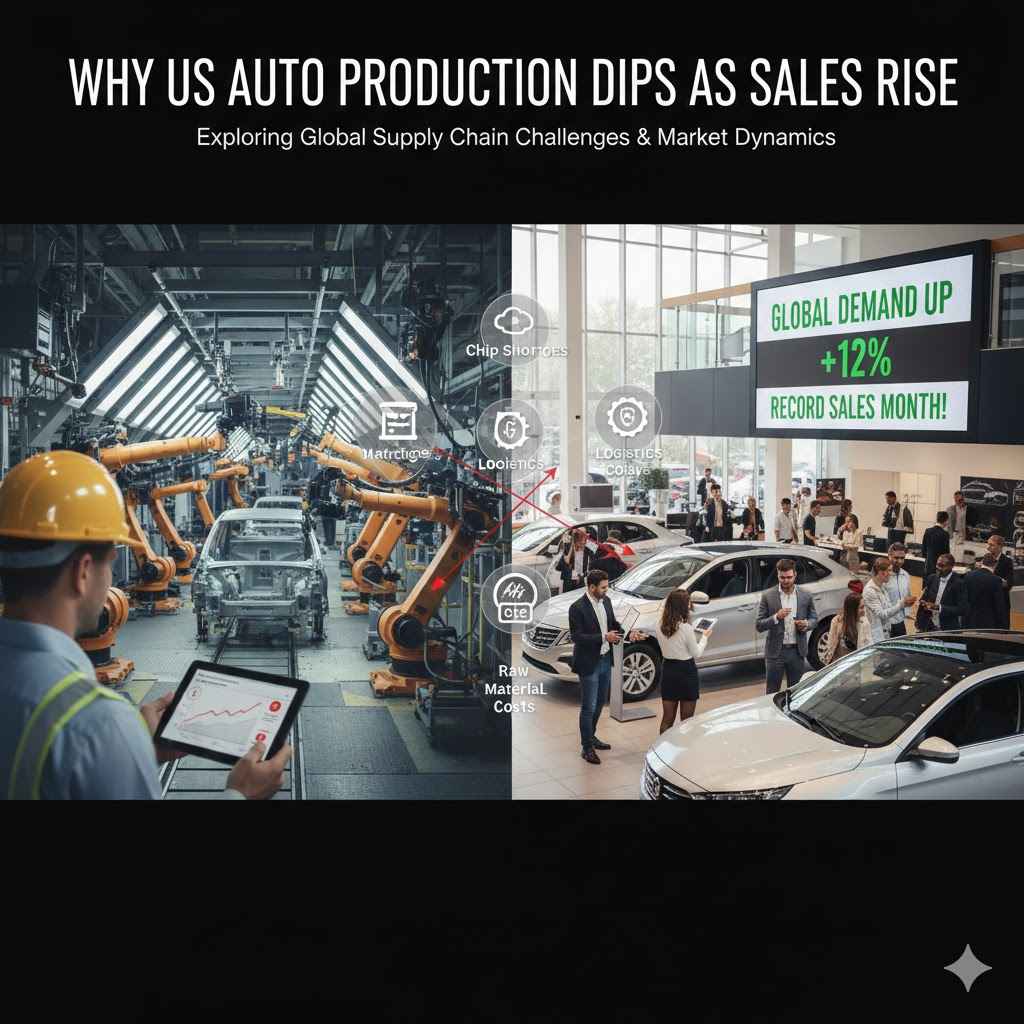
It can be confusing to see that car makers are building fewer vehicles even though more people are buying them. This puzzle is what many folks wonder about when they hear the news. It seems like a contradiction, right?
You might be asking yourself, Why Is US Auto Production Down Despite Rising Sales? This post will break it all down in a simple way. We’ll look at the reasons step-by-step so you can easily grasp what’s happening.
Let’s get started and clear up this question.
Supply Chain Issues Affecting US Auto Production
The main reason for fewer cars being made even with more buyers is the trouble with getting all the parts needed. Think of building a car like baking a cake; you need all the ingredients. If you’re missing one key ingredient, like the eggs, you can’t bake the cake.
The auto industry faces similar problems. This section explains how these delays and shortages stop factories from producing as many cars as they could.
The Global Semiconductor Chip Shortage
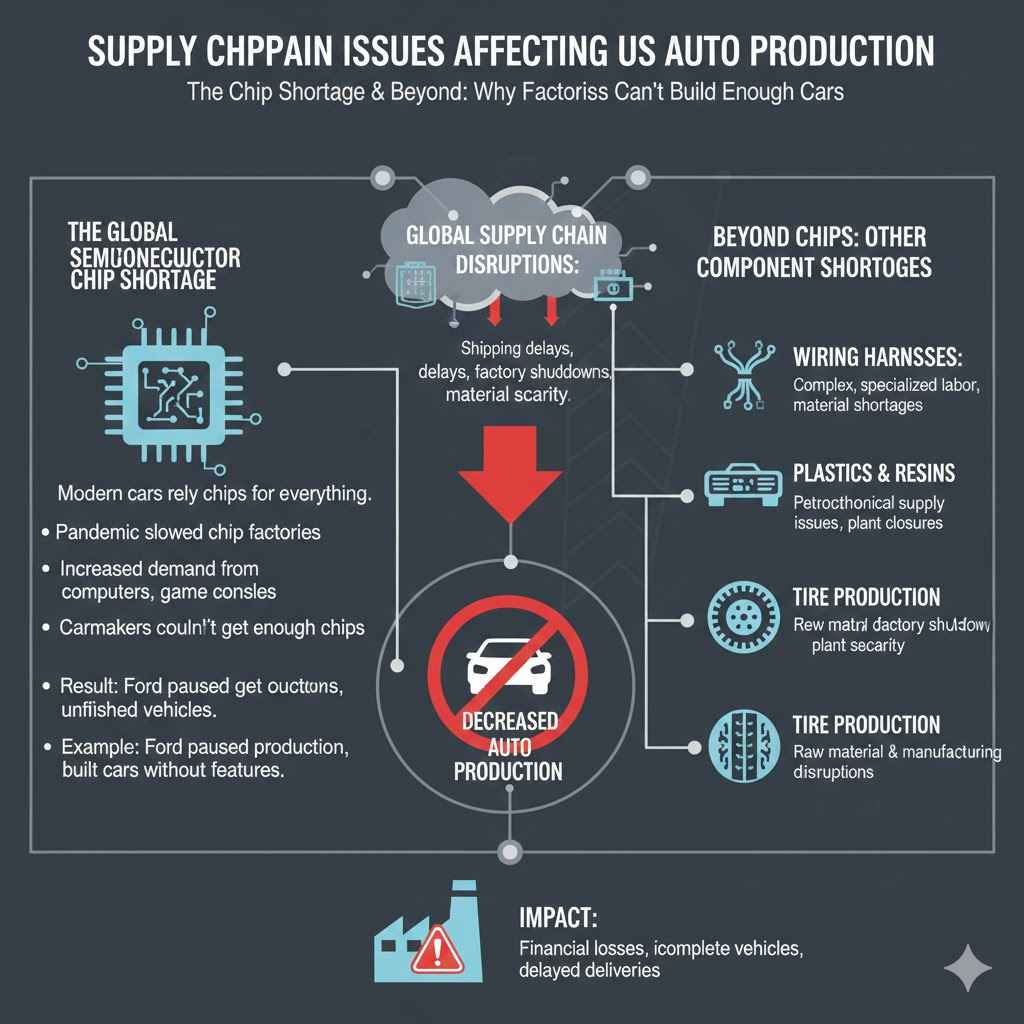
Semiconductor chips are like the brains of modern cars. They control everything from the radio to the engine. The world has been facing a big shortage of these tiny, but super important, parts.
Factories that make chips had to slow down or stop during the pandemic. Plus, demand for chips went up a lot for things like computers and game consoles.
This meant that car companies couldn’t get enough chips for their vehicles. Even if they had all the other parts and workers, they couldn’t finish building cars without these essential components. This chip shortage has been one of the biggest hurdles.
It forced many automakers to cut back on how many cars they produce.
For example, Ford had to pause production at several plants because they ran out of chips. Some models were built without certain features that require chips, and then those features were added later. This shows how critical chips are.
Understanding Semiconductor ChipsSemiconductor chips are made from materials like silicon. They contain millions, or even billions, of tiny switches called transistors. These transistors can be turned on or off, allowing them to perform calculations and store data.
In cars, chips manage engine performance, control safety systems like airbags and anti-lock brakes, power infotainment systems, and enable advanced driver-assistance features. Without them, a car simply wouldn’t function as a modern vehicle. The manufacturing process for these chips is incredibly complex and takes many months, involving highly specialized factories called foundries.
Impact on Production LinesWhen car manufacturers don’t receive their allocated chips, their assembly lines grind to a halt. They might have thousands of partially built vehicles sitting in parking lots, waiting for the missing electronic components. This isn’t just a simple delay; it leads to significant financial losses.
Workers might be sent home, factories incur costs for storing incomplete vehicles, and the overall output drops drastically. Automakers have to make difficult decisions about which vehicles to prioritize based on the limited chip supply they receive, often focusing on their most profitable models.
Demand and Supply MismatchThe demand for consumer electronics, like laptops and smartphones, surged during the pandemic as people stayed home more. These devices also rely heavily on semiconductor chips. Chip manufacturers shifted their production capacity to meet this booming demand from the tech sector.
When the automotive industry tried to ramp up its orders for chips again, they found that chip makers had already committed their production to other industries. This created a significant imbalance where the auto industry’s demand far outstripped the available supply.
Other Component Shortages Beyond Chips
It’s not just chips that are hard to get. Other parts like wiring harnesses, plastics for interiors, and even tires have faced shortages. The global supply chain is a complex web.
When one part of the web is stretched thin, it affects everything else.
Many parts are made in different countries. Shipping delays, factory shutdowns due to local outbreaks of illness, or even unusual weather patterns can all disrupt the flow of components. This means a car might be almost finished, but it can’t leave the factory because a specific rubber seal or a set of headlights isn’t available.
Wiring Harness IssuesWiring harnesses are bundles of wires that connect all the electrical components in a car. They are essentially the nervous system of the vehicle. Producing these harnesses often involves specialized labor and specific materials, some of which are sourced from regions that have experienced manufacturing disruptions.
A shortage of even one type of wire or connector can halt the assembly of multiple vehicle models. Some manufacturers have resorted to building vehicles without certain electronic features to keep production moving, planning to add them later when the parts become available.
Plastic and Resin AvailabilityMany interior and exterior parts of cars are made from plastics and resins. The production of these materials can be affected by global petrochemical supply issues or plant closures. For instance, disruptions at major plastic resin production facilities can lead to shortages that impact everything from dashboards and door panels to bumpers and body components.
This is another example of how a seemingly simple material can become a bottleneck in the complex automotive manufacturing process.
Tire Production and SupplyEven essential items like tires can be in short supply. The manufacturing of tires involves natural rubber, synthetic rubber, and various chemicals. Disruptions in the supply of any of these raw materials, or issues at tire manufacturing plants, can lead to delays.
Automakers need tires to complete vehicles, and a lack of them can leave finished cars stranded at the factory, unable to be shipped to dealerships.
Shifting Production Strategies
Car companies are changing how they operate. They are trying to find new ways to get parts and build cars more efficiently. This involves working with different suppliers and even redesigning some parts.
Some companies are also focusing on building fewer vehicle types or models to simplify production. By concentrating on what they can make with the parts they have, they aim to keep some assembly lines running. This helps them meet some customer demand and keep their businesses going.
Prioritizing High-Margin Vehicles
When parts are scarce, car makers often choose to build the vehicles that make them the most money. This means they might build more trucks and large SUVs than smaller, less expensive cars. Even though overall production numbers might be lower, the profit from each vehicle sold is higher.
This strategy helps companies stay financially healthy during tough times. It allows them to cover their costs and invest in future production solutions. However, it also means fewer affordable options might be available for buyers looking for smaller, more fuel-efficient cars.
Profitability FocusLuxury vehicles and trucks typically have higher profit margins for automakers compared to economy cars. During periods of limited component availability, manufacturers strategically allocate scarce resources, including chips and other parts, to the production of these higher-margin vehicles. This ensures that their factories are generating the most revenue and profit possible with the constrained output.
It’s a business decision aimed at survival and continued operation rather than maximizing the sheer volume of units produced.
Impact on Consumer ChoiceThis prioritization can lead to a reduced selection of certain vehicle types for consumers. If a company is focusing on building SUVs, they might have fewer sedans or compact cars available on the market. This can limit choices for buyers, especially those on a tighter budget who are looking for more affordable transportation options.
Dealership lots might be filled with the company’s most profitable models, making it harder to find alternatives.
Just-in-Case Inventory vs. Just-in-Time
For years, car companies used a “just-in-time” system. This meant they only kept enough parts on hand for immediate production needs to save money. But when supply chains broke down, they realized this wasn’t flexible enough.
Now, some are moving towards a “just-in-case” approach, keeping more parts in stock to buffer against future disruptions.
This shift requires significant investment in warehousing and inventory management. However, it can prevent assembly lines from stopping completely when a single part is delayed. It’s a trade-off between cost savings and resilience.
The Just-in-Time Model ExplainedThe “just-in-time” (JIT) manufacturing philosophy aims to reduce waste and inventory costs. Under JIT, parts and materials arrive at the assembly line precisely when they are needed for production. This minimizes the need for large warehouses and reduces the capital tied up in inventory.
While efficient in stable times, JIT systems are highly vulnerable to disruptions. A single delay in transportation or a problem at a supplier’s factory can halt an entire production line very quickly.
The Rise of Just-in-CaseIn response to recent global supply chain shocks, automakers are adopting a “just-in-case” strategy. This involves holding larger buffer stocks of critical components, even if it increases storage costs. The goal is to have enough parts on hand to continue production for a certain period even if there are unexpected interruptions.
This provides a cushion against shortages caused by natural disasters, geopolitical events, or unexpected surges in demand for specific parts, like the semiconductor chips.
Increased Demand and Consumer Behavior
Even though production is down, people still want cars. This high demand plays a big role in why the situation seems confusing. When demand is strong and supply is weak, prices tend to go up, and it feels like more people are buying because the available cars sell out quickly.
The desire for new vehicles remains high for many reasons. People need transportation, and many existing cars are getting older and require replacement. Economic conditions, such as low interest rates on loans at certain times or government incentives, can also boost consumer interest in buying cars.
Pent-Up Demand After Disruptions
During the peak of supply chain problems, many potential car buyers had to wait months or even years for their new vehicles. Some may have put off purchases altogether. As these supply issues begin to ease slightly, or as people adapt to longer wait times, this “pent-up demand” is being released.
This means a lot of people who wanted cars earlier are now actively trying to buy them.
This surge in buying interest, combined with the limited number of cars being produced, creates a scenario where dealerships have fewer cars on their lots. When cars do arrive, they often sell very quickly. This can give the impression that sales are booming, even though the factories aren’t producing at full capacity.
The Waiting GameMany consumers experienced lengthy delays when trying to order new vehicles. This frustration led some to postpone their purchase plans. Others may have switched to looking for used cars, further increasing demand in that market.
When the situation improved enough to allow for more vehicle orders and deliveries, this backlog of deferred purchases began to surface, contributing to high demand.
Impact of Vehicle LifespansThe average age of vehicles on the road has been increasing. As cars get older, they often require more maintenance and repairs, eventually leading owners to consider purchasing a new vehicle. This natural cycle of vehicle
Impact of Used Car Prices
When new cars are hard to find or too expensive, people often turn to the used car market. This increased demand for used cars drives up their prices. As used cars become more expensive, buying a new car, even with its own challenges, starts to look more appealing again.
This can further contribute to the demand for new vehicles.
This dynamic creates a feedback loop. Limited new car production means higher used car prices. Higher used car prices make new cars seem more attractive, increasing demand for new cars, which then strains the already limited production capacity.
Used Car Market BoomThe scarcity of new vehicles directly fueled a significant rise in used car prices. With fewer new cars available and a continued need for personal transportation, consumers flocked to the used car market. This surge in demand, coupled with a limited supply of trade-in vehicles, caused prices for pre-owned cars to skyrocket.
Some used cars were selling for more than their original purchase price.
New Car Affordability Re-evaluationAs used car prices climbed to unprecedented levels, the price difference between a new car and a used car narrowed considerably. For many consumers, the premium they would have to pay for a used vehicle began to approach the cost of a new one. This made purchasing a new car, despite potential wait times and limited availability, a more financially viable option for some buyers, thereby boosting demand for new vehicles.
Government and Economic Factors
Economic policies and global events also play a part. For example, government stimulus programs can increase consumer spending power, leading to more car purchases. Trade policies and tariffs can affect the cost of imported parts.
The overall health of the economy influences how much people are willing and able to spend on big purchases like cars. When the economy is strong, car sales tend to be higher. When it’s uncertain, people might hold back.
Inflation and Interest Rates
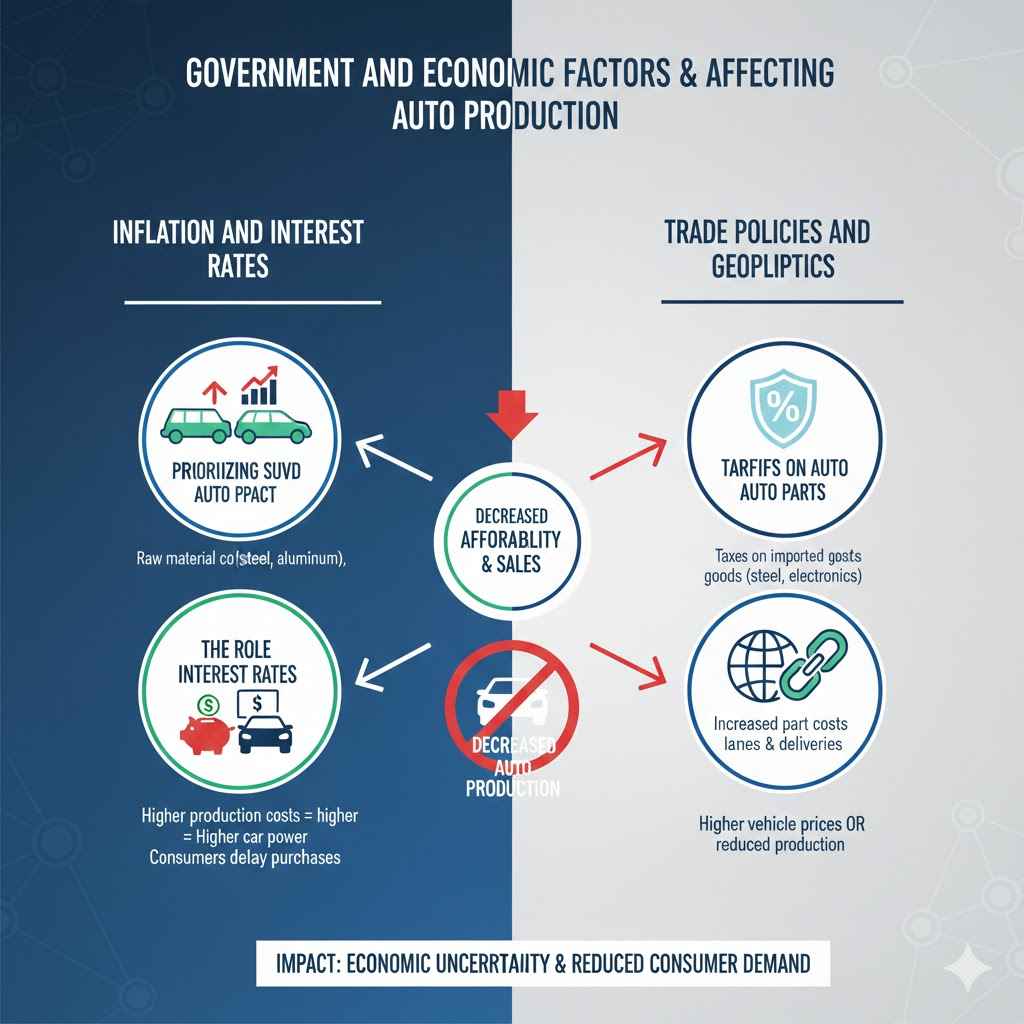
Inflation means that prices for everything, including cars and the materials to build them, go up. Higher interest rates on car loans also make buying a car more expensive. Both of these factors can affect how many cars people can afford to buy.
While demand might be high, affordability can become a limiting factor if prices rise too quickly or if borrowing costs become too steep for many consumers. This can lead to a disconnect between people who want a car and people who can realistically buy one.
Inflation’s Broad ImpactInflation affects the cost of raw materials like steel, aluminum, and plastics, as well as energy needed to run factories. It also increases the cost of labor. These rising production costs are often passed on to consumers in the form of higher sticker prices for vehicles.
Furthermore, general inflation impacts consumers’ overall purchasing power, meaning their money doesn’t go as far, which can make affording a new car more challenging.
The Role of Interest RatesA significant portion of car purchases are financed through loans. When central banks raise interest rates to combat inflation, the cost of borrowing money increases. This translates to higher monthly payments for car loans, making vehicles less affordable.
Consumers who might have been ready to buy may delay their purchase if the monthly payments become too high due to increased interest rates.
Trade Policies and Geopolitics
International trade agreements, tariffs on imported goods, and political tensions between countries can all impact the automotive industry. These factors can affect the cost and availability of parts sourced from different nations.
For instance, if a country imposes tariffs on car parts imported from another country, the cost of those parts increases. This could force automakers to seek more expensive alternatives or pass the costs to consumers. Geopolitical events can also disrupt trade routes and supply chains.
Tariffs on Auto PartsTariffs are taxes imposed on imported goods. If a country places tariffs on auto parts, such as steel, tires, or electronic components, imported from a specific nation, the cost of those parts rises for the automaker. This can lead to either reduced production as companies try to absorb the cost or higher vehicle prices for consumers to cover the tariff expense.
Such policies can disrupt established supply chains and force manufacturers to find new, potentially more expensive, suppliers.
Global Supply Chain VulnerabilityThe automotive industry relies on a highly interconnected global supply chain. Political instability, conflicts, or trade disputes in any part of the world can have ripple effects. For example, a regional conflict could disrupt shipping lanes, affecting the delivery of components.
Similarly, trade wars can lead to retaliatory tariffs, making it more costly and complicated to source parts internationally, ultimately impacting production capacity and pricing.
Frequently Asked Questions
Question: Why are there fewer cars being made even if people want to buy them
Answer: Fewer cars are made because of supply chain problems, especially a shortage of computer chips and other parts. Even though demand is high, factories can’t get all the materials they need to build as many cars as before.
Question: What is the main reason for the shortage of car parts
Answer: The biggest reason is the global shortage of semiconductor chips, which are essential for modern car functions. Other factors include disruptions in manufacturing, shipping delays, and a high demand for these parts from other industries.
Question: How do supply chain issues affect car production
Answer: Supply chain issues mean car factories don’t get the parts they need on time. This forces them to slow down or stop production lines, leading to fewer cars being built. It’s like a puzzle with missing pieces.
Question: Are car companies building more expensive cars instead of cheaper ones
Answer: Yes, when parts are scarce, car companies often focus on building vehicles that make them more profit, like trucks and SUVs. This means fewer affordable cars might be available for buyers.
Question: Will this situation last forever
Answer: While the exact timeline is hard to predict, the situation is expected to improve as supply chain issues ease and production capacity increases. However, it may take some time for things to return to normal levels.
Summary
The question of Why Is US Auto Production Down Despite Rising Sales is answered by a mix of global supply chain woes, particularly chip shortages, and shifts in production strategy. High consumer demand, fueled by pent-up needs and rising used car prices, continues to drive sales. Economic factors like inflation and interest rates also play a role.
By understanding these interconnected issues, we see a clearer picture of the auto market’s current state.