Can You Get Into Automotive Tech Without a Degree?
Most automotive technician jobs do not require a college degree. The fastest credible routes are entry-level lube or tire work, dealer or manufacturer apprenticeship, or a short vocational certificate followed by ASE-aligned training. Choose the wrong route and you can waste money on low-value programs, slow your hiring timeline, or reach a shop without the safety and diagnostic basics employers expect. This guide compares the quickest paths, costs, timelines, and which option fits different learning styles.
Can you get into automotive tech without a degree?

A college degree is usually not required for automotive technician jobs, and a high school diploma or GED is often expected. Employers usually care more about whether you can follow safety rules, use basic tools, learn diagnostics, and show up ready for hands-on work than about four-year academic credentials.
Degree, diploma, certificate, and certification are not the same
A degree is a college credential. A diploma or certificate usually comes from trade school or vocational training. Certification is different again: it is a credential that shows skill in a specific area, such as ASE certification or a manufacturer training badge. Mixing those up leads to bad decisions about time and money.
For hiring, the order usually matters. Many employers want a diploma or GED first, then proof of basic mechanical ability, then shop experience or training, and only later outside credentials. Some shops will hire with almost no formal training if you can start in a helper role and learn fast.
What an entry-level automotive technician actually does
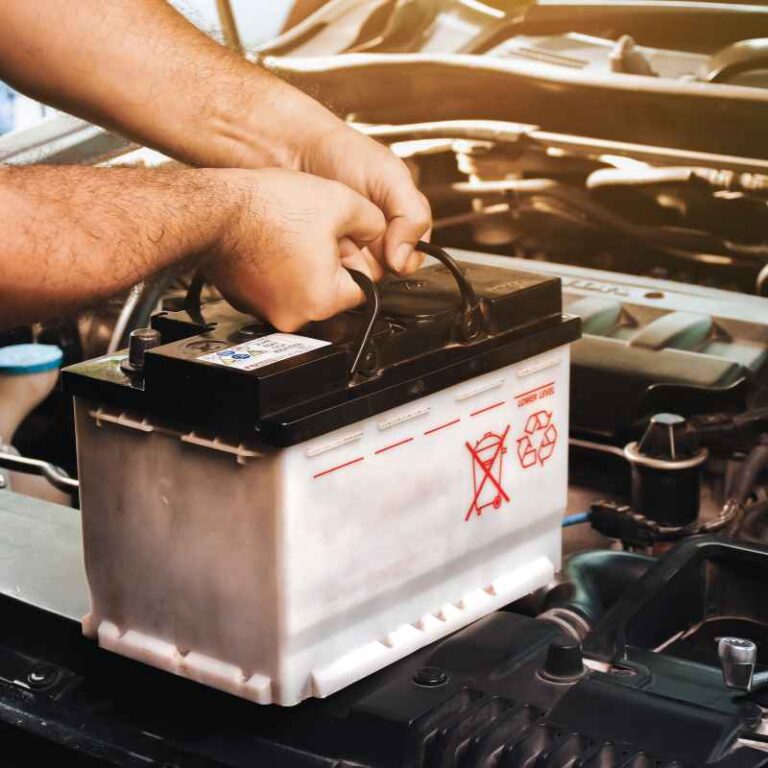
An entry-level automotive technician handles basic diagnosis, maintenance, repairs, and safety checks. That can mean oil changes, tire rotations, battery testing, brake inspections, fluid checks, filter replacement, and helping a senior tech with simple fault tracing. The work is physical, repetitive, and detail-sensitive.
Picture a compact sedan that comes in with a low tire-pressure light and a squeal during braking. A starter tech may inspect tread wear, check tire pressure, look for a nail, measure brake pad thickness, and report findings to a foreman or service advisor before any deeper repair begins.
Where the work differs in shops, dealerships, and fleets
Independent repair shops often want flexible people who can help with many kinds of jobs. Dealerships may offer more structured training and brand-specific systems, but they can screen harder for procedure and documentation. Fleet work often favors consistency, safety, and fast turnaround on service vehicles.
Quick-lube and tire chains usually hire for speed, reliability, and basic service habits. That makes them a common first step, but the work may be narrow. A later move into general service or diagnostic work often depends on how well you document your progress and learn the next set of tasks.
Safety basics you need on day one
Safety is part of the job, not an extra. New hires should know PPE basics, lift safety, jack stand use, and hazard awareness around hot exhaust parts, pressurized systems, and moving vehicles. Shops expect you to keep fingers clear, verify support before going under a vehicle, and follow lockout habits when needed.
Bad safety habits can end a hiring conversation fast. A candidate who is careless around a jack, ignores eye protection, or skips torque checks may be seen as a liability before the first wrench turns.
Which path into auto tech fits your budget and timeline?

The quickest route depends on how soon you need paychecks, how much cash you can spend at the start, and how you learn best. Self-study plus an entry-level shop job is usually the cheapest and fastest start, while trade school and manufacturer programs can cut guesswork and give you more structured training.
Self-study plus entry-level shop job
This route works for people who need to earn while learning. You study basic systems at home, apply for lube tech, tire tech, or lot helper roles, and build shop experience through repetition. The downside is that your learning can be uneven unless a senior tech or manager gives you real feedback.
Apprenticeship
An apprenticeship is a paid learning model built around shop mentorship. It can shorten the time to competency because you learn in the exact environment where you will work. The tradeoff is that availability varies by region, and hiring may be selective if the shop wants a candidate who can stay for the long run.
Trade school or vocational program
Trade school gives you a structured certificate or diploma, plus lab time on common systems. That helps if you learn best with schedules, instructors, and repeat practice. It is not required for every shop, but it can help with confidence, tool use, and basic diagnostic flow before your first day.
Manufacturer program
Manufacturer programs are aimed at brand-specific training and often connect students to dealership hiring. These programs can be strong for someone who wants to work on one brand and learn its procedures early. The hidden cost is that your skills may be more brand-centered than general at the start.
Decision matrix: four no-degree routes compared
| Path | Estimated cost | Typical time to first job | Likely first role | Common hidden barriers |
|---|---|---|---|---|
| Self-study plus entry-level shop job | Low to moderate: tools, PPE, uniforms, books, and basic training purchases | Fastest for many applicants, often as soon as a shop hires | Lube tech, tire tech, helper, lot attendant | No driver’s license, no tools, weak interview habits, no proof you can learn safely |
| Apprenticeship | Low direct tuition; tools and PPE still cost money | Fast if a shop is hiring; skill growth depends on mentor quality | Apprentice tech, lube tech, shop helper | Limited openings, inconsistent mentorship, employers wanting long-term commitment |
| Trade school or vocational program | Moderate to high: tuition, fees, tools, PPE, uniforms | Moderate; training first, job search after or during school | Entry-level general service tech, lube tech, trainee | Tuition burden, weak lab-to-shop transition, graduates with no real repair exposure |
| Manufacturer program | Moderate; tuition may be reduced, but tools and living costs remain | Moderate; brand training first, dealership placement after | Dealer trainee, manufacturer-track apprentice | Brand-specific screening, relocation or schedule demands, narrow training scope |
Startup costs are easy to underestimate. A beginner usually needs basic hand tools, a scan tool, a torque wrench, PPE, and uniforms. Trade school or certification prep adds tuition, lab fees, and exam fees. That is why the cheapest path is not always the best fit for a person who needs a fuller training structure.

What certifications and licenses do you need first?
Most entry-level auto jobs do not require a long list of certifications, but some credentials help you move faster. ASE certification is voluntary, and a driver’s license is often a practical hiring filter because many jobs involve moving vehicles, road tests, or test-drive duties.
ASE certification basics
ASE certification is a voluntary industry credential that signals tested knowledge in specific areas. For beginners, it is most useful as a credibility marker once you have some shop experience or structured training. It is not a substitute for hands-on ability, but employers recognize it.
Entry-level candidates usually look at ASE areas connected to brakes, maintenance, and engine repair fundamentals. Those tests can help you show that you understand the core systems a starter technician sees every day. They matter more when paired with actual shop work than as stand-alone paper credentials.
Driver’s license expectations
A valid driver’s license is often required because some employers need techs to pull cars in and out of the shop, road test repairs, or travel between work areas. Without one, you may be screened out even if you can turn wrenches. That is a common failure point for no-degree applicants.
When manufacturer training matters
Manufacturer training matters most if you want dealership work or a brand-focused career path. It can help you learn factory procedures, scan tools, and service information earlier than a general path might. It also tends to pair well with entry-level roles that lead into brand-specific progression.
How do you get your first auto tech job with no experience?
Start with roles built for beginners: lube tech, tire tech, general service tech, or shop helper. These jobs let you build routine, learn safety habits, and prove reliability. A service advisor-adjacent role can also help if it puts you near estimates, workflow, and customer communication.
Best starter roles
- Lube tech: oil changes, filters, fluid checks, basic inspections, and fast turnaround work.
- Tire tech: mounting, balancing, rotations, pressure checks, and basic wheel service.
- General service tech: light maintenance, brake service, batteries, and simple diagnostics.
- Shop helper or lot attendant: moving vehicles, cleaning bays, stocking parts, and supporting senior techs.
How to show shop experience on a resume
If you have no paid auto background, list any hands-on work that proves discipline: school labs, volunteer repairs, farm equipment help, small-engine work, parts-store knowledge, or mechanical club projects. Be specific about what you touched, what tools you used, and what systems you learned.
A common first-timer mistake is writing “mechanically inclined” with no proof. A stronger line is “performed tire rotations, brake inspections, and fluid checks under supervision” if that is true. Hiring managers want evidence, not slogans.
What tools and gear to buy first
Start with basic hand tools, a torque wrench, a decent scan tool if budget allows, and PPE. Do not try to buy a full professional set on day one. Build in stages as the shop shows you which sizes and specialty tools you will actually use.
That initial set can cost a few hundred dollars at the low end and can cost much more as the collection grows. Uniforms, gloves, eye protection, and boots also add up. Those costs matter because they can turn a “cheap” route into a real monthly expense.
- Get a high school diploma or GED if you do not already have one.
- Apply for lube, tire, helper, or apprentice openings first.
- Buy only the tools and PPE your shop expects on day one.
- Document every task you learn for your resume.
- Use early shop time to build toward ASE or manufacturer training.
What skills help you move up faster?
The strongest entry-level candidates combine safe habits, tool control, basic diagnostics, and clear communication. Shops can teach a lot, but they move faster with people who can follow procedure, keep track of parts, and explain what they found without guessing. That is how lube work becomes general service work.
Basic mechanical and diagnostic skills
You do not need to know everything, but you should understand brake wear, tire condition, fluid levels, battery testing, belts, hoses, and warning lights. Knowing how to read a scan tool, confirm a complaint, and separate symptoms from causes helps you grow into diagnostic work later.
Tool handling and torque habits
Tool control matters because stripped fasteners and loose wheels create expensive problems. Use the right size socket, clean fasteners before assembly, and torque critical items to spec. That habit is one of the fastest ways to build trust in a shop.
Communication and paperwork in the service lane
Automotive work is not only wrench work. You also need to write clear notes, report what you found, and avoid promising repairs you have not confirmed. In dealership and fleet settings, that paper trail matters because it affects billing, parts ordering, and follow-up.
What is the cheapest path into automotive repair?
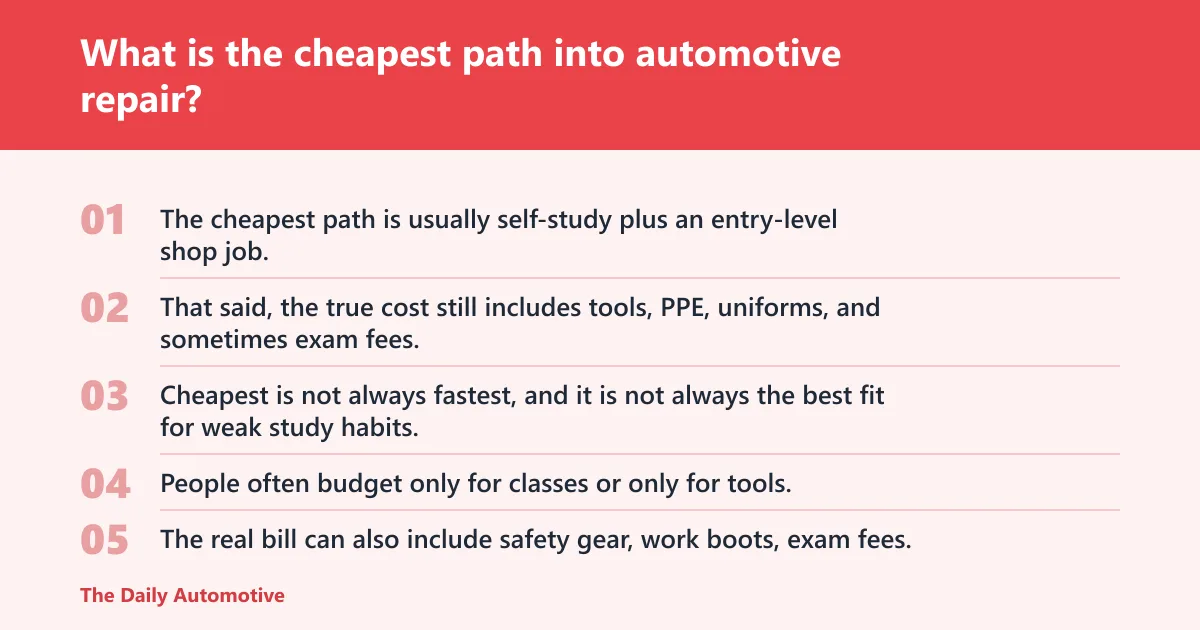
The cheapest path is usually self-study plus an entry-level shop job, because it avoids tuition and lets you earn while you learn. That said, the true cost still includes tools, PPE, uniforms, and sometimes exam fees. Cheapest is not always fastest, and it is not always the best fit for weak study habits.
Where the hidden costs show up
People often budget only for classes or only for tools. The real bill can also include safety gear, work boots, exam fees, and transportation to work. If you need a driver’s license before a shop will hire you, that can be a separate cost and delay.
When paying for school makes sense
Trade school makes sense when structure matters more than speed, or when local employers favor graduates from a known program. It can also help candidates who want lab practice before stepping into a live shop. The key is choosing a program with real hands-on time and job placement support.
Frequently asked questions
Can you become an automotive technician without a degree?
Many automotive technician jobs do not require a college degree, especially entry-level roles in quick-lube, tire, independent repair, fleet, or dealership service departments. Employers usually care more about basic mechanical skill, safety habits, reliability, and the ability to learn on the job than about a four-year degree.
What certifications do you need to work in automotive tech?
No certification is universally required for every entry-level job, but ASE certification can help once you have some training or shop time. Manufacturer training matters in dealership paths, and specific service credentials can help in brakes, oil change, or tire roles. A driver’s license is often more important at the start.
Is trade school required to become an auto mechanic?
No. Trade school is helpful, but it is not required for every path into automotive repair. Some people start in entry-level shop roles and learn through apprenticeship or self-study. Others use school to get lab practice and faster exposure to diagnostics before they apply for jobs.
How long does it take to become an automotive technician?
It depends on the path. A person can get hired quickly in a starter role, then grow into better positions over months or years. Trade school adds structured time up front, while apprenticeship and on-the-job learning spread training out over a longer period.
What skills matter most for entry-level automotive tech jobs?
Safety habits, basic mechanical knowledge, tool handling, clear communication, and a willingness to learn matter most. Employers also want people who can follow instructions, document work correctly, and handle simple inspections without rushing. Good attitude helps, but safe and repeatable work keeps you employed.
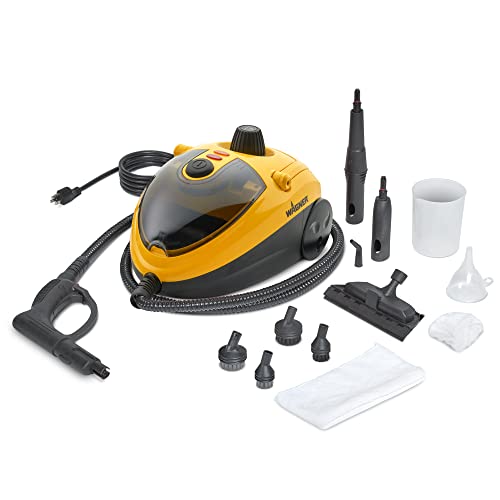
Products related to this article
Sponsored / affiliate links. As an Amazon Associate I earn from qualifying purchases. I may earn additional commission from eligible campaigns.