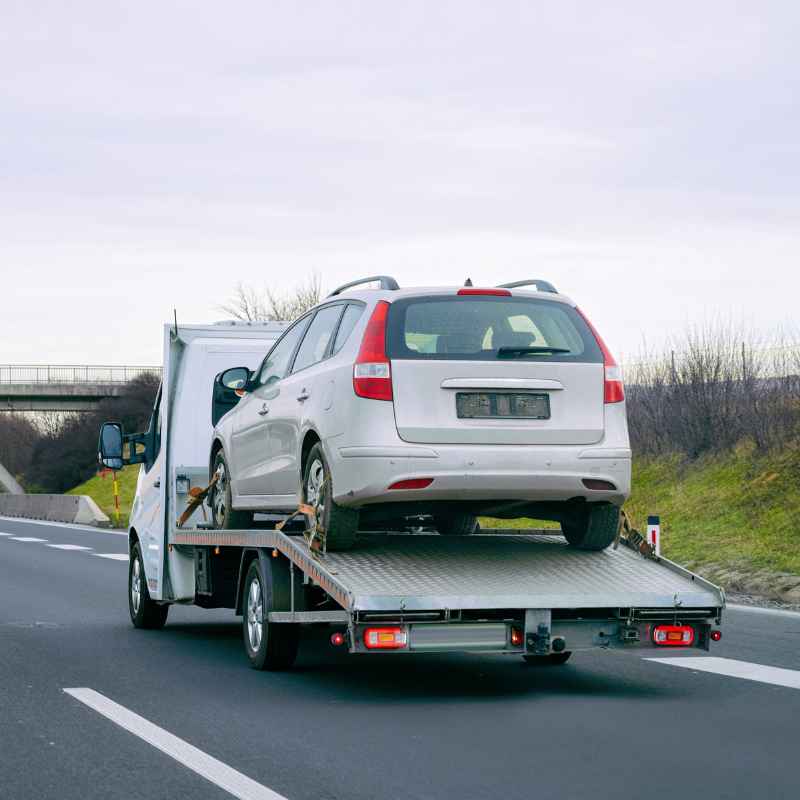
Will Carmax Tow My Car? Here’S Exactly What They Offer
It’s a question many people ponder when buying a car, especially from a large dealership like CarMax. You’ve found the perfect car, signed the papers, and now you’re wondering about the journey home. Will they help if something goes wrong right away?
Specifically, will CarMax tow my car? It’s a valid concern, and understanding their policies can save you a lot of stress and potential unexpected costs. Let’s dive into what CarMax offers when it comes to getting your newly purchased vehicle safely to your destination or a service center.
CarMax does not typically offer towing services for vehicles purchased from their lots, nor do they provide roadside assistance as part of a standard purchase agreement. If you encounter an issue immediately after purchase, you will need to arrange for towing yourself. It is advisable to have a plan in place for transportation before you finalize your purchase.
Understanding CarMax’s Vehicle Handover Process
When you buy a car from CarMax, the experience is usually quite smooth. You pick out your car, complete the financing and paperwork, and then you drive it off the lot. That’s the standard procedure.
They want you to be happy and confident in your new vehicle. They’ve inspected it thoroughly, and they stand behind their cars with their MaxCare warranty options. However, this handover process doesn’t usually include a tow truck waiting for you, just in case.
Think of it like this: CarMax is a retailer. They sell you a product, and then you are responsible for that product once you take possession. They’ve done their part to ensure the car is in good working order.
Their commitment typically extends to the warranty they offer. If something breaks down later, their warranty might cover repairs. But getting it to the repair shop is usually on you.
This is a common practice for most car dealerships.
So, when you drive off the CarMax lot, you are driving that car under your own power and responsibility. This means you are responsible for any immediate issues that may arise during the drive home. It’s essential to be prepared for this.
We’ll explore what this means for you and what steps you can take to ensure a safe journey home with your new car.
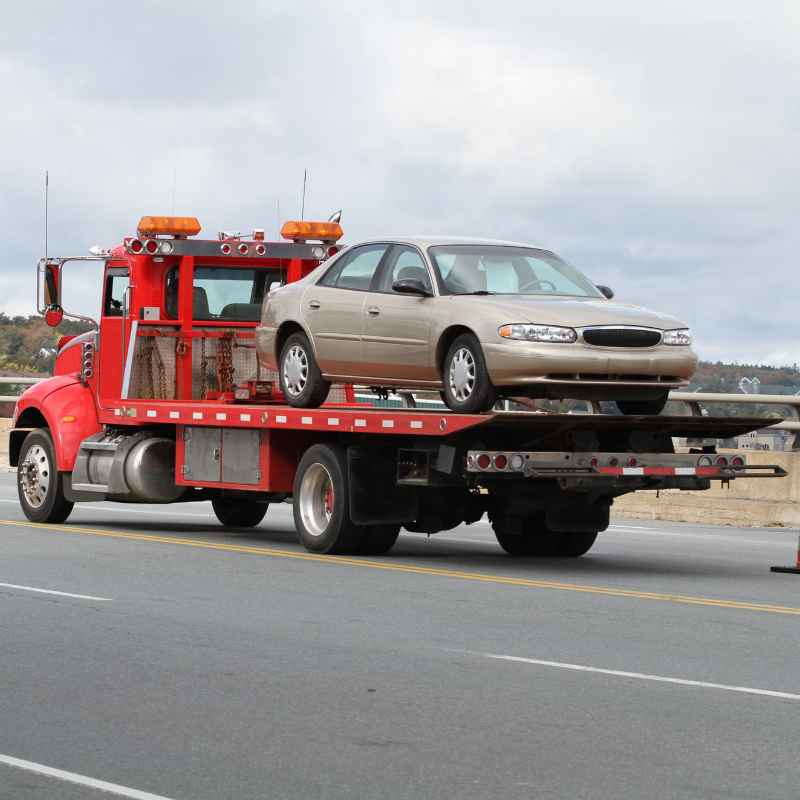
My First “Oh No” Moment with a New Car
I remember it vividly. I had just bought a used SUV from a dealership, not CarMax, but a similar large operation. It was a Friday evening, the sun was setting, and I was buzzing with excitement.
The car looked fantastic, had passed all my checks, and the paperwork was done. I drove it for about ten miles, feeling great, singing along to the radio. Then, on a busy highway, a strange light flickered on the dashboard.
It wasn’t a bright, flashing red one, but a persistent yellow symbol I didn’t immediately recognize.
My stomach dropped. My mind immediately raced. What was that light?
Was the car going to break down? Stranded on the side of the road on a Friday night felt like a nightmare scenario. I didn’t know the dealership’s towing policy, and honestly, in my excitement, I hadn’t even thought to ask.
I pulled over at the next exit, heart pounding. I Googled the dashboard light frantically on my phone. Thankfully, it turned out to be a minor sensor issue.
But the panic I felt was real. I had visions of having to call a tow truck, pay for it myself, and then deal with getting the car back to the dealership. It was a stressful hour spent in a quiet, slightly grimy gas station parking lot.
That experience taught me a valuable lesson. Even with a car that seems perfect, unexpected things can happen the moment you drive it away. It’s not always a catastrophic failure, but that feeling of uncertainty and the potential for a costly towing bill is unnerving.
It made me realize how crucial it is to understand exactly what happens after you sign the dotted line, especially regarding roadside assistance and towing. This is precisely why knowing CarMax’s stance on towing is so important for buyers.
CarMax’s Warranty and What It Covers
While CarMax doesn’t offer towing as part of the purchase, they do have a significant focus on the car’s condition after you buy it. This comes in the form of their limited warranty and the optional MaxCare extended service plan. Understanding these is key to knowing what protection you have if something goes wrong, even if you have to arrange the tow yourself.
Every CarMax vehicle comes with a 30-day/1,000-mile limited warranty. This is a fundamental safety net. It covers many repairs that might be needed due to a defect in the vehicle’s parts or workmanship.
If your car suddenly develops a serious mechanical issue that is covered by this warranty within that period, CarMax will cover the repair costs at an authorized service center. This is a big deal and gives you some breathing room. It’s designed to catch many of the things that might have been missed during their initial inspection.
Then there’s MaxCare. This is their optional extended service plan. It’s like an insurance policy for your car’s mechanical health.
MaxCare plans can extend coverage for many years and miles beyond the initial limited warranty. They offer various levels of coverage, often mimicking manufacturer warranties. If you opt for MaxCare and your car has a covered breakdown, the warranty will pay for the repairs.
However, and this is the crucial part again, MaxCare typically does not include free towing. You would still need to arrange and pay for the tow to the repair facility. The warranty covers the repair itself, not the transportation to get it there.
This distinction is vital. It means that even with the best warranty, you should still factor in the possibility of needing to pay for a tow. It’s a small but significant detail that can save you a surprise bill on what should be a happy car-buying day.
So, while their warranty is a strong point, it doesn’t negate the need for a towing plan.
What About CarMax’s “Love It or Return It” Policy?
CarMax is known for its customer-friendly policies, and their “Love It or Return It” guarantee is a big part of that. This policy allows you to return a vehicle within 30 days if you decide it’s not the right fit for you. This is different from a warranty issue, which deals with mechanical problems.
The “Love It or Return It” is about buyer’s remorse or simply finding out the car doesn’t suit your lifestyle.
If you decide to return the car under this policy, you are responsible for getting it back to the CarMax store where you purchased it. CarMax does not provide transportation for returns. So, if you live far from the store, or if you’ve already driven the car a significant distance, you’ll need to arrange a way to bring it back.
This might involve asking a friend for a ride, renting a car, or yes, hiring a tow truck if the car is undrivable or you don’t feel safe driving it back.
This policy, while excellent for giving you flexibility, also highlights the fact that CarMax’s responsibility generally ends with the sale of the vehicle and the promise of their limited warranty. They facilitate the return process by accepting the car back, but they don’t manage the logistics of getting it back to them. It underscores the importance of having a transportation plan ready for any scenario, including a return.
So, while the “Love It or Return It” policy is a fantastic benefit, it doesn’t include a complimentary tow. It’s about your satisfaction with the vehicle itself, not about the dealership providing transport if you change your mind or if the car has issues. Always keep this in mind when you’re making your purchase decision and planning your drive home.
Key Takeaways on CarMax Support
Warranty: Every car has a 30-day/1,000-mile limited warranty for covered repairs. This is automatic.
MaxCare: Optional extended service plans can cover repairs for much longer. You buy this separately.
Towing: Neither the standard warranty nor MaxCare typically includes free towing. You pay for the tow truck.
Returns: If you return a car under the “Love It or Return It” policy, you must bring it back yourself. No free transport.
When Does a Tow Become Necessary?
Let’s face it, most people buy a car and drive it home without a hitch. It’s a joyous occasion! But sometimes, a tow truck is indeed necessary.
When might this happen with a car bought from CarMax? The most common scenarios involve immediate mechanical failures or issues that make the car unsafe to drive.
Imagine you drive off the lot, and within the first few miles, the transmission starts acting up. It’s making terrible noises, or it’s refusing to shift gears properly. In such a case, driving it further could cause more damage.
It’s also extremely unsafe. That’s a clear situation where a tow is needed. You wouldn’t want to risk a breakdown in traffic or cause more extensive, expensive damage to the car.
Another scenario could be related to the brakes. If you notice an immediate, severe problem with your brakes – they feel spongy, or they aren’t stopping the car effectively – you absolutely should not drive it. This is a critical safety issue.
A tow truck would be the only sensible option to get the car to a service center for immediate inspection and repair. Similarly, if the steering feels dangerously loose or unresponsive, or if there’s a significant fluid leak that appears immediately, you’ll need to stop driving and get it towed.
Sometimes, even if a car seems to run, there can be hidden electrical gremlins that manifest right away. A car that won’t start after you’ve driven it a short distance, or a car that experiences sudden, complete electrical failure (lights out, engine dies) could also warrant a tow. These are not minor inconveniences; they are potentially serious issues that make the car undrivable and unsafe.
The key here is to trust your instincts. If something feels drastically wrong with the car’s performance, safety, or basic operation right after you buy it, it’s better to be safe than sorry. Don’t push your luck.
A tow might seem like an added expense, but it’s often cheaper than the damage caused by trying to drive a car with a serious, immediate problem.
What If My Car Breaks Down on the Way Home?
So, you’ve driven your newly purchased CarMax vehicle for a few miles, and disaster strikes. The engine sputters and dies, or a critical warning light flashes, and you can’t continue safely. What’s the protocol?
Since CarMax generally doesn’t provide towing, your first step is to ensure your own safety.
First, try to get the car as far off the road as possible. If you’re on a busy highway, pull over onto the shoulder. Turn on your hazard lights immediately.
If it’s dark or visibility is poor, make sure your interior lights are also on if the battery allows. Assess the situation: Is it safe to stay in the car? If you’re on a busy road with fast traffic, it’s often safer to exit the vehicle and stand well away from the roadway, preferably behind a guardrail if one is available.
Once you are safe, you need to arrange for a tow. This is where having a plan is crucial. Do you have a roadside assistance plan through your auto insurance?
Many insurance policies include some form of roadside assistance, which covers towing up to a certain distance. If you have this, this is the time to call your insurance provider.
If you don’t have roadside assistance through your insurer, you’ll need to call a local towing company directly. You can do this using your smartphone. Search online for “towing services near me.” Be prepared to provide your location, a description of your vehicle, and the problem it’s having.
You’ll also need to tell them where you want the car towed – usually back to the CarMax dealership where you bought it, or to a trusted mechanic if you have one.
You will be responsible for paying the towing company directly. Get a quote over the phone if possible, and ask about their pricing structure. Keep all receipts for towing and any immediate repairs.
If the issue is indeed covered by CarMax’s limited warranty or your MaxCare plan, these receipts will be vital for your reimbursement claim. Documenting everything is essential.
It’s also a good idea to contact the CarMax dealership that sold you the car. Let them know what happened. They may be able to offer advice, although they won’t be dispatching a tow truck for you.
They will need to know if you’re bringing the car back for warranty service.
Immediate Steps for a Breakdown
Safety First: Pull over safely, turn on hazard lights. Exit the vehicle if unsafe to stay inside.
Call for Help: Contact your auto insurance provider for roadside assistance, or find a local towing company.
Destination: Decide if the car goes back to CarMax or another repair shop.
Payment: Be prepared to pay for the tow yourself initially.
Documentation: Keep all receipts for towing and repairs for warranty claims.
Notify CarMax: Inform the dealership of the breakdown and the car’s location.
Considering Third-Party Roadside Assistance
Given that CarMax itself doesn’t typically include towing or roadside assistance with a purchase, many car buyers choose to secure this coverage independently. This can provide significant peace of mind, especially when driving a newly acquired vehicle.
There are several ways to get roadside assistance. The most common is through your existing auto insurance policy. Many insurance providers offer an add-on package for a relatively low annual premium.
This package usually covers things like towing, jump-starts, flat tire changes, fuel delivery, and lockout services. The extent of the coverage, such as the maximum towing distance, can vary, so it’s important to check the details of your policy.
Another option is to join a motor club like AAA (American Automobile Association). AAA offers various membership levels, each with different benefits. Their plans are comprehensive and often provide a set number of towing calls per year, typically up to 100 miles.
They also offer discounts on hotels, car rentals, and other travel-related services.
Some credit card companies also offer limited roadside assistance benefits for their cardholders. It’s worth checking with your credit card provider to see if this is something you might already have access to. This can be a no-cost option if you qualify.
When you’re purchasing a car from CarMax, especially if you’re buying it out of state and driving it a long distance, or if you plan to keep the car for many years, investing in a roadside assistance plan is a wise move. It ensures that if you encounter a problem, you have a reliable service ready to help without a huge out-of-pocket towing expense. It shifts the burden of arranging and paying for a tow from a stressful surprise to a planned-out service call.
What to Ask CarMax Before You Buy
While you’ve learned that CarMax doesn’t typically offer towing, it’s always a good practice to confirm everything directly with the dealership before you finalize your purchase. Knowledge is power, and being clear on policies can prevent misunderstandings and unexpected costs.
Here are some specific questions you should consider asking your sales consultant at CarMax:
- “Does the standard warranty or any purchase option include roadside assistance or towing if I have a breakdown immediately after purchase?” This is the most direct question. You want to hear them confirm what we’ve discussed – that it’s not typically included.
- “What is the process if my car has a major mechanical issue within the first 30 days or 1,000 miles?” Understand how to initiate a warranty claim and where the car needs to be taken.
- “If I need to return the car under the ‘Love It or Return It’ policy, how do I get it back to the store?” Clarify that you are responsible for the return transportation.
- “Are there any specific recommendations you have for roadside assistance services?” While they can’t endorse specific companies, they might have general advice based on common customer experiences.
- “What kind of inspection does each car undergo before being put on the lot?” This helps you understand the thoroughness of their pre-sale checks and builds confidence in the vehicle you’re buying.
Don’t be afraid to ask these questions. A good dealership will be transparent and happy to clarify their policies. It shows you’re a thoughtful buyer who wants to be fully informed.
Getting these answers upfront can save you a lot of worry and potential hassle down the road.
Real-World Scenario: The Long Drive Home
Let’s picture Sarah. She lives about 400 miles away from the CarMax store where she found her dream sedan. She’s excited but also a bit nervous about the long drive.
She already has AAA as a roadside assistance plan, which covers towing up to 100 miles per incident. She knows that if she has a major breakdown far from home, she’ll have to pay for the difference beyond the 100 miles.
Before she even heads to pick up the car, she checks her AAA membership details online. She makes a note of their roadside assistance number and the terms of her towing coverage. She also checks her auto insurance policy to see if it offers any additional towing benefits she might have forgotten about.
On the day of the purchase, after all the paperwork is signed and she’s given the keys, she gives the car a thorough check. She takes it for a short test drive around the dealership’s area. She feels good about it.
As she begins her 400-mile journey, she’s extra attentive to any unusual sounds or feelings from the car. She has her phone charged and ready, with her insurance and AAA numbers easily accessible.
About halfway through her drive, on a stretch of highway with few exits, the engine starts making a rhythmic knocking sound. It’s not loud, but it’s definitely new and concerning. Sarah immediately eases off the accelerator and looks for a safe place to pull over.
She finds a wide shoulder and gets her car safely off the road. She turns on her hazard lights. She then calls AAA.
They dispatch a tow truck. The tow truck arrives within 45 minutes. The driver confirms the car cannot be safely driven.
AAA covers the first 100 miles. Sarah uses her credit card to pay for the remaining 300 miles of towing to get the car back to the CarMax store nearest her home. She then calls a ride-sharing service to get home, feeling tired but relieved she had her roadside assistance plan in place, even if it meant an unexpected expense for the remaining mileage.
This scenario shows how even with a pre-existing plan, unforeseen situations arise. Sarah was prepared, and that made a huge difference in managing the stressful situation. Her decision to have roadside assistance before buying the car paid off, even though she had to cover part of the towing cost.
CarMax’s Role in Your Post-Purchase Journey
CarMax’s business model is built around making the car buying process simple and transparent. They aim to remove the traditional dealership hassle. Their focus is on the sale and the immediate quality of the vehicle.
Their limited warranty and the optional MaxCare plans are their primary tools for offering post-purchase support related to the car’s condition.
When you drive off the CarMax lot, you are essentially taking ownership. This means you are responsible for the car’s operation and any immediate issues. CarMax’s commitment is to sell you a vehicle that has been inspected and comes with a warranty for defects.
They are not a roadside assistance provider. They are a car retailer.
This distinction is critical. If your car has a problem that falls under the warranty, CarMax will facilitate the repair process. You’ll need to get the car to an authorized repair facility.
They might guide you on where to go, but they won’t send a truck to pick it up for free. They also don’t cover the costs of towing unless it’s explicitly part of a specific, rare promotion or a misrepresentation of the vehicle’s condition at the point of sale, which is highly unlikely.
So, CarMax plays a role in ensuring the car you buy is sound and in offering recourse if it’s not, through their warranty. But they don’t manage the “what ifs” of the immediate drive home or subsequent driving. That responsibility, including transportation for repairs, falls on the buyer.
It’s important to accept this reality and plan accordingly.
When is a Tow “Normal” After Buying a Car?
It’s not common, but it’s not unheard of, for a car to need towing shortly after purchase. If the problem is a genuine defect that was present at the time of sale and is covered by the warranty, then needing a tow could be considered a “normal” (though unfortunate) part of dealing with a car that has an issue. Your warranty is there to help with the repair costs, and sometimes the car is too unsafe or unreliable to drive to the shop.
However, if the car has been fine for a few days or weeks, and then breaks down due to normal wear and tear, or an issue that arises later, that’s less about the immediate purchase and more about car ownership in general. Every car, even a well-inspected one, can develop problems over time. In these cases, needing a tow is a standard part of car ownership, and your own roadside assistance plan or paying out-of-pocket is the route you’d take.
The key differentiator is timing and cause. If something goes wrong within hours or a day of purchase, and it’s clearly a mechanical failure that makes the car undrivable, then a tow is the practical and safe solution. CarMax’s warranty should cover the repair itself.
If the issue is minor, intermittent, or related to something like running out of gas (which CarMax obviously wouldn’t cover), then you’re on your own for the tow.
It’s also worth considering that “normal” can depend on the car’s age and mileage. A 10-year-old car with 150,000 miles might be more prone to needing a tow than a 2-year-old car with 20,000 miles, even if both were purchased from CarMax. Their inspection aims to identify and fix issues, but they can’t predict every future failure, especially on older vehicles.
Quick Checks Before Driving Off
Before you even sign the final papers at CarMax, there are a few quick checks you can do to give yourself extra peace of mind about the car’s immediate condition. These aren’t substitutes for their inspection, but they are good habits for any car buyer.
- Fluid Levels: Pop the hood and quickly check the main fluid reservoirs. Are the coolant, brake fluid, and power steering fluid levels within their normal ranges? Look for obvious leaks underneath the car after it’s been parked for a bit.
- Tire Pressure and Condition: Ensure all tires are properly inflated and that there are no obvious signs of damage, such as bulges or cuts. Check the tread depth.
- Lights and Signals: Test all the lights: headlights (low and high beams), taillights, brake lights, turn signals, and hazard lights. Have someone help you check the brake lights.
- Wipers and Washers: Make sure the windshield wipers are in good condition and that the washer fluid sprays effectively.
- Listen to the Engine: While the car is running, listen for any unusual noises, ticks, or knocks.
- Test Drive Thoroughly: Take the car for a good test drive, including different speeds and braking conditions. Pay attention to how the transmission shifts, how the brakes feel, and how the steering responds.
These simple checks can sometimes reveal minor issues that might have been overlooked or that could potentially become bigger problems on your drive home. They are part of your due diligence as a buyer.
My Experience with Post-Sale Issues
When I bought my first car from a smaller dealership years ago, it was a bit of a blur. I was so focused on the price and the excitement of owning my own wheels. I did a quick walk-around and a short test drive.
A few days after I drove it home, I noticed a strange smell coming from under the hood. It wasn’t strong, but it was persistent, like burning oil. I panicked.
I immediately thought, “This is it. I’m going to have to pay for a huge repair, and the dealership won’t help.”
I called the dealership, and they told me to bring it in. I was worried they’d blame me or say it was normal. When I got there, they took it for a drive and then looked at it.
It turned out a small gasket was leaking oil onto a hot part of the engine. It was covered by the short-term warranty they offered. They fixed it, and I was incredibly relieved.
The key takeaway for me was that they were willing to address the issue because I brought it to their attention quickly. It wasn’t covered by a towing service, but they did handle the repair under warranty.
This reinforced the idea that even with a limited warranty, proactive communication is essential. If you suspect something is wrong, don’t wait. Report it.
While CarMax won’t tow you, their warranty is designed to catch issues that arise shortly after sale. Being a diligent owner from day one helps ensure you get the most out of the protection they offer.
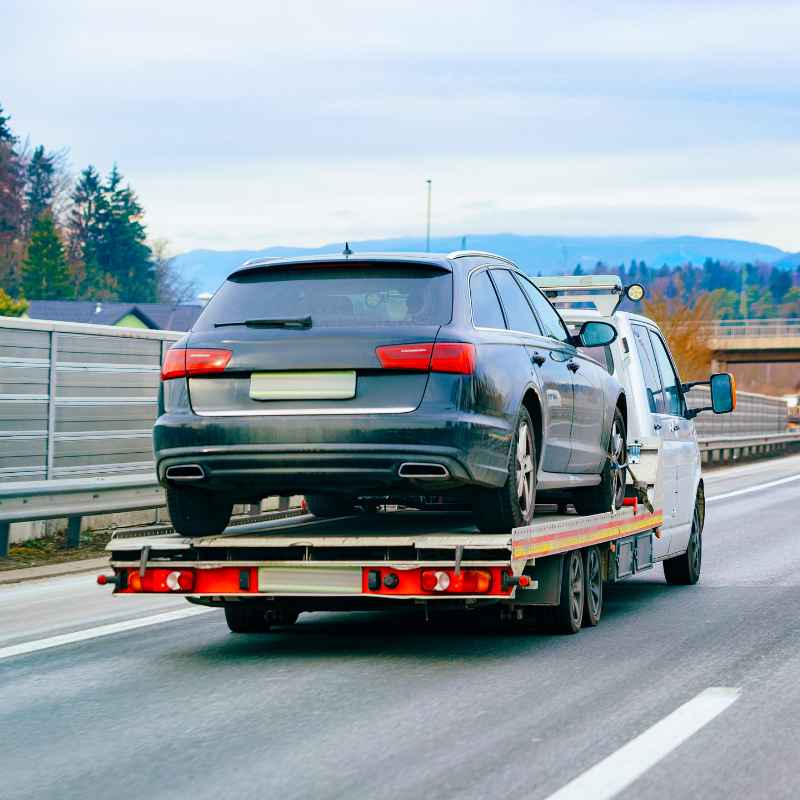
Conclusion: Planning for the Drive Home and Beyond
So, will CarMax tow my car? The straightforward answer is typically no. CarMax focuses on selling you a quality, inspected vehicle with a strong warranty.
They do not provide towing services or roadside assistance as part of the purchase. Your responsibility for the vehicle begins the moment you drive it off the lot.
This means it’s crucial to have a plan for your drive home. Consider purchasing roadside assistance through your auto insurance or a reputable motor club. Always keep your phone charged and have important contact numbers readily available.
If you encounter any issues, prioritize your safety, then arrange for a tow. If the problem is covered by CarMax’s warranty, they will handle the repair costs, but you’ll likely need to arrange and pay for the towing yourself. Being prepared will make any unexpected situation much more manageable.
Frequently Asked Questions
Does CarMax offer free towing if my car breaks down right after I buy it?
No, CarMax does not typically offer free towing for vehicles immediately after purchase. Their coverage is primarily through their limited warranty for repairs, not for transportation to a service center.
What if my new CarMax car has a mechanical problem on the way home?
If your car has a mechanical problem, ensure your safety first. Then, you will need to arrange for towing yourself, likely through your auto insurance’s roadside assistance or a local towing company. If the issue is covered by CarMax’s warranty, they will cover the repair costs.
Is roadside assistance included with the MaxCare extended service plan?
Most MaxCare plans do not automatically include towing. You should carefully review the specific MaxCare plan you are considering or have purchased to understand its exact coverage, as towing is often an optional add-on or not included at all.
Who pays for the tow truck if my CarMax car needs to go back to the dealership?
You will generally pay for the tow truck yourself. CarMax’s warranty covers the cost of repairs for covered issues, but not the cost of getting the car to the repair facility. It is recommended to have your own roadside assistance plan for such situations.
Can I return a car to CarMax if it has a problem right after I buy it?
Yes, you can return a car under CarMax’s “Love It or Return It” policy within 30 days. However, you are responsible for the transportation costs to get the car back to the CarMax store.
What is the best way to prepare for potential towing needs after buying a car?
The best preparation is to secure a roadside assistance plan through your auto insurance provider or a motor club like AAA before you finalize your purchase. This ensures you have a service ready to help if needed.
Products related to this article
Sponsored / affiliate links. As an Amazon Associate I earn from qualifying purchases. I may earn additional commission from eligible campaigns.