Would a Bad Battery Cause a Car to Stall?
Hey there! If you’ve ever been driving along, minding your own business, and suddenly your car stalls, you know how frustrating it can be. Your heart sinks, and you’re left wondering what went wrong. One question that often pops up is: Would a bad battery cause a car to stall? It’s a great question, and as someone who’s spent a lot of time digging into car troubles, I’m here to walk you through it. A bad battery can indeed cause all sorts of issues, and stalling is sometimes one of them. But the answer isn’t always straightforward, so let’s dive into the details and figure out what’s going on under the hood. I’ll break it down step by step, so you can understand how your car’s battery might be the culprit—or not.
How a Car Battery Works
Let’s start with the basics. Your car’s battery is like the heart of its electrical system. It provides the power needed to start the engine and keeps all the electrical components—like your lights, radio, and even the computer systems—running smoothly. When you turn the key (or push the start button), the battery sends a surge of electricity to the starter motor, which cranks the engine to life. Once the engine is running, the alternator takes over, charging the battery and powering the car’s systems.
But here’s the thing: a bad battery can’t hold or deliver enough power. This can mess with the systems that keep your car running. If the battery is weak, it might struggle to provide the steady voltage needed for critical components, like the ignition system or fuel pump. And when those systems don’t get enough juice, your car might act up—sometimes even stalling.
What Does It Mean When a Car Stalls?
Before we connect the dots, let’s talk about what stalling actually means. A car stalls when the engine suddenly stops running while you’re driving or idling. You might notice it sputters, loses power, or just cuts out completely. It’s like the car says, “Nope, I’m done!” and leaves you stranded. Stalling can happen for lots of reasons—fuel issues, ignition problems, or even mechanical failures. But since we’re focusing on the battery, let’s see how it fits into the picture
Can a Bad Battery Really Cause Stalling?
Yes, a bad battery can cause a car to stall, but it’s not always the direct cause. Here’s why: your car relies on a steady flow of electricity to keep the engine running. The battery, alternator, and other electrical components work together to make this happen. If the battery is failing, it might not provide enough power to critical systems, like the ignition or fuel delivery. This can lead to misfires, hesitation, or—yep—stalling.
However, it’s worth noting that once your engine is running, the alternator usually takes over the job of powering the car. So, if your battery is bad but the alternator is working fine, the car might still run. But if the battery is so weak that it’s dragging down the whole electrical system, or if it’s causing issues with the alternator, stalling becomes a real possibility.
Let me share a quick story. A few years ago, my old sedan started stalling at stoplights. I’d be sitting there, and the engine would just quit. At first, I thought it was the fuel pump, but after some testing, I found out the battery was barely holding a charge. It was causing the voltage to dip so low that the car’s computer was freaking out, shutting down the engine. A new battery fixed it right up. So, yeah, it happens!
Signs Your Battery Might Be Causing Stalling
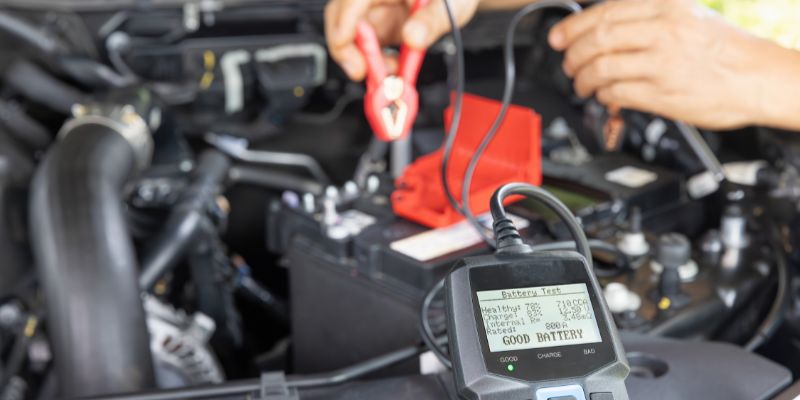
How do you know if your battery is the problem? Here are some telltale signs that your battery might be behind the stalling:
- Slow Cranking When Starting: If your car struggles to start and the engine cranks slowly, your battery might be weak.
- Dim Lights or Flickering Gauges: If your headlights are dim or your dashboard gauges flicker, it’s a sign the battery isn’t delivering enough power.
- Warning Lights: A battery or check engine light on your dashboard could point to electrical issues.
- Stalling at Idle: If your car stalls when you’re stopped, especially with electrical components (like AC or headlights) turned on, the battery might not be keeping up.
- Dead Battery After Sitting: If your car won’t start after sitting overnight, the battery could be losing its charge.
If you’re noticing these symptoms, it’s time to check your battery. A quick test at an auto parts store can tell you if it’s holding a charge properly.
How a Bad Battery Affects Your Car’s Systems
To understand why a bad battery might cause stalling, let’s look at how it impacts key systems in your car. Here’s a breakdown:
| System | How It’s Affected by a Bad Battery |
|---|---|
| Ignition System | The ignition system needs steady voltage to fire the spark plugs. A weak battery can cause misfires, leading to stalling. |
| Fuel Pump | Electric fuel pumps rely on consistent power. If the battery’s voltage drops, the pump might not deliver enough fuel, causing the engine to stall. |
| Engine Control Unit (ECU) | The ECU is your car’s brain. It needs stable power to manage the engine. A bad battery can cause the ECU to malfunction, leading to stalling or rough running. |
| Sensors | Sensors like the crankshaft or camshaft position sensors need power to send accurate signals. Low voltage can confuse them, causing the engine to shut off. |
When the battery’s voltage drops too low, these systems can’t do their jobs properly. It’s like trying to run a marathon while dehydrated—you’re just not going to make it far.
Other Electrical Issues That Could Cause Stalling
Sometimes, it’s not just the battery itself but related electrical problems that lead to stalling. Here are a few culprits to watch out for:
- Faulty Alternator: If the alternator isn’t charging the battery properly, the car might rely on the battery’s limited power, leading to stalling.
- Loose or Corroded Battery Cables: If the cables connecting the battery to the car are loose or corroded, power delivery gets spotty, which can cause stalling.
- Bad Wiring or Grounds: Faulty wiring or poor grounding can disrupt the flow of electricity, mimicking a bad battery.
- Parasitic Drain: Something in your car (like a stuck relay or a short circuit) might be draining the battery even when the car is off, leaving it too weak to keep the engine running.
I learned this the hard way with my old truck. It kept stalling, and I was sure the battery was toast. Turns out, the battery cables were so corroded they looked like they’d been dipped in green paint. Cleaning them up fixed the problem—no new battery needed!
Testing Your Battery to Rule It Out
If you suspect your battery is causing the stalling, don’t just guess—test it. Here’s how you can check:
- Visual Inspection: Look at the battery for signs of damage, like cracks or leaking fluid. Check the terminals for corrosion (white, powdery stuff).
- Use a Multimeter: A healthy battery should read around 12.6 volts when the car is off. If it’s below 12 volts, it’s likely weak.
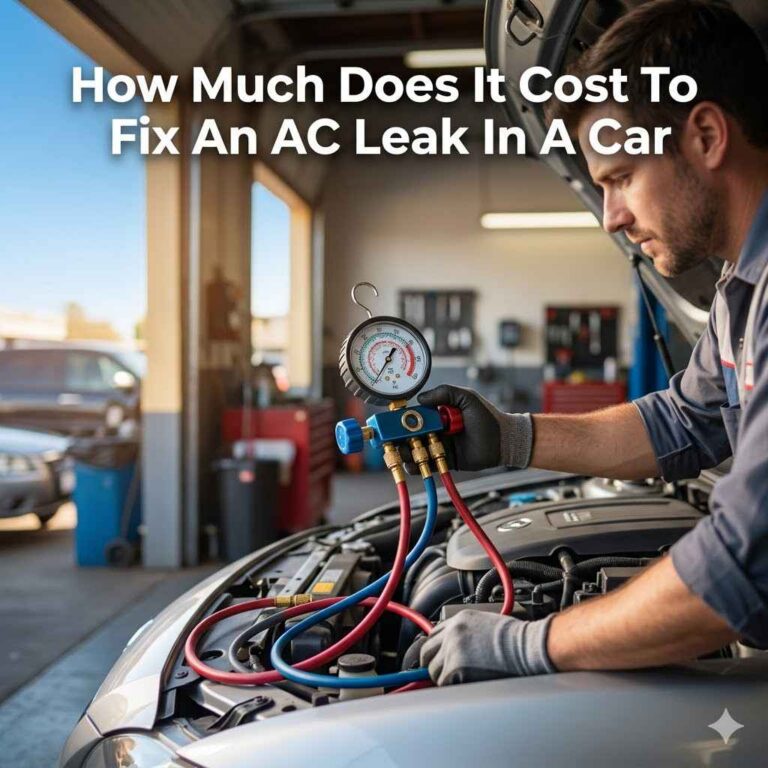
- Load Test: Auto parts stores can do a load test to see if the battery can handle the demands of starting and running your car.
- Check the Alternator: While you’re at it, test the alternator to make sure it’s charging the battery (it should read 13.7–14.7 volts when the engine is running).
If the battery fails these tests, replacing it might solve your stalling problem. If it passes, you’ll need to dig deeper—maybe the issue is with the alternator, fuel system, or something else.
What to Do If Your Battery Is the Problem
If you’ve confirmed the battery is causing your car to stall, here’s what to do next:
- Replace the Battery: Most car batteries last 3–5 years. If yours is old or failing, get a new one that matches your car’s specifications.
- Clean the Terminals: Use a wire brush and baking soda mixed with water to clean corrosion off the battery terminals.
- Check the Charging System: Have the alternator and voltage regulator tested to make sure they’re working properly.
- Secure Connections: Make sure the battery cables are tight and free of damage.
- Avoid Short Trips: Short drives don’t give the alternator enough time to recharge the battery, which can weaken it over time.
When I replaced the battery in my sedan, I also started parking it in the garage during cold winters. Cold weather can be tough on batteries, and keeping it warmer helped it last longer.
When Stalling Isn’t the Battery’s Fault
If your battery checks out fine, the stalling could be caused by something else. Here are some common culprits:
- Fuel System Issues: A clogged fuel filter or failing fuel pump can starve the engine of fuel, causing it to stall.
- Ignition Problems: Worn spark plugs, bad ignition coils, or a faulty distributor can lead to misfires and stalling.
- Sensor Failures: A bad crankshaft or camshaft position sensor can confuse the ECU, causing the engine to shut off.
- Air Intake Issues: A dirty air filter or a problem with the mass airflow sensor can disrupt the air-fuel mix, leading to stalling.
- Mechanical Problems: Low compression or a timing belt issue can also cause the engine to quit.
If you’ve ruled out the battery, it’s time to take your car to a mechanic for a deeper diagnosis. They can run a scan tool to check for error codes and pinpoint the issue.
Preventing Battery-Related Stalling
Nobody wants to deal with a car that stalls, so here are some tips to keep your battery in tip-top shape:
- Regular Maintenance: Test your battery every year, especially before winter. Most auto shops offer free battery checks.
- Turn Off Accessories: Don’t leave headlights, the radio, or other electronics on when the engine is off—it drains the battery.
- Drive Regularly: Regular drives (at least 20–30 minutes) help the alternator recharge the battery.
- Check for Corrosion: Clean the battery terminals every few months to ensure a good connection.
- Replace on Time: Don’t wait for your battery to die completely. If it’s over 3 years old, get it tested regularly.
By staying on top of these things, you can avoid the headache of a stalled car and keep your battery happy.
My Personal Experience with Battery Issues
I’ve had my fair share of battery woes over the years. One winter, my car started acting up—stalling at random, lights dimming, the works. I thought it was something serious, like a bad fuel pump or a failing transmission. But after a quick trip to the auto shop, they tested the battery and found it was barely holding a charge. A new battery and some cleaned-up terminals later, my car was back to normal. It taught me not to overlook the simple stuff. Sometimes, the smallest things—like a bad battery—can cause the biggest headaches.
Conclusion
So, would a bad battery cause a car to stall? The answer is yes, it can, but it’s not always the only culprit. A weak battery can mess with your car’s ignition, fuel system, or computer, leading to stalling or other performance issues. By keeping an eye on your battery’s health, testing it regularly, and addressing any warning signs, you can avoid getting stranded on the side of the road. If you’re dealing with stalling, start with the battery—it’s an easy fix compared to some of the other possibilities. And if the battery isn’t the issue, don’t worry; a good mechanic can help you track down the real problem.
Driving should be a joy, not a stress fest. So, take care of your car, keep that battery charged, and you’ll be cruising smoothly in no time. Got more questions? Check out the FAQs below for some quick answers!
Frequently Asked Questions
How Can I Tell If My Battery Is Bad?
You might notice slow cranking when starting your car, dim headlights, or warning lights on the dashboard. A multimeter can check the voltage—around 12.6 volts is normal when the car is off. If it’s lower, get it tested at an auto shop.
Can a Bad Battery Cause Other Problems Besides Stalling?
Absolutely. A weak battery can cause dim lights, a sluggish starter, or even issues with your car’s computer. It can also strain the alternator, leading to bigger electrical problems down the road.
How Often Should I Replace My Car Battery?
Most batteries last 3–5 years, depending on your climate and driving habits. Test it annually, especially if it’s over 3 years old, to catch problems early.
What Should I Do If My Car Stalls While Driving?
Stay calm and try to steer to a safe spot, like the shoulder. Turn on your hazard lights, then try restarting the car. If it won’t start, check the battery or call for roadside assistance.
Can a Bad Alternator Cause Stalling Too?
Yes! If the alternator isn’t charging the battery properly, the car might rely on the battery’s limited power, which can lead to stalling. Get both the battery and alternator tested to be sure.