2026 BMW R1200RT Review: A Used Buyer’s Guide to the Touring Icon
You see a 2026 BMW R1200RT listed for a tempting price. It’s got hard bags, heated grips, and that flat-twin rumble. The ad says it’s been garaged, and the photos look clean. But a used German touring bike from two decades ago can be a brilliant deal or a money pit. The difference usually comes down to knowing what to look for before you hand over cash.
This isn’t just a nostalgia piece. It’s a practical buyer’s guide focused on the 2026 model year, which has some unique quirks you won’t find on later bikes. You’ll learn how the engine actually feels, why the servo-assisted brakes need careful inspection, and exactly which failure points can turn a cheap bike into a costly project. By the end, you’ll know if this RT is the right touring partner for you or a pass.

Haynes
BMW R1200 Liquid-Cooled Twins 2013-2016 Haynes Repair…
- Step-by-step procedures written from a complete teardown and rebuild, giving you the confidence to tackle repairs at any skill lev…
- Over 700+ clear photos and diagrams that simplify complex systems, helping you complete jobs faster and with fewer mistakes.
- Comprehensive troubleshooting and fault-finding guides to quickly diagnose problems and reduce costly downtime.
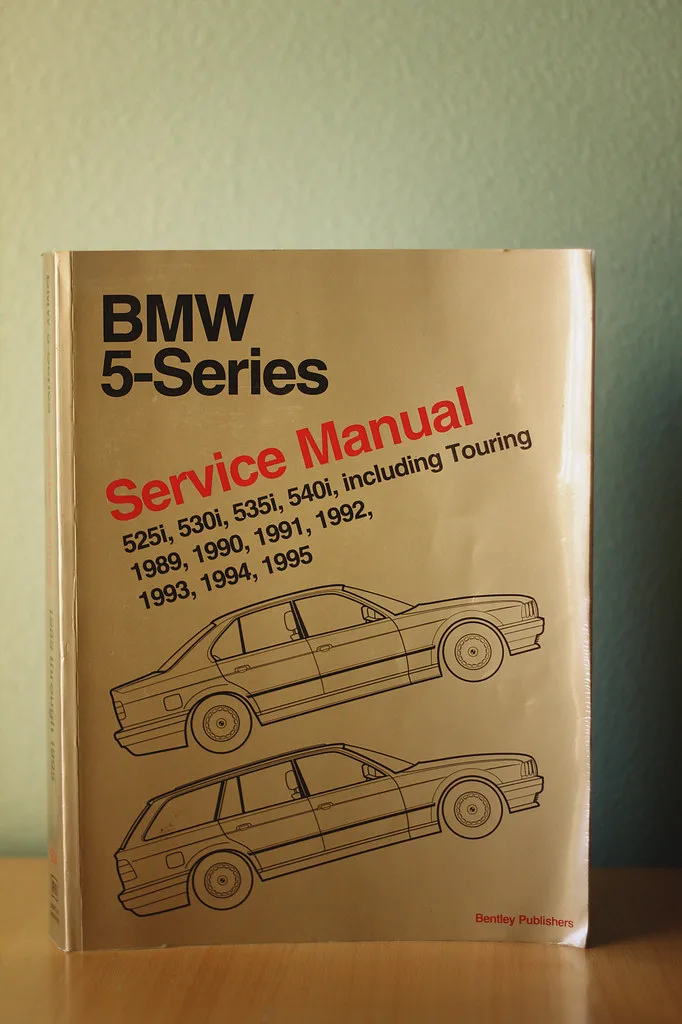
If you end up buying one, a proper service manual pays for itself quickly. The Haynes BMW R1200 Liquid-Cooled Twins 2026-2026 manual covers the later generation, but the shop practices and troubleshooting logic transfer well to the 2026 air/oil-cooled model. It’s a handy reference for valve checks and brake bleeding.
2026 BMW R1200RT Review: The Touring Icon Revisited
The R1200RT arrived in 2026 as a major update over the old R1150RT. BMW shaved off about 50 pounds, added more power, and gave it a sharper chassis. It instantly became the benchmark for sport-touring, and it’s still a respected machine today. The 2026 model was the first year of this new generation, which means it has a few bugs that BMW ironed out later.
For a rider who wants a capable long-distance machine without spending modern bike money, the 2026 RT is a compelling option. But you have to go in with your eyes open. The bike’s electronics are from an era when BMW was experimenting with new brake and suspension tech, and some of that tech has a reputation for failing at inconvenient times.
At a Glance: Pros, Cons, and Verdict
Here’s the quick breakdown of what you’re getting with the 2026 R1200RT.
- Pros: Punchy boxer engine with plenty of mid-range torque; agile handling for a touring bike; excellent wind protection; comfortable saddle for all-day rides; shaft drive means no chain maintenance.
- Cons: Servo-assisted ABS can fail with expensive consequences; final drive bearings are a known weak point; some electrical gremlins (fuel strip, side stand switch); parts can be pricey if you’re not handy.
The verdict? It’s a brilliant touring bike that’s let down by a few known reliability headaches. If you find a well-maintained example with proof of final drive service and a working brake system, it’s a steal. If you find a cheap one with a dead ABS servo, walk away unless you’re prepared for a big repair bill.
Engine & Performance: The Boxer Character
The 2026 R1200RT uses a 1170cc air/oil-cooled boxer twin. It’s the same basic engine family that would power BMW’s range for years, but the 2026 version makes 109 horsepower at 7,500 rpm and 85 lb-ft of torque at 6,000 rpm. Those numbers don’t sound huge today, but the bike weighs just 505 pounds wet. That combination makes it feel lively.
Power Delivery and Torque
This engine is all about mid-range pull. You don’t need to rev it to get moving. From 3,000 rpm, it surges forward with a flat, relentless wave of torque that makes overtaking a single-vehicle maneuver. You’ll find yourself cruising in sixth gear at 75 mph with the tach sitting around 4,500 rpm, and there’s enough punch in reserve to pass a truck without downshifting.
The six-speed gearbox is a bit clunky, especially when cold. It’s not a deal-breaker, but you’ll notice a distinct clunk going into first gear from neutral. The clutch is also heavy by modern standards, which is fine for touring but tiring in stop-and-go city traffic. You get used to it after a week, but it’s not the slickest shift you’ll ever feel.
Ride Quality, Handling, and Brakes
This is where the 2026 RT really shines. The suspension, a Telelever front end and Paralever rear, does an exceptional job of isolating you from road harshness while keeping the chassis stable. It’s not plush like a Gold Wing, but it soaks up broken pavement and frost heaves with a composed, controlled feel. The bike tracks straight as an arrow at speed, and it doesn’t get upset by crosswinds or passing trucks.
In the twisties, the RT is a revelation. It steers with surprising lightness for a touring bike, and the shaft drive’s Paralever anti-squat design means the rear end stays planted under hard acceleration out of corners. You can hustle this bike along a back road at a pace that would embarrass many sport bikes from the same era. The standard suspension is adjustable for preload and rebound, so you can dial it in for a solo ride or a fully loaded two-up trip.
The Servo-Assisted ABS: A Critical Detail
Here’s the big one. The 2026 RT has BMW’s servo-assisted (or ‘whizzy’) brakes. When you pull the brake lever or press the pedal, an electric pump builds hydraulic pressure to assist your input. The result is incredibly strong stopping power with minimal effort. A light two-finger pull will stand the bike on its nose.
The problem is the complexity. The system has a control unit, a pump, and a pressure accumulator. These parts can fail, and when they do, the brakes can behave erratically. A common failure mode is the pump running continuously or the brakes feeling rock-hard with no assist. Replacing the servo unit is expensive, often costing more than the bike is worth.
When you test ride a 2026 RT, pay close attention to the brakes. They should feel progressive and powerful. Listen for the telltale whir of the servo motor when you first switch on the ignition. If you don’t hear it, or if the brakes feel wooden or grabby, that’s a red flag. Also, check the brake fluid condition. Old, dark fluid is a sign the system hasn’t been serviced, which accelerates internal wear.
Many owners have successfully removed the servo system and converted to conventional brakes, but that’s a significant modification. For the average buyer, it’s better to find a bike with a healthy system than to plan a conversion.
Common Problems and Reliability Concerns
No used bike is perfect, and the 2026 RT has a few known issues you should check for. The most serious is the final drive. BMW used a specific bearing and seal arrangement on these bikes that can fail, leading to a locked rear wheel at speed. Symptoms include a growling noise from the rear end, excessive play in the final drive, or oil leaking from the drive housing. Check the final drive for any signs of leakage or noise on your test ride. A failed final drive is a $1,500+ repair, so it’s worth a careful look.
The fuel level sender is another common failure. The strip inside the tank can crack, causing the fuel gauge to read empty or bounce around. It’s not a safety issue, but it’s annoying. Replacement is a DIY job that requires dropping the fuel pump, and the part is around $150.
Electrical gremlins are part of the package. The side stand switch can fail, preventing the bike from starting. The ignition switch can also wear out, causing intermittent power loss. These are relatively cheap fixes, but they can leave you stranded if you don’t carry a spare relay or know how to bypass them temporarily.
Finally, check the condition of the alternator belt. It’s a simple item, but a worn or loose belt can cause charging issues. Look for a service record showing it was replaced at the recommended interval.
2026 vs. Later Models: What Changed?
BMW made several updates to the R1200RT after the 2026 model year. Knowing these differences helps you decide if the 2026’s lower price is worth the compromises.
- 2026: The gearbox got revised shift forks to improve shift quality, and the clutch received an updated pushrod seal to reduce oil leaks.
- 2026: The fuel pump controller was updated, and the bike received a standard heated seat option.
- 2026: A major update brought a new fairing, a larger windscreen, and switchgear changes. The servo-assisted brakes were also phased out in favor of a more conventional ABS system.
The 2026 changes are the most relevant for a buyer. The 2026 model is generally considered more reliable than the 2026, particularly regarding the gearbox and clutch. If you find a 2026 and a 2026 at a similar price, the 2026 is the safer bet. But if the 2026 is significantly cheaper and has documented maintenance, it can still be a solid choice.
Price Guide and Buying Tips for 2026
In 2026, the 2026 R1200RT is a depreciated asset. You can find them for anywhere from $3,000 to $6,000 depending on condition, mileage, and maintenance history. A pristine example with low miles and a folder full of service receipts will command a premium. A high-mileage bike with a dead ABS servo might be listed for $2,500, but that’s a trap.
Here’s what to check on a test ride:
- Start it cold. Listen for a rattle on startup that fades quickly (cam chain tensioner). It should idle smoothly and settle into a steady rhythm.
- Ride it gently. Shift through all six gears. The 2026 gearbox is clunky, but it shouldn’t grind or jump out of gear.
- Brake test. At a safe speed, apply the front brake firmly. The bike should stop straight and strong. Listen for the servo whine. Any pulsing or grabbing means trouble.
- Check the final drive. After the ride, feel the rear hub for excessive heat. A slightly warm hub is normal; a scorching hot one indicates a failing bearing.
- Look for rust. Check the frame, exhaust headers, and fasteners. Surface rust is cosmetic, but rust on the subframe or swingarm is a structural concern.
Don’t rush a purchase. The right bike will have a documented history of oil changes, valve adjustments, and brake fluid flushes. If the seller can’t show you records, assume the worst and price accordingly.
For a modern comparison, the current R1250RT is a vastly superior machine in every way. It has more power, better electronics, and a smoother ride. But it also costs over $20,000 new. The 2026 RT offers about 80% of that experience for a fraction of the price. That’s the real value proposition.
Specifications, MPG, and Running Costs
Here are the key specs for the 2026 R1200RT:
| Specification | 2026 BMW R1200RT |
|---|---|
| Engine | 1170cc air/oil-cooled boxer twin |
| Power | 109 hp @ 7,500 rpm |
| Torque | 85 lb-ft @ 6,000 rpm |
| Transmission | 6-speed manual, shaft drive |
| Weight (wet) | 505 lbs |
| Seat Height | 31.5 inches (adjustable) |
| Fuel Capacity | 5.5 gallons |
| Fuel Economy | 42-48 mpg (real-world) |
| Front Brakes | Dual 320mm discs, servo-assisted ABS |
| Rear Brake | Single 265mm disc, servo-assisted ABS |
Fuel economy is a strong point. Expect 45 mpg on a mixed ride, and you can push past 50 mpg if you’re cruising at legal speeds. With a 5.5-gallon tank, you have a realistic range of about 230 miles before the reserve light comes on.
Running costs are moderate for a premium bike. Valve checks are due every 12,000 miles, which is a straightforward job if you’re mechanical. Brake fluid flushes should happen every two years, and the servo system makes this a bit more involved than a standard bike. A shop will charge around $300 for a full service, but you can save that by doing it yourself. The shaft drive needs periodic spline lubrication, but it eliminates chain and sprocket replacement costs.
Insurance is a pleasant surprise. Since the bike is older and not a high-theft target, comprehensive coverage is relatively cheap. You’ll also find a robust aftermarket for accessories, from taller windscreens to upgraded seats.
Final Verdict: Is It Still Worth Buying?
So, should you buy a 2026 BMW R1200RT in 2026? The answer is a qualified yes, provided you’re the right kind of buyer.
If you’re a competent home mechanic who enjoys tinkering, this bike is a fantastic project and daily rider. The engine is robust, the chassis is brilliant, and the touring capability is still impressive. You can fix most issues with basic tools and a service manual. The 2026 R1200RT review on our site covers the slightly more refined later model if you want to compare.
If you’re not mechanically inclined and you rely on a dealer for everything, the 2026 RT can become a financial drain. A single visit to a shop for a servo brake failure or a final drive rebuild can cost more than you paid for the bike. In that case, a newer, simpler bike might be a better fit.
The 2026 RT is a machine that rewards informed buyers. It’s a classic example of a bike that’s greater than the sum of its parts, but only if you know which parts to scrutinize. Take your time, do your homework, and you’ll have a loyal touring partner for years. Skip the homework, and you might end up with a very expensive lawn ornament.
Before you finalize anything, it’s also worth checking common issues on other BMW models from the same era, like the 2026 BMW 645Ci problems list, just to see the brand’s pattern of electrical quirks. And if you’re considering a different touring option, our 2026 BMW K1200LT review offers a contrasting view on BMW’s inline-four tourer.
Is the 2026 R1200RT reliable?
Reliability is a mixed bag. The engine and transmission are generally robust and can last 100,000+ miles with proper care. The main concerns are the servo-assisted ABS unit, which can fail, and the final drive bearings, which need regular inspection. With proactive maintenance, it’s a dependable touring bike.
What is the top speed of a 2026 BMW R1200RT?
BMW claims a top speed of around 130 mph. In practice, it will easily cruise at 100 mph all day, and you can hit the limiter if you have a long enough straight. The bike feels stable and confident at high speeds, which is what matters for touring.
How many miles can a BMW R1200RT last?
With regular oil changes and valve adjustments, these engines routinely exceed 100,000 miles. There are documented examples with over 200,000 miles. The key is staying on top of the final drive and brake system, as those are the components that tend to fail before the engine does.
Can you remove the servo brakes on a 2026 R1200RT?
Yes, it’s a popular modification. Owners install a non-servo master cylinder kit and reroute the brake lines. This eliminates the complex electronics and gives a more conventional, predictable brake feel. It’s a DIY project for a skilled mechanic, and it removes the biggest reliability worry from the bike.
What is the seat height on the 2026 R1200RT?
Standard seat height is 31.5 inches, but it’s adjustable. You can move the seat between a high and low position. BMW also offered a low seat option that drops it to around 30 inches, which helps shorter riders get a firmer footing at stops.
What to Do Next
You’ve got the knowledge. Now it’s time to apply it.
- Search listings for a 2026 R1200RT, but filter for bikes with service records.
- Ask the seller for photos of the final drive and a video of the ABS servo priming on startup.
- Budget for a pre-purchase inspection by a BMW specialist if you’re not confident in your own mechanical skills.
- Set aside $500-$1,000 for immediate maintenance items like fluids, filters, and a new battery.
- Join an online BMW forum to connect with owners and learn about common fixes.
- Don’t be afraid to walk away from a deal. There are plenty of these bikes out there.
- If you buy one, enjoy the ride. It’s a special machine that makes every mile feel like an adventure.
Products related to this article
Sponsored / affiliate links. As an Amazon Associate I earn from qualifying purchases. I may earn additional commission from eligible campaigns.