2026 BMW R1200RT Review: What Owners Wish They Knew Before Buying
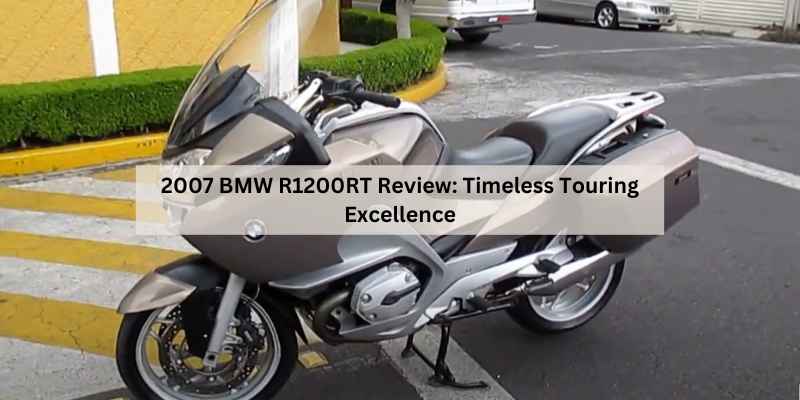
You found a 2026 BMW R1200RT listed for a tempting price. The paint shines, the panniers are huge, and the boxer engine has that cult following for a reason. Before you hand over cash, you need to know what you’re stepping into. This bike can be a brilliant touring companion or a financial headache, and the difference often comes down to how well the previous owner maintained it.
This review digs into the 2026 model specifically. We’ll cover the engine character, the infamous servo-assisted ABS, the final drive recall, and what it actually costs to keep one on the road. You’ll also see how it compares to the Honda ST1300 and Yamaha FJR1300 from the same year, plus a checklist for your pre-purchase inspection. By the end, you’ll know if this modern classic is a smart buy or a money pit for your situation.

K&N
K&N Engine Air Filter: High Performance, Premium,…
- ULTIMATE LONGEVITY: 10-Year/Million Mile Limited Warranty protects for the life of your vehicle
- ENGINEERED POWER: State-of-the-art air filter media is designed to increase horsepower and acceleration as well as improve overall…
- EASY INSTALLATION: Pre-oiled and ready to install. One of the easiest and most cost-effective upgrades for your motorcycle or ATV…
Keeping the intake clean is part of any solid maintenance routine. A simple upgrade like the K&N engine air filter fits the R1200RT and other BMW boxers, and it’s washable, so you won’t keep buying disposable paper filters. It’s a small change that makes scheduled service a little easier.
2026 BMW R1200RT: The Definitive Used Buyer’s Guide
The 2026 R1200RT sits in a sweet spot for sport tourers. It has the updated bodywork that arrived in 2026, which modernized the look over the old oil-cooled R1150RT. The 1170cc boxer engine makes about 109 horsepower and 85 lb-ft of torque. Those numbers don’t sound massive today, but this bike isn’t about peak power. It’s about the way that power is delivered.
This generation also introduced the optional Electronic Suspension Adjustment (ESA), which lets you change damping and spring preload on the fly. It was a big selling point back then. Now, it’s a potential repair bill, so you need to understand how it works before you buy.
Performance & Engine Character
The Boxer Engine’s Power Delivery
The boxer engine is the heart of this bike, and it’s a gem. It’s a flat-twin, meaning the cylinders stick out on each side. That layout gives a low center of gravity, which you feel immediately when you throw a leg over. The bike feels lighter than its 570-pound wet weight suggests at a standstill.
Power delivery is smooth and linear. There’s a noticeable surge around 4,000 rpm, but it’s not a violent hit. It just pulls steadily all the way to redline. The engine vibrates a bit at idle, a classic boxer trait, but it smooths out once you’re moving. You won’t confuse it with a Japanese inline-four, but that character is part of the appeal.
Fuel economy is respectable for a touring bike. Most owners report between 42 and 48 mpg on the highway, depending on speed and load. The 6.6-gallon tank gives you a comfortable 250-mile range before the fuel light starts nagging you. That’s enough for a full day of backroad riding without a gas stop.
One thing to note: the engine is dry-clutch equipped. The clutch engagement is a bit grabby compared to a wet clutch, especially when you’re first learning the bike. It takes a few days to get smooth starts from a stop. It’s not a flaw, just a character quirk you’ll adapt to.
Handling, Suspension, and Braking
For a bike that weighs over 570 pounds, the RT handles surprisingly well. The Telelever front suspension keeps the bike stable under hard braking, and the Paralever rear does a good job of managing shaft drive torque reactions. You can hustle this thing through twisty mountain roads with confidence, though it will never feel as nimble as a dedicated sportbike.
The standard suspension is well-damped for touring. The ESA option adds adjustability, but it’s not magic. In ‘Comfort’ mode, the ride is plush. In ‘Sport’ mode, it firms up noticeably, reducing wallow in fast corners. The ‘Normal’ setting is a good middle ground for everyday riding. If you’re riding two-up with luggage, you’ll appreciate the ability to crank up the preload without breaking out the tools.
The Servo-Assisted ABS Explained (and its Risks)
Here’s the big one. The 2026 RT has servo-assisted brakes, often called ‘servo brakes’ or ‘whizzy brakes.’ When you squeeze the lever, a high-pressure pump assists the braking force. The result is immense stopping power with very little finger effort. It feels almost like a car’s power brakes.
But this system has a dark side. The servo unit is expensive, and it can fail. When it fails, you often lose power braking assistance, and the brakes can feel wooden or grabby. In some cases, the system fails completely, leaving you with limited braking ability. This is a serious safety concern, and it’s the main reason many owners remove or bypass the system.
There are aftermarket solutions. The most common is a servo removal kit that converts the bike to conventional non-ABS braking. These kits replace the servo unit with standard brake lines and fittings. It’s a permanent modification that removes the ABS function and the risk of servo failure. Many owners consider this a reliability upgrade, not a downgrade. If you’re looking at a bike that’s already had this done, that’s a big plus. If not, budget for the possibility.
There is also a recall related to the front brake master cylinder on some 2026 models. Check with a BMW dealer using the VIN to confirm whether the recall work was completed. This is a free fix if it hasn’t been done, and it’s critical for safety.
Comfort and Touring Capability
This is where the RT shines. The riding position is upright and relaxed. The seat is wide and supportive, good for 500-mile days. The handlebars are positioned perfectly, and the footpegs are low enough to be comfortable but not so low that they scrape in corners. The stock windshield is electrically adjustable, which is a fantastic feature.
You can raise or lower the windshield on the fly with a button on the left handlebar. At the lowest setting, you get clean air in the summer. At the highest, it creates a still pocket of air that blocks most wind and rain. The adjustment range is generous, and it makes a huge difference on long freeway slogs. The mechanism can get slow or noisy with age, but it’s usually just a matter of lubrication.
The standard panniers are spacious. Each side holds about 32 liters, enough for a full-face helmet plus some soft luggage. They lock with the ignition key and are easy to remove. The system isn’t perfect; the latches can be finicky, and the bags can rattle over rough pavement. A little felt tape on the mounting points solves that quickly.
Heated grips come standard. They get warm enough for cold mornings, and the heat is adjustable. The seat heater, if equipped, is a nice bonus for fall touring. For a 2026 bike, the touring amenities are genuinely impressive.
Reliability and Known 2026-Specific Problems
Let’s get real about reliability. The boxer engine is robust and can easily last 100,000 miles with proper care. The shaft drive is low-maintenance, but it has a known weak point on this generation. The final drive unit can fail. BMW issued a recall for this on certain models, and the 2026 RT is included in the affected range. The failure usually starts with a whine or vibration from the rear end, and it can lead to catastrophic failure if ignored.
Check the final drive for any signs of leaking oil or play in the wheel. Ask the owner if the final drive was inspected or replaced under the recall. If there’s no documentation, factor a $800 to $1,200 inspection and potential rebuild into your offer.
The fuel level sensor is another common failure. The sensor strip inside the tank fails, causing the fuel gauge to read incorrectly or show ’empty’ when the tank is full. It’s a known issue across many BMW models of this era. The part is about $150, and replacing it requires dropping the tank, which is a few hours of labor. Many owners just live with it and use the trip odometer.
The alternator belt is a maintenance item that gets overlooked. It’s not a timing chain, so it’s cheap to replace, but if it breaks, you’re stranded. It’s recommended to replace it every 24,000 miles or so. The belt itself is about $30, and it’s an easy DIY job if you’re mechanically inclined.
Electrical gremlins can pop up. The wiring harness on the 2026 model is generally reliable, but the connectors can corrode, especially if the bike sits outside. Check the connectors under the seat and near the battery for green corrosion. A little dielectric grease goes a long way in preventing issues.
One more thing: the servo brakes. We covered the failure mode, but it’s worth repeating. This is the single most expensive repair on this bike. A new servo unit can cost over $2,000. If you’re buying a bike with the original servo system, test the brakes thoroughly. They should feel strong and consistent. If they feel weak or pulse, walk away or negotiate hard.
2026 vs. The Competition (ST1300 & FJR1300)
In 2026, the sport touring market was stacked. The Honda ST1300 and Yamaha FJR1300 were the RT’s main rivals. Each bike has a different personality, and the right choice depends on what you value.
| Feature | 2026 BMW R1200RT | 2026 Honda ST1300 | 2026 Yamaha FJR1300 |
|---|---|---|---|
| Engine | 1170cc flat-twin | 1261cc V-4 | 1298cc inline-four |
| Horsepower | ~109 hp | ~125 hp | ~145 hp |
| Curb Weight | ~570 lbs | ~730 lbs | ~640 lbs |
| Standard Features | Heated grips, electric windshield, optional ESA | Electric windshield, linked brakes | Heated grips, electric windshield |
| Known Issues | Servo ABS, final drive recall | Heavy, top-heavy at low speed | Hard on tires, fuel pump issues |
| Best For | Riders who want character and tech | Riders who want a stable, powerful cruiser | Riders who want raw power and speed |
The Honda ST1300 is a beast. It’s significantly heavier and feels it, especially at low speeds. But that weight translates to a planted, stable ride on the highway. The V-4 engine is silky smooth and powerful. It’s a great bike, but it feels more like a luxury barge than a sport tourer. It also has its own brake system quirks, but they’re less catastrophic than the BMW’s servo unit.
The Yamaha FJR1300 is the sportiest of the three. It has the most horsepower and the lightest feel of the Japanese bikes. The engine is a gem, but it’s buzzy at highway speeds. The FJR is also known for eating rear tires, especially if you ride aggressively. It’s a fantastic machine, but it’s less focused on long-distance comfort than the RT.
The BMW is the middle ground. It’s lighter than the ST1300 and more comfortable than the FJR. It has the most character and the most tech, but it also has the highest repair risk. If you’re handy with tools and willing to do your own maintenance, the RT is a rewarding choice. If you just want to ride without worrying about the next breakdown, the Honda or Yamaha might be safer bets.
Running Costs, MPG, and Insurance
Let’s talk money. The 2026 RT is not a cheap bike to run, even if the purchase price is low. Here’s a breakdown of what to expect.
- Fuel: Expect 42-48 mpg. At current prices, that’s roughly $0.15 to $0.18 per mile.
- Insurance: This is a sport tourer, not a supersport. Insurance is reasonable, but it varies widely. Get quotes before you buy. Full coverage for a 2026 model is often surprisingly affordable, but it depends on your record and location.
- Tires: The RT uses a 120/70-17 front and a 180/55-17 rear. Sport touring tires last about 8,000-10,000 miles. A good set will cost around $300-$400 installed.
- Service: Valve checks are due every 12,000 miles. It’s a shim-and-bucket system, so it’s labor-intensive. A dealer will charge $500-$800 for this service. The alternator belt is a $30 part, but labor adds up if you don’t DIY.
- The Big One: The ESA unit, if it fails, costs over $1,500 to replace. The servo brake unit is over $2,000. These are the nightmare scenarios. A well-maintained bike will likely never need these, but you should have a contingency fund.
Compared to the ST1300 and FJR, the BMW is more expensive to maintain. The Japanese bikes have hydraulic valve lifters that never need adjustment, which saves you a big chunk of change over time. The BMW’s shaft drive is lower maintenance than a chain, but the final drive is a ticking time bomb if not maintained.
What to Look For When Buying Used
Here’s your pre-purchase checklist. Print this out and take it with you.
- Check the VIN for recalls. Call a BMW dealer or check online. The final drive recall and the brake master cylinder recall are the most important. Confirm they were done.
- Test the servo brakes. Start the bike and let it idle for 30 seconds. Then, squeeze the front brake lever. You should hear the servo pump whir. The lever should feel firm, not spongy. Do the same with the rear pedal. If the pump is loud, grinds, or doesn’t engage, walk away.
- Inspect the final drive. Look for oil leaks around the rear hub. Grab the wheel at the 12 and 6 o’clock positions and try to rock it. There should be no play. Spin the wheel and listen for a whine or grinding noise.
- Check the fuel gauge. Turn the ignition on. The gauge should sweep to full and then settle. If it reads empty or jumps around, the sensor is likely bad.
- Look for corrosion. Check the electrical connectors under the seat, the battery terminals, and the fuse box. White or green fuzz is a bad sign.
- Test the ESA (if equipped). With the engine running, toggle through the modes. You should hear and feel the suspension adjust. If it doesn’t, the unit may be dead.
- Check the service history. Look for records of valve adjustments, oil changes, and final drive services. A bike with full service records is worth more than one without.
Don’t be afraid to walk away. There are plenty of 2026 RTs on the market. A clean example with documented maintenance is worth paying a premium for. A neglected one will cost you more in repairs than you saved on the purchase price.
Verdict: Is the 2026 RT Still Worth It?
The 2026 BMW R1200RT is a fantastic motorcycle when it’s running well. It’s comfortable, capable, and has a character that’s hard to find in modern bikes. The boxer engine is a joy, the ergonomics are excellent, and the touring features are genuinely useful. For a rider who values the journey over the destination, it’s hard to beat.
But it’s not for everyone. The servo brakes are a legitimate liability, and the final drive is a known weak point. If you’re not comfortable turning a wrench or budgeting for potential major repairs, this bike can become a source of stress. The Japanese alternatives are more reliable and cheaper to maintain, even if they lack the BMW’s soul.
If you find a well-maintained example with the recalls done and the servo system already bypassed, it’s a great buy. You get a modern classic with all the charm and fewer of the headaches. If you’re looking at a stock, unmodified bike, factor the cost of a servo removal kit into your offer.
This bike rewards the right owner. It’s a machine that asks for attention but gives back twice as much in riding pleasure. It’s a modern classic, and for many riders, that’s exactly what they want.
If you’re also considering other BMW models from that era, you might want to check our 2026 R1200RT review to see how the earlier version compares. And if you’re dealing with a different kind of German engineering, our 2026 BMW 750i guide covers the car side of the family.
Final Thoughts and Quick Checklist
So, is the 2026 RT the right bike for you? It comes down to your tolerance for risk and your willingness to get your hands dirty. It’s a bike with a big heart and a few expensive habits.
- Treat the servo ABS as a time bomb. Budget for a removal kit or confirm it’s already done.
- Verify the final drive recall was completed with the VIN.
- Budget $500-$800 for a valve check every 12,000 miles.
- Expect 42-48 mpg on the highway, giving you a 250-mile range.
- Check the fuel level sensor; it’s a common failure that’s annoying but not dangerous.
- Compare it to the ST1300 if you want a smoother, heavier ride, or the FJR1300 for more power.
- Don’t buy a neglected example. A documented service history is worth its weight in gold.
The 2026 BMW R1200RT is a brilliant tourer, a capable sport bike, and a machine with genuine personality. Just go in with your eyes open. Know the risks, do your homework, and you’ll end up with a bike you’ll love for years.
Products related to this article
Sponsored / affiliate links. As an Amazon Associate I earn from qualifying purchases. I may earn additional commission from eligible campaigns.