2026 BMW 750Li Problems: A Financial Risk Assessment for Buyers
You found a 2026 BMW 750Li for $6,000. It looks immaculate in the photos — black paint, cream leather, all the options. The seller says it just needs a battery. You’re already imagining yourself cruising in a former $90,000 flagship for pocket change. Then the check engine light comes on 40 miles later, and the repair estimate makes your stomach drop.
That scenario plays out constantly with this generation of BMW’s V8 flagship. The 2026 750Li is a brilliant car when everything works — silky smooth V8, air suspension that glides over potholes, and a cabin that still feels modern. But it’s also a car where a single component failure can cost more than the car’s resale value. This guide breaks down the real 2026 BMW 750Li problems, what each one costs to fix, and how to avoid buying someone else’s financial disaster.

KAC
KAC A/C Compressor Fit for BMW 750Li…
- [COMPATIBILITY]: Air Conditioning Compressors fit for 2006-2009 BMW 550i/650i/750Li/750i, 2002-2005 745Li/745i, 2004-2005 545i/645…
- [FULLY TESTED & EASY INSTALLATION]: The ac compressor with clutch has been examined and tested carefully before its delivery. Air…
- [ PREMIUM MATERIAL ] : This ac air compressor is a replacement compressor and clutch. Its main body is made of high-strength alumi…
You’ll walk away knowing exactly which failures to expect, what a fair repair price looks like, and whether this car makes sense for your budget. No sugarcoating — just straight talk about what it’s like to own one.
One component worth knowing about before we dive in: the air conditioning compressor. It’s a common failure point on these cars, and a quality replacement like the KAC A/C Compressor fits the 2026-2026 750Li directly. It comes pre-filled with oil, which saves you a step during installation. We’ll cover the bigger stuff first, but keep that in mind if your AC starts blowing warm air.
2026 BMW 750Li: An Overview of a High-Maintenance Flagship
The 750Li is the long-wheelbase version of BMW’s 7 Series, powered by the N62B48 V8 engine. That engine produces 360 horsepower and 360 lb-ft of torque, which was plenty for a car that weighed nearly 4,700 pounds. The “Li” designation means the wheelbase is stretched by about 5.5 inches compared to the standard 750i, giving rear passengers limousine-like legroom.
The 2026 model year sits in the middle of the E65 generation (2026-2026), which means it got the updated iDrive system and the facelifted exterior. It’s a better car than the early 2026-2026 models, which had more electrical gremlins and a less refined transmission tune. But it’s still an E65 — and that carries a lot of baggage.
Here’s the uncomfortable truth: this generation of 7 Series has a reputation as one of the most unreliable luxury cars of its era. The N62 V8 has known design flaws, the electrical system is complex and finicky, and the air suspension doesn’t age well. None of these are deal-breakers if you know what you’re getting into and have cash set aside for repairs. But going in blind is how people end up with a $4,000 paperweight.
The Top 5 Most Common 2026 BMW 750Li Problems (Ranked by Severity)
These five failures account for the majority of complaints from owners. I’ve ranked them by how much they cost to fix and how likely they are to leave you stranded.
Electrical Gremlins and Battery Drain
The E65’s electrical system is a nightmare of modules, sensors, and software. The most common complaint is a parasitic drain that kills the battery overnight. The culprit is often the final stage resistor (FSR) for the blower motor, which can stay on even when the car is off. A failing FSR also causes the fan to run at full speed regardless of the climate control setting.
Another frequent issue is the battery management system. These cars have a smart charging system that monitors battery age and state of charge. If you replace the battery without registering it with the car’s computer, the system won’t charge it properly, leading to repeated dead batteries and premature failure. A battery registration service costs $50-$100 at an independent shop, or you can do it yourself with a $30 cable and laptop software.
Other electrical failures include window regulators that stop working, door lock actuators that fail, and the iDrive screen that goes blank. None of these are catastrophic, but they add up. Plan for at least one electrical repair per year on an older example.
Transmission Failure and Mechatronic Sleeve Leaks
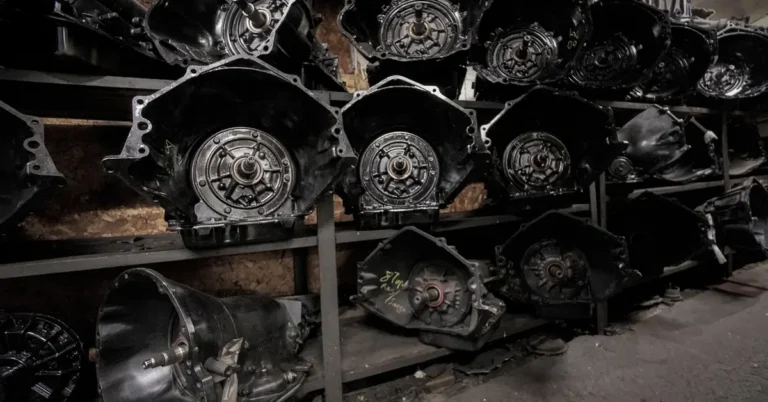
The 750Li uses a ZF 6HP26 six-speed automatic — a solid transmission when maintained properly. The problem is that BMW claimed the fluid was “lifetime” and never required changing. That’s marketing nonsense. By 100,000 miles, the fluid is cooked, and the transmission starts shifting harshly or slipping.
The most common specific failure is the mechatronic sleeve — a plastic sealing sleeve that connects the transmission’s control unit to the valve body. It gets brittle with heat and age, then cracks and leaks transmission fluid into the wiring harness. The fluid wicks up the harness and can destroy the transmission control module, which sits above the transmission.
Replacing the mechatronic sleeve is a $400-$600 job at an independent shop, including the sleeve itself, fresh fluid, and a filter. If you catch it early, that’s the fix. If you don’t, you’re looking at a full transmission rebuild or replacement — $4,000 to $6,500 depending on whether you buy rebuilt or used. The cheapest insurance is a transmission fluid service every 60,000 miles, which costs about $300-$400.
Cooling System Collapse (Water Pump and Expansion Tank)
The N62 V8 runs hot, and the cooling system is its weak point. The electric water pump is a known failure item — it typically dies between 60,000 and 90,000 miles. When it fails, the engine overheats quickly, and continuing to drive can warp the cylinder heads. The pump itself costs $350-$500 for a quality aftermarket unit, plus another $200-$300 in labor.
The expansion tank (coolant reservoir) is made of plastic that becomes brittle over time. Cracks form at the seams, and coolant leaks out. A new tank costs $80-$150, and replacing it is a DIY-friendly job if you’re handy. The bigger risk is that a failing expansion tank can cause air pockets in the cooling system, leading to hot spots and potential head gasket failure.
My honest advice: replace the water pump, thermostat, and expansion tank as a preventive maintenance package at 80,000 miles. The parts cost around $600-$800, and the labor is about $400 at an independent shop. That’s a lot cheaper than the $3,000+ bill for a blown head gasket.
Oil Consumption and Valve Stem Seal Failure
This is the one that scares people away from the N62 engine. The valve stem seals — small rubber seals that keep oil from entering the combustion chamber — harden and shrink over time. The result is oil burning, especially when the engine is cold or after it sits for a while. You’ll see blue smoke from the exhaust on startup, and you’ll be adding a quart of oil every 500-1,000 miles.
The proper fix is replacing the valve stem seals, which requires removing the cylinder heads. That’s a $3,000-$4,500 job at an independent shop, and more at a dealer. Some shops offer a less invasive procedure where they pressurize the cylinders to hold the valves in place and replace the seals without removing the heads — that runs about $1,800-$2,500. It’s a viable option, but results vary depending on the shop’s skill.
There’s also a chance the oil consumption is caused by worn piston rings rather than valve stem seals. Rings are a bigger problem — they require a full engine rebuild, which costs more than the car is worth. A compression test and leak-down test before buying can help distinguish between the two, but neither test is definitive.
If you’re handy, you can live with moderate oil consumption by checking the level weekly and topping up. It’s not ideal, but it’s manageable. Just don’t ignore it — running low on oil will destroy the engine.
Air Suspension and Ride Height Sensor Failures
The 750Li rides on air springs at all four corners. They provide a magical ride when working, but they don’t last forever. The rear air springs are the most common failure — the rubber bladder cracks and leaks, causing the rear of the car to sag. You’ll notice the car sitting low on one side in the morning, and the compressor will run constantly to try to maintain ride height.
A pair of rear air springs costs $300-$500 for aftermarket units, plus $200-$400 in labor. The air compressor itself can also fail, especially if it’s been running constantly due to a leak. A replacement compressor runs $400-$700. The ride height sensors — which tell the suspension computer where the car sits — cost $100-$200 each and are prone to failure from road debris and corrosion.
Some owners convert to conventional coil springs when the air suspension fails, which costs about $800-$1,200 and eliminates the problem permanently. The ride quality suffers slightly, but you’ll never worry about sagging again. It’s a pragmatic choice for a budget-conscious owner.
2026 BMW 750Li Repair Costs: What Owners Actually Pay
Let’s talk real numbers. These are typical costs at independent BMW specialists in 2026 — dealer prices run 30-50% higher. Parts prices vary by brand and source, so shop around.
| Problem | Parts Cost | Labor Cost | Total Range | Frequency |
|---|---|---|---|---|
| Battery drain / FSR replacement | $40-$80 | $100-$200 | $140-$280 | Very common |
| Mechatronic sleeve leak | $100-$150 | $300-$450 | $400-$600 | Common over 80k miles |
| Water pump replacement | $350-$500 | $200-$300 | $550-$800 | Common at 60-90k miles |
| Valve stem seals | $300-$600 | $1,500-$3,900 | $1,800-$4,500 | Very common over 100k miles |
| Rear air springs (pair) | $300-$500 | $200-$400 | $500-$900 | Common over 80k miles |
| Transmission rebuild | $2,500-$4,000 | $1,500-$2,500 | $4,000-$6,500 | Occasional if neglected |
| Fuel pump replacement | $200-$350 | $150-$250 | $350-$600 | Occasional |
Here’s the pattern: the 2026 BMW 750Li problems aren’t exotic or mysterious. They’re predictable failures of aging components. The car doesn’t randomly break — it breaks at known mileages. If you buy one with 100,000 miles and no service records, budget $3,000-$5,000 for catch-up maintenance in the first year. That covers the water pump, transmission service, air springs, and any electrical gremlins that surface.
Compare that to a 2026 Mercedes S550 or Audi A8 of the same era. The S550 has its own suspension and electrical issues, but its M273 V8 is generally more robust than the N62. The Audi A8’s air suspension is even more fragile than the BMW’s. Neither is cheaper to own — they’re all money pits in different ways. The BMW’s advantage is that it has a huge enthusiast community, which means more independent shops know how to work on it and parts are readily available.
How to Diagnose a 2026 BMW 750Li Before You Buy (Checklist)
A thorough pre-purchase inspection is worth every penny. Here’s what to check, in order of importance.
- Pull the service history. Look for records of transmission fluid changes, cooling system work, and valve stem seal replacement. A car with documented maintenance is worth paying a premium for. No records? Assume the worst and negotiate accordingly.
- Check for oil burning. Start the engine cold and watch the exhaust. Blue smoke on startup is a valve stem seal red flag. Let it idle for five minutes, then rev it — if you see smoke under acceleration, the rings may be worn.
- Test the suspension. Walk around the car and note the ride height. It should be level on all four corners. Press down on each corner — the car should settle and rise back up. A sagging corner or a compressor that runs constantly indicates a leak.
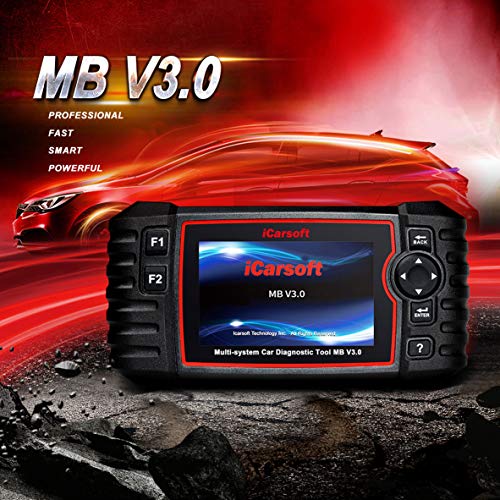
- Scan for codes. Bring a BMW-capable scan tool or have a shop run a full diagnostic. Look for stored codes related to the transmission, air suspension, and cooling system. A clean scan doesn’t guarantee a clean car, but a dirty scan tells you exactly what’s wrong.
- Inspect the cooling system. Look for coolant stains around the expansion tank, water pump, and radiator hoses. Check the coolant level and condition. Milky or rusty coolant is a bad sign.
- Check the transmission behavior. Drive it through all gears at low and high speeds. Feel for harsh shifts, hesitation, or slipping. Pay attention to the shift from 3rd to 4th — that’s where mechatronic issues often show up.
- Listen for unusual noises. A whining noise from the rear could be a failing differential. A clicking from the front could be a worn CV joint. The N62 V8 should sound smooth — any ticking or knocking is a red flag.
If you’re not confident doing this yourself, pay a BMW specialist $150-$250 for a pre-purchase inspection. It’s the best money you’ll spend on this car. A good inspector will find the expensive problems before you buy them.
2026 BMW 750Li vs. Competitors: Is It Worth the Risk?
Let’s stack the 750Li against its two main rivals from 2026: the Mercedes-Benz S550 and the Audi A8. All three are German V8 flagships with air suspension and complex electronics. All three are risky purchases today. The question is which risk is most manageable.
The S550’s M273 engine is more reliable than the N62. It doesn’t have the valve stem seal issue, and its cooling system is less failure-prone. But the S550’s air suspension (Airmatic) is just as fragile, and its electronics have their own gremlins. Parts are comparable in cost to the BMW.
The Audi A8’s 4.2L V8 is decent, but its air suspension is notoriously finicky, and the all-wheel-drive system adds drivetrain complexity. The A8 also has a smaller enthusiast following in the US, which means fewer independent specialists and longer waits for parts.
In terms of total cost of ownership over a three-year period, expect to spend $4,000-$8,000 on any of these cars in maintenance and repairs. The BMW has the advantage of a massive parts supply and knowledgeable independent shops. The Mercedes is slightly more reliable but more expensive to service. The Audi is the cheapest to buy but the hardest to find parts for.
There’s also the 2026 BMW 645Ci to consider — it shares the same N62 V8 and many of the same problems, but in a coupe body that weighs less and handles better. If you don’t need the rear legroom, the 645Ci is a more engaging car with similar ownership costs.
Final Verdict: Should You Buy a 2026 BMW 750Li in 2026?
Here’s my honest take: the 2026 750Li is a car for someone who loves working on cars, has a healthy repair budget, and doesn’t need a daily driver. It’s not a sensible purchase. It’s an emotional one. And there’s nothing wrong with that — as long as you go in with your eyes open.
If you find a well-maintained example with documented service history and a recent valve stem seal job, it can be a rewarding car. The V8 is smooth, the ride is superb, and the presence is undeniable. But you have to be willing to spend money on it every year. If that thought makes you uncomfortable, walk away.
For most people, the smarter play is to buy a 2026 BMW 328i or similar — a car that’s cheaper to own and more reliable. But if you’re set on a V8 flagship, at least follow the checklist above and budget for the worst.
- Budget $3,000-$5,000 for catch-up maintenance in the first year of ownership.
- Get a pre-purchase inspection from a BMW specialist — it’s worth the $200.
- Check for blue smoke on startup to spot valve stem seal wear.
- Test the air suspension for sagging and listen for the compressor cycling.
- Insist on transmission service records; a neglected 6HP26 is a ticking time bomb.
- Replace the water pump and expansion tank preventively at 80,000 miles.
- Consider the 2026 BMW X5 4.4i if you need SUV space — it shares many parts but is easier to work on.
The 2026 BMW 750Li problems are real, documented, and expensive. But they’re also predictable. Know what you’re buying, budget accordingly, and you might just end up with a bargain. Go in blind, and you’ll be the next person selling a “great car, just needs a battery” on Facebook Marketplace.
Products related to this article
Sponsored / affiliate links. As an Amazon Associate I earn from qualifying purchases. I may earn additional commission from eligible campaigns.