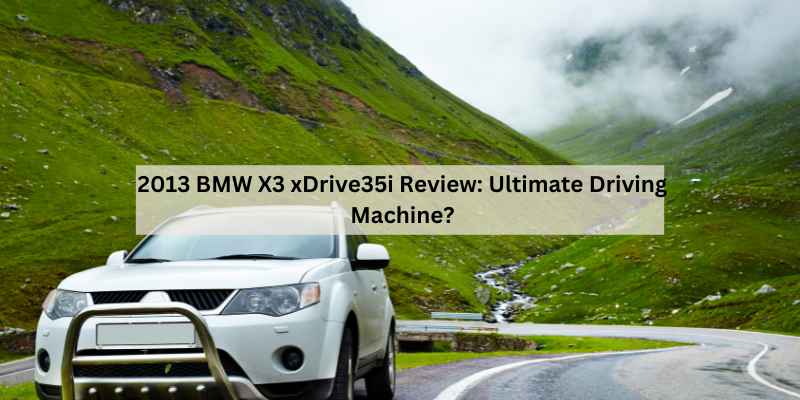
2026 BMW X3 xDrive35i Review: The Smart Used Buyer’s Guide
You’ve found a 2026 BMW X3 xDrive35i for sale. It’s got the six-cylinder engine everyone talks about, the all-wheel drive you need for winter, and a price tag that looks tempting next to a new compact luxury SUV. But before you hand over your money, you need to know what you’re actually getting into. This isn’t a press release recap. This is the pre-purchase checklist you need, built from owner forums, service records, and the specific failure points that show up on these cars.
This guide covers the N55 engine’s real-world behavior, the ZF 8-speed transmission, what the 2026 model does better and worse than the 2026 facelift, and exactly what maintenance looks like at 100,000 miles. You’ll also get a direct comparison against the four-cylinder xDrive28i and the modern rivals like the Porsche Macan and Audi SQ5. By the end, you’ll know if this specific BMW is a smart buy or a money pit waiting to happen.
BMW
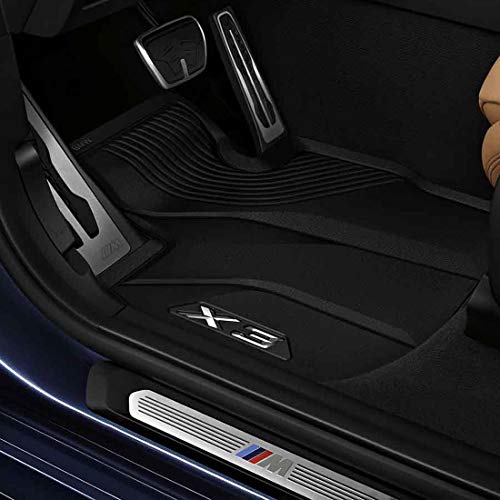
BMW 51472450511 All-Weather Floor Mats for G01…
- Genuine BMW Product
- The Original BMW all-weather floor mats combine robust functionality with impressive design
- Protects the footwell and flooring from dirt, moisture and wear
While you’re evaluating the interior, keep in mind that the factory carpet mats take a beating from winter salt and mud. A set of genuine BMW all-weather floor mats, like the BMW 51472450511 All-Weather Floor Mats, protects the original carpet and keeps the cabin looking clean when you go to resell it. They’re a simple addition that makes a real difference in a daily driver.
2026 BMW X3 xDrive35i: The Sweet Spot of the First Generation
The first-generation X3 (E83) was a bit rough around the edges. The second generation, codenamed F25, fixed most of that. It arrived for the 2026 model year with a more refined interior, better noise insulation, and a much more modern electronics suite. By 2026, BMW had sorted out the early bugs in the F25 platform, making it a solid choice for a used luxury SUV.
The 2026 model sits right in the middle of the F25’s life cycle. It has the updated iDrive system with the larger screen, but it still uses the hydraulic power steering that gives better feedback than the electric setup in later cars. You get the classic BMW steering feel that many enthusiasts miss, paired with a chassis that handles far better than a tall SUV has any right to.
Engine and Transmission: The N55 and ZF 8-Speed Duo
The heart of the xDrive35i is the N55 engine. It’s a 3.0-liter turbocharged inline-6 that produces 300 horsepower and 300 lb-ft of torque. This engine replaced the older N54 twin-turbo unit, and it brought some important improvements. The N55 uses a single twin-scroll turbocharger, which reduces lag and simplifies the plumbing under the hood. It also uses direct injection and variable valve timing (VANOS) on both the intake and exhaust camshafts.
Mated to this engine is the ZF 8-speed automatic transmission. This gearbox is widely regarded as one of the best automatics ever made. It shifts quickly, responds intelligently to throttle inputs, and returns decent fuel economy thanks to its wide gear spread. In manual mode, the shifts are snappy, though not quite as instant as a dual-clutch unit. For a daily driver, this is the better choice.
Real-World Performance and 0-60 Times
BMW claimed a 0-60 mph time of 5.3 seconds for the 2026 xDrive35i. Independent tests have clocked it at around 5.5 seconds, which is close enough. That’s genuinely quick for a vehicle that weighs over 4,200 pounds. The torque comes on strong from just 1,200 rpm, so it never feels sluggish in normal traffic. You don’t need to rev it out to make progress; the mid-range pull is where this engine shines.
On the highway, the X3 is a relaxed cruiser. At 70 mph, the engine is turning around 2,000 rpm in eighth gear. It sits there quietly, ready to kick down two gears when you need to pass a truck. The inline-6 soundtrack is smooth and muted inside the cabin, though you can hear a bit of turbo whistle if you listen for it.
Driving Dynamics: Steering, Ride, and Adaptive Suspension
One of the standout features of the 2026 X3 is its steering. It’s hydraulic, not electric, and that makes a noticeable difference. The wheel has a natural weight to it, and you can feel what the front tires are doing. It’s not as chatty as a Porsche, but it’s far more communicative than the numb electric systems found in many modern BMWs.
The standard suspension is a good balance of comfort and control. It absorbs bumps without floatiness, and body roll is well controlled for an SUV. If you find the optional adaptive suspension (Dynamic Damper Control) on a used model, it’s worth having. In Comfort mode, the ride softens up for highway cruising. In Sport mode, the dampers firm up and the body stays flatter through corners. It’s a genuine improvement, not a gimmick.
That said, the ride is still firm by SUV standards. On rough, broken pavement, you’ll feel sharp impacts through the suspension. It’s not harsh, but it’s not cushy either. If you’re coming from a Lexus RX, this will feel sporty and a bit stiff. That’s the trade-off for the handling capability.
Interior Quality, iDrive, and Cargo Space
Inside, the 2026 X3 is a big step up from the first generation. The materials are high-quality, with soft-touch plastics on the dash and doors. The front seats are supportive and comfortable for long drives, though the side bolsters could be a bit more aggressive for spirited driving. Rear legroom is generous, and two adults can sit comfortably back there.
The iDrive system in the 2026 model is the CIC version, which is a significant improvement over earlier iterations. The screen is crisp and bright, and the controller knob is intuitive to use. Navigation works well, and the system responds quickly to inputs. The learning curve is real, but you’ll get used to it in a few days. The one drawback is that the system doesn’t support Apple CarPlay or Android Auto. You can add a retrofit module, but it’s an extra cost to consider.
Cargo space is practical. There’s 27.6 cubic feet behind the rear seats, which expands to 63.3 cubic feet with them folded flat. That’s enough for a large stroller, golf clubs, or a week’s worth of groceries. The rear hatch is power-operated on most models, and the split-folding rear seats make loading awkward items easier.
2026 vs. 2026 LCI: What the Facelift Changed
BMW gave the X3 a facelift (Life Cycle Impulse, or LCI) for the 2026 model year. The changes were mostly cosmetic, but a few mechanical updates matter if you’re shopping between the two years.
The 2026 model got revised front and rear bumpers, new LED headlights, and a slightly updated grille. Inside, the iDrive system was upgraded to the newer NBT version, which is faster and supports a touchpad on the controller. The 2026 model also received a minor power bump for the N55 engine, increasing output to 302 horsepower. In practice, you won’t feel the difference.
More importantly, the 2026 LCI switched to electric power steering. That’s a downgrade for driving enthusiasts. The electric system is lighter and less communicative than the hydraulic unit in the 2026. If steering feel matters to you, the 2026 is the better choice. The 2026 looks a bit more modern, but it loses some of the BMW character.
The 2026 also avoids some of the early production issues that affected 2026 and 2026 models. It’s the most reliable version of the pre-LCI F25, which makes it a smart pick for a used buyer.
xDrive35i vs. xDrive28i: Which Used Engine to Choose
If you’re shopping for a 2026 X3, you’ll likely see both the xDrive35i and the xDrive28i. The 28i has a 2.0-liter turbocharged four-cylinder engine that produces 240 horsepower. It’s lighter, more fuel-efficient, and cheaper to maintain. But it doesn’t have the smoothness or the power of the six-cylinder.
Here’s the thing: the four-cylinder is a good engine, but it has to work harder to move the X3’s weight. It’s not slow, but it feels less effortless than the N55. The four-cylinder also uses a different turbocharger setup that can be more prone to carbon buildup on the intake valves.
The N55 in the 35i is the better engine for the long haul. It’s smoother, more powerful, and has a better track record for reliability in this application. The fuel economy penalty is real, but it’s not huge. You’ll give up about 2-3 mpg in mixed driving. For the extra performance and refinement, that’s a fair trade.
| Specification | 2026 xDrive35i | 2026 xDrive28i |
|---|---|---|
| Engine | 3.0L Turbo Inline-6 | 2.0L Turbo Inline-4 |
| Horsepower | 300 hp | 240 hp |
| Torque | 300 lb-ft | 260 lb-ft |
| 0-60 mph | 5.3 seconds | 6.5 seconds |
| EPA City/Highway | 19/26 mpg | 21/28 mpg |
| Real-World Combined | 21-22 mpg | 24-25 mpg |
| Reliability at 100k | Good, known issues | Good, less stressed |
Long-Term Reliability and Common Problems (N55 Specific)
The N55 engine is generally reliable, but it has a few known weak points. The most serious is the timing chain. On some N55 engines, the timing chain guide rails can wear out and break, which can cause catastrophic engine damage. This is more common on early N55s, but it can happen on 2026 models as well.
The timing chain issue typically shows up between 60,000 and 100,000 miles. The symptoms include a rattling noise on cold start, especially from the front of the engine. If you hear that, get it checked immediately. Replacing the timing chain and guides is a major job, usually costing $2,500 to $4,000 at an independent shop. It’s not a matter of if, but when, on some cars. Check the service history for this repair before buying.
Timing Chain, VANOS, and Oil Consumption Issues
VANOS is BMW’s variable valve timing system. The N55 uses it on both camshafts, and the solenoids can fail over time. Symptoms include rough idle, loss of power, and a check engine light. Replacing the solenoids is a relatively simple DIY job, and the parts cost around $200.
Oil consumption is another issue to watch. Some N55 engines burn oil at a higher rate than others. It’s normal for a turbocharged engine to use a quart every 1,000 to 1,500 miles on a high-mileage car. If it’s using more than that, there could be a problem with the valve stem seals or the PCV system. Check the dipstick regularly if you buy one.
Other common problems include the electric water pump, which can fail without warning around 70,000 miles. The replacement cost is about $800 to $1,200. The valve cover gasket can also leak oil, which is a $400 to $600 repair. None of these are deal-breakers, but they’re costs you should budget for.
Real Owner Fuel Economy and Maintenance Costs
The EPA rated the 2026 xDrive35i at 19 mpg city and 26 mpg highway. Real-world numbers from owner forums are a bit different. Most owners report an average of 21 to 22 mpg in mixed driving. On a long highway trip, you can see 26 to 27 mpg if you keep it around 70 mph. In heavy city traffic, expect closer to 17 mpg. It’s not a fuel-sipper, but it’s respectable for a 300-horsepower AWD SUV.
Maintenance costs at 100,000 miles are where you need to plan. Here’s a breakdown of common services and their typical costs at an independent BMW shop:
- Oil change (full synthetic): $90 – $120
- Brake pads and rotors (front): $600 – $800
- Spark plugs and ignition coils: $500 – $700
- Coolant flush and thermostat: $300 – $450
- Transmission fluid service: $400 – $600
- Water pump and thermostat: $800 – $1,200
- Timing chain replacement (if needed): $2,500 – $4,000
Annual maintenance costs will run $1,500 to $2,500 for a well-maintained example. That’s higher than a Toyota, but in line with other German luxury SUVs. The key is to find a car with documented service history and to budget for the known issues.
How It Stacks Up: BMW X3 vs. Porsche Macan vs. Audi SQ5
If you’re looking at a 2026 X3, you might also be considering a Porsche Macan or an Audi SQ5 from the same era. Here’s how they compare.
The Porsche Macan is the driver’s choice. It has sharper steering, better body control, and a more engaging feel behind the wheel. But it’s also more expensive to buy and maintain. The Macan’s 3.0-liter V6 is a strong engine, but it has its own set of reliability issues, including timing chain and transfer case problems. Parts and labor at a Porsche dealer are significantly higher than at a BMW shop.
The Audi SQ5 is a different animal. It uses a supercharged 3.0-liter V6 that makes 354 horsepower, which is more than the BMW. It’s brutally quick in a straight line, but it’s not as engaging to drive. The steering is numb, and the handling is competent but not exciting. The supercharged engine is also very reliable, though it has its own issues with the PCV system and coolant leaks.
The BMW X3 sits in the middle. It’s not as sharp as the Macan, but it’s more fun than the SQ5. It’s not as fast as the Audi, but it’s quicker than the base Macan. It’s also the cheapest to buy and maintain of the three. For a used buyer, the X3 offers the best balance of performance, practicality, and cost of ownership. You can read more about BMW X3 models to see how the earlier generation compares.
Final Verdict: Is the 2026 xDrive35i Worth Buying Today?
The 2026 BMW X3 xDrive35i is a compelling used buy, provided you do your homework. It offers strong performance, excellent steering feel, and a practical interior that still works for a family. The N55 engine is a good unit, but it has known failure points that you need to check for before purchase.
Look for a car with a clean service history, especially for the timing chain and water pump. Budget for $1,500 to $2,500 per year in maintenance. If you find a well-cared-for example, it will reward you with a driving experience that few modern SUVs can match. It’s not perfect, but it’s a smart choice for someone who wants a fun, practical, and relatively affordable German SUV.
- Prioritize the 2026 model over the 2026 LCI if steering feel matters to you.
- Check the timing chain service history on any car over 60,000 miles.
- Budget at least $2,000 per year for maintenance and repairs.
- Real-world fuel economy is around 21-22 mpg combined, not the EPA’s optimistic numbers.
- Choose the xDrive35i over the xDrive28i for better long-term reliability and performance.
- Consider the timing chain replacement cost when negotiating the price.
- Always get a pre-purchase inspection from a BMW specialist before buying.
Products related to this article
Sponsored / affiliate links. As an Amazon Associate I earn from qualifying purchases. I may earn additional commission from eligible campaigns.