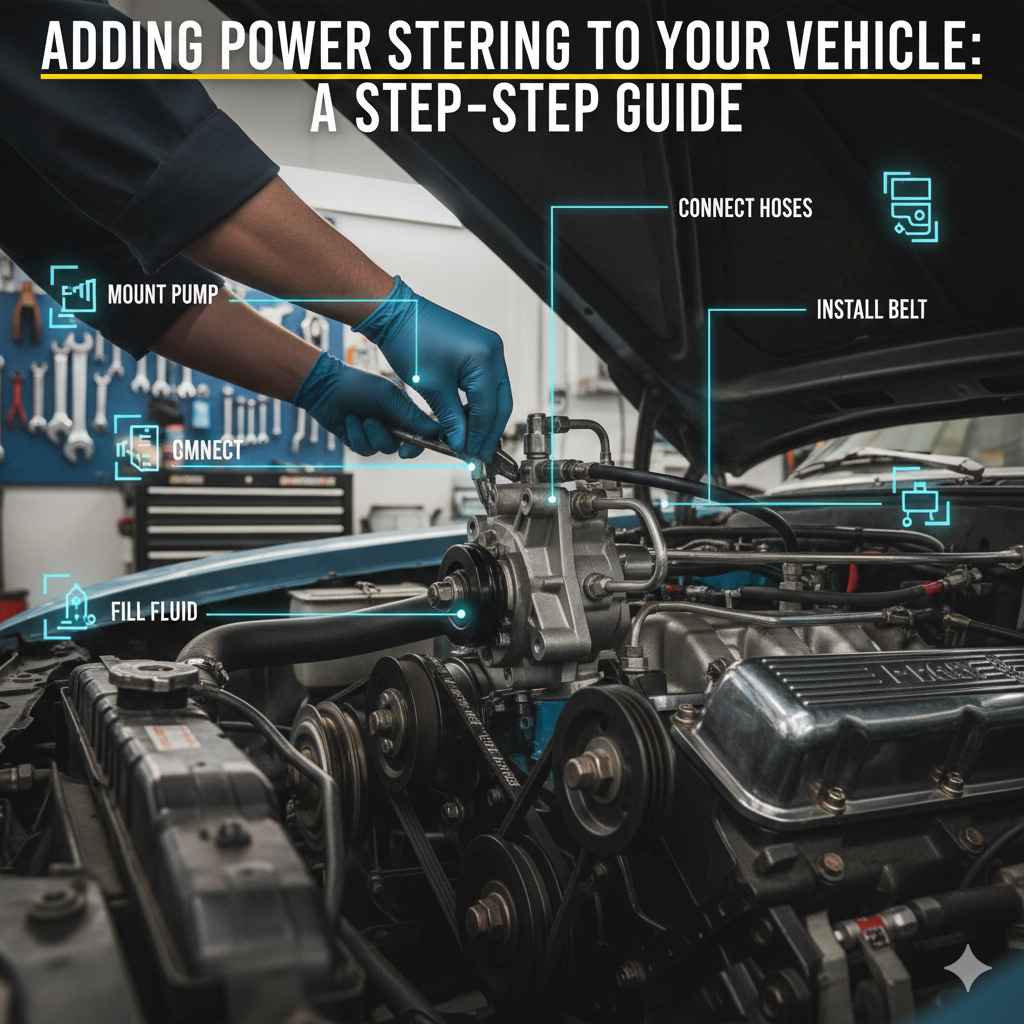
Adding Power Steering to Your Vehicle: A Step-by-Step Guide
Thinking about modifying your car? The question of Can You Add Power Steering to a Car? pops up a lot. It seems tricky if you’re just starting, doesn’t it? Don’t worry, it’s totally manageable. This blog post will break down the process into easy steps. We’ll explore everything from the basics to the nitty-gritty. Get ready to explore how you can upgrade your driving experience. Let’s get started!
What Is Power Steering and Why Add It?
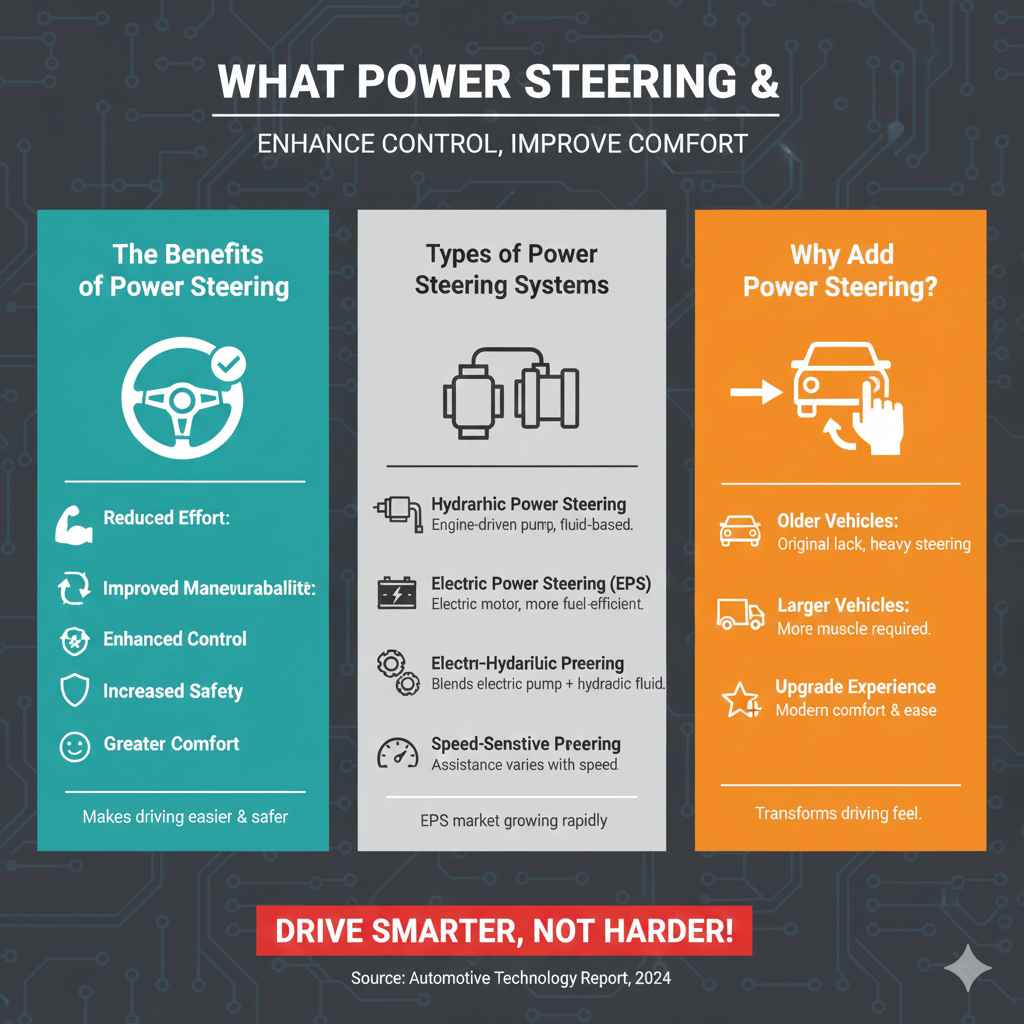
Power steering makes turning your car’s steering wheel much easier. It uses a hydraulic or electric system to assist you. Without it, turning the wheel can require a lot of muscle, especially when the car is stopped or moving slowly. You might be wondering, why bother with power steering? Well, it vastly improves how easy it is to drive. It makes parking and low-speed maneuvers a breeze. This is particularly helpful in larger vehicles or older cars that weren’t originally equipped with power steering.
The Benefits of Power Steering
Power steering offers some great advantages. It’s more than just an easier turn. Modern power steering systems enhance the overall driving experience. They make driving less tiring. The technology adapts to the car’s speed. At low speeds, you get maximum assistance. At high speeds, the assistance decreases to give you better control. Many drivers find that power steering helps them maintain better control, especially during quick maneuvers or on uneven roads. Considering these points, power steering makes the driving experience significantly better.
- Reduced Effort: Power steering significantly reduces the physical effort needed to turn the steering wheel. This is the most obvious benefit. It makes driving less tiring, especially during slow maneuvers.
- Improved Maneuverability: It makes parking and tight turns much simpler. This is key in city driving and tight spaces.
- Enhanced Control: Many systems offer better road feel and control. This helps in both normal driving and emergency situations.
- Increased Safety: Easier steering can improve reaction times. This boosts overall safety.
- Greater Comfort: Driving becomes a more pleasant experience. This reduces fatigue on longer journeys.
Did you know power steering systems also have an impact on fuel economy? Power steering pumps, especially hydraulic ones, draw power from the engine. This can slightly decrease fuel efficiency. However, electric power steering systems are often more fuel-efficient. They only use power when steering assistance is needed.
Types of Power Steering Systems
There are mainly two types of power steering systems: hydraulic and electric. Hydraulic systems use a pump powered by the engine to provide assistance. Electric systems use an electric motor. Both have their pros and cons. Understanding these differences is key before you consider the question, “Can You Add Power Steering to a Car?” Understanding the differences is important. Different systems suit different needs.
- Hydraulic Power Steering: These systems are common in older cars. They use a pump driven by the engine. This pump pushes hydraulic fluid to a steering gear. The gear assists in turning the wheels.
- Electric Power Steering (EPS): EPS systems use an electric motor to provide assistance. These systems are common in newer cars. They’re often more fuel-efficient.
- Electro-Hydraulic Power Steering: A blend of the two systems, using an electric pump to drive hydraulic fluid.
- Speed-Sensitive Power Steering: Some systems vary the amount of assistance based on vehicle speed. This provides lighter steering at low speeds and firmer steering at higher speeds.
Electric power steering is becoming more popular. According to recent data, the EPS market is growing rapidly. It’s predicted to continue growing due to its efficiency and integration with advanced driver-assistance systems (ADAS). The simplicity of electric systems is a big draw. They also offer advantages when it comes to packaging in modern vehicles, and have a smaller impact on fuel consumption.
Exploring the Question: Can You Add Power Steering to a Car?
Yes, in most cases, you can add power steering to a car. But, it’s not always simple. It usually requires some mechanical know-how. The project’s difficulty changes based on the car’s make, model, and year. Consider all these points when you explore adding power steering. Some cars will be easier to upgrade than others. The main factors influencing the ease of this upgrade are the availability of parts and the level of modification needed.
Factors to Consider Before Beginning
Before you start, do some homework. Think about your mechanical skills and available tools. Research what parts you’ll need. Determine the specific system that’s right for your car. This preparation helps ensure a smoother and more successful project. It’s important to be realistic about your skills. If you are not familiar with car mechanics, it is suggested that you get assistance from someone who is more experienced.
- Vehicle Compatibility: Research if a power steering system is available for your car. Some cars may have factory-made options for this upgrade.
- Parts Availability: Check if you can get the parts you need, such as the pump, steering gear, hoses, and belt.
- Mechanical Skills: Assess your abilities. Adding power steering requires a good knowledge of car mechanics.
- Budget: Power steering conversions can get expensive. Parts and labor costs add up.
- Tools Required: Make sure you have the right tools. Wrenches, sockets, and other tools are needed.
The cost varies greatly based on the type of system. Hydraulic systems may cost between $500 to $1,500. Electric systems might cost more. Labor costs will add to the price if you don’t do it yourself. This is why planning is key. You can find many resources to get a realistic estimate. These resources are online forums, automotive shops, and parts suppliers. Having a well-defined budget helps to manage the project more effectively.
Finding the Right Power Steering Kit
If you decide to add power steering, you’ll need to find the correct kit. Some companies sell specific conversion kits. These kits usually have all the parts needed. They make the installation much easier. Doing some research is important. Always look at reviews and compare prices. Choosing the right kit makes the process much simpler. It reduces the chance of problems during installation.
- Kit Availability: Check if a kit is made for your car’s make and model. Kits make things much simpler.
- Kit Contents: See what the kit includes. Does it have all the parts you need? Does it include everything from the pump and steering gear to the brackets and hoses?
- Reviews and Ratings: Read reviews to see what others say. This can help you avoid potential issues.
- Price Comparison: Compare prices from different suppliers. Be sure to consider the quality of the parts.
- Installation Instructions: Ensure the kit comes with clear, easy-to-follow instructions. Good instructions are essential for a successful install.
Consider the source of the parts. Some kits may use repurposed parts. Others may use new parts. This affects cost and reliability. Also, verify that the kit meets your needs and budget. Good research saves time and money. Check the parts’ build quality, like the types of hoses and fittings. Using high-quality components will greatly increase the reliability and lifespan of the power steering system.
Step-by-Step Guide to Adding Power Steering
Installing a power steering system requires planning and a careful approach. Each project is unique. The general steps are similar. Here’s a simplified version of the general process. These steps give you a good outline. Remember that you may need to adjust these steps based on the kit and car you’re working with. Always consult the kit’s instructions. A careful approach ensures a successful power steering addition.
Preparing Your Car
Before beginning, prepare your workspace and your car. Doing these things correctly helps. This includes safety precautions and organizing your work area. Preparing correctly reduces the chance of problems during the install. Safe practices are crucial when working with vehicles. You should also ensure that the car is safely supported.
- Safety First: Disconnect the car’s battery. This prevents accidental shorts or electrical shocks.
- Lift and Secure the Vehicle: Use jack stands to safely raise the car. Always support the car. Never work under a car supported only by a jack.
- Drain Fluids: Drain any fluids that will be removed, like power steering fluid or coolant.
- Remove Old Components: Remove the old manual steering gear. The steps for removing old components include removing the steering linkage, disconnecting any hoses or lines, and unbolting the existing steering gear from the chassis.
- Clean the Work Area: Make sure the area is clean. Have all your tools and parts nearby.
Prepare the car for the new power steering system. This is an important step. Be methodical and organized. This reduces the chances of issues later. Use these steps to guide your prep work. These steps should also give you a feel for how complex the upgrade might be. Be sure to label any components, fasteners, or other parts that you remove to avoid any guesswork during reassembly.
Installing the Power Steering Components
Next, install the power steering parts. Follow the instructions that came with the kit. Usually, you start with the steering gear and pump. This phase requires precision. Any mistakes could affect how well the power steering works. Careful installation ensures the system’s performance and reliability. Remember to refer to the kit instructions at every step.
- Install the Steering Gear: Bolt the new power steering gear to the chassis. Connect the steering linkage to the new gear.
- Mount the Pump: Find a good place for the power steering pump. Often, it mounts on the engine. Use the brackets.
- Install the Pulley: Attach a pulley to the pump. This pulley needs to align with the crankshaft pulley.
- Run the Hoses: Connect the high-pressure and return hoses between the pump and the steering gear. Ensure the hoses run smoothly without kinks.
- Install the Reservoir: Mount the power steering fluid reservoir. This is often attached to the pump or mounted nearby.
Ensure that all connections are secure. Double-check your work for safety. Tighten all bolts and hose fittings. Check for leaks before adding fluid. Once the installation is complete, fill the power steering reservoir with the right fluid. Also, make sure all the belts are properly aligned and tensioned. These steps are key to a successful upgrade.
Final Steps and Testing
After you have installed all the components, there are some last steps. These steps involve filling the system. It also involves testing and making adjustments. Doing these things properly is crucial for getting the system working. It also helps prevent potential problems. Thoroughly testing will help guarantee everything works as it should. Adjustments may be required, so having the right tools on hand is a good idea.
- Fill the System with Fluid: Add the right power steering fluid to the reservoir. Follow the instructions for your specific system.
- Bleed the System: Bleeding removes air. Air bubbles can stop power steering from working correctly. Bleeding typically involves turning the steering wheel lock-to-lock with the engine off.
- Start the Engine: Start the engine and let it run. Check for leaks around the hoses and fittings.
- Test the Steering: Turn the steering wheel. Make sure it’s working smoothly.
- Check for Noises: Listen for any unusual sounds. These could indicate problems.
After completing these steps, do a test drive. Pay attention to how the car steers at various speeds. Make sure the steering wheel is responsive and easy to control. Also, regularly check the fluid level and inspect the system for leaks. If the system fails the test, you may have to go back and check connections. You should repeat these steps to ensure everything works correctly.
Addressing Common Issues
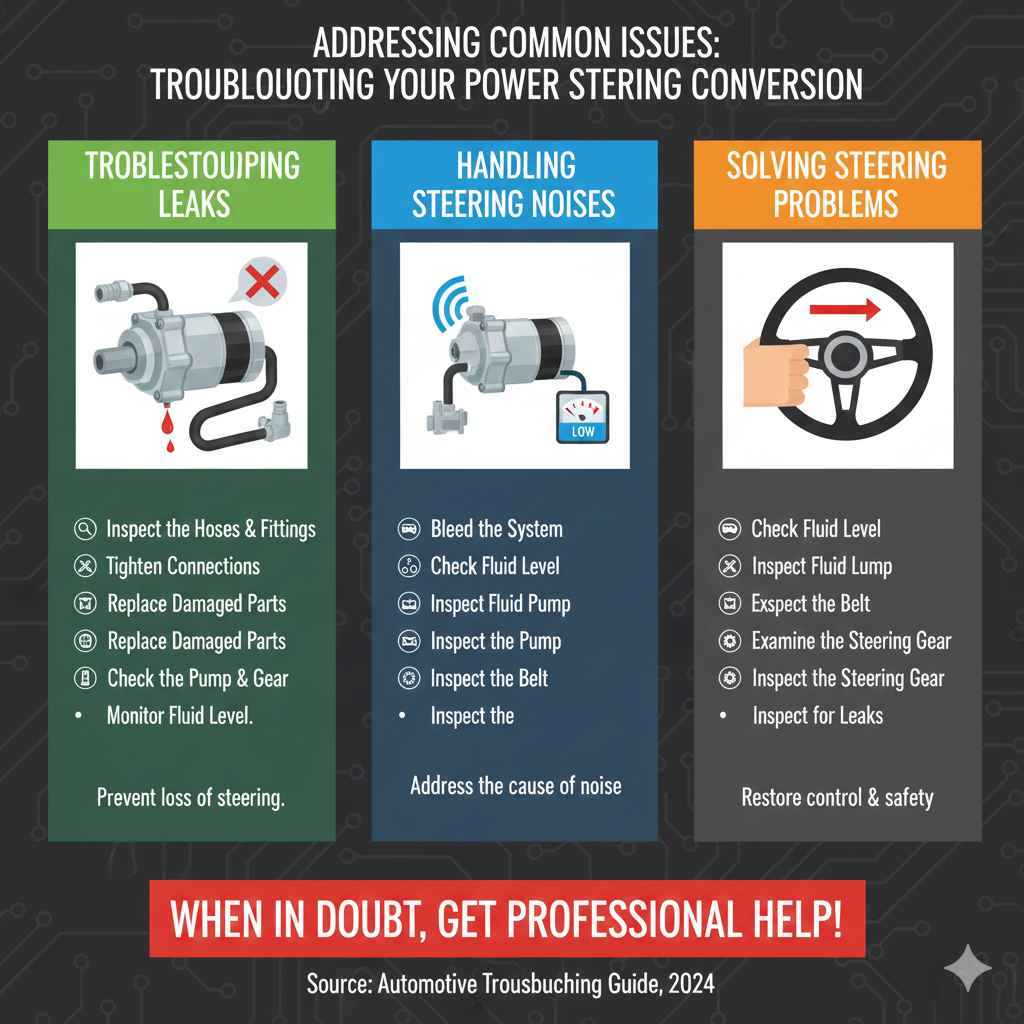
You may run into problems during a power steering conversion. Common problems involve leaks, noise, or steering issues. Knowing how to solve these problems is useful. This information can save time and frustration. With careful troubleshooting, you can handle most issues that might come up. It’s helpful to have some familiarity with common issues that occur during this project.
Troubleshooting Leaks
Leaks are a common problem. They’re often caused by loose fittings or damaged hoses. When you are asking yourself, Can You Add Power Steering to a Car? keep in mind, you need to understand how to fix leaks. Finding and fixing leaks is a key part of the upgrade process. A leaking system can lead to loss of steering. It also causes damage to other parts of the car. It is important to know the steps to troubleshoot and fix these issues.
- Inspect the Hoses and Fittings: Carefully check all hoses and fittings. Look for any signs of damage, cracks, or looseness.
- Tighten Connections: Tighten any loose fittings. Use the right tools to avoid overtightening.
- Replace Damaged Parts: If a hose or fitting is damaged, replace it. Don’t try to repair it.
- Check the Pump and Gear: Inspect the power steering pump and steering gear for leaks. Seal leaks that originate from these components.
- Monitor Fluid Level: Keep an eye on the power steering fluid level. If the level drops quickly, there is a serious leak.
Properly diagnosing and repairing leaks can help prevent further problems. Early detection is helpful. Regular inspections are also important. These should be part of routine car maintenance. The right tools help find and fix the leaks. Using the correct replacement parts guarantees the system’s performance.
Handling Steering Noises
Noises in your power steering system can be annoying. These can be caused by various problems. Common causes include air in the system, low fluid, or a failing pump. The source of the noise determines the repair. Being able to solve these sounds is useful. Noise can be a sign of a bigger problem. Fixing the cause of the noise is key.
- Bleed the System: Air in the system can cause a whining noise. Bleeding the system often fixes this.
- Check Fluid Level: Low fluid can make the pump work harder. This often makes a whining sound.
- Inspect the Pump: A failing pump can make noise. Replacing the pump may be necessary.
- Check the Belt: Make sure the drive belt is in good condition. A loose or worn belt may slip and make noise.
- Inspect the Steering Gear: Sometimes, the steering gear itself can cause noises. This might indicate that the gear needs repairs or replacement.
Knowing what to do when your power steering makes a noise is essential. Identifying the noise’s source is critical. You might need to change the fluid. You may also need to replace worn parts. The earlier you address the problem, the easier it can be. If you are unsure, get professional help. This will prevent further damage to the steering system.
Solving Steering Problems
If you experience steering problems, it’s vital to address them right away. The main problems are hard steering, or erratic steering. Hard steering means it’s difficult to turn the wheel. Erratic steering feels unpredictable. Many factors can cause these issues. Identifying and fixing the root cause will restore control. Doing this guarantees safe driving conditions. If you are asking yourself, “Can You Add Power Steering to a Car?“, you must understand how to diagnose and solve any problems.
- Check Fluid Level: Low fluid can cause hard steering. Fill it up to the right level.
- Inspect the Pump: A failing pump may not provide enough assistance. Replacing it could be needed.
- Check the Belt: A loose or worn belt may not drive the pump correctly. Make sure that it is in good condition.
- Examine the Steering Gear: The steering gear may need to be repaired or replaced.
- Inspect for Leaks: Leaks can cause loss of pressure. This would also lead to steering problems.
If you have steering problems, diagnose them carefully. This may involve checking the system’s different components. Test the system when you are finished making repairs. This will guarantee that the steering wheel is responsive and easy to control. If the problem continues, consider getting professional help. This helps to resolve complex steering issues.
Frequently Asked Questions
Question: Is adding power steering difficult?
Answer: It depends on your mechanical skill, the car’s model, and the kit you choose. It can be a challenging project for beginners but is doable with the right preparation.
Question: What tools do I need for this project?
Answer: You’ll need basic tools like wrenches, sockets, screwdrivers, a jack, jack stands, and potentially some specialized tools depending on the kit.
Question: How much does it cost to add power steering?
Answer: The cost varies greatly. It depends on the system type and the car. You can expect to spend $500 to $1,500 or more for parts, plus any labor costs if you don’t install it yourself.
Question: Can I use any power steering fluid?
Answer: No, you must use the correct fluid for your power steering system. Check the kit instructions or your car’s manual.
Question: Where can I get help if I run into problems?
Answer: Many online forums and resources, as well as local mechanics, can provide assistance.
Final Thoughts
So, Can You Add Power Steering to a Car? Absolutely! It’s a project that’s within reach for many DIY mechanics. While it may seem like a big job, following the correct steps makes it manageable. From selecting the right kit to tackling the installation process, you can transform your driving experience. The results? Easier maneuvering, better control, and a more comfortable ride. Don’t be afraid to take the plunge. With a bit of research and some elbow grease, you can significantly enhance your car’s drivability. Consider the impact of a smoother steering experience, particularly for older vehicles. Go forth and explore the exciting world of automotive upgrades.