Best Adhesive for a Car Spoiler: Tape, Sikaflex or Silicone
The best adhesive for most car spoilers is a high-strength double-sided automotive tape, such as 3M VHB, for the structural bond, backed up with a bead of polyurethane sealant like Sikaflex-221 around the edges to block moisture and add reinforcement. A general-purpose silicone sealant such as Permatex 81158 works fine for small trim and gaps, but it is not the right primary bond for a spoiler that has to survive wind load, car washes, and temperature swings.
Most factory-installed spoilers are already held on with automotive-grade double-sided tape, not screws. When that bond fails, or you are installing an aftermarket spoiler yourself, the product you reach for matters more than the price tag. Below is how the three most common options actually compare, and how to use them together the way body shops do.
Which Adhesive Should You Use for a Car Spoiler?
| Adhesive | Best For | Bond Type | Cure Time | Typical Price |
|---|---|---|---|---|
| 3M VHB double-sided tape (5952/5962 or automotive trim tape) | Primary structural bond, especially on factory-style trunk or lip spoilers | Permanent acrylic foam bond, very high shear strength | Instant handling tack; 24 hours to full strength | $7–$20 per roll |
| Sikaflex-221 / 227 polyurethane sealant | Reinforcing the tape bond and sealing the perimeter against water | Flexible, permanently elastic; absorbs vibration and thermal expansion | Skins in about 1 hour; several days to fully cure | $9–$14 per tube |
| Permatex 81158 black silicone RTV sealant | General-purpose sealing on trim, weatherstripping, and small gaps | Flexible RTV silicone; lower shear and peel strength than urethane | Tack-free in about 1 hour; 24 hours to full cure | $5–$8 per tube |
Best Sealant For A Loose Spoiler
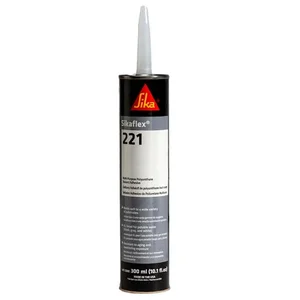 |
Sikaflex-221 Polyurethane Sealant/Adhesive, 10.1 fl oz – $13.30 A step up from general-purpose silicone when a spoiler needs a flexible, permanently elastic bond that can flex with vibration and temperature swings without cracking.
|
3M Tape, Polyurethane and Silicone: What Is Actually Different
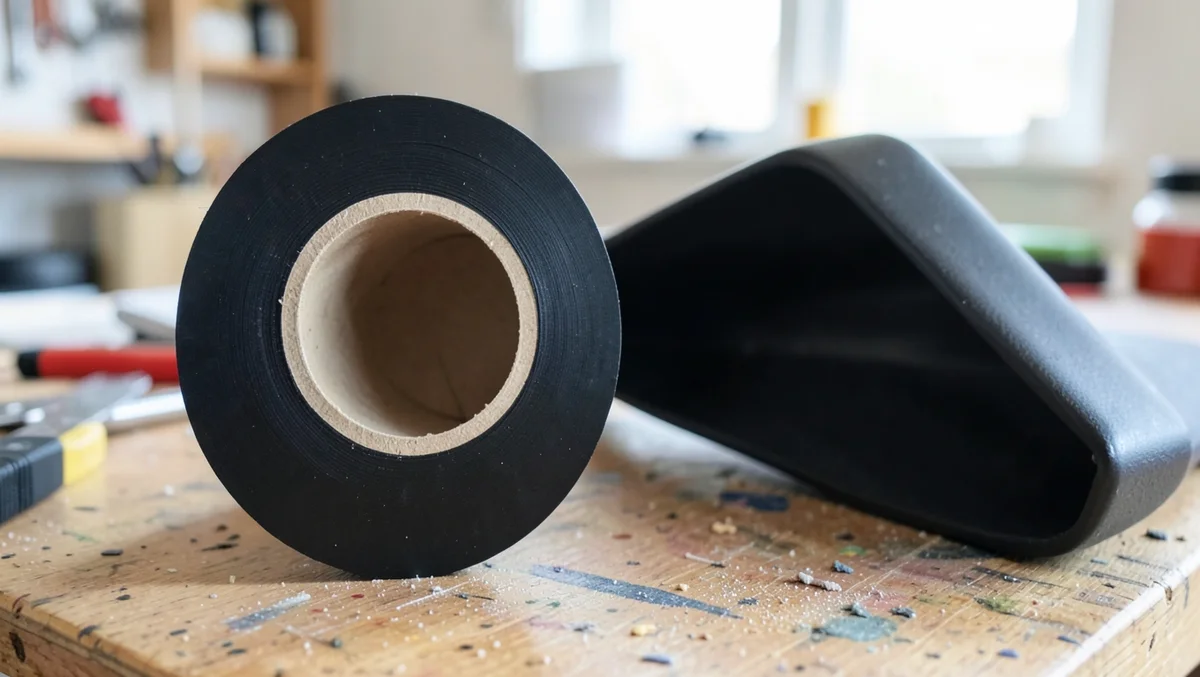
These three products are not interchangeable, even though all three show up in spoiler-repair threads. 3M VHB (Very High Bond) tape is an acrylic foam tape, not a glue — it is the same category of product automakers use to attach moldings and trim at the factory, and it is built to carry real structural load once it has fully bonded. Sikaflex-221 (and its close relative Sikaflex-227, sold for windshield bonding) is a one-part polyurethane that cures to a rubbery, permanently flexible seal — it bonds well and stays flexible through hot summers and cold winters, which is why body shops reach for it on parts that flex or vibrate.
Permatex 81158 black silicone RTV, by contrast, is a general-purpose sealant. Permatex markets it for windshields, door frames, weatherstripping, and electrical connections — useful jobs, but none of them ask the sealant to carry the ongoing wind load and vibration a spoiler puts on its mounting points. Silicone also has noticeably lower shear and peel strength than urethane, so it is a reasonable choice for a small trim piece or as a gap-filler, but it should not be the only thing holding a spoiler on.
Can You Combine 3M Tape and Sealant on a Spoiler?
Yes, and doing so is actually the standard professional approach rather than overkill. The tape provides the immediate hold and the primary structural bond; the sealant is then run as a thin bead around the perimeter to keep water out of the bond line and add a second layer of reinforcement at the edges, where a spoiler is most likely to start lifting. Body shops commonly pair 3M VHB tape (part numbers 5952 or 5962 for this job) with a bead of Sikaflex-221 or 227, and this combination is reported to hold for years without a single failure when the surfaces are prepped correctly.
What does not work well is using silicone sealant alone as a substitute for tape, or squeezing it under an already-taped spoiler as an afterthought without cleaning the surface first. Apply the sealant as a visible bead along the exposed edge after the tape is set, not as a hidden gap-filler underneath it.
How to Attach a Car Spoiler with Adhesive, Step by Step
- Wash the trunk lid or mounting area and wipe it down with isopropyl alcohol to strip off wax, road grime, and any old adhesive residue — tape and sealant will not bond to a waxed surface.
- If you are using 3M VHB tape, apply 3M automotive primer to both the spoiler’s mounting feet and the body surface first; skipping the primer is the single biggest reason DIY tape jobs fail early.
- Dry-fit the spoiler without peeling the tape backing to confirm alignment and mark the mounting points.
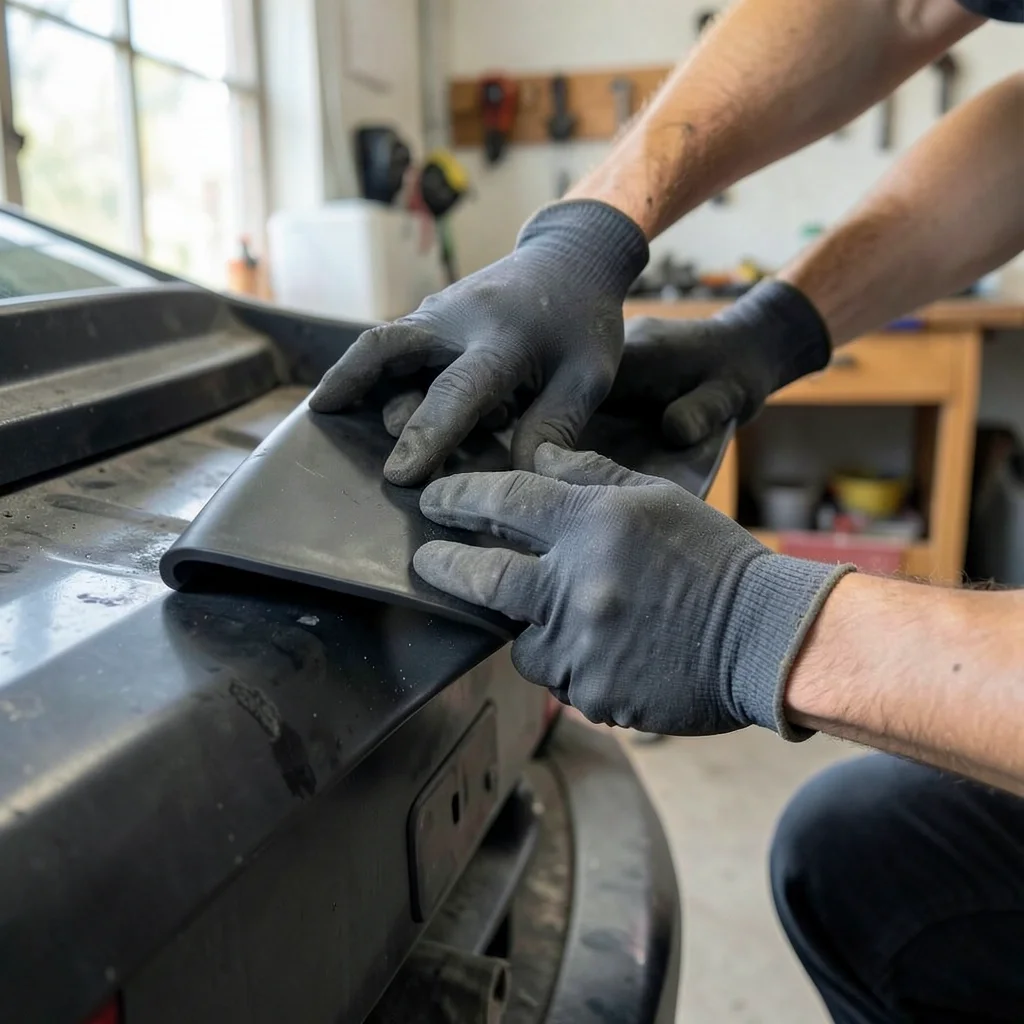
- Peel back a few inches of the tape backing, set one end in place, and press it down before slowly removing the rest of the backing while pressing firmly along the full length.
- Warm the tape lightly with a heat gun or hair dryer if the manufacturer recommends it, then apply firm, even pressure across the whole bonding surface for at least 30 seconds.
- Run a thin, even bead of Sikaflex-221 (or a similar polyurethane sealant) along the exposed edge of the spoiler to seal out moisture and reinforce the bond line.
- Let the installation cure undisturbed for at least 24 hours before driving at highway speed, and avoid a car wash for several days so the sealant reaches a full cure.
Already have a spoiler picked out and just need to know how it mounts? Our guide to universal spoiler types and fit breaks down which styles bolt on and which rely on adhesive alone.
Frequently Asked Questions
What Is the Best Adhesive for a Car Spoiler?
For most spoilers, a high-strength double-sided automotive tape such as 3M VHB is the right primary adhesive, since it is built to carry the ongoing wind load and vibration a spoiler experiences. A bead of polyurethane sealant such as Sikaflex-221 around the edge adds weatherproofing and extra reinforcement. General-purpose silicone sealant is fine for small trim pieces but is not strong enough on its own for a full spoiler.
Is the Factory Tape on a Spoiler Strong Enough on Its Own?
Yes, when it was applied correctly. Automotive-grade double-sided tape is genuinely strong once fully cured and is exactly what most factory spoilers ship with. Failures usually come down to installation, not the tape itself — a waxed or dirty surface, no primer, cold application temperatures, or not pressing the tape firmly enough during the initial bond will all shorten its life well before the tape has reached its rated strength.
Permatex Silicone or Sikaflex: Which Is Better for a Loose Spoiler?
Sikaflex-221 (or 227) is the better choice for a loose or lifting spoiler. It is a purpose-built automotive polyurethane with higher shear strength and more flexibility under vibration than Permatex’s general-purpose silicone RTV, which is designed more for sealing windshields, weatherstripping, and electrical connections than for bonding a panel that flexes at highway speed.
Can You Use Silicone Sealant Together with 3M Tape on a Spoiler?
Yes. Using tape for the structural bond and a bead of sealant around the exposed edge is a common professional technique, not a workaround. Just apply the sealant as a visible edge bead after the tape has been pressed into place, on a clean surface, rather than smearing it underneath the tape as a substitute for proper prep.
How Long Does Spoiler Adhesive Need to Cure Before You Drive?
Give the tape at least 24 hours before driving at highway speed. If you also used a polyurethane or silicone sealant bead, avoid a car wash or heavy rain exposure for several days, since these sealants can take that long to reach a full cure even though they feel tack-free within an hour or two.
What Do You Use to Stick a Spoiler Back On After It Falls Off?
Clean off every trace of the old adhesive with isopropyl alcohol or an adhesive remover first, then reapply fresh 3M VHB tape rather than trying to reuse the old tape. Old, contaminated adhesive will not bond as strongly the second time. Once the new tape is set, seal the edge with a bead of polyurethane sealant for extra insurance against it happening again.
Bottom Line
Treat tape and sealant as a team rather than a choice between two rivals. 3M VHB tape does the structural work of holding your spoiler on, and a bead of Sikaflex or similar polyurethane sealant around the edge keeps water out and buys you extra years before you have to do the job again. Clean the surface properly, prime it if you are using tape, and give the adhesive its full cure time before you hit the highway or a car wash.
Products related to this article
Sponsored / affiliate links. As an Amazon Associate I earn from qualifying purchases. I may earn additional commission from eligible campaigns.