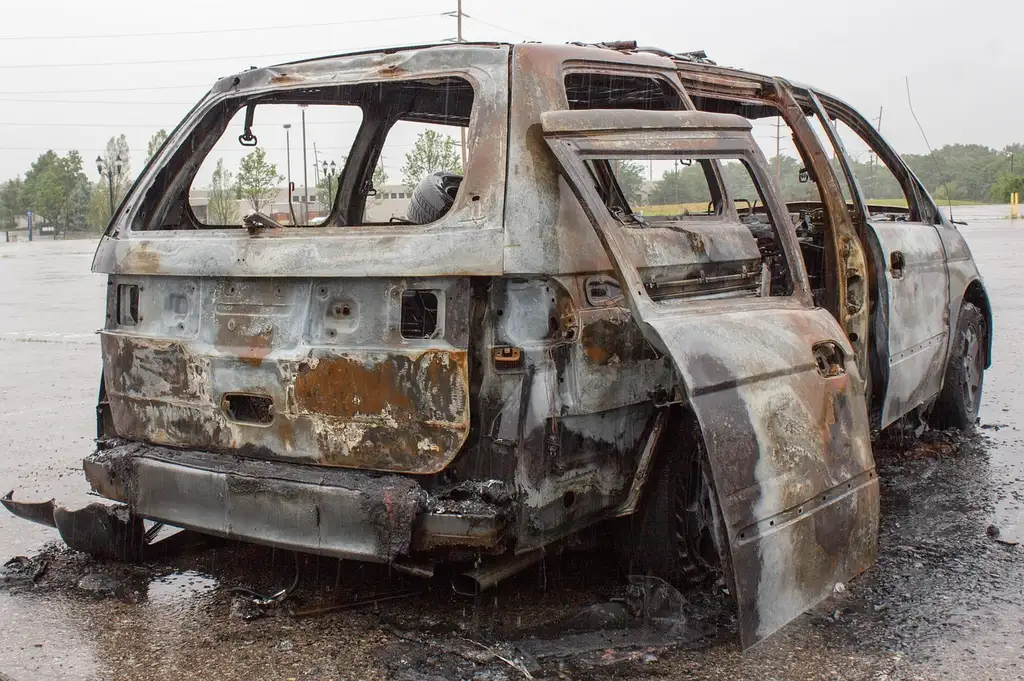
4 Best Car Alarms: Top Picks for Your Risk
The 4 best car alarms in 2026 are the ones matched to your risk: Viper for street parking, Compustar for cold-weather remote start, a data-bus system for newer daily drivers, and a hardwired alarm for older or work vans. Pick the wrong setup, and you can end up with weak theft deterrence, dead batteries, false alerts, or a system your car cannot fully use. This guide compares each pick by threat level and lifestyle, then shows which setup fits parked-on-street cars, winter starts, older vehicles, and tool-loaded work trucks.
Top pick for 2026

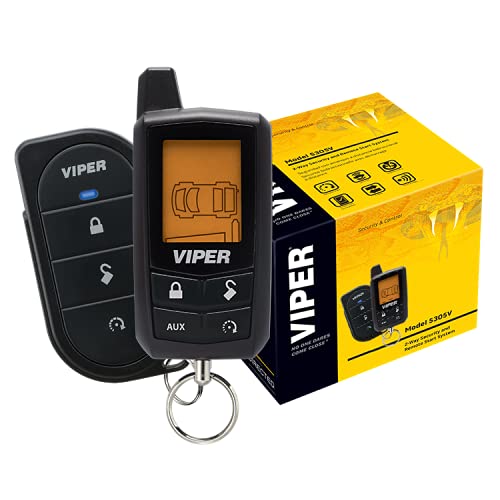
Compustar CS7900AS is the strongest all-around pick for buyers who want a two-way alarm with remote-start convenience and real deterrence, not just a louder siren. CarAudioNow names it the top alarm and says it reaches up to 3,000 ft, while SafeWise lists the Compustar CS7900-AS as its best bundle pick and also gives it 3,000 ft range.
Its main advantage is balance. The system is a two-way security alarm, so it confirms commands back to the remote and alerts you when the alarm trips. That matters more than raw volume when the car sits on a street, in a commuter lot, or outside an apartment building.
The trade-off is cost and install complexity. Remote-start bundles often need more wiring, and the final bill can rise once you add labor, bypass modules, and extra remotes. For cold weather, that extra setup usually pays off.
Quick picks
These picks separate by use case first. That matters more than brand loyalty, especially when the real choice is between security, convenience, and install cost.
| Best for | Pick | Key spec | Why it stands out |
|---|---|---|---|
| Overall balance | Compustar CS7900AS | Two-way; up to 3,000 ft range | Strong theft deterrence plus remote-start flexibility |
| Cold-weather commuting | Compustar CS7900AS | Two-way bundle | Remote start and command confirmation help in winter |
| Best value | Avital 5305L | 1,500 ft range | Lower-cost path to a mainstream alarm bundle |
| Budget pick | Mengshen Anti-Theft Alarm | 65 ft range | Basic deterrence at a low entry point |
| Simple keyless entry | Viper 3105V | Keyless-entry focused | Good fit when you want less complexity |
| Under $100 | EASYGUARD EC204 | Budget-oriented | Low hardware cost for older vehicles or light use |
Compustar CS7900AS
Best for: cold climates, street parking, and drivers who want remote-start convenience with a serious alarm package. CarAudioNow names it the top alarm, and SafeWise lists the Compustar CS7900-AS as its best bundle pick. That makes it the safest default choice for many buyers.
It is a two-way system, so the key fob or LCD transmitter can show whether the car actually received your command. That feedback matters when you are far from the vehicle or when a trigger goes off and you need to know why.
Main trade-offs: higher cost, more complex installation, and a stronger chance you will need professional labor. If you want remote start, starter kill protection, and broader alert coverage in one package, this is the cleanest fit.
Avital 5305L
Best for: value buyers who want a mainstream alarm without jumping straight to a premium bundle. SafeWise names the Avital 5305L as its best value pick and lists 1,500 ft of range, which is enough for many driveways, apartment lots, and small commuter lots.
This sits in the middle on cost and features. It gives you a stronger feature set than the cheapest no-name alarms, while staying simpler than high-end remote-start bundles. That makes it easier to justify for a daily driver that still needs better theft deterrence than factory security alone.
Main trade-offs: less range than premium systems and fewer convenience extras. If you need remote start or app control, look elsewhere.
Viper 3105V
Best for: buyers who want simple keyless entry and a familiar aftermarket path without stacking on remote-start complexity. SafeWise names the Viper 3105V as its best simple keyless entry pick.
This is the better lane when you want basic armed protection, door control, and a cleaner install than a full bundle. It is not the right answer for everyone. It is the right answer when simplicity matters more than LCD feedback or phone control.
Main trade-offs: fewer premium alerts and less appeal if you need to guard a truck full of tools, a winter commuter, or a car parked outside overnight.
Mengshen Anti-Theft Alarm
Best for: the tightest budgets and older vehicles that need a basic deterrent layer. SafeWise names the Mengshen Anti-Theft Alarm as its budget pick and lists 65 ft of range.
That short range tells you what it is: a low-cost deterrent, not a luxury system. It can still help with casual break-ins if paired with strong sensor placement and a starter kill relay, but it is not the right pick for long-distance convenience.
Main trade-offs: short range, limited refinement, and less comfort for street parking. This is about entry cost, not top-tier protection.
What a modern car alarm does beyond making noise
A modern alarm should do more than sound a siren. The useful parts are the starter kill relay, shock sensor, door and hood triggers, and, on better systems, tilt sensing and two-way confirmation. Those features improve theft deterrence and make the system more informative when something touches the car.
A starter kill relay physically interrupts the starter circuit. That means the engine cannot crank normally, which matters more than volume when a thief is trying to drive away fast.
Shock sensors detect impact or tampering, and dual-zone versions can separate a light bump from a harder strike. Tilt sensors detect angle changes, which helps with wheel theft and catalytic-converter theft. Door, hood, and trunk triggers widen coverage so the system watches more than one entry point.
Which car alarm fits your use case?
The best car alarm system for your car in 2026 depends on where the vehicle sits, what you leave inside it, and whether you care more about theft deterrence or convenience. A street-parked sedan, a cold-climate commuter, an older coupe, and a work truck need different feature sets.
Street parking and break-ins
If the car lives on the street, prioritize a two-way system with a starter kill relay, shock sensor, and good door, hood, and trunk coverage. Viper and Compustar-style bundles make more sense here than a bare-bones siren-only setup. Two-way feedback helps you know when the alarm trips, not after the fact.
Cold-weather commuting
For winter use, remote start matters almost as much as the alarm itself. Compustar is the cleaner pick because built-in or add-on remote start helps warm the cabin before you leave. Professional installation is often the safer route here because remote-start bundles usually need more complex wiring.
Older cars without factory security
Older cars usually need a harderwired system because there is less factory integration to lean on. That is where a simpler alarm with a starter kill relay can outperform a fancy app-based package that expects more vehicle data. EASYGUARD and similar budget units can fit this role when the goal is basic deterrence.
Work trucks with tools inside
A work truck needs intrusion coverage first. Add tilt sensing if you are worried about wheel theft or catalytic-converter theft, and make sure the alarm has strong door and hood triggers. Smartphone control helps with status checks, but it is not a replacement for a physical starter kill relay.
Say your van sits behind a jobsite fence overnight and carries ladders, a saw, and batteries. A tracker can help recovery after a theft, but it does not stop the truck from being started. The alarm still needs to block cranking and trigger fast.
Do you need two-way or one-way?
Two-way is the better choice if you want confirmation, better awareness, and fewer guesses. One-way is enough when you mainly want a cheaper alarm, a smaller remote, and less complexity. The right answer depends on how far you park from the vehicle and how much feedback you want.
How two-way remotes work
Two-way alarm systems confirm commands back to the remote and alert you when the alarm trips. That makes them more useful in apartment lots, office garages, and street parking, where you may not hear the siren or see the car.
These remotes are battery-powered and may use LCD transmitters that display trigger information. They also cost more than one-way systems, and the remote itself becomes another item you may need to replace later.
When one-way is enough
One-way is fine if the car stays close, the neighborhood risk is moderate, and you are trying to control cost. It is also a practical fit for older vehicles where the main goal is to add a starter kill relay and basic intrusion alerts without building a full convenience package.
Range, alerts, and battery life
Advertised remote range is not a promise. Walls, interference, parking garages, and vehicle placement can cut the practical distance well below the box claim. CarAudioNow lists the Viper 5906V at up to 1 mile and the Crimestopper SP-502 at 3,500 ft, while SafeWise lists the Avital 5305L at 1,500 ft and the Mengshen alarm at 65 ft.
That spread shows the point: range is about convenience and alert reach, not absolute security. A short-range system can still deter theft if the sensors, wiring, and starter kill relay are done correctly.
Can you install one yourself?
Some alarms are DIY-friendly, but remote-start bundles and systems with heavy-gauge ignition wiring often belong in professional hands. The harder the vehicle integration, the more likely you are to need a pro, especially if the car has a newer electrical architecture or you want clean remote-start operation.
What DIY installs usually include
A simple DIY install usually means mounting the siren, placing shock and tilt sensors, wiring door, hood, and trunk triggers, and finding proper grounds. If you are only adding basic alarm functions to an older car, that can be manageable for someone comfortable with vehicle wiring.
A common first-timer mistake is mounting the shock sensor too close to the engine bay, where road vibration can trigger false alarms. Put a shock sensor too close to a noisy bracket or loose panel, and you get false triggers. Put it too far from the body shell, and it may miss the hit that should set it off.
When pro installation is the safer choice
Professional installation is the safer call when the system includes remote start, multiple add-on modules, or complicated ignition and bypass wiring. It is also the better choice if the vehicle has sensitive electronics, because a weak ground or poor splice can create intermittent faults that are hard to trace later.
Install costs and hidden add-ons
The hardware price is only part of ownership cost. Add install labor, bypass modules, extra remotes, replacement batteries for key fobs, and possible subscription fees if the system uses smartphone control or GPS tracking. Those recurring costs can change the value equation fast.
Picture a work truck parked outside a warehouse in January. A remote-start bundle may feel worth it on day one, but if it needs a bypass module and a pro install, the total cost may be far above the sticker price.
Car alarm decision matrix
This matrix separates buyer scenarios by threat, convenience, install effort, and ownership cost. Use it to match the system to the vehicle first, then the brand second.
| Scenario | Best alarm type | Two-way needed | Remote start needed | Smartphone needed | Pro install likely | Common failure point |
|---|---|---|---|---|---|---|
| Street-parked sedan in a dense city | Two-way bundle with starter kill relay | Yes | No | No | Often | False triggers from poor shock-sensor placement |
| Cold-weather commuter | Remote-start alarm bundle | Yes | Yes | Optional | Yes | Complex ignition wiring and bypass setup |
| Older car with no factory security | Hardwired basic alarm | Optional | No | No | Sometimes | Poor grounds and loose trigger wiring |
| Work truck with tools inside | Alarm with tilt sensor and starter kill relay | Preferred | No | Optional | Often | Missed hood coverage or weak intrusion points |
| Apartment garage with long walks to the car | Two-way system with long-range remote | Yes | No | Optional | Sometimes | Range loss from walls and interference |
| Budget backup for an older coupe | Low-cost basic alarm | No | No | No | Sometimes | Low range and limited deterrence |
How to choose the right system
Start with the threat, not the price tag. If theft deterrence is the priority, make sure the system has a starter kill relay, shock sensor, and proper door, hood, and trunk triggers. If comfort matters too, add remote start. If recovery is the goal, use tracking as a helper, not as the core defense.
Starter kill relay, shock sensor, and tilt sensor
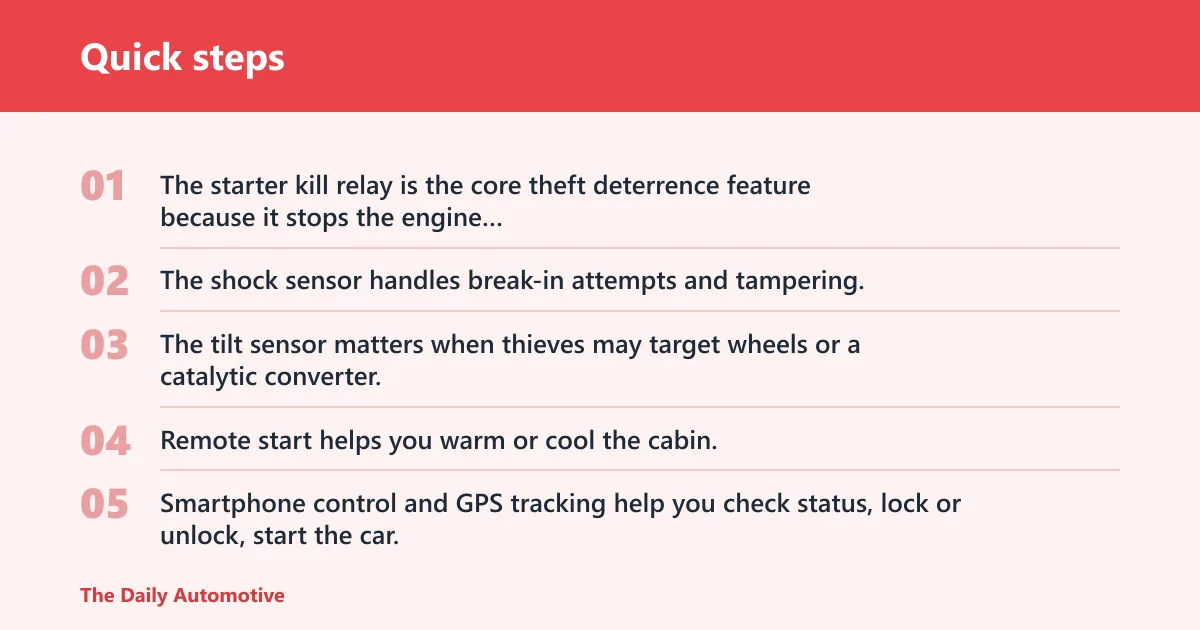
The starter kill relay is the core theft deterrence feature because it stops the engine from cranking. The shock sensor handles break-in attempts and tampering. The tilt sensor matters when thieves may target wheels or a catalytic converter, since the car’s angle can change during those attacks.
Remote start versus tracking
Remote start helps you warm or cool the cabin. Smartphone control and GPS tracking help you check status, lock or unlock, start the car, and see where it is. They do not replace an alarm, and they do not replace a starter kill relay. Subscription fees may apply to app-based systems.
Door, hood, and trunk coverage
Separate intrusion points give better coverage than a single generic trigger. Hood coverage matters more than many buyers think, especially for battery theft or catalytic-converter access. Trunk coverage matters for sedans and hatchbacks where cargo theft is a concern.
A common first-timer mistake is choosing an alarm for its loudest siren and overlooking features like smartphone alerts and backup battery protection. Loud noise can help scare off a casual thief, but it does nothing if the sensors are miswired, the ground is poor, or the starter circuit is still easy to bypass.
What range claims mean in real life
Use advertised range as a ceiling, not a guarantee. Concrete walls, metal structures, other electronics, and where the car sits all reduce real-world performance. That is why a 3,000 ft claim can feel short in a garage while a shorter-range unit may work fine in open parking.
Frequently asked questions
What is the best car alarm system for my car in 2026?
If you want the safest all-around answer, start with the Compustar CS7900AS. It is a two-way security alarm with up to 3,000 ft range, and it fits drivers who want both theft deterrence and remote-start convenience. Choose a simpler system only if your vehicle or budget makes the full bundle unnecessary.
Do I need a two-way car alarm or is one-way enough?
Two-way is better for street parking, apartment lots, and any vehicle you do not watch closely. One-way is fine when cost matters more than feedback and the car stays nearby. Two-way remotes confirm commands and warn you when the alarm trips, which is the bigger practical difference.
Which car alarm is best for remote start and smartphone control?
For remote start, the Compustar CS7900AS is the strongest pick in this guide. Smartphone control and GPS tracking can be useful, but they are add-on conveniences, not a replacement for a starter kill relay or real alarm coverage. Check whether the system needs a subscription before you buy.
How far do car alarm remotes actually work in real life?
Real-world range is usually lower than the advertised number. Walls, interference, and parking structure placement can cut performance sharply. That is why a system listed at 3,000 ft may work differently from one listed at 1,500 ft or 65 ft, depending on where the car sits.
Are car alarms effective against catalytic converter theft?
Yes, but only if the system has the right sensors. A tilt sensor helps because converter theft can change the vehicle’s angle, and a shock sensor can catch jacking or cutting attempts. A tracker may help recovery later, but it does not stop the theft in progress.
Can I install a car alarm myself or do I need a professional?
Basic alarms on older cars can be DIY-friendly if you are comfortable with wiring. Remote-start bundles, heavy-gauge ignition wiring, and bypass modules are better left to a professional. The hidden cost is not just labor; it is also the risk of false triggers, bad grounds, and incomplete function.
Products related to this article
Sponsored / affiliate links. As an Amazon Associate I earn from qualifying purchases. I may earn additional commission from eligible campaigns.