Best Car Detailing Aprons: A Safety Guide for Paint Integrity
You lean over a fender to correct a scratch, and the metal zipper on your hoodie grazes the clear coat. That’s the sound of your afternoon turning expensive. Most people don’t think about what they wear while detailing until they’ve already paid for it. A dedicated apron isn’t a fashion statement. It’s a barrier between your clothes and the paint you’re trying to protect.
This article covers the real differences between apron materials, how pocket layout impacts your back, and why the wrong fabric can leave lint on a freshly polished panel. You’ll walk away knowing exactly which type of apron fits your work, whether you’re doing a quick wash or a multi-stage paint correction.

Autofiber
Autofiber Microfiber Detailing Black Apron, Full Size
- Protect your work from unwanted damage from rough clothing parts
- Made from 300gsm Terry Microfiber Material
- Large front pockets with elastic to hold towels or tools
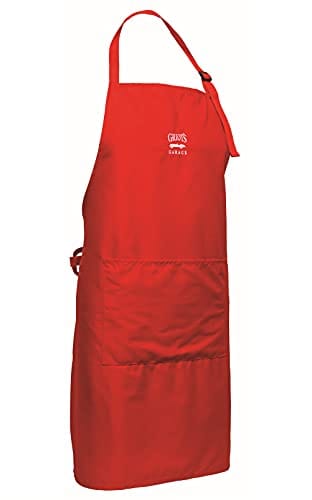
One option that handles the dry side well is the Autofiber Microfiber Detailing Black Apron. It’s made from 300gsm terry microfiber, so it’s soft against the car and has large front pockets with elastic to hold towels or tools. The long ties fit any size, and the black color hides stains from polish and tire dressing.
Why a Dedicated Detailing Apron Beats a Generic Shop Apron
Most generic shop aprons are made for woodworking or light assembly. They’re stiff, have one shallow pocket, and don’t cover enough of your torso. A detailing apron is designed for a different set of problems: chemical splashes, fine dust, and constant contact with painted surfaces.
Here’s what a purpose-built detailing apron does that a generic one doesn’t:
- Protects the car from you. Buttons, zippers, and rivets on regular clothing are scratch hazards. A soft apron covers those hard points.
- Keeps chemicals off your skin. Tire shine, iron remover, and acid-based wheel cleaners are harsh. A barrier matters.
- Holds tools where you can reach them. Detailing is a hands-on job. Bending over for a towel every 30 seconds wastes time.
- Prevents sweat and oils from transferring. A cotton t-shirt soaked with sweat can drag across a panel and leave residue.
Generic aprons often have a plastic buckle or metal grommet that sits right at your waistline. That’s exactly the spot that touches a bumper when you lean in. Avoid that.
The 3 Material Types You Must Choose Between (Microfiber, Canvas, Vinyl)
This is the most important decision you’ll make. Material determines everything: safety, comfort, and how long the apron lasts.
Microfiber Aprons
Microfiber is the default choice for paint correction and dry detailing. The 300gsm weight is thick enough to protect you but still flexible. The key benefit is that it’s non-abrasive. You can rub against a panel without worrying about swirls.
It’s also absorbent. If you spill a little polish, the apron soaks it up instead of letting it drip down your pants. The downside is that it’s not waterproof. Saturated microfiber will eventually wet through.
Canvas Aprons
Canvas is heavy-duty and durable. It handles rough work like engine bay cleaning or interior scrubbing. It’s thicker than microfiber and provides better protection against sharp objects.
But canvas is abrasive. The weave is coarse, and if you drag it across a freshly waxed hood, you’ll leave micro-scratches. Canvas also holds odors and takes a long time to dry. It’s a decent choice for mechanics, but risky for paint work.
Vinyl or Rubber Aprons
Vinyl is completely waterproof. It’s the best choice for acid wheel cleaners, iron decontamination sprays, and high-pressure washing. Nothing soaks through.
The trade-off is comfort. Vinyl doesn’t breathe. You’ll sweat underneath it in warm weather. It’s also stiff and can crack over time. Vinyl is a tool for specific wet tasks, not an all-day wear.
| Material | Best For | Paint Safety | Water Resistance | Breathability |
|---|---|---|---|---|
| Microfiber (300gsm+) | Paint correction, dry detailing | Excellent – soft, non-abrasive | Water-resistant, not waterproof | Good |
| Canvas | Mechanics, interior work | Poor – coarse weave can scratch | Resistant, but soaks through eventually | Moderate |
| Vinyl / Rubber | Wet washing, acid chemicals | Good – smooth surface | Fully waterproof | Poor – traps heat |
Don’t buy a single apron for everything. If you do both wet washes and dry corrections, you need two different materials.
Top Aprons for Wet Detailing (Waterproof Protection)
Wet detailing involves foam cannons, pressure washers, and chemical sprays. Water runs down your arms, splashes off the panel, and soaks into your clothes. A microfiber apron is useless here because it absorbs the water and holds it against your body.
You want a vinyl or PVC-coated apron for this stage. It should be easy to wipe down and completely impermeable. Look for one with a chest-high bib design to protect your torso from splash-back when you’re working low on the rocker panels.
Consider the weight. A heavy vinyl apron can feel like a lead vest after an hour. A lighter gauge PVC (around 0.3mm) is easier to move in. The trade-off is durability, but for washing duties, it’s fine.
Pocket placement matters here too. You don’t want open-top pockets in a wet environment because they fill with water. Look for pockets with drain holes or a zippered closure.
Top Aprons for Dry Detailing & Paint Correction (Lint-Free Focus)
This is where the majority of paint damage happens. You’re working with polishers, compounds, and finishing waxes. The apron needs to be soft, absorbent, and completely lint-free.
Microfiber is the only material that meets all three criteria. The 300gsm terry weave is plush enough to be safe on any surface. It also traps dust and particles that would otherwise float onto the panel.
The Autofiber apron mentioned earlier is a good example of this category. Its large front pockets with elastic are designed to hold a couple of microfiber towels or a small polisher pad. The elastic keeps the contents from falling out when you bend over the hood.
One thing to check is the stitching. Look for flat seams or rolled edges. Rough, hanging threads can catch on a rotary polisher or drag across a panel.
Static electricity is a hidden enemy in dry detailing. Synthetic materials like polyester generate static, which attracts dust. Microfiber, especially a blend with a higher nylon content, dissipates static better than pure polypropylene. If you’re working in a dry climate, this matters more than you’d think.
Top Aprons for Heavy-Duty Mechanics & Mobile Detailers
Mobile detailers have different needs. You’re carrying gear from a van to the job site, working in driveways, and often dealing with tight spaces. Your apron needs to be rugged enough to survive being tossed in a bucket or thrown over a seat.
Canvas is the traditional choice here. It resists tears and punctures from tools. But if you’re a mobile detailer doing paint correction, you’re back to the scratch risk. A better option is a heavy-duty microfiber apron with reinforced stitching and multiple tool loops.
Mechanics working on engine bays or undercarriages should stick with canvas or a waxed cotton blend. These materials handle grease and oil better than microfiber. They also provide a bit more padding if you’re leaning against a hot engine block.
For mobile detailers, look for an apron with a cross-back design. This distributes weight across your shoulders instead of pulling on your neck. It makes a difference when you’re carrying a heavy buffer in the front pocket.
How to Evaluate Pocket Layout for Tool Access and Weight Balance
Pockets are where most aprons fail. A single deep pocket looks useful but becomes a black hole. You lose your spray bottle, and everything falls out when you sit down.
Here’s what to look for:
- Divided pockets. Separate compartments for spray bottles, brushes, and towels. This prevents items from clanking together.
- Elastic tops. Keeps tools from sliding out when you lean forward.
- Tool loops. Great for small brushes, a detailing knife, or a pen light. They keep tools accessible without adding bulk.
- Low-profile pockets. Bulky pockets catch on door handles and mirrors when you walk around the car.
Weight distribution is the part most people ignore. If you load all your tools into one large front pocket, you’re putting strain on your lower back. Over a 4-hour correction session, that adds up to real pain.
Distribute weight evenly. Put heavy items like a polisher pad or a heavy spray bottle in the side pockets. Keep the center pocket for lightweight towels. If you notice yourself leaning backward to compensate for the weight, you need a different layout.
Fit, Strap Adjustability, and Cross-Back Support
An apron that fits poorly is a safety hazard. A loose bib can flop onto the paint. A tight waist tie restricts your breathing and limits your reach.
Most detailing aprons use a neck strap and a waist tie. The neck strap is where problems start. A thin strap digs into your neck after 20 minutes. Look for a wide, padded neck strap or a cross-back design that puts the weight on your shoulders instead.
Cross-back aprons, also called X-back or crossover aprons, have straps that cross between your shoulder blades. This design pulls the apron tight against your chest and prevents it from swinging forward when you bend over. It’s a significant improvement over a simple neck loop.
Waist ties should be long enough to wrap around you and tie in the front. The Autofiber apron has long ties that fit any size, which is useful if you’re layering over a hoodie in cooler months.
Adjustability isn’t just about comfort. A snug fit keeps the apron from shifting and catching on a bumper. If the apron moves while you’re working, it can drag dirt across the paint.
Maintenance Guide: Washing, Drying, and Preventing Lint Transfer
This is the most overlooked part of owning a detailing apron. A dirty microfiber apron is worse than no apron at all. It picks up grit and grime, then transfers it directly to the paint.
Wash microfiber aprons separately from cotton or canvas items. Cotton lint transfers to microfiber and contaminates it. Use a liquid detergent without fabric softener. Softeners coat the fibers and reduce their absorbency and static-dissipating properties.
Air dry whenever possible. High heat in a dryer can melt or warp synthetic fibers. If you must use a dryer, use the lowest heat setting and remove the apron while it’s slightly damp.
For vinyl aprons, just wipe them down with a mild cleaner and water. Don’t fold them tightly for storage. Creases turn into cracks over time.
Canvas aprons need regular washing to remove embedded oils. Use a heavy-duty detergent and a hot water cycle. Skip the dryer and let them hang dry to prevent shrinkage.
Check the seams after every few washes. Loose stitching can snag on a tool or scratch a panel. A small repair with a needle and thread is cheaper than a repaint.
Frequently Asked Questions
Can I use a chef apron for detailing?
You can, but you shouldn’t. Chef aprons are usually made from cotton or polyester blends that are abrasive to clear coat. They also lack the pocket configuration you need for detailing tools. A chef apron might have one or two small pockets, but nothing designed to hold a spray bottle or a machine polisher. The fabric is also thinner, so it doesn’t absorb spills well. Use a chef apron for cooking, not for paint correction.
How do I prevent the apron from scratching paint?
Three things cause scratches: embedded grit, rough fabric, and hard hardware. Wash the apron regularly to remove embedded particles. Choose a soft material like microfiber for dry work. Check for metal snaps or plastic buckles that could contact the paint. If your apron has a metal grommet at the neck, tape it over or choose a different model. The safest approach is to wear a microfiber apron with no exposed hard parts.
How often should I wash my detailing apron?
After every heavy use, especially if you’ve been doing paint correction. A light detail might not soil the apron much, but it still picks up dust and micro-particles. If you can see dirt on the fabric, it’s already contaminated. Wash it before your next job. For wet detailing, rinse a vinyl apron with water after each session to remove chemical residue.
Are more expensive aprons worth it?
Not always. The price difference usually comes down to material quality and stitching. A $20 microfiber apron with thin 200gsm fabric will wear out in a few months. A $50 apron with 300gsm fabric and reinforced seams will last years. But you can also find expensive aprons that are over-engineered with unnecessary features. Focus on material weight and stitching quality, not the brand name.
Does the apron color matter?
Yes, more than you’d expect. Black aprons hide stains from polish, tire dressing, and dirt. That’s why many professional detailers choose black. Light-colored aprons show every splash, which looks unprofessional on a mobile job. However, a dark apron can hide contamination that you need to see. If you’re doing high-end paint work, a white or light gray apron makes it easier to spot dirt that could scratch the paint.
Final Verdict: Which Apron Should You Buy?
Start with your primary task. If you do mostly wash and wax work, buy a vinyl apron for the wet stages and a microfiber apron for the dry stages. If you only do paint correction, skip the vinyl entirely and invest in a high-quality 300gsm+ microfiber apron.
Here’s a quick summary of what to look for:
- Microfiber (300gsm+) for paint safety and lint-free dry work.
- Vinyl for waterproof protection against acid chemicals.
- Canvas only for heavy mechanical work, never for paint.
- Cross-back straps for comfort during long sessions.
- Divided pockets with elastic for tool access and weight balance.
- Machine washable with no fabric softener.
- Flat seams to avoid snags and scratches.
Pair your apron with the right microfiber towels for the job. You’ll also want a reliable car vacuum for interior work. And if you’re just getting started, check out a few detailing kits to see what tools you actually need.
The right apron won’t make you a better detailer. But the wrong one will cost you. A single scratch from a metal zipper or a piece of embedded grit is enough to ruin a panel. Spend the money on a proper apron, keep it clean, and your paint will thank you.
Products related to this article
Sponsored / affiliate links. As an Amazon Associate I earn from qualifying purchases. I may earn additional commission from eligible campaigns.