Auto Services Business Ideas That Pay Recurring Revenue
The best auto services business ideas are mobile detailing, tire services, fleet maintenance, and EV charging installation because they pair lower startup complexity with repeat demand. If recurring revenue matters most, start with a model where contracts or subscriptions are realistic. High-capex, low-repeat models can trap cash in equipment, slow customer acquisition, and leave you exposed when repair volume softens. This guide ranks the most viable options for a digital-first, EV-transition market by startup complexity and recurring revenue potential.
Which auto services business ideas make money fastest?

The fastest paths to cash flow are usually low-overhead, repeatable services with short sales cycles: mobile detailing, oil changes, tire sales, and fleet maintenance. They can start with less space and fewer technicians than a full repair shop, and they gain efficiency when booking, reminders, and approvals move through software instead of phone calls alone.
How to judge startup cost versus recurring revenue
Startup cost matters, but repeat business should outrank it. A mobile detailer may start lean, yet a fleet maintenance contract can outpace a cheaper one-time service if vehicle uptime matters to the buyer. A higher-cost business can still work if it has predictable tickets, but only if the customer base is large enough to keep bays or routes full.
Why staffing and licensing change the ranking
Two ideas with similar startup budgets can have very different burdens. An oil change lane needs process discipline and enough staff to move cars quickly. An auto repair shop needs diagnostic skill, more insurance, and often more space. Licensing and environmental rules can also change the math, especially for waste oil, water discharge, refrigerants, and high-voltage EV work.
Which models are easiest to scale with software
Business models with bookings, reminders, approvals, and repeat visits are easier to scale with software. That is where digital tools pay off: automated scheduling, customer communication, and digital estimates cut idle time. Memory Squared builds digital products for automotive brands, dealerships, mobility companies, and transportation startups, and it says customer expectations are shifting faster than manual sales and service processes.
Decision matrix: 10 auto service ideas
| Business idea | Startup cost | Licensing burden | Recurring revenue potential | Staffing complexity | Digital dependency | Best fit |
|---|---|---|---|---|---|---|
| Mobile detailing | $3k–$15k | Low to moderate | Moderate | Low | Moderate | Urban, suburbs, rideshare, dealer prep |
| Oil change service | $100k–$400k | Moderate | High | Moderate | Moderate | High-traffic corridors, commuter towns |
| Tire shop | $80k–$300k | Moderate | High | Moderate | Moderate | Seasonal markets, mixed retail and fleet |
| Fleet maintenance service | $50k–$250k | Moderate | Very high | Moderate to high | High | Delivery, municipal, contractor fleets |
| Auto repair shop | $150k–$750k+ | High | High | High | Moderate | Dense markets with aging vehicles |
| Mobile car wash | $10k–$40k | Low to moderate | Moderate | Low | Moderate | Fleet accounts, apartments, offices |
| Fixed-site car wash | $250k–$1.5M+ | High | High | Moderate | High | Dense traffic with utility access |
| EV service business | $20k–$120k | High | Moderate to high | Moderate | High | EV-heavy metros and fleet operators |
| EV charging installation | $25k–$150k | High | Moderate | Low to moderate | High | Commercial sites, multifamily, fleets |
| Auto service software / CX platform | $20k–$250k+ | Low | Very high | Low | Very high | Operators with multiple bays or sites |
Short recommendation: if you want the lowest capital risk, start with mobile detailing or mobile wash. If you want steadier repeat revenue, tire, oil, or fleet work is stronger. If you want scale with software, software and customer experience platforms have the highest digital dependency and the lowest physical overhead.
📊 The company says it works with automotive businesses in 16 countries worldwide. Source: Memory2.
What does it cost to start an auto repair shop?
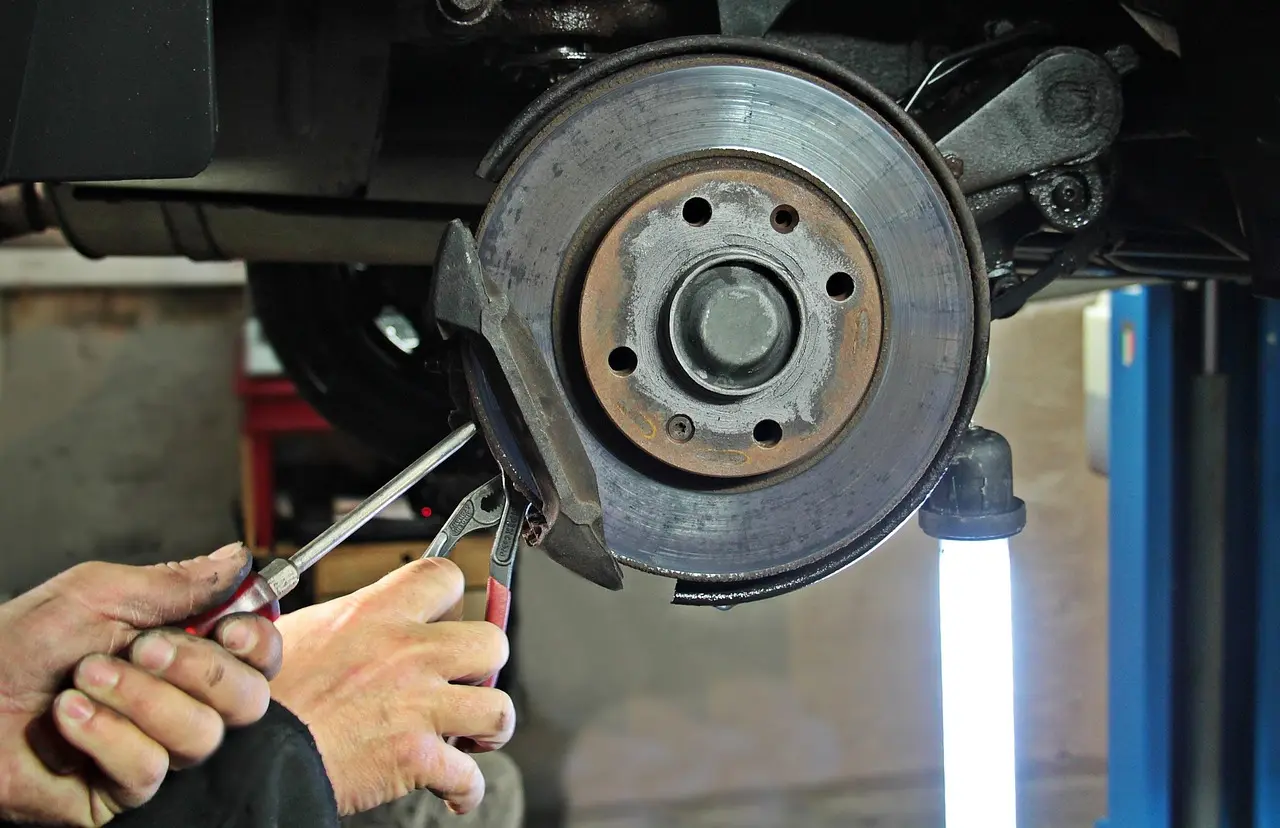
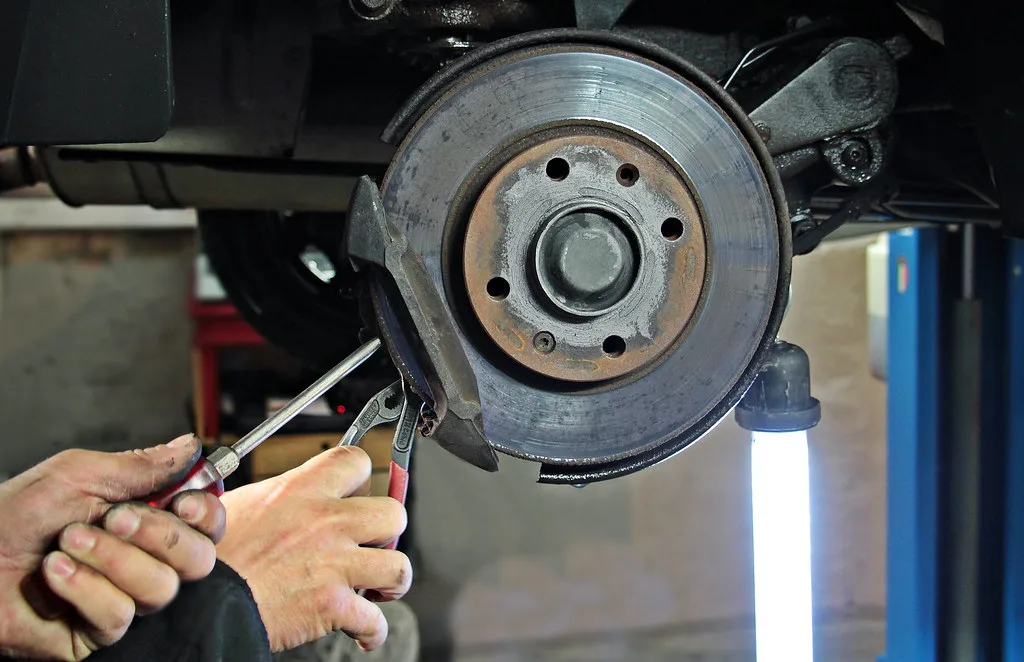
An auto repair shop usually needs the most capital after a fixed-site wash or large tire operation. A realistic startup range is often in the low six figures to the mid-six figures or higher, depending on rent, equipment, inventory, and buildout. The core issue is not only the equipment bill; it is the space, code compliance, and payroll required to keep bays productive.
Service scope and bay layout
A general repair shop needs enough bay space for diagnosis, lifts, parts staging, and vehicle storage. More scope means more tools and more dead inventory. If the shop handles brakes, suspension, HVAC, and drivability work, it must also manage scan tools, specialty pullers, refrigerant recovery, and parts ordering with tight turnaround.
Labor intensity and technician hiring
Repair work is labor heavy. That raises payroll risk before the schedule fills. A common first-timer mistake is opening with too many bays and too few technicians, which creates idle rent and long wait times. Labor shortages also make workflow software more valuable because estimates, approvals, and parts status need to move quickly.
Insurance, permits, and shop tooling
Owners should verify business registration, local zoning, fire code, environmental rules, garage liability, workers’ compensation, and coverage for customer vehicles in storage. Tools often include lifts, air systems, scan tools, jacks, torque equipment, fluid handling gear, and brake and suspension tools. Waste oil, coolant, batteries, tires, and refrigerants can trigger disposal rules.
Which low-overhead models fit a smaller launch?
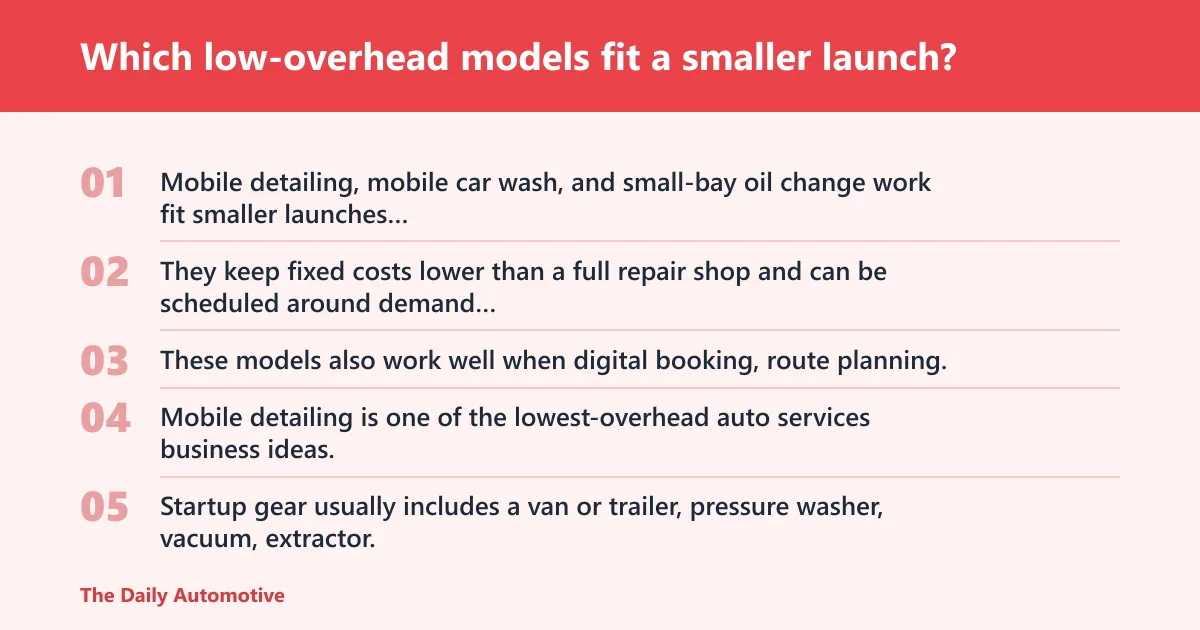
Mobile detailing, mobile car wash, and small-bay oil change work fit smaller launches best. They keep fixed costs lower than a full repair shop and can be scheduled around demand density. These models also work well when digital booking, route planning, and customer reminders are in place from day one.
Mobile detailing business
Mobile detailing is one of the lowest-overhead auto services business ideas. Startup gear usually includes a van or trailer, pressure washer, vacuum, extractor, microfiber inventory, chemicals, water supply or tank, generator, and lighting. Travel radius matters; many operators keep routes tight to protect labor time and fuel costs. Weather limits outdoor work, so rain, freezing temperatures, and extreme heat can cut capacity. Pricing often shifts by package and vehicle size, which helps margin control.
Car wash business
Car wash models split into fixed-site and mobile variants. Fixed-site locations need water, drainage, utility capacity, and local permits that can be more demanding than a mobile setup. Throughput is the selling point: more cars per hour can support repeat revenue, subscription plans, and add-ons. Mobile wash services need less real estate, but they still face water rules, runoff concerns, and route density constraints.
Oil change service
Oil change businesses win on speed and repeat visits. The bay layout should support quick entry, fluid service, inspection, payment, and exit without clogging the lane. Upsells can include filters, wiper blades, tire checks, and battery tests. This model can work well near commuter traffic, but only if volume is steady enough to keep throughput high.
Say your launch is a two-bay oil change site on a busy arterial road. If every car waits 20 minutes for approvals because the process is still paper-based, the queue will back up before lunch. Digital estimates and text approvals fix that more cheaply than adding another bay.
How should you weigh tire, fleet, and EV service businesses?
Tire, fleet, and EV service businesses can be strong choices, but they win for different reasons. Tire shops rely on seasonal demand and inventory control. Fleet maintenance depends on contracts and downtime reduction. EV service can grow with the transition to electrified transport, but it asks for higher training and stricter safety discipline.
Tire shop
A tire shop needs inventory for common sizes, mounting and balancing equipment, compressors, bead tools, and often alignment capability. Seasonal spikes can be a blessing and a planning problem. Inventory ties up cash, especially if the shop tries to stock too many sizes. Alignment services add ticket value and can steady work between tire replacement cycles.
Fleet maintenance service
Fleet maintenance is one of the strongest recurring-revenue models because it is contract driven. The buyer cares about service-level expectations, uptime, and reduced vehicle downtime more than a one-time repair ticket. That means clean intake, scheduled service windows, and reporting matter. This model often fits industrial zones, suburban depots, and small towns with local delivery or contractor fleets.
EV service business
EV service is not the same as general repair. High-voltage safety, insulated tools, training, and proper procedures are non-negotiable. Useful offerings include charging-related inspections, battery cooling system work, connector checks, software-related diagnostics, and charging station service. EV-focused businesses can align with the page’s electromobility platforms supporting EV adoption, charging experiences, fleet management, and sustainability initiatives. Vehicle data integrations also matter here because connected-car information can speed diagnostics.
Picture a one-location shop in a town with 40,000 residents and a growing EV commuter base. A full-body collision or transmission specialist may struggle to fill expensive equipment, but EV charging installation and fleet-ready service can fit the local mix better if the shop builds B2B accounts and keeps certification current.
What software and customer experience tools matter most?
The most useful tools are booking systems, lead capture, job workflow automation, remote approvals, and reminder messages that support repeat visits. Memory Squared offers custom web platforms for automotive sales, marketing, lead generation, and customer engagement, plus remote sales and service solutions for customers interacting through digital channels. It also includes automotive e-commerce platforms for product sales, services, subscriptions, and digital transactions.
Booking and lead generation systems
Online booking reduces phone friction and helps fill the schedule outside business hours. Lead capture matters for higher-ticket services like tires, fleet work, and EV installs, where a quote is often the first conversion point. The best systems also route inquiries by service type so customers do not wait for a callback on simple work.
Workflow automation and remote approvals
Sales and service still rely on manual workflows in many shops, which slows estimates and parts ordering. Digital approvals shorten cycle time and reduce stalls at the counter. Remote sales and service are useful when the customer is at work, on a route, or managing a fleet across several locations.
Reminders and retention for repeat visits
Customer experience should mean fewer no-shows, faster approvals, and more repeat visits. That is where reminders and service intervals matter. If a business wants lifetime value instead of one-off tickets, it should set up maintenance reminders, tire rotation prompts, inspection follow-ups, and post-service communication before the first job is even completed.
Which business model fits your market?
Urban markets usually support mobile detailing, mobile wash, tire, and EV services because density improves routing and repeat traffic. Small towns often favor oil changes, general repair, and fleet maintenance because local customers value convenience and trust. The right choice depends on whether your area has apartment density, highway exposure, fleets, or EV adoption.
Small-town demand versus urban density
In a small town, the best model often serves the whole car parc, not one niche. Repair, tires, oil changes, and fleet contracts can all work if the business is visible and reliable. In a city, app-based booking, pickup logistics, and remote approvals matter more because customers compare speed and convenience across many options.
B2C versus B2B revenue mix
B2C models usually need more marketing and more lead flow. B2B models can be steadier if the account is managed well. Fleet work, charging installation, and software are stronger fits for operators who want fewer but larger customers. Detailers and oil-change operators often need higher volume and tighter scheduling to stay profitable.
When to avoid capital-heavy formats
Avoid capital-heavy formats when local demand is uncertain, permitting is slow, or you cannot staff the service properly. If the market is small and seasonal, a big fixed site can become a rent problem. Start lean, validate ticket size, and only expand once booking volume, approval rates, and repeat demand are visible.
What licenses do I need to open an auto service business?
Most auto service businesses need basic business registration, local zoning approval, tax registration, and insurance. Beyond that, the list depends on the service: waste oil handling, water discharge, refrigerants, hazardous materials, vehicle lifts, and electrical work can all trigger extra permits or inspections. Always check city, county, and state rules before signing a lease or buying equipment.
Common checklist items to verify
- Business registration and tax IDs.
- Zoning approval for automotive use.
- General liability and garage keepers insurance.
- Workers’ compensation, if required.
- Environmental permits for fluids, wash water, and waste disposal.
- Fire, occupancy, and building code approvals.
- Any state license for repair, inspections, or electrical contracting.
Frequently asked questions
What are the most profitable auto services business ideas?
Fleet maintenance, tire services, oil change businesses, and EV charging installation can be profitable because they generate repeat work or contract revenue. Profit depends on utilization, labor discipline, and overhead control more than service type alone. Businesses with subscriptions, maintenance plans, or B2B contracts usually have the clearest path to steadier margins.
How much does it cost to start an auto repair business?
A general auto repair shop often starts around $150,000 to $750,000 or more, depending on leasehold work, lifts, diagnostics, tools, inventory, and compliance costs. The range widens fast if the shop needs major buildout or specialized equipment. Labor and insurance can be as important as the initial equipment bill.
Which auto service businesses have the lowest startup costs?
Mobile detailing and mobile car wash models usually have the lowest startup costs because they avoid a large fixed site. Oil change businesses can also begin at a lower capital level than full repair shops, but they still require bays, drainage, and compliance work. Lower startup cost does not automatically mean lower operating risk.
How profitable is a mobile auto detailing business?
Mobile detailing can be profitable because it starts lean and can price by package, vehicle size, and add-on services. Its limits are weather, route density, and labor time spent traveling between stops. Profit tends to improve when customers are routed tightly, booked online, and offered recurring maintenance visits.
What auto businesses work best with EVs and connected cars?
EV charging installation, EV service, fleet maintenance, and software platforms fit EVs and connected cars best. These models benefit from vehicle data, digital bookings, remote approvals, and service records that reduce downtime. Connected-car information can support diagnostics and customer communication, while charging-related services position a shop for the electrification shift.
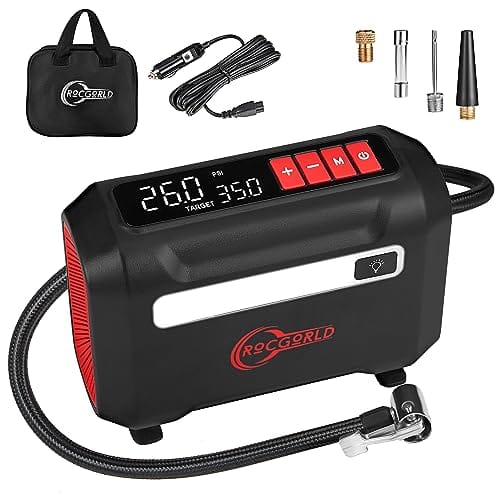
Products related to this article
Sponsored / affiliate links. As an Amazon Associate I earn from qualifying purchases. I may earn additional commission from eligible campaigns.