Are Car Seat Inserts Safe? A Comprehensive Guide for Parents
Hey there, friend! If you’re a parent or caregiver wondering, “Are car seat inserts safe?” you’re not alone. As someone who’s spent years navigating the world of car seats for my kids, I know how overwhelming it can be to ensure your little one is safe and comfy. Car seat inserts seem like a great way to add extra cushion or support, but are they okay to use? I’ve been down this road, researching and testing inserts to find out what’s safe and what’s not.
So, grab a cup of coffee, get cozy, and let’s dive into everything you need to know about car seat inserts. By the end of this article, you’ll feel confident making the right choice for your child’s safety and comfort.
What Are Car Seat Inserts?
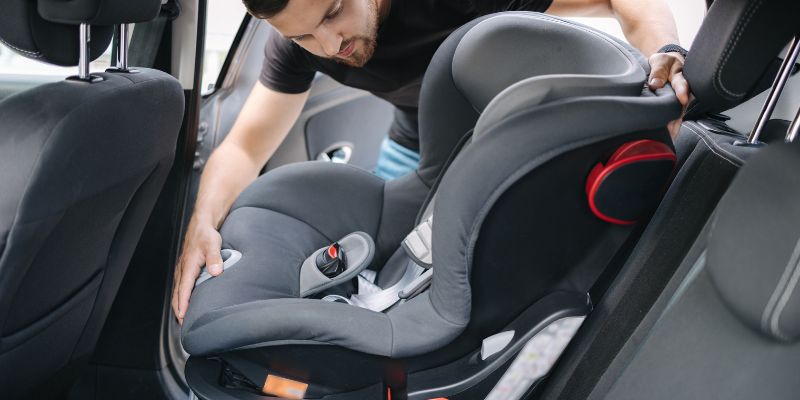
Let’s start with the basics. Car seat inserts are extra cushions or pads you add to a car seat to provide more support, comfort, or a better fit for your child. They might be head supports, body pads, or even full-body inserts. Some car seats, like Graco or Britax models, come with inserts designed for newborns to keep them snug and properly positioned.
I remember when my daughter was born, her car seat looked huge compared to her tiny body. The included newborn insert made her fit perfectly and kept her head from flopping around. But not all inserts are created equal, and using the wrong one can be risky. Let’s break it down so you know what’s safe.
Why Parents Use Car Seat Inserts
Parents love car seat inserts for a few reasons. They can make a car seat more comfortable, especially for long rides. Newborns often need extra support to keep their heads and bodies in the right position. Inserts can also help a car seat fit better as your child grows, bridging the gap between sizes.
When my son was a newborn, he looked lost in his infant car seat without the insert. It added padding to keep him secure and cozy. Some parents also use aftermarket inserts—like headrests or strap covers—to reduce irritation or add style. But here’s the catch: not all inserts are safe, and that’s what we need to explore.
Are Car Seat Inserts Safe? The Short Answer
Yes, car seat inserts can be safe—but only if they’re approved by the car seat manufacturer or meet strict safety standards. Inserts that come with your car seat, like those for Graco SnugRide or Chicco KeyFit, are designed and tested to work safely with that specific model. They ensure your child is properly positioned without interfering with the seat’s safety features.
Aftermarket inserts, like ones you buy separately, are a different story. Many aren’t crash-tested with your car seat and could affect how it performs in an accident. I learned this the hard way when I bought a cute headrest online, only to find out it wasn’t safe for my car seat. Let’s dig deeper into what makes an insert safe or not.
Manufacturer-Approved Inserts vs. Aftermarket Inserts
Here’s where things get important. Manufacturer-approved inserts are designed for your specific car seat model. They’re crash-tested to ensure they don’t compromise safety. For example, Graco’s newborn inserts are made to fit their SnugRide seats perfectly, keeping babies snug and at the right recline angle.
Aftermarket inserts, like those sold at big-box stores or online, might look cozy but can be risky. They’re not tested with your car seat, so they could:
- Change the harness fit, making it too loose or too tight.
- Alter the seat’s recline angle, affecting airway safety.
- Add bulk that reduces the seat’s ability to absorb crash forces.
I once thought a fluffy aftermarket insert would make my son’s car seat comfier. But after reading the manual, I realized it could mess with the harness. I stuck with the Graco insert, and it worked like a charm.
Safety Standards for Car Seat Inserts
All car seats in the USA must meet Federal Motor Vehicle Safety Standards (FMVSS 213). This includes any inserts that come with the seat. Manufacturers like Graco, Britax, and Chicco test their inserts to ensure they meet these standards. They check things like:
- Harness Fit: The insert shouldn’t make the straps too loose or too tight.
- Recline Angle: It must keep the seat at the correct angle, especially for rear-facing infants.
- Crash Performance: The insert shouldn’t interfere with the seat’s ability to protect in a crash.
Aftermarket inserts don’t always follow these rules. Some are labeled “crash-tested,” but unless they’re tested with your specific car seat, that claim doesn’t mean much. I always check my car seat manual to see what’s allowed before adding anything.
When to Use Car Seat Inserts
Inserts are most common for newborns and infants who need extra support. Here’s when I’ve found them helpful:
- Newborns (0-12 months): Infants under 10-12 pounds often need head and body inserts to fill gaps in the car seat. This keeps their head and torso secure.
- Preemies: Tiny babies may need special inserts designed for low birth weight, but only use ones approved by the manufacturer.
- Growing Babies: As kids grow, you might remove head inserts but keep body pads until they fit the seat without them.
My daughter needed the full newborn insert for her first few months. By 6 months, I removed the head support but kept the body pad for a bit longer. Always follow your car seat’s guidelines for when to remove inserts—usually based on weight or height limits.
Types of Car Seat Inserts
There are different types of inserts, each with a specific purpose. Here’s a table to break it down:
| Insert Type | Purpose | Safety Notes |
|---|---|---|
| Head Support | Fills gaps for small babies, supports the torso. | Must fit snugly, not push head forward. |
| Body Support | Only use if approved by the manufacturer. | Reduces strap irritation on the neck or shoulders. |
| Strap Covers | Shouldn’t raise a child too high in a seat. | Must not loosen harness or add bulk. |
| Wedge Inserts | Adjusts recline angle for preemies or small babies. | Only use if approved by manufacturer. |
I used a head support for my son’s Graco seat, and it kept his head stable during naps. But I avoided aftermarket strap covers after learning they could loosen the harness fit.
Risks of Using Unsafe Car Seat Inserts
Using the wrong insert can be dangerous. Here’s what I’ve learned about the risks:
- Loose Harness: Extra padding can make straps too loose, reducing protection in a crash.
- Incorrect Recline: An insert that changes the seat’s angle can affect airway safety, especially for infants who need a 30- to 45-degree recline.
- Crash Interference: Non-approved inserts might compress or shift during a crash, making the seat less effective.
- Overheating: Thick inserts can make babies too warm, increasing the risk of discomfort or overheating.
I once saw a parent use a bulky aftermarket insert that pushed their baby’s head forward. It looked uncomfortable and unsafe. Sticking to manufacturer-approved inserts avoids these issues.
How to Check if a Car Seat Insert Is Safe
Before using any insert, I follow these steps to ensure it’s safe:
- Read the Manual: Your car seat manual lists approved inserts and when to use them. Mine had a clear section on newborn inserts.
- Check the Fit: The insert shouldn’t push your child’s head forward or make the harness too loose. Straps should lie flat and snug.
- Look for Manufacturer Approval: Only use inserts made by or approved by your car seat’s brand.
- Test the Recline: Ensure the insert doesn’t change the seat’s angle. Use the bubble indicator or level line on the seat.
- Avoid Bulky Materials: Thick or fluffy inserts can compress in a crash, reducing safety.
When I bought my Graco SnugRide, I double-checked the manual to confirm the included insert was safe for my newborn. It gave me peace of mind knowing it was designed for her safety.
When to Remove Car Seat Inserts
Inserts aren’t meant to stay in forever. Most manuals specify when to remove them, usually based on your child’s weight or height. For example:
- Head Supports: Remove when your baby’s head fills the seat or they reach the weight limit (often 10-12 pounds).
- Body Supports: Take out when the child fits snugly without them, typically around 15-20 pounds.
- Wedge Inserts: Remove once the baby can maintain the proper recline without extra help.
I removed my son’s head support when he hit 12 pounds, as his head was stable without it. Always check your manual, as removing inserts too early or too late can affect safety.
Cleaning and Maintaining Car Seat Inserts
Inserts get dirty—trust me, I’ve dealt with spit-up and crumbs galore! Most manufacturer-approved inserts are removable and washable. Here’s how I clean mine:
- Remove the Insert: Follow the manual to take it out without damaging the seat.
- Check Washing Instructions: Most inserts can be machine-washed on a gentle cycle with mild detergent. Air-dry to avoid shrinking.
- Inspect for Wear: Look for tears or worn padding. Replace if damaged.
- Reinstall Correctly: Ensure the insert fits snugly and doesn’t affect the harness or recline.
I once tossed an insert in the dryer by mistake, and it shrank slightly. Now, I always air-dry to keep it in shape. Never use aftermarket inserts that aren’t washable, as they can harbor germs.
Alternatives to Aftermarket Inserts
If you’re tempted to use an aftermarket insert for comfort, try these safe alternatives:
- Rolled Towel or Blanket: For newborns, a rolled towel around the head (not under it) can add support without affecting safety. Check your manual first.
- Manufacturer Accessories: Some brands sell approved strap covers or pads for their seats.
- Adjust the Harness: Tightening or loosening the harness can improve fit without extra padding.
- Upgrade the Car Seat: If the seat doesn’t fit well, consider a model designed for your child’s size.
I used a rolled receiving blanket around my daughter’s head for extra support in her first month. It was a simple, safe fix recommended by her car seat manual.
Common Myths About Car Seat Inserts
I’ve heard plenty of myths about car seat inserts. Let’s clear them up:
- Myth: All inserts are safe if they fit the seat. Truth: Only manufacturer-approved inserts are crash-tested for safety.
- Myth: Inserts make car seats comfier and safer. Truth: Extra padding can reduce safety if it affects the harness or recline.
- Myth: You can use inserts forever. Truth: Inserts have weight and height limits—check your manual.
I fell for the “comfier is better” myth early on, but learning about crash safety changed my approach. Stick to what’s approved, and you’ll keep your child safe.
Consulting Professionals for Car Seat Safety
If you’re unsure about an insert or your car seat setup, get help. Many fire stations and police departments offer free car seat checks. Certified Child Passenger Safety Technicians (CPSTs) can inspect your seat and inserts to ensure they’re safe. I took my car seat to a local fire station, and the technician showed me how to position the insert correctly—it was a game-changer.
You can also call your car seat manufacturer’s customer service. Graco (1-800-345-4109) and Britax (1-888-427-4829) are great at answering questions about inserts.
The Cost of Car Seat Inserts
Manufacturer-approved inserts usually come with the car seat, so there’s no extra cost. If you need a replacement, they range from $10 to $50, depending on the brand and model. Aftermarket inserts can cost $5 to $30, but I avoid them due to safety concerns.
When I needed a new insert for my Graco seat, it cost $15 from their website. It was worth it to know it was safe and designed for my seat. Always buy from reputable sources to avoid fakes.
The Environmental Impact of Car Seat Inserts
If you’re replacing an old or damaged insert, don’t throw it away. Many car seat recycling programs, like those at Target or Walmart, accept inserts along with seats. I recycled an old insert at a Target event and got a coupon as a bonus. Check your local area for recycling options to keep materials out of landfills.
The Future of Car Seat Inserts
Car seat technology is always improving. Newer inserts are being designed with breathable fabrics to prevent overheating and modular systems that adjust as your child grows. Some brands are even exploring eco-friendly materials for inserts. I’m excited to see how these advancements make car seats safer and comfier for kids.
For now, sticking to manufacturer-approved inserts is the best way to ensure safety. As my kids grow, I’m always on the lookout for innovations that make parenting easier.

Conclusion
Well, there you have it—everything you need to know about whether car seat inserts are safe! As a parent, I know how much you want to keep your child safe and comfortable, and the right insert can make a big difference. By sticking to manufacturer-approved inserts, checking your manual, and avoiding aftermarket risks, you can ensure your car seat does its job perfectly. I’ve been through the confusion of choosing inserts, and I hope this guide makes it easier for you to navigate.
Thanks for joining me on this deep dive into car seat inserts. You’re now ready to make smart choices for your little one’s safety. Here’s to safe travels and happy rides with your kids!
Frequently Asked Questions
Are car seat inserts safe for newborns?
Yes, if they’re manufacturer-approved and designed for your car seat. They provide extra support for newborns, but always check the manual for weight and height limits.
Can I use an aftermarket car seat insert?
It’s not recommended. Aftermarket inserts aren’t crash-tested with your car seat and could affect safety by loosening the harness or changing the recline.
When should I remove the car seat insert?
Remove inserts when your child reaches the weight or height limit specified in the manual, usually 10-20 pounds for head or body supports.
How do I know if an insert is approved for my car seat?
Check your car seat manual or the manufacturer’s website. Only use inserts made by or approved by your car seat’s brand.
Can car seat inserts cause overheating?
Thick or non-breathable inserts can make babies too warm. Stick to manufacturer-approved inserts, which are designed to be safe and breathable.
How do I clean a car seat insert?
Follow the manual’s instructions. Most inserts are machine-washable on a gentle cycle with mild detergent. Air-dry to avoid shrinking.
Can I use a towel instead of an insert for support?
Yes, a rolled towel or blanket around (not under) the head can be safe for newborns if approved by the manual. Never use thick padding under the child.