Are Car Washes Open in the Winter? Real Closure Temperatures
Yes, most car washes stay open all winter. Commercial washes use heated water and enclosed or insulated bays to keep running through the cold, and only shut down temporarily during the most extreme cold snaps — the exact temperature depends on the operator.
Road salt and slush make winter one of the most important seasons to keep washing your car, not the season to skip it. Below, we break down the real temperature thresholds different car washes use, how they keep water from freezing on your car, and what to do differently if you are washing at home.
How Cold Is Too Cold for a Car Wash?
BEST FOR DRYING LOCKS & SEALS FAST
 |
Chemical Guys Waffle Weave Drying Towel (25 x 36 in) – $11.99 A large waffle-weave towel soaks up rinse water from door seals, mirrors, and locks in seconds, which is the single best way to stop them from freezing shut overnight.
|
There is no single temperature that shuts every car wash down. Individual operators set their own cutoffs based on their equipment and how exposed their bays are to wind. Some touchless washes stop taking cars once the air hits 10°F, many 24-hour tunnels close somewhere in the 15°F to 20°F range, and a handful of newer in-bay automatics with heated floors and enclosed doors keep running until it drops to -10°F or even -15°F. Below that, almost every wash in the country closes, since water can freeze on contact with metal and rubber and lock up doors, wipers, and hinges before a car even leaves the bay.
If you are washing your own car in the driveway rather than at a commercial wash, aim for a day between 35°F and 50°F. That is cold enough that you will not be sweating, but warm enough that the water has time to dry before it has a chance to freeze on the paint or in the door seals.
Winter Car Wash Operations
Winter changes how a car wash runs long before the temperature actually turns cars away. Water lines have to be insulated or heated so they do not freeze overnight, floor drains need to stay clear of ice buildup, and staff spend extra time keeping walkways salted so nobody slips. Snow and road salt also make cars dirtier than usual, so a wash that normally takes two minutes might run longer to break down caked-on grime around the wheel wells.
Many locations adjust their hours for the season too, opening a little later once the morning frost has cleared and closing earlier before the evening freeze sets in. Some run winter-specific promotions to keep business steady when fewer people bother washing a car that will just get dirty again on the next salted road.
Types of Car Washes
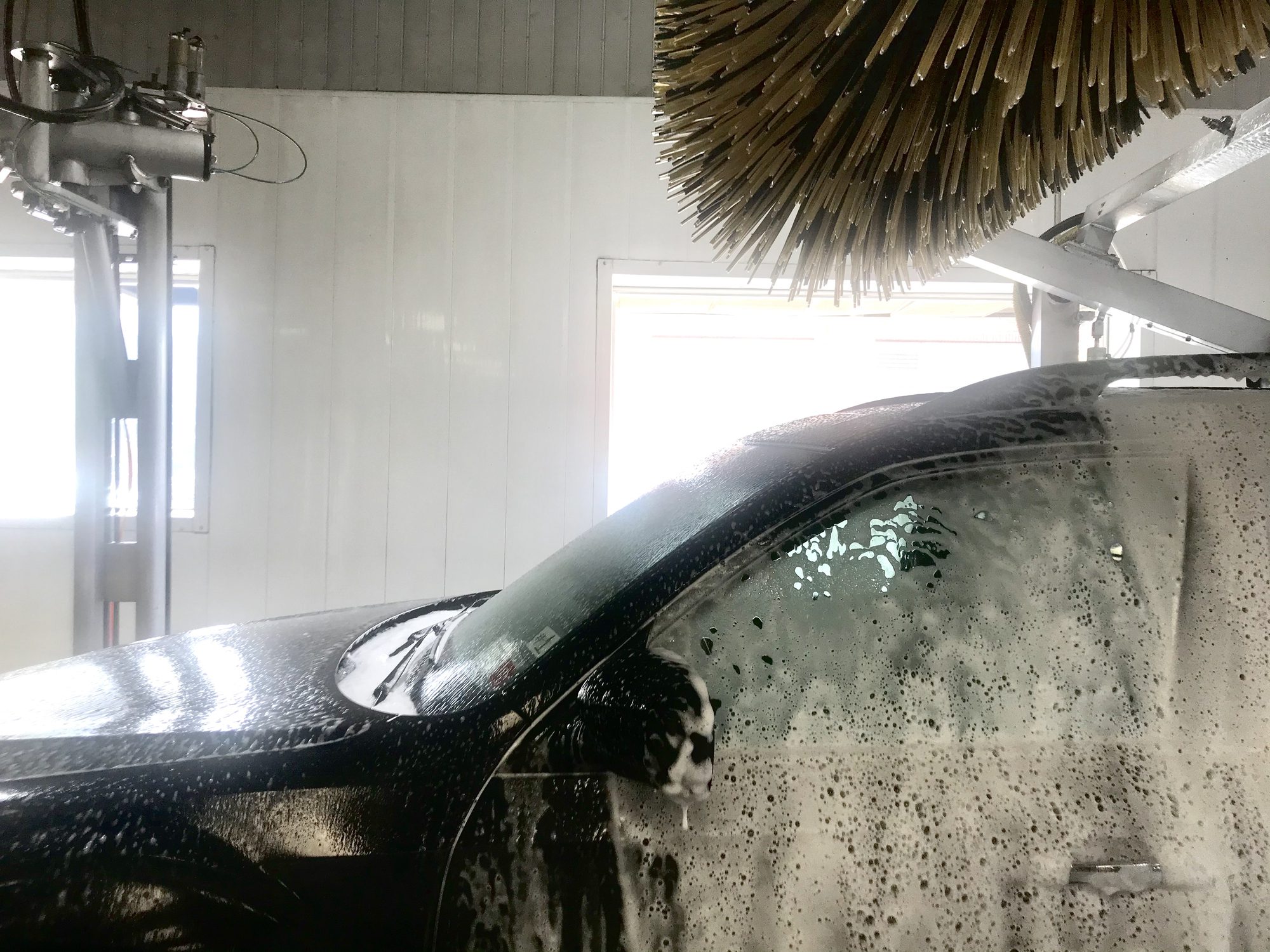
All three common formats — automatic tunnels, self-service bays, and full-service hand washes — can keep running through winter, though each handles the cold differently. Automatic tunnels are the most weatherproof option because the whole process happens inside an enclosed, heated building; you stay in the car while conveyor-driven brushes and jets do the work. If you are wondering whether those spinning brushes could actually scratch or dent your car, our guide to whether automatic car washes are safe covers that separately from the weather question.
Self-service bays are more exposed, since you are standing outside with a wand or brush, but most have heated water and covered stalls that make them workable even on a cold day. Full-service hand washes, where staff dry and detail the car by hand, tend to be the pickiest about weather, since wet floors and standing water are harder to manage safely once the temperature drops.
Benefits of Winter Car Washes
Skipping the car wash all winter is one of the more expensive habits a driver can pick up. Road salt is designed to lower the freezing point of water on the pavement, but it does the same thing to any moisture trapped against your car’s metal, which speeds up corrosion on the undercarriage, brake lines, and exhaust system. A wash with an undercarriage rinse flushes that salt out before it has time to sit and eat through paint and metal, and it is one of the cheapest ways to avoid a repair bill that can run into the thousands once rust takes hold — see our guide on repairing small rust spots on a car for what an early save looks like.
Regular washing also keeps grit and de-icing sand from scratching the clear coat every time you brush snow off the hood or wipe down the doors. A cleaner car is also a safer one in winter, since a wash clears road film and salt haze off headlights, mirrors, and windows that would otherwise cut into your visibility on dark winter afternoons.
Challenges Car Washes Face in Cold Weather
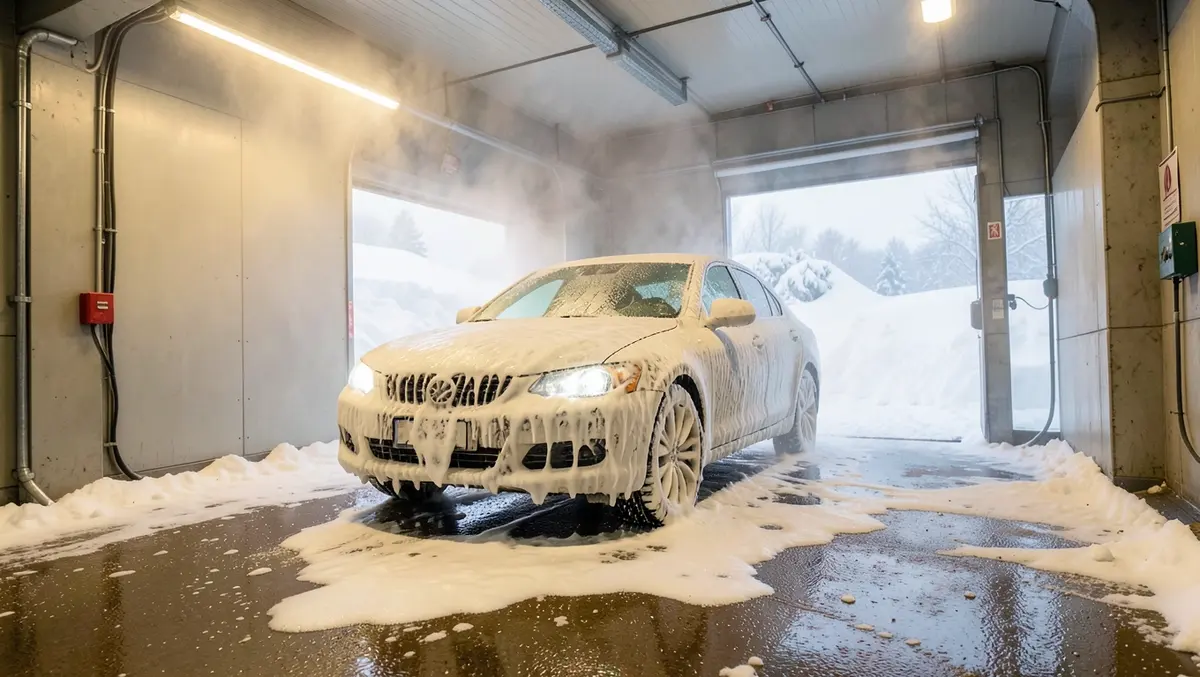
Cold is hard on the equipment as much as it is on the cars. Standing water in hoses and nozzles can freeze solid overnight, which is why most commercial washes run heated water lines and insulate anything exposed to outside air. Floors get slick fast once melted snow refreezes, so staff have to check bays and walkways for ice throughout the day rather than just at opening.
A burst or frozen pipe is the worst-case scenario, since it can shut a location down completely until it is repaired. That is one reason many washes install pipe heaters and check their plumbing before the first hard freeze of the season rather than after.
Safety Tips for Washing Your Car in Winter
Drying your car properly matters more in winter than in any other season, because leftover water does not just sit there — it freezes. Pay close attention to door seals, window tracks, and locks, since a thin film of water in any of those spots can turn to ice and leave you locked out or unable to close a door the next morning. Wiping the mirrors, door handles, and wiper blades with a towel after a wash, or using a de-icer spray on locks that tend to stick, takes an extra minute but avoids a frustrating morning.
If you are washing at home rather than at a commercial wash, pick a sunny early afternoon when temperatures are at their highest for the day and avoid washing right before dusk, when the drop in temperature can freeze water before it evaporates.
Car Wash Equipment Adaptations for Cold Climates
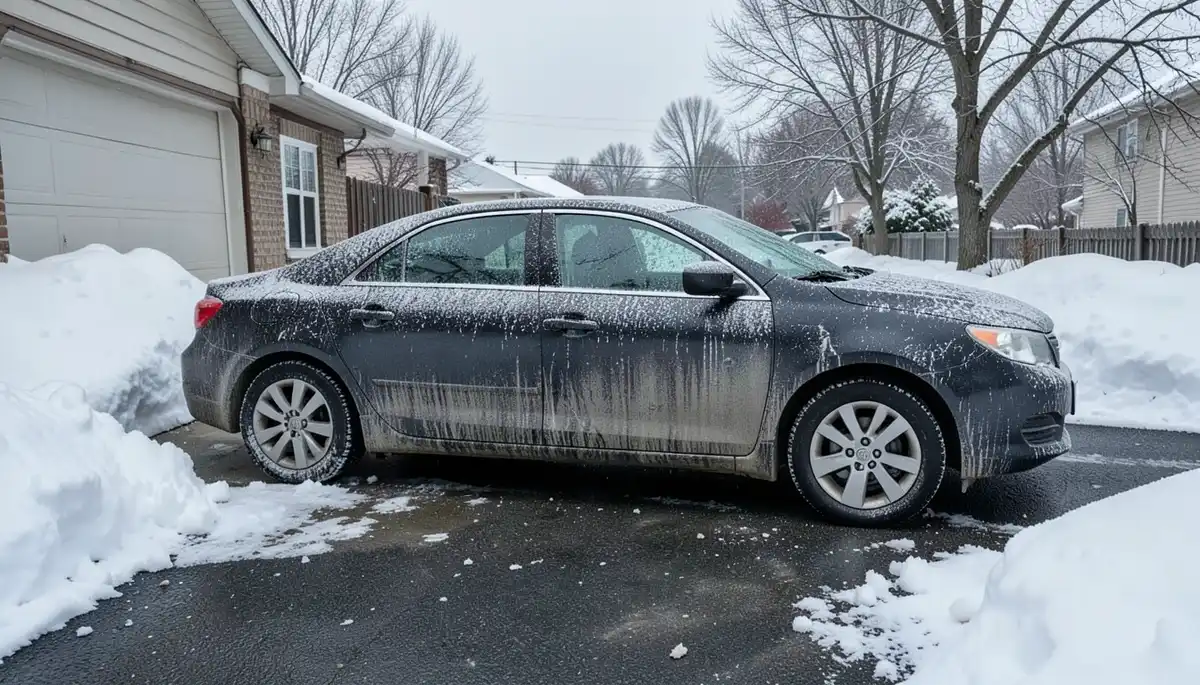
Commercial car washes built for cold climates lean heavily on heat. Heated floors keep ice from forming in the bay, heated water rinses lift road salt more effectively than cold water can, and enclosed tunnels shield the whole process from wind chill. Many operators also switch to winter-specific soaps and rinses formulated to cut through salt and de-icing residue, since standard summer formulas are not always strong enough for the grime that builds up on a car driven through slush and brine.
Customer Demand Trends in Winter
Seasonal Variation in Demand
Overall demand for car washes tends to dip in winter, since a lot of drivers assume there is no point cleaning a car that will just be dirty again after the next snowfall or salted road. That said, demand does not disappear — drivers who care about long-term rust protection, or who need a clear windshield and mirrors for visibility, keep washing through the season regardless of the weather.
Promotional Strategies
To offset the seasonal slowdown, many washes lean on winter-specific promotions: discounted memberships, undercarriage-rinse add-ons marketed specifically as rust protection, and reminders about what road salt actually does to a car over a season. Framing the wash as maintenance rather than cosmetics tends to be the more effective pitch once the snow starts falling.
Environmental Considerations
Water use is one of the bigger sustainability questions for any car wash, and it does not go away in winter. Most commercial locations recycle and filter a large share of their wash water rather than pulling fresh water for every car, and many have switched to biodegradable soaps and energy-efficient pumps and heaters to cut both their water and electricity use.
If protecting the environment matters to you as much as protecting your car, a commercial wash with a closed-loop water system is generally the better choice over washing on your own driveway, where runoff carrying soap, salt, and oil drains straight into storm sewers instead of being filtered first.
Frequently Asked Questions
Is There a Temperature Where All Car Washes Close?
There is no universal cutoff, but almost every wash in the country closes once temperatures fall to around -10°F to -15°F, since water freezes on contact with metal at that point. Individual operators set their own thresholds well above that based on their equipment, with many touchless and 24-hour washes closing somewhere between 10°F and 20°F.
Can You Get a Car Wash in Winter?
Yes. Most automatic tunnels, self-service bays, and hand washes stay open all winter and use heated water and enclosed or heated facilities to keep working through the cold. A touchless or hand wash is the gentler option if you are worried about brushes catching on ice.
What Temperature Does an Automatic Car Wash Close At?
It depends on the operator, but many automatic washes close somewhere between 10°F and 20°F, since water can freeze in hoses and on car surfaces below that range. Newer in-bay automatics with heated floors and enclosed doors can sometimes stay open down to -10°F.
Is It Bad to Wash Your Car in Freezing Temperatures?
Washing itself will not hurt your car, but leftover water can freeze in door seals, locks, and window tracks if you do not dry it off. Skipping washes altogether is the riskier choice, since road salt left sitting on the metal speeds up rust far faster than a quick freeze ever would.
How Often Should You Wash Your Car in Winter?
Aim for at least every one to two weeks if you drive on salted or treated roads, and more often right after a storm. Frequent washing, especially with an undercarriage rinse, is what actually protects the metal from the salt sitting against it, not skipping washes to avoid the cold.
Conclusion
Car washes do not shut down for winter — they adapt to it. Heated water, insulated pipes, and enclosed bays keep most locations running through everything except the coldest snaps, when individual operators set their own safety cutoffs rather than following one universal rule. The bigger mistake is skipping washes altogether once the weather turns, since road salt does more damage sitting on your car for months than a quick trip through a heated tunnel ever will.
Pick a milder afternoon, dry off the locks and seals when you are done, and keep washing through the season. Your car’s undercarriage will thank you by spring.
Products related to this article
Sponsored / affiliate links. As an Amazon Associate I earn from qualifying purchases. I may earn additional commission from eligible campaigns.