Are Carburetors Reliable? Proven Essential Technology
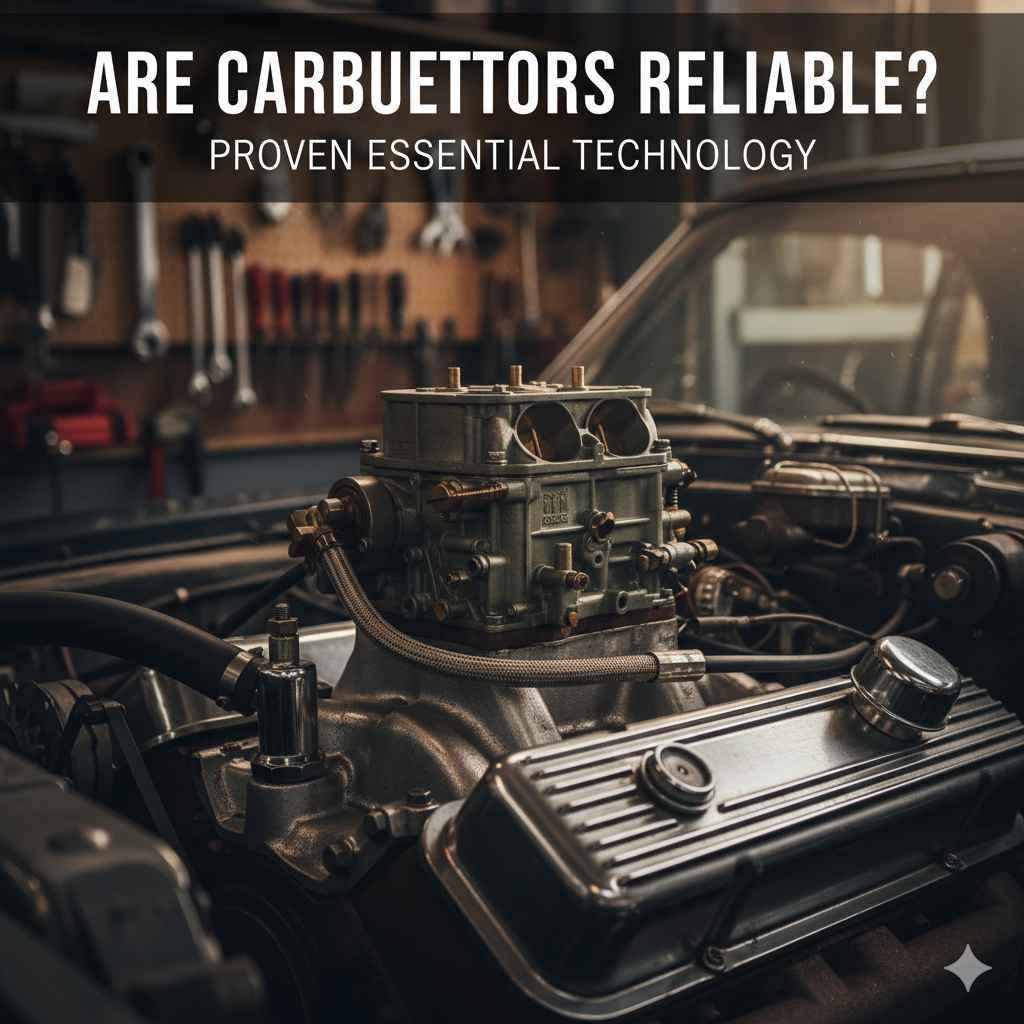
Yes, carburetors are a surprisingly reliable and proven essential technology for many vehicles, especially older ones. While less common in modern cars, their robust mechanical nature and straightforward design mean they can be very dependable when properly maintained. They get the job done efficiently for millions of engines worldwide.
Have you ever heard someone talk about carburetors and wondered if they’re a relic of the past or still a solid piece of car tech? If your car has one, or you’re curious about cars that do, you’re probably wondering about their reliability. Sometimes, simple designs are the most robust, and carburetors are a perfect example. For decades, they were the heart of most gasoline engines, mixing air and fuel to get your car moving. While newer cars use more complex fuel injection systems, many classic cars, motorcycles, and even some small engines still rely on carburetors. Understanding how they work and what makes them reliable can save you headaches and money. Let’s dive in and discover why carburetors are still a dependable choice!
What Exactly Is a Carburetor?
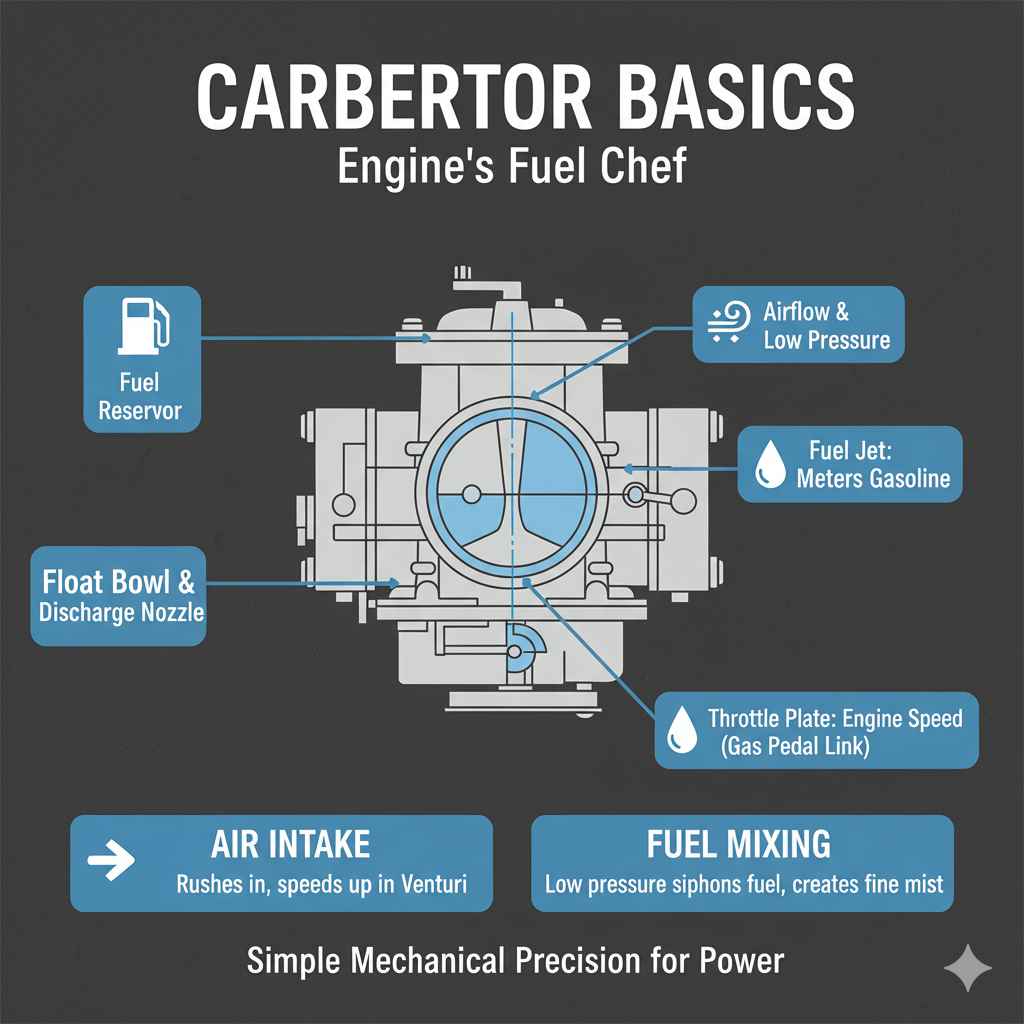
Think of a carburetor as the chef in your engine’s kitchen. Its main job is to precisely mix air and gasoline in the right proportions before this mixture enters the engine cylinders to be burned. It achieves this through a clever but simple mechanical process. As air rushes into the engine’s intake, it passes through a narrow section called a venturi. This narrow passage speeds up the air, creating a low-pressure area. This low pressure then sucks gasoline from a small reservoir (called a float bowl) through tiny jets. The gasoline breaks up into a fine mist and mixes with the incoming air. This air-fuel mixture is what powers your engine. Pretty neat, right?
The amount of this mixture going into the engine is controlled by the throttle plate, which is connected to your gas pedal. Press the pedal, open the plate, more mixture gets in, and the engine speeds up. Let off the pedal, close the plate, and the engine slows down. It’s a direct, mechanical link that many enthusiasts appreciate for its responsiveness and feel.
The Pillars of Carburetor Reliability
When people ask “are carburetors reliable?”, they’re usually wondering if they’re going to break down or cause problems. The good news is, carburetors are built on simple, mechanical principles. This lack of complex electronics is a major reason for their reliability. Let’s break down why:
- Simplicity is Key: Unlike modern fuel injection systems with numerous sensors, computers, precise injectors, and delicate wiring, carburetors have very few moving parts. These parts are typically made of durable metals like brass and aluminum.
- No (or Minimal) Electronics: Most carburetors operate purely mechanically. This means there are no complex electronic control units (ECUs), sensors, or delicate wires that can fail due to heat, vibration, or moisture. This significantly reduces potential points of failure that can plague electronic systems.
- Ease of Diagnosis and Repair: Because they are mechanical, most carburetor issues can be diagnosed by simple observation and manual checks. A faulty component is usually obvious and can often be replaced or rebuilt without specialized, expensive diagnostic tools.
- Durability: Carburetors are designed to withstand the heat and vibration inherent in an engine compartment. Their robust construction allows them to function for a long time with minimal fuss.
- Adaptability: Carburetors can often adapt to minor changes in altitude or temperature without needing electronic recalibration, although significant changes might require manual adjustments.
This simplicity and durability are why carburetors are still found in many applications that demand robustness and ease of maintenance, like classic cars, boats, and performance racing vehicles where predictability is paramount.
Carburetor vs. Fuel Injection: A Quick Comparison
To truly understand why carburetors are considered reliable, it helps to see how they stack up against the technology that replaced them in most new cars: Electronic Fuel Injection (EFI). EFI systems promise better fuel economy and emissions, but they come with their own set of complexities.
Here’s a simple breakdown:
| Feature | Carburetor | Fuel Injection (EFI) |
|---|---|---|
| Working Principle | Mechanical; uses venturi effect to draw fuel into air stream. | Electronic; precisely sprays fuel into intake manifold or directly into cylinders. |
| Complexity | Low; simple mechanical parts. | High; relies on ECU, sensors, injectors, pumps, wiring. |
| Reliability (Core Function) | High; fewer failure points. Issues often involve wear or dirt. | Can be high, but more potential electronic/sensor failures. |
| Maintenance | Easier to diagnose and rebuild for DIYers. | Requires specialized tools and knowledge for diagnostics and repair. |
| Fuel/Air Ratio Control | Less precise; can be affected by altitude/temperature. | Highly precise; automatically adjusts for optimal performance. |
| Performance/Economy | Good, but often less optimal than EFI. | Generally better fuel economy and more power potential. |
| Cost to Repair | Typically lower. | Can be higher due to specialized parts and labor. |
Carburetors might not be as precise as EFI, but their direct mechanical operation means a properly tuned carburetor is remarkably dependable for day-to-day use. For many classic car owners, the simplicity and direct feel of a carburetor are part of the charm and a significant factor in its proven reliability.
Common Issues (and why they’re often fixable)
While carburetors are reliable, like any mechanical device, they can encounter issues. The good news is that these problems are usually straightforward to diagnose and fix. This is a testament to their user-friendly design.
What can go wrong?
- Clogging: Over time, dirt, debris, or dried fuel can clog the tiny fuel passages and jets within the carburetor. This is the most common culprit for performance issues.
- Wear and Tear: Moving parts like the throttle shaft or float needle can wear down with age, leading to fuel leaks or improper fuel delivery – a common issue on very old units.
- Improper Adjustment: External factors like altitude changes, or simply the engine aging, can alter the precise air-fuel mixture. Manual adjustments might be needed occasionally for optimal performance.
- Stale Fuel: Gasoline can degrade over time, especially with ethanol content. This old fuel can gum up the carburetor.
- Float Issues: The float mechanism ensures the correct fuel level in the bowl. If it sticks or is set incorrectly, it can lead to flooding or starvation.
Why are these fixable?
The beauty of a carburetor is that these problems usually manifest predictably, and the solutions are mechanical:
- Cleaning: Most clogs can be resolved by removing the carburetor and cleaning it thoroughly with specialized carburetor cleaner. Many components can be easily disassembled. For DIYers, following a guide like those found on MotorTrend can be incredibly helpful.
- Rebuilding: Carburetors are designed to be rebuilt. You can buy specific rebuild kits containing new gaskets, seals, and often new jet needles. These kits are relatively inexpensive and come with instructions.
- Adjustment: Basic adjustments, like idle speed and the air-fuel mixture screws, can usually be made with a screwdriver and are often covered in a vehicle’s service manual or online guides.
- Simple Parts: Components like jets and floats are typically inexpensive and easy to replace once the carburetor is disassembled.
This reparability is a huge factor in a carburetor’s long-term reliability and affordability.
Maintaining Your Carburetor for Maximum Reliability
Keeping your carburetor running smoothly and reliably is mostly about preventative maintenance. It’s not complicated, and a little effort goes a long way. Here’s what you can do:
Best Practices for Carburetor Longevity:
- Use Quality Fuel: Whenever possible, use fresh, high-quality gasoline. If your vehicle sits for long periods, consider using a fuel stabilizer to prevent fuel degradation.
- Regular Filter Changes: Ensure your fuel filter is changed according to your vehicle’s maintenance schedule. A clogged fuel filter can starve the carburetor and put extra strain on your fuel pump.
- Periodic Cleaning: Even if you’re not experiencing problems, a periodic “in-car” cleaning with a quality fuel system cleaner can help prevent deposits from forming. For a deeper clean, consider a full carburetor rebuild every few years, especially on older vehicles.
- Check for Leaks: Inspect fuel lines and the carburetor itself for any signs of fuel leaks. Leaks are not only a fire hazard but can also indicate a problem with gaskets or seals that needs addressing.
- Address Issues Promptly: If you notice rough idling, hesitation, stumbling, or poor fuel economy, don’t ignore it. These are early signs of carburetor trouble and are best addressed before they worsen.
- Proper Storage: If you’re storing a vehicle with a carburetor for an extended period (more than 30 days), it’s advisable to drain the fuel bowl or run the engine dry to prevent fuel from sitting and gumming up the works. You can also add a fuel stabilizer and run the engine for a few minutes to circulate it.
These simple steps help ensure your carburetor continues to perform reliably for many years. For more in-depth look at automotive maintenance, resources like RepairPal’s estimator tool can give you an idea of costs for common repairs, which can help budget for any necessary carburetor work.
Internal Carburetor Components: The Heart of the Matter
Understanding the main parts of a carburetor can demystify how it works and why it’s reliable. Each part plays a crucial role in mixing air and fuel.
Key Components and Their Role:
- Venturi: The narrowed section of the carburetor’s throat. Air speeds up here, creating low pressure that draws fuel in.
- Main Jet: A precisely drilled nozzle that controls the flow of fuel from the float bowl into the venturi at higher engine speeds.
- Idle Jet/Circuit: A separate, smaller jet that delivers fuel for idling and low-speed operation when air is moving through the venturi too slowly to draw effectively from the main jet.
- Float Bowl: A small reservoir that holds a consistent supply of fuel, ready to be drawn into the engine.
- Float and Needle Valve: The float rises and falls with the fuel level in the bowl. As it rises, it pushes a needle valve closed, stopping fuel flow. When the fuel level drops, the float descends, opening the valve to let in more fuel. This keeps the fuel level constant.
- Throttle Plate (Butterfly Valve): Connected to your accelerator pedal via linkage or cable, this rotates to control the amount of air-fuel mixture entering the engine, regulating speed.
- Choke Plate: Located on the engine side of the venturi, it restricts airflow when cold. This creates a richer (more fuel, less air) mixture, necessary for starting a cold engine. It can be manual or automatic.
- Accelerator Pump: When you quickly press the accelerator pedal, the throttle plate opens rapidly. This pump squirts a small shot of extra fuel directly into the carburetor to prevent a lean hesitation (a momentary stumble as the engine waits for the main jets to respond).
The smart interplay of these relatively simple, often brass or steel, parts is what makes a carburetor function. Their mechanical nature means they respond directly to engine vacuum and throttle input, providing a connected driving experience.
When Carburetors Shine: Specific Applications
While EFI dominates new car production, carburetors are still a preferred or necessary component in many different areas, proving their ongoing reliability and suitability.
Where Carburetors Still Rule:
- Classic and Vintage Cars: For many car enthusiasts, maintaining the original character of a classic vehicle means keeping its original carburetor. Their mechanical simplicity is a draw, and readily available rebuild kits and parts keep them functional.
- Motorcycles: Many motorcycles, especially smaller displacement and older models, still use carburetors. They offer a direct feel of the engine and a simpler maintenance profile for riders.
- Performance and Racing: In some forms of motorsport, carburetors are still allowed and preferred. Their predictable mechanical response and ease of tuning for specific race conditions can be advantageous. For instance, many drag racing applications still utilize carburetors.
- Small Engines: Lawnmowers, chainsaws, generators, and other small engines frequently use simple, reliable carburetors. Their low cost, simple repair, and ability to sit unused for periods without complex electronic issues make them ideal. According to the U.S. Environmental Protection Agency (EPA), even these small engines have emissions standards they must meet, and carburetors are designed to comply.
- Experimental and Custom Builds: For unique projects where simplicity, cost, or a specific aesthetic is desired, carburetors remain a viable option.
In these applications, the reliability and straightforward nature of carburetors often outweigh the marginal fuel economy or emissions benefits of EFI, especially when the cost and complexity of EFI systems are considered.

Frequently Asked Questions About Carburetor Reliability
Here are some common questions beginner car owners have about carburetors:
Are carburetors more reliable than fuel injection?
Carburetors are generally considered more reliable in terms of having fewer potential points of failure because they are purely mechanical. Fuel injection systems have electronic components like sensors, computers, and injectors that can fail. However, poorly maintained carburetors can be very unreliable, and a well-functioning EFI system can be extremely dependable.
How long can a carburetor last?
A well-maintained carburetor can last the lifetime of the vehicle. Components can wear out over time, but most carburetors are designed to be rebuilt, meaning worn parts can be replaced to restore them to like-new condition. Rebuilding is often more cost-effective than replacing an entire EFI system.
What are the signs of a failing carburetor?
Common signs include engine hesitation or stumbling, rough idling, poor acceleration, black smoke from the exhaust (running too rich), difficulty starting, or fuel leaks. If you experience any of these, your carburetor might need attention.
Can carburetors be adjusted for better performance?
Yes, carburetors can be adjusted for things like idle speed and air-fuel mixture. For more significant performance gains, modifications like changing jets or altering linkage can be done, though this often requires significant knowledge and tuning to do correctly and safely.
Do carburetors need a lot of maintenance?
They require less complex maintenance than EFI systems. The main maintenance involves ensuring clean fuel and air filters, periodic cleaning, and occasional adjustment or rebuilding. For vehicles that sit for long periods, proper fuel storage (like draining or using stabilizer) is crucial.
Are carburetors bad for the environment?
Compared to modern EFI systems, carburetors are less precise in controlling the air-fuel mixture. This can lead to slightly higher emissions of unburned hydrocarbons and CO. However, many older vehicles are exempt from strict emissions testing, and for their intended applications, their environmental impact is often considered acceptable.
Is it hard to fix a carburetor myself?
For simple issues like a clogged jet or an adjustment, it can be quite manageable for a beginner with good instructions. A full rebuild requires more patience and attention to detail, but many enthusiast guides and YouTube videos make it an achievable DIY project for those willing to learn.
Conclusion
So, are carburetors reliable? The answer is a resounding yes, especially when you understand their design and maintain them properly. They represent a simpler, robust era of automotive engineering that continues to serve millions of vehicles faithfully. Their mechanical nature, forgiving repairability, and direct feel continue to make them a favored choice for enthusiasts and practical applications alike.
While modern fuel injection systems offer advancements in efficiency and emissions, the carburetor stands as a testament to proven technology. For anyone working on a classic car, motorcycle, or small engine, appreciating and understanding the carburetor is key to keeping that machine running smoothly and reliably. With a little care and attention, your carburetor can provide dependable performance for years to come, proving that sometimes, less complexity truly means more straightforward dependability. Don’t be intimidated by them; embrace their mechanical brilliance and enjoy the ride!