3 Best Radar Detectors for Cars (2026): We Compared
The best police radar detector for your car depends on where you drive: highway drivers should start with long-range detection, suburban drivers with balanced filtering, and city drivers with strong false-alert suppression. Pick the wrong type and you pay with constant alerts, missed threats, or both. This guide compares three detectors by driving environment first, so you can choose the one that fits your routes.
Quick comparison
| Product | Badge | Best for | Price | ||
|---|---|---|---|---|---|
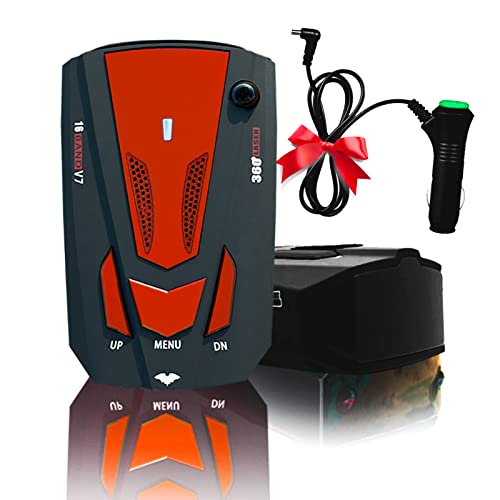 |
New Laser/Radar Detector for Cars, 360° Long Range RadarWATUTU | Our pick | Long range radar detection · 360° protection · City/highway modes | $45.99
Price as of 23 Oct 2026
|
View |
 |
Whistler CR88 High Performance Laser Radar Detector: 360Whistler | Also great | High performance 360° detector · All radar/laser bands · Bilingual voice | $192.64
Price as of 23 Oct 2026
|
View |
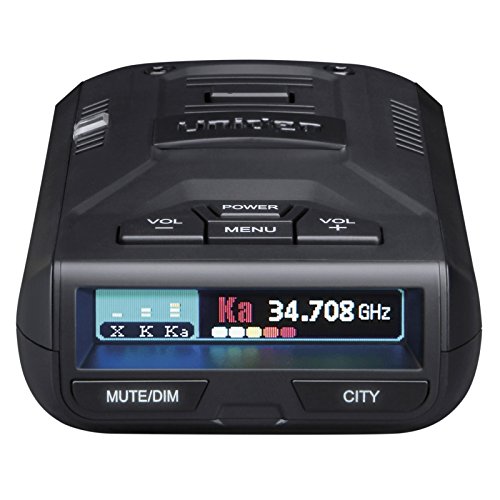 |
Uniden Uniden R1 Extreme Long Range Radar Laser DetectorUniden | Also great | Extreme long range detector · 360° DSP · GPS red light alerts | $249.99
Price as of 23 Oct 2026
|
View |
 |
Cobra RAD 480i Laser Radar Detector, Long Range Detection,COBRA | Upgrade pick | Bluetooth detector · Front/rear laser detection · Community shared alerts | $137.54
Price as of 23 Oct 2026
|
View |
The trade-off is clear: more range and directional awareness usually costs more, takes more windshield space, and can bring more alerts to manage. GPS tools and stronger filtering cut nuisance warnings, but app-heavy models add another layer to set up and maintain.
Radar detectors warn about radar and laser signals, but terrain, traffic density, and the enforcement method change how well they work. A straight interstate with open sightlines rewards range, while a crowded city corridor rewards filtering and lockouts.
📊 Car and Driver’s Escort Redline 360c was the close second in testing. Source: Best Radar Detectors for 2026, Tested.
How we chose
We compared the three picks on route fit first, then on false-alert control, display clarity, app use, and installation practicality. That matters more than a spec sheet that looks impressive on paper but annoys you every day.
We also weighed GPS lockouts, mute memory, speed camera alerts, and directional awareness. Those features matter because they affect whether the detector helps in real traffic or just makes noise.
Finally, we considered value against the driving job. A premium detector can be right for long highway runs, while a cheaper one may be enough for a shorter commute if you accept fewer features.
Radar detector decision matrix
| Decision point | Uniden R7 | Escort Redline 360c | Uniden R3 | Cobra RAD 480i |
|---|---|---|---|---|
| Route type | Long highway runs, mixed suburban routes | Highway driving where quiet detection matters | Daily driving with a need for long range at lower cost | City and commuter use where app alerts matter |
| False-alert tolerance | Low to moderate, with GPS lockouts | Low; quieter by design | Moderate; GPS mute memory helps | Moderate; crowdsourced alerts can add noise |
| App dependence | Low | Medium; app support helps, but limits exist | Low | High |
| Mounting footprint | Medium to large | Large | Medium | Small |
| Value threshold | Best when you need arrows and strong long-range awareness | Best when premium range and quiet operation matter more than app polish | Best when you want GPS features without paying for directional arrows | Best when budget and smartphone integration matter more than maximum range |
| Choose this if… | You want directional arrows, GPS lockouts, and strong all-around highway usability | You want the quietest premium-style highway detector in this group | You want long-range detection and GPS basics without paying for the top tier | You want a lower-cost detector with app-based alerts and in-car phone integration |
Say your weekday drive is 26 miles each way on a highway with occasional overpasses and one busy suburban stretch. The R7’s arrows can help you tell whether the alert is ahead or behind, which matters when traffic has already passed the threat.
Suppose your commute is a 7-mile city loop with repeated K-band door openers and shopping centers. A detector with GPS lockouts and mute memory is more useful than a raw range figure you rarely get to use.
Uniden R7: best for long highway routes
The Uniden R7 is the strongest fit here for drivers who spend real time on open roads and want directional awareness without relying on a phone. Popular Mechanics lists it with front and rear antennas, and the model also includes directional arrows, voice alerts, GPS lockouts, red light and speed camera alerts, and a multicolor OLED display.
That combination helps when a signal is behind you, ahead of you, or moving with traffic. The dual-antenna layout and arrows give you more context than a basic detector, and that matters on routes where several vehicles may be setting off the same band at once.
The drawback is size and complexity. The R7 asks for more windshield attention than a simpler unit, and the extra features make it a worse fit if you want the smallest possible mount or the simplest button layout.
Why the dual antennas matter
Front and rear antennas are useful because they support directional awareness rather than a single “something is here” warning. In practice, that can help you decide whether to slow down, move lanes, or keep watching the road ahead.
Arrows are especially useful on divided highways and multi-lane suburban arterials. They are less useful if your daily route is short, slow, and cluttered with constant low-value alerts.
Where the directional arrows help most
Directional arrows help on long highway pulls, in rolling terrain, and in traffic where the alert source changes as you pass it. They also make the detector easier to interpret at a glance, which matters when you do not want to stare at the display.
The R7’s voice alerts and multicolor OLED display improve usability, but they do not erase the need for a good mount. A wobbly windshield mount or a display blocked by a visor can make any detector harder to live with.
Who should skip it?
Skip the R7 if your windshield is cramped, if you want the smallest possible footprint, or if you mainly drive short city loops. Drivers who prefer a set-and-forget detector may also find the feature set more than they need.
Escort Redline 360c: best for quiet range
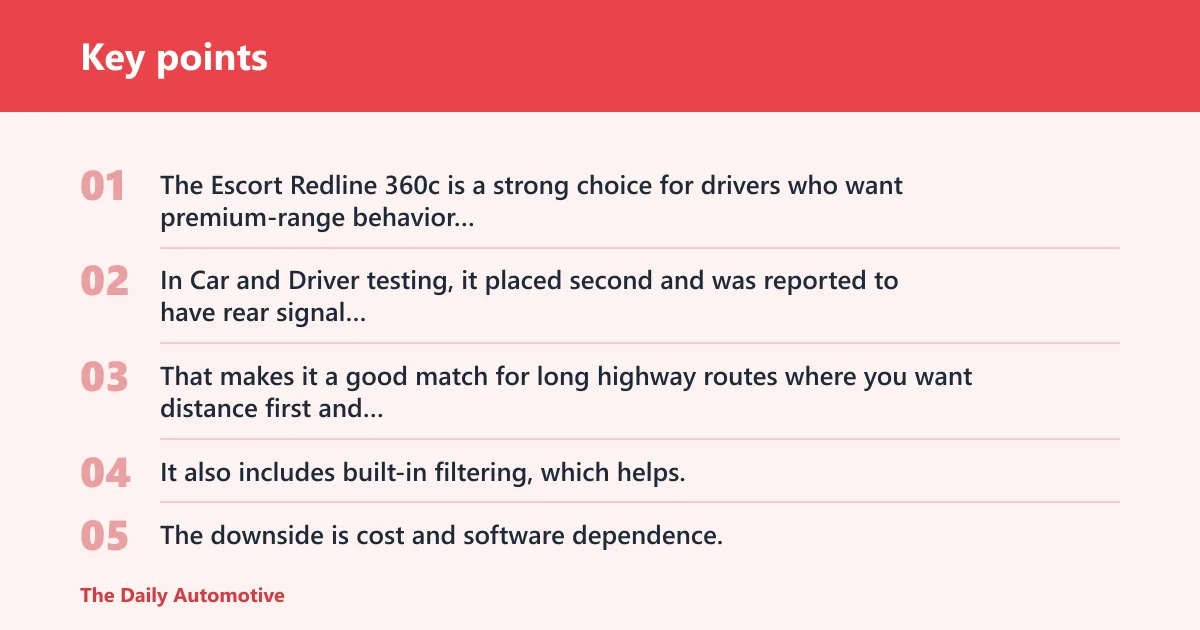
The Escort Redline 360c is a strong choice for drivers who want premium-range behavior with fewer nuisance alerts. In Car and Driver testing, it placed second and was reported to have rear signal detection of more than about 1.7 miles, with quieter false-alert behavior than some rivals.
That makes it a good match for long highway routes where you want distance first and noise second. It also includes built-in filtering, which helps, but its smartphone-app support is more limited than some competitors, so app-first buyers should read that tradeoff carefully.
The downside is cost and software dependence. If you want a more minimal setup or stronger app polish, this model can feel heavier than necessary.
Range and rear detection
The appeal of the Redline 360c is range with restraint. Car and Driver reported more than 1.7 miles of rear signal detection, and that rear awareness can help on fast roads where threats approach from behind or move through traffic before they reach you.
For highway drivers, that matters as much as raw forward reach. A detector that hears a threat early but buries it in chatter is less useful than one that stays quiet until the signal deserves attention.
False-alert filtering and app limits
Built-in filtering is part of why this model fits quiet highway use. It is designed to reduce nuisance alerts without making you babysit the display all day.
Still, the app side is not the strongest in this group. If you want heavy crowd-alert dependence, fast firmware interaction, or a phone-centered ownership experience, the Cobra family is the more obvious app-first option.
Uniden R3: best value long-range pick
The Uniden R3 is the value pick for drivers who want strong range and GPS tools without paying for directional arrows. It brings built-in GPS with mute memory, voice alerts, red light and speed camera alerts, and a multicolor OLED display, so it covers the practical features many commuters actually use.
This is the model to consider when you want long-range detection, but you do not need the R7’s front-and-rear awareness. It gives up arrow-based threat direction, and that is the key thing you lose versus the R7.
The tradeoff is straightforward: you save money and keep the core tools, but you give up the extra context that makes premium units easier to read at speed.
GPS lockouts and mute memory
GPS false-alert filtering is one of the biggest quality-of-life features in this class. Auto lockouts, manual lockouts, and mute memory let the detector learn repeat false sources along your route, which is especially useful around grocery stores, automatic doors, and traffic sensors.
The R3 also includes red light and speed camera alerts, which adds value for repeat commuters. That said, GPS tools help most when you drive the same roads often enough for the detector to learn them.
What you give up versus the R7
You give up directional arrows and the R7’s dual-antenna layout. That means less threat-direction context, which matters more on faster roads and less on predictable city loops.
If you care more about price-to-feature balance than absolute cueing, the R3 is easier to justify. If you want the most helpful visual direction cues, the R7 is the better fit.
Cobra RAD 480i: best app-based budget pick
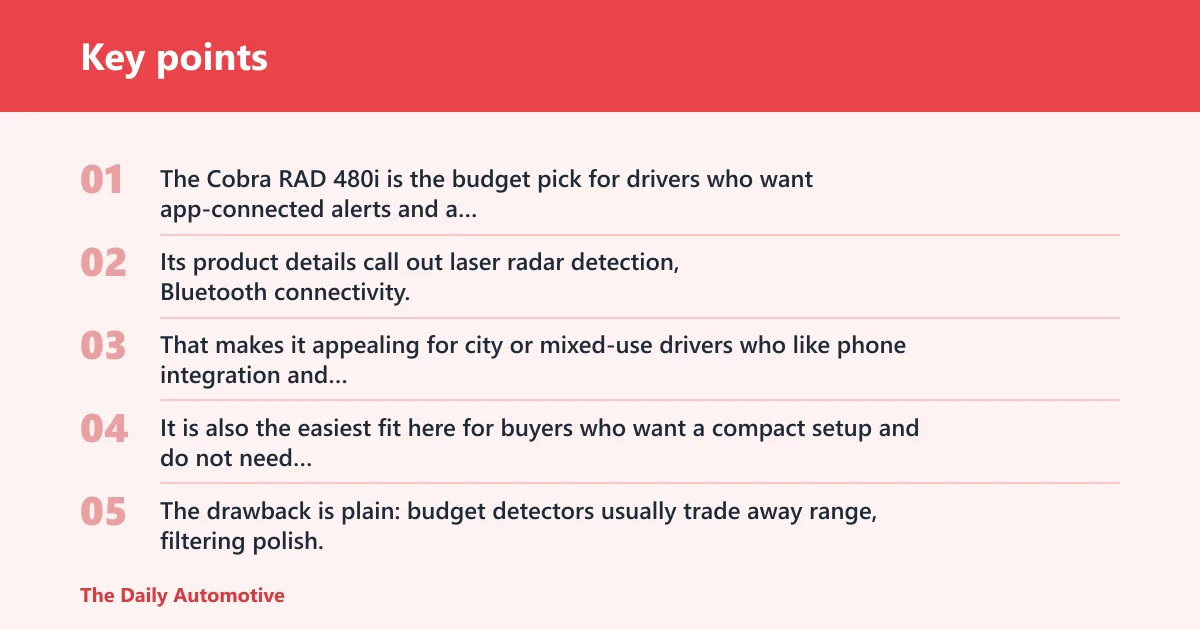
The Cobra RAD 480i is the budget pick for drivers who want app-connected alerts and a smaller financial commitment. Its product details call out laser radar detection, Bluetooth connectivity, the iRadar app, Apple CarPlay and Android Auto compatibility, and crowdsourced alerts.
That makes it appealing for city or mixed-use drivers who like phone integration and live community data. It is also the easiest fit here for buyers who want a compact setup and do not need premium-range hardware.
The drawback is plain: budget detectors usually trade away range, filtering polish, or both. App connectivity helps, but it is not a substitute for the better highway detection and directional awareness you get from the pricier models.
Crowdsourced alerts and app use
Crowdsourced alerts can help with recent roadside activity and driver-reported hazards. They can also become another source of noise if your area has a lot of inconsistent user reports.
App dependence is the main ownership difference here. If you want community alerts, frequent app interaction, and in-car integration, the 480i makes sense; if you want a detector that stands alone, it is less compelling.
CarPlay and Android Auto fit
Apple CarPlay and Android Auto compatibility matter because they put detector-related information into the screen environment many drivers already use. That can reduce phone handling and make alerts easier to manage in day-to-day commuting.
Still, app-based ownership can fail if you do not want to keep Bluetooth paired, check firmware often, or manage another app. In that case, a GPS-based detector with fewer phone requirements is easier to live with.
Which one should you buy?
Choose by route first, not badge. For long highway runs, the Uniden R7 is the strongest all-around choice in this group because its dual antennas and arrows add context that matters at speed. For quieter premium range, the Escort Redline 360c is the better fit. For value, the Uniden R3 is the cleanest compromise. For app-based budget use, the Cobra RAD 480i makes the most sense.
Choose by false-alert tolerance next. If constant nuisance alerts drive you crazy, prioritize the Redline 360c or the R3, both of which lean on filtering and GPS tools. If you can tolerate some setup work in exchange for stronger directional cues, the R7 is worth the extra attention.
Choose by budget and app dependence last. If you want a detector that can stand alone, skip the app-heavy path and look at the Uniden models. If crowd alerts, firmware interaction, and Apple CarPlay or Android Auto matter most, the Cobra is the budget-friendly fit. Check your local rules first, including Virginia’s prohibition, commercial vehicle restrictions, and military base rules, because legality changes by state and by vehicle type.
- Match the detector to your main route: highway, mixed suburban, or dense city.
- Decide how much nuisance alerting you will tolerate before the detector becomes annoying.
- Check whether you want GPS lockouts, mute memory, or route-based learning.
- Confirm how much windshield space you have and whether the mount will sit level.
- Review your state, your vehicle type, and any military base restrictions before buying.
Frequently asked questions
What is the best police radar detector for a car?
For this comparison, the Uniden R7 is the best all-around pick because it balances strong long-range performance with directional arrows, GPS lockouts, voice alerts, and speed camera warnings. That said, the best choice still depends on whether you drive more highway, suburban, or city miles.
Which radar detector is best for highway driving?
The Escort Redline 360c is the strongest highway-focused choice if you want premium range with quieter operation, while the Uniden R7 is the better option if you want arrows and more directional awareness. Long, open roads reward range first, then filtering second.
Do I need GPS lockouts on a radar detector?
You do not need GPS lockouts for every route, but they help a lot if you drive the same roads repeatedly. Auto lockouts, manual lockouts, and mute memory reduce repeat false alerts from stores, sensors, and fixed roadside sources, which is useful in suburban and city driving.
What’s the difference between Uniden R7 and Escort Redline 360c?
The R7 leans on front-and-rear antennas, arrows, GPS lockouts, and a multicolor OLED display for direction-aware driving. The Redline 360c leans more toward premium range and quieter false-alert behavior, with Car and Driver reporting more than 1.7 miles of rear detection in testing.
Which radar detector has the least false alerts?
Among these three, the Escort Redline 360c is the safest bet if your main goal is fewer nuisance alerts. Its built-in filtering and quieter behavior make it the best match for drivers who want premium range without constant chatter, though no detector eliminates every false alert.
Are radar detectors legal in Virginia?
No, radar detector use is prohibited in Virginia. You also need to check commercial vehicle rules and military base restrictions, because legality can change based on where and how the vehicle is used. State-by-state rules still matter even if your detector is legal elsewhere.
Do radar detectors work for laser as well as radar?
Some detectors can warn about laser as well as radar, but laser is harder to defeat and a warning is not a guarantee. Treat laser detection as an alert feature, not protection. That is why route context, mounting, and quick response still matter.
Is a cheaper radar detector good enough for city driving?
Sometimes, yes, if your routes are short and your expectations are realistic. A cheaper detector with GPS lockouts or app-based alerts can be enough for city commuting, but it will not match premium units for range, directional awareness, or the calmness that comes from better filtering.
Products related to this article
Sponsored / affiliate links. As an Amazon Associate I earn from qualifying purchases. I may earn additional commission from eligible campaigns.