Are Foam Snow Brushes Safe for Your Car
When winter hits, you want to keep your car clean and clear. Many people wonder, Are Foam Snow Brushes Safe for Car Paint? It’s a common question, especially for new car owners who want to protect their vehicle’s shine. It can seem tricky to know what’s best.
This guide will give you simple steps and clear answers so you can easily care for your car’s paint all winter long. We’ll cover everything you need to know to keep your car looking great.
Understanding Foam Snow Brushes
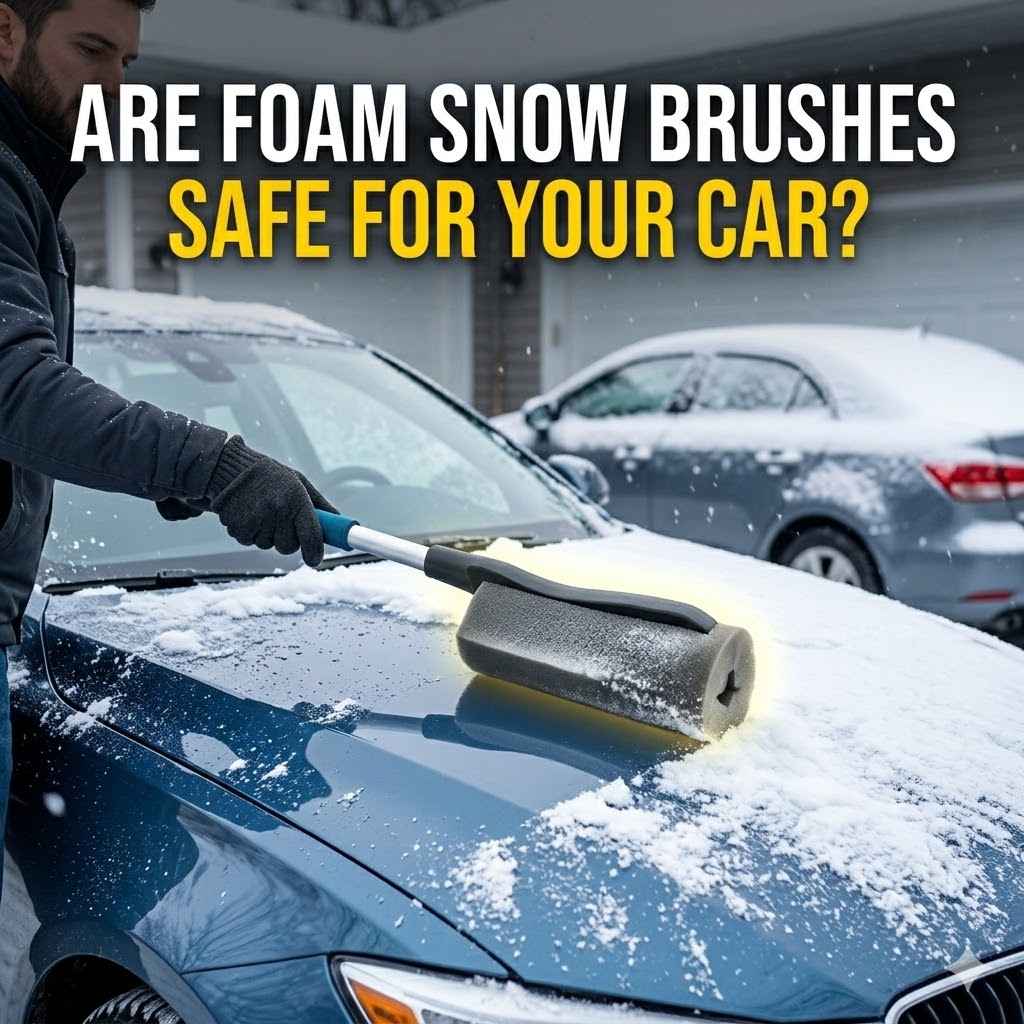
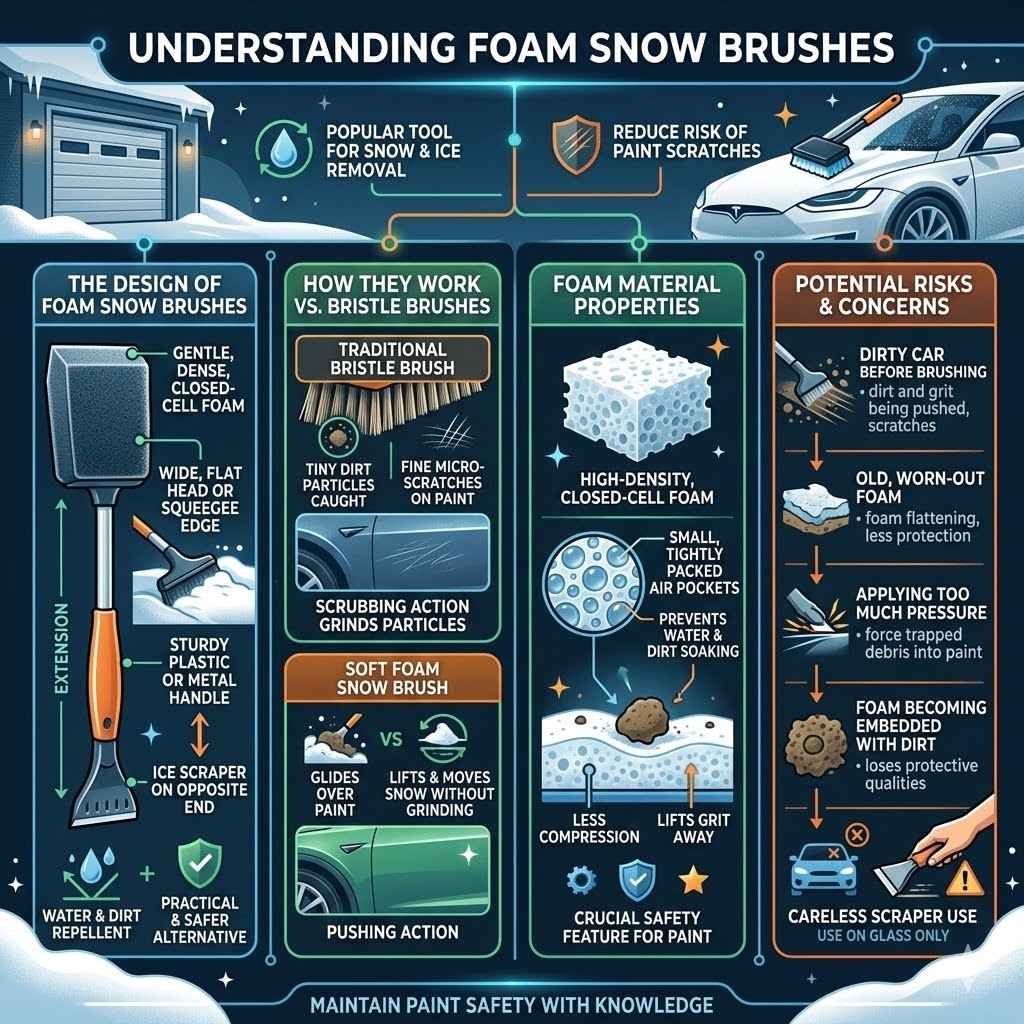
Foam snow brushes are a popular tool for clearing snow and ice from your car. Unlike traditional brushes with stiff bristles, these often feature a soft foam head. This design aims to reduce the risk of scratching your car’s paintwork.
However, the effectiveness and safety of these brushes can depend on several factors. This section will explore the basic design and intended use of foam snow brushes, setting the stage for a deeper look at their safety for car paint. We will examine what makes them different and why their material matters.
The Design of Foam Snow Brushes
Foam snow brushes are designed to be gentle. The main part is usually made of a dense, closed-cell foam. This material is chosen because it does not absorb water and is less likely to trap abrasive particles like dirt or grit.
The foam is often shaped into a wide, flat head or a squeegee-like edge. This shape helps to push snow away in large amounts rather than scratching at it.
The handle is typically made of sturdy plastic or metal, often extendable for reaching across larger vehicles like SUVs and trucks. Some models also include a scraper on the opposite end for tackling stubborn ice. The overall goal of this design is to offer a practical and safer alternative to stiff-bristled brushes for snow removal.
How They Work Compared to Bristle Brushes
Traditional snow brushes have bristles made from nylon or plastic. These bristles are effective at dislodging snow, but they can also cause micro-scratches on your car’s paint. Imagine tiny bits of dirt or road salt getting caught between the bristles and your car’s surface.
When you scrub, these particles act like sandpaper, leaving fine lines.
Foam brushes, in contrast, work by pushing. The soft foam glides over the paint. When used correctly, the foam is meant to lift and move snow without grinding particles into the clear coat.
This difference in action is the primary reason why foam brushes are often considered safer for your car’s finish.
Foam Material Properties
The type of foam used is key. High-density, closed-cell foam is preferred. This means the foam has very small, tightly packed air pockets.
This structure prevents water and dirt from soaking into the foam itself.
Closed-cell foam is also less likely to compress and conform to sharp objects. If a piece of grit gets onto the foam, the material’s structure helps to lift it away rather than embedding it. This is a crucial safety feature for protecting paint.
The Role of the Scraper
Many foam snow brushes come with an ice scraper. This part is usually made of hard plastic. While effective for breaking ice, the scraper is the most likely part to damage paint if used carelessly.
It needs to be used with caution and only on the glass.
Potential Risks and Concerns
Even with foam, there are risks. If your car is already dirty before you start brushing, the foam can still push dirt and grit around. This can lead to scratches.
Also, the foam can wear down over time. Old, worn-out foam might become less effective at protecting the paint.
One major concern is when users apply too much pressure. Pressing down hard can force any trapped debris into the paint. The effectiveness also relies on how clean the foam is.
If the foam itself becomes embedded with dirt, it loses its protective qualities.
When Are Foam Brushes Most Safe
Foam snow brushes are safest when used correctly on a vehicle that is not excessively dirty or covered in abrasive materials. The goal is to gently remove loose snow. Understanding the right conditions and techniques will help ensure your car’s paint stays protected.
We will explore the ideal scenarios for using foam brushes and what to avoid for maximum safety. This includes how to prepare your car and yourself for snow removal.
Ideal Snow Conditions
The best time to use a foam snow brush is when you have fresh, powdery snow. This type of snow is light and easy to move. It doesn’t stick to the car in thick, hard layers.
If the snow is wet and heavy, it’s more challenging. Wet snow can clump and stick, requiring more force. This makes it harder for the foam to glide without picking up debris.
Pre-Washing Your Car
The ultimate way to ensure safety is to wash your car before using any snow removal tool, if possible. A clean car means no dirt or grit for the brush to work with. This is ideal but not always practical in winter.
If a full wash isn’t possible, rinsing your car with water can help remove loose dirt. This is especially useful if your car has been driven on wet, slushy roads. A quick rinse can make a big difference.
Gentle Techniques
Always use a light touch. Push the snow away rather than scrubbing back and forth. Move the brush in one direction.
This reduces friction and the chance of pushing grit into the paint.
Clean the foam head often. If you see a lot of snow or dirt on the foam, rinse it off. You can do this with a hose or even a bucket of water.
A clean foam head is a safe foam head.
Checking the Foam for Dirt
Before each use, quickly inspect the foam head. Look for any embedded particles. If you see grit, dirt, or ice chunks stuck in the foam, rinse it thoroughly.
This simple check takes only a few seconds but can prevent significant damage. It’s a small step that adds a layer of protection.
The Importance of Lubrication
Sometimes, a bit of lubrication can help. A car wash soap solution or a dedicated car detailing spray can create a slick surface. This helps the foam glide more easily, reducing friction.
This technique is particularly useful when dealing with slightly wet or sticky snow. It adds an extra barrier between the foam and the paint.
Scraper Usage Rules
The ice scraper is for glass only. Never use it on painted surfaces, plastic trim, or rubber seals. Apply gentle, even pressure when scraping ice from your windshield or windows.
If ice is very thick, it might be better to let your car warm up or use a de-icing spray rather than forcing the scraper. This prevents accidental damage to your paint or trim.
Foam Snow Brush vs. Other Tools
When thinking about Are Foam Snow Brushes Safe for Car Paint?, it’s helpful to compare them to other snow removal methods. Different tools have different risks and benefits. Understanding these differences will help you make the best choice for your car’s finish.
We will look at how foam brushes stack up against bristled brushes, car covers, and other winter car care products. This comparison will highlight why foam often emerges as a preferred option for many car owners.
Bristled Snow Brushes
Bristled brushes are very common. They are good at breaking up compacted snow and ice. However, their stiff bristles are a primary cause of swirl marks on car paint.
Even with careful use, fine scratches can accumulate over time. Many car detailers recommend avoiding them altogether if paint preservation is a top priority.
Soft Brushes and Wash Mitts
Some people opt for softer car wash brushes or wash mitts designed for snow. These can be safer than stiff-bristled brushes. However, they can still trap grit if the car is dirty.
Wash mitts, especially those made of microfiber, are generally used with water and soap. Using them for dry snow removal is not recommended, as they can easily pick up abrasive particles.
Car Covers and Snow Guards
Using a car cover is one of the safest ways to protect your car from snow. It creates a barrier between your car’s paint and the elements. However, putting on and taking off a cover can be a hassle, especially in cold weather.
Snow guards for mirrors or specific car parts offer limited protection. They are not a comprehensive solution for the entire vehicle.
Water and De-icers
Using warm water to melt snow is effective but can be problematic if the water freezes on contact, creating more ice. De-icing sprays are helpful for windows and locks but are not practical for large areas of the car.
They can also leave residues that need to be cleaned off later.
| Tool | Pros | Cons | Paint Safety Rating (1-5, 5 being safest) |
|---|---|---|---|
| Foam Snow Brush | Gentle on paint, pushes snow, often extendable | Can trap grit if dirty, scraper can damage paint | 4 |
| Bristled Snow Brush | Effective on heavy snow/ice | High risk of scratches, can dull paint finish | 2 |
| Car Wash Mitt (dry snow) | Soft material | Easily traps grit, not designed for dry snow | 2 |
| Car Cover | Complete protection | Cumbersome to use, can scratch if dirt trapped underneath | 5 (if used correctly) |
| Ice Scraper (on glass) | Effective for ice | Can scratch glass, NOT for paint | N/A for paint |
Example Scenario Comparison
Imagine you have a light dusting of powdery snow on your car. A foam brush, used gently, would likely remove this with minimal risk.
Now, consider a heavy layer of wet, icy snow. A foam brush might struggle and require more pressure. In this case, a bristled brush might seem more effective at breaking it up, but the risk to paint is much higher.
A car cover would offer the best protection, but it needs to be removed first.
Statistics on Paint Damage
Studies by automotive detailing associations suggest that improper snow removal is a leading cause of minor paint imperfections, often referred to as swirl marks or micro-scratches. While exact statistics for foam brushes specifically are rare, the general consensus is that softer materials significantly reduce this risk.
One survey found that over 60% of car owners reported seeing swirl marks on their vehicles, with improper washing and snow removal being frequently cited as the cause. This highlights the importance of choosing the right tools and techniques for winter car care.
Proper Care and Maintenance of Foam Snow Brushes
To ensure your foam snow brush remains safe for your car’s paint, proper care and maintenance are essential. Just like any tool, its longevity and effectiveness depend on how well you look after it. This section will guide you through cleaning, storing, and inspecting your foam brush to maximize its lifespan and maintain its protective qualities.
Keeping your tool in good condition is as important as using it correctly.
Cleaning Your Foam Brush
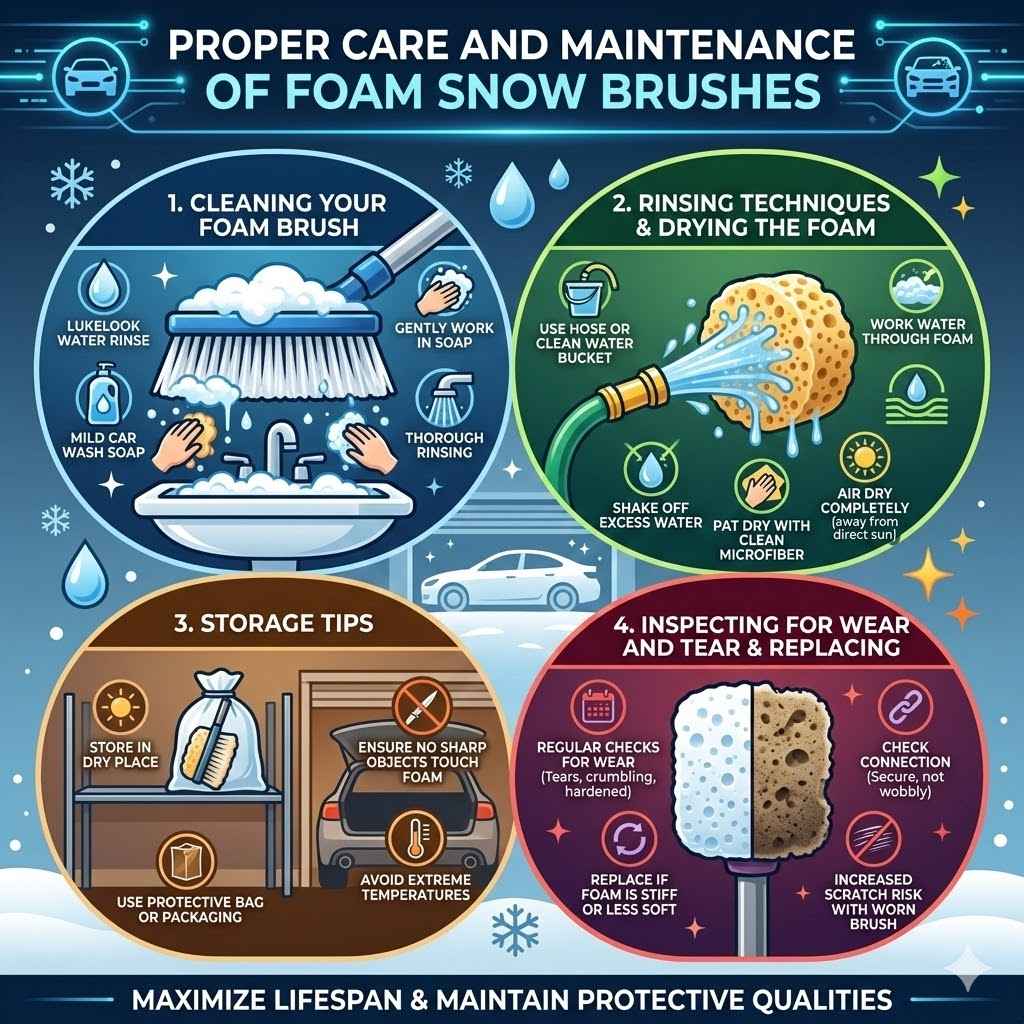
After each use, it’s crucial to clean the foam head. Use lukewarm water to rinse away all the snow and any dirt it may have picked up. You can use a mild car wash soap if the foam is particularly dirty.
Gently work the soap into the foam with your hands. Then, rinse thoroughly until all soap residue is gone. This prevents dirt from drying and hardening in the foam, which could cause scratches later.
Rinsing Techniques
A simple hose is usually sufficient for rinsing. If you don’t have a hose, a bucket of clean water will work. You might need to change the water a few times to ensure all the debris is removed.
Focus on working the water through the foam, especially if it has a porous surface. Squeeze the foam gently to help dislodge trapped particles.
Drying the Foam
After rinsing, shake off any excess water. You can also gently pat the foam dry with a clean microfiber towel. Avoid wringing the foam out aggressively, as this could damage its structure over time.
Allow the foam brush to air dry completely. Place it in a well-ventilated area, away from direct sunlight, which can degrade some foam materials.
Storage Tips
Store your foam snow brush in a dry place. A garage, shed, or even the trunk of your car can be suitable. Ensure the foam head is not pressed against anything sharp or abrasive.
Keeping it in a protective bag or its original packaging can help. This prevents dust and debris from accumulating on the foam when it’s not in use.
Avoiding Extreme Temperatures
Try to avoid storing the brush in places that experience extreme temperature fluctuations for extended periods. While most foam is durable, very high heat or prolonged freezing can eventually affect its integrity.
A stable environment helps maintain the foam’s resilience and shape, ensuring it performs well season after season.
Inspecting for Wear and Tear
Regularly check the foam for any signs of wear. Look for tears, crumbling, or a hardened texture. If the foam feels stiff or less pliable than it used to be, it might be time for a replacement.
Also, inspect the connection between the foam head and the handle. Ensure it is secure and not wobbly. A loose connection can lead to awkward handling and potential damage.
When to Replace Your Brush
A foam snow brush typically lasts a few winter seasons with proper care. However, if you notice significant degradation in the foam, or if it starts to feel less soft, it’s a sign to replace it.
Using a worn-out brush increases the risk of scratching your car. It’s a small investment to replace it and protect your vehicle’s paint.
Frequently Asked Questions
Question: Can I use a foam snow brush on a dirty car?
Answer: While a foam snow brush is generally safer than a bristled brush, it’s still not ideal to use it on a very dirty car. If your car has a lot of mud, salt, or grit on it, the foam can trap these particles and push them into the paint, causing scratches. It’s best to rinse your car first if possible.
Question: How do I know if my foam snow brush is damaging my car’s paint?
Answer: You might see fine swirl marks or faint scratches on your car’s paint after using the brush. These are often most visible in direct sunlight. If you notice these, you may be applying too much pressure, not cleaning the brush often enough, or the brush itself might be worn out.
Question: Can the ice scraper on a foam snow brush damage my car?
Answer: Yes, the ice scraper can definitely damage your car if used improperly. It is designed for glass only. Never use it on paint, trim, or rubber.
Apply gentle pressure and only use it on windows and windshields.
Question: How often should I clean my foam snow brush?
Answer: You should clean your foam snow brush after every use. This removes snow and any dirt or grit that might have been picked up. Thorough cleaning ensures the foam remains safe for your car’s paint on the next use.
Question: Is a foam snow brush better than just using my hands?
Answer: For removing large amounts of snow, a foam snow brush is usually more effective and practical than using your hands. However, if you have a very light dusting of snow, carefully using a clean, gloved hand might be a very safe option. The main advantage of the brush is its reach and ability to push snow efficiently without direct contact with your paint.
Final Thoughts
Foam snow brushes can be safe for your car’s paint when used with care. Always use them on relatively clean surfaces. Gentle pressure and frequent cleaning are key.
Inspect your brush for wear and replace it if needed. Proper maintenance ensures your foam brush protects your car’s finish all winter long.