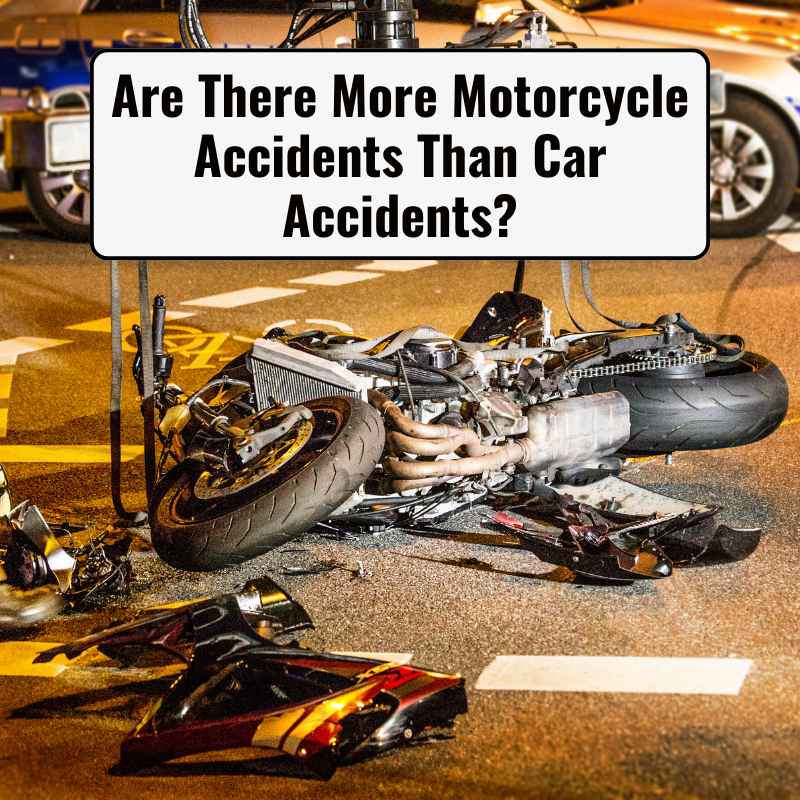
Are There More Motorcycle Accidents Than Car Accidents?
While precise head-to-head comparisons vary by specific metrics and year, data consistently shows that motorcycles are involved in a disproportionately high number of fatal crashes relative to their presence on the road. This means, per mile traveled, a motorcycle rider faces a higher risk of a fatal or serious injury accident than a car occupant.
Motorcycle Accidents vs. Car Accidents: The Numbers
Let’s get straight to the point. When we talk about accidents, we can look at different kinds. There are accidents that cause damage to vehicles.
There are also accidents that cause injuries. And sadly, there are accidents that result in death. It’s important to look at all these aspects to get a full picture.
Fatalities: A Stark Reality
When we look at traffic fatalities, the numbers often tell a striking story. According to the National Highway Traffic Safety Administration (NHTSA), motorcyclists are overrepresented in fatal crashes. This means that while motorcycles make up a smaller percentage of vehicles on the road, they account for a larger percentage of traffic deaths.
For example, in recent years, NHTSA data has shown that motorcyclists are about 28 times more likely to die in a crash than people in cars. This is a really big difference. It highlights the significant risks associated with motorcycle riding.
Think about it like this: for every 100,000 miles traveled, the number of fatalities on motorcycles is much higher than for cars. This statistic is a core reason why many people feel motorcycles are inherently more dangerous.
Injuries: More Than Just a Scratch
Beyond fatalities, injuries are also a major concern. Motorcycle riders are also more likely to be seriously injured in a crash. While car occupants might experience broken bones or bruises, motorcycle riders often face more severe injuries.
These can include traumatic brain injuries, spinal cord damage, and severe road rash.
The lack of a protective cage, like the one in a car, means that riders are more exposed to the impact of a crash. Even at lower speeds, the consequences can be devastating. This means more people on motorcycles end up in hospitals with long-term health problems.
Accident Rates: A Closer Look
It’s not just about who dies or gets hurt. We can also look at the rate of accidents themselves. Are there simply more motorcycle accidents happening?
Or is it that when they do happen, they are more severe?
Statistics show that while the total number of car accidents might be higher due to the sheer volume of cars on the road, the rate of accidents per vehicle mile traveled is higher for motorcycles. This is especially true for crashes that result in injury or death.
So, to answer the main question directly: are there more motorcycle accidents than car accidents? In terms of raw numbers, probably not. But are motorcycle accidents more dangerous and do they happen at a higher rate relative to how much they are ridden?
The data strongly suggests yes.
Quick Accident Comparison
Cars: More overall accidents due to higher numbers on the road.
Motorcycles: Higher rate of fatal and severe injury accidents per mile traveled.
Risk: Riding a motorcycle is statistically riskier than driving a car.
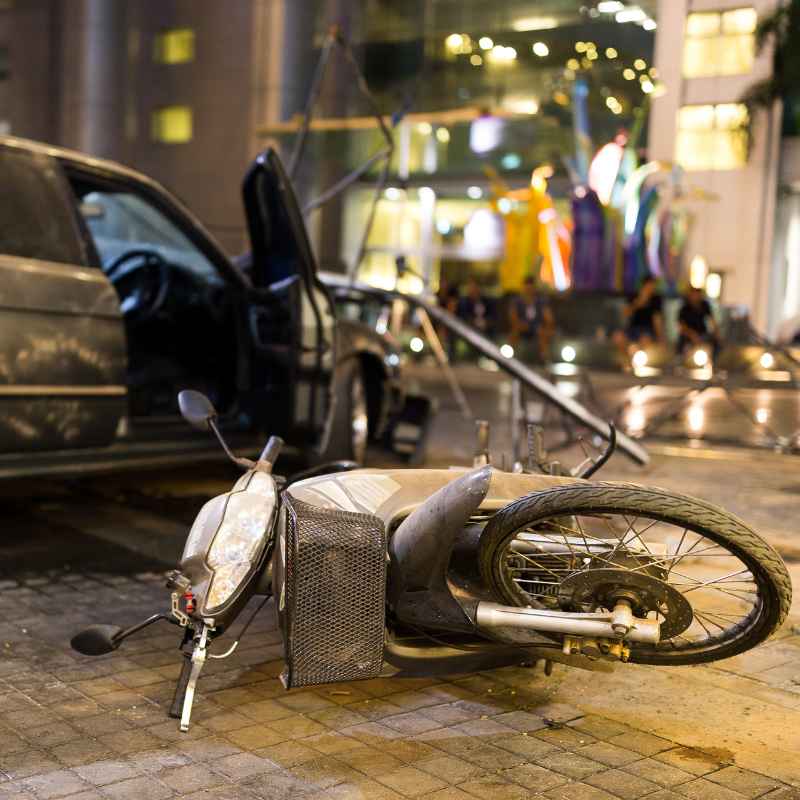
Why Are Motorcycle Accidents So Severe?
This is where we dive into the “why.” It’s not just about one single thing. Several factors contribute to the higher severity of motorcycle accidents. Understanding these reasons helps us see the bigger picture and what can be done to improve safety.
Lack of Protection
This is the most obvious reason. A car has a metal frame, airbags, and seatbelts. These are all designed to protect occupants in a crash.
A motorcycle offers very little physical protection. If a rider is thrown from the bike, they are directly exposed to the road, other vehicles, and any obstacles.
This lack of protection means that even a minor collision can have major consequences for a rider. A simple fall can lead to serious road rash. A more significant impact can cause severe internal injuries or head trauma.
Visibility Issues
Motorcycles are smaller than cars. This makes them harder for other drivers to see. They can easily get lost in a car’s blind spot.
Drivers might not check their mirrors or over-the-shoulder as thoroughly when changing lanes.
This is often referred to as the “looked but didn’t see” phenomenon. It’s not usually that drivers are intentionally ignoring motorcycles. It’s more about the motorcycle’s smaller size and less distinctive profile.
Many accidents happen at intersections. A car might turn left in front of a motorcycle, or a driver might pull out into traffic without seeing the approaching bike. This is a huge cause of crashes involving motorcycles.
Vulnerability of Riders
Riders are more vulnerable to the road surface itself. Potholes, gravel, oil slicks, and uneven pavement can easily cause a motorcycle to lose traction and crash. Cars can usually drive over these imperfections without issue.
Even small debris on the road can be a significant hazard for a motorcycle. A tire blowout or a sudden swerve to avoid an obstacle can lead to a loss of control.
Rider Error vs. Driver Error
When accidents happen, it’s important to consider who made the mistake. Studies show that in many fatal motorcycle crashes, the other vehicle (car, truck) is at fault. This points back to the visibility and vulnerability issues.
However, rider error also plays a role. Factors like speeding, impaired riding (alcohol or drugs), and inexperience can lead to crashes. But even when a rider makes a mistake, the consequences are often much worse due to the lack of protection.
It’s a mix of factors, really. It’s not just about the rider being reckless. It’s also about the environment they share with much larger, more protected vehicles.
Top Reasons for Motorcycle Accident Severity
- Minimal Rider Protection: No metal cage, airbags, or seatbelts.
- Low Visibility: Motorcycles are smaller and harder to spot.
- Road Hazards: Riders are more affected by potholes, debris, and slick surfaces.
- Direct Impact: Riders are exposed to the force of collision.
My Own Scare on Two Wheels
I remember one crisp autumn evening a few years back. I was on my way home from a friend’s place, riding my motorcycle on a familiar two-lane road. The sun was starting to dip below the horizon, casting long shadows.
I was feeling good, enjoying the cool air and the rumble of the engine.
As I approached an intersection, the light turned green for me. I checked left and right, as I always do. I saw a car stopped at the red light, waiting to turn right on red.
Everything seemed normal. I started to cross through the intersection.
Suddenly, the car I had seen began to make its turn. Not a slow, cautious turn, but a sudden, wide swing into my lane. My heart leaped into my throat.
I instinctively slammed on my brakes and swerved hard to the left.
The rear tire of my bike fishtailed for a terrifying second. I could feel myself losing control. I squeezed my eyes shut for a brief moment, bracing for impact.
The sound of my bike skidding and the rush of wind filled my ears.
When I opened my eyes, I was miraculously still upright, having narrowly missed the car by inches. My bike was leaning at a crazy angle, and my hands were shaking uncontrollably. The driver of the car looked stunned, probably realizing what they had almost done.
That moment was a stark reminder of how quickly things can go wrong. Even when you’re being careful, you rely on others to do the same. The vulnerability of being on a motorcycle hit me hard.
It wasn’t just about my own skill; it was about the other person’s awareness. I was lucky. Many aren’t.
Who is at Fault? Examining Contributing Factors
Determining fault in an accident can be complex. It often involves looking at many different things. Was it the motorcycle rider?
Was it the driver of the other vehicle? Or was it a combination of both, perhaps along with external factors?
Driver ErrorsAs mentioned, a huge number of motorcycle accidents involve errors from drivers of other vehicles. These include:
- Failure to Yield: This is very common. Drivers fail to yield the right-of-way to motorcycles, especially at intersections.
- Improper Lane Changes: Drivers don’t see motorcycles in their blind spots when changing lanes.
- Distracted Driving: Texting, talking on the phone, eating, or adjusting the radio can all take a driver’s attention away from the road.
- Speeding: While not always the primary cause for the other vehicle, speeding by any party can worsen the outcome of a crash.
- Following Too Closely: This is more of a risk for cars following other cars, but a car following too closely behind a motorcycle can be dangerous if the motorcycle has to brake suddenly.
Rider Errors
Motorcycle riders are not immune to making mistakes. Common rider errors include:
- Speeding: Riding too fast for conditions or exceeding the speed limit.
- Inexperience: New riders may lack the skills to handle unexpected situations.
- Impaired Riding: Riding under the influence of alcohol or drugs significantly impairs judgment and reaction time.
- Following Too Closely: Not leaving enough stopping distance from the vehicle ahead.
- Lane Splitting (where illegal): While some states allow lane splitting, doing it unsafely or where it’s prohibited can be dangerous.
- Failure to Use Proper Gear: Not wearing a helmet or protective clothing can turn a minor accident into a major injury.
Environmental Factors
The road itself and weather conditions can also play a role:
- Road Defects: Potholes, cracks, loose gravel, oil slicks, and uneven surfaces are much more hazardous for motorcycles.
- Poor Weather: Rain, fog, and ice reduce visibility and traction for all vehicles, but especially for motorcycles.
- Poor Lighting: Driving at night or in poorly lit areas increases the risk of not being seen.
The Role of Alcohol and Drugs
Impairment from alcohol or drugs is a significant factor in a large percentage of fatal accidents for both car drivers and motorcycle riders. When a rider is impaired, their ability to control the motorcycle, react to hazards, and make safe decisions is severely compromised. Likewise, if a driver of another vehicle is impaired, they are less likely to see a motorcycle or react properly to avoid a collision.
Common Fault Scenarios
Scenario 1: Car turns left in front of an oncoming motorcycle. (Likely car fault: Failure to yield, Improper turn).
Scenario 2: Motorcycle rear-ends a car. (Likely rider fault: Following too closely, Speeding).
Scenario 3: Motorcycle crashes due to hitting a large pothole. (Likely environmental fault: Poor road conditions).
Scenario 4: Motorcycle rider is impaired and loses control. (Likely rider fault: Impaired riding).
Real-World Context: Who is Most at Risk?
Understanding who is most at risk helps us target safety efforts. It’s not just about “motorcyclists” as one big group. Different riders and different situations carry different levels of risk.
Age and Experience
Younger riders, especially those between 16 and 24, tend to be involved in more accidents. This is often due to a combination of inexperience, risk-taking behavior, and less developed judgment. However, older riders who are returning to riding after a long break might also face challenges adapting to newer bike technology and changing road conditions.
Experienced riders who consistently practice safe riding techniques tend to have lower accident rates. But even the most experienced rider can fall victim to the mistakes of others or unexpected hazards.
Type of Riding
The environment in which a motorcycle is ridden also matters. For instance:
- Urban Riding: High traffic density, frequent stops and starts, and complex intersections increase the chances of close calls and accidents.
- Highway Riding: While often perceived as safer due to fewer unexpected obstacles, high speeds can make accidents more severe. Lane changes by other vehicles are a significant concern.
- Rural Riding: These roads can have less traffic but may have poorer surface conditions, hidden curves, and fewer emergency services nearby.
Motorcycle Type
Different types of motorcycles have different handling characteristics. Sport bikes, designed for speed and agility, may be more prone to rider error if not handled correctly. Cruisers, often heavier, might be less agile in emergency maneuvers.
Touring bikes offer more comfort and protection but can be large and cumbersome at low speeds.
Wearing Safety Gear
This is a huge factor in determining the outcome of an accident. Riders who consistently wear helmets, protective jackets, gloves, pants, and sturdy footwear are far more likely to walk away from a crash with minor injuries than those who do not.
Helmets, in particular, are proven to save lives and prevent severe head injuries. Despite this, some riders choose not to wear them, often citing comfort or style preferences. This choice significantly increases their risk of serious harm.
Risk Factors Summarized
Higher Risk:
- Young, inexperienced riders
- Riding in heavy traffic
- Riding at high speeds
- Riding without a helmet or protective gear
- Riding under the influence
Lower Risk:
- Experienced, trained riders
- Riding in open, predictable environments
- Riding defensively
- Wearing full protective gear
- Riding sober
What Does This Mean for You? Assessing Your Risk
So, after looking at all this information, what’s the takeaway? It’s about awareness and making informed choices. Whether you ride a motorcycle or drive a car, understanding these risks is crucial for everyone’s safety.
When It’s “Normal” (Relatively Speaking)
It’s “normal” for motorcycle riders to face higher risks than car drivers. The statistics consistently show this. It’s also normal for accidents involving motorcycles to result in more severe injuries and fatalities, simply due to the lack of protection.
It’s also “normal” for other drivers to sometimes overlook or not see motorcycles. This isn’t malicious; it’s a consequence of their size and how our brains process visual information in busy traffic. This makes defensive riding a necessity for motorcyclists.
When to Worry: Red Flags
You should worry if you or someone you know:
- Rides a motorcycle without a helmet or proper protective gear.
- Rides under the influence of alcohol or drugs.
- Rides excessively fast or engages in reckless behavior.
- Is inexperienced and hasn’t taken a motorcycle safety course.
- Relies on other drivers to always see them, without taking extra precautions.
For car drivers, you should worry if you:
- Frequently text or are otherwise distracted while driving.
- Don’t consistently check your blind spots before changing lanes.
- Tend to speed or drive aggressively around motorcycles.
- Are often impatient at intersections or in traffic.
Simple Checks and Observations
For Riders:
- Gear Up: Always wear a DOT-approved helmet, eye protection, a sturdy jacket and pants, gloves, and over-the-ankle boots.
- Be Visible: Wear bright clothing. Use your headlight at all times. Position yourself in your lane where you are most visible to other drivers.
- Ride Sober: Never ride under the influence.
- Know Your Bike: Understand its limits and yours.
- Scan Ahead: Constantly look for potential hazards, including other vehicles and road conditions.
For Drivers:
- Check Your Blind Spots: Always do a head check before changing lanes or merging.
- Look Twice for Motorcycles: Especially at intersections and when turning. Assume they are there.
- Don’t Follow Too Closely: Give yourself plenty of room to stop.
- Avoid Distractions: Put your phone away and focus on driving.
- Be Patient: Motorcyclists have the same right to the road as you do.
Safety Spotlight: Helmets Save Lives
The Fact: Helmets significantly reduce the risk of death and serious head injury in motorcycle crashes.
The Myth: Helmets are uncomfortable or reduce a rider’s ability to see.
The Reality: Modern helmets are designed for comfort and ventilation. The slight reduction in peripheral vision is a small price to pay for the massive safety benefit.
Call to Action: Always wear a DOT-approved helmet.
Quick Tips for Safer Riding and Driving
While the statistics can seem daunting, there are always steps we can take to improve safety for everyone on the road. These aren’t magic solutions, but they make a real difference.
For Motorcycle Riders:
- Take a Course: Even experienced riders benefit from advanced rider training courses. They teach crucial skills for hazard avoidance.
- Ride Defensively: Assume other drivers don’t see you. Plan escape routes. Anticipate actions of others.
- Maintain Your Bike: Regular checks of tires, brakes, lights, and fluids are essential for safe operation.
- Be Predictable: Ride in a straight line within your lane. Avoid sudden swerving unless absolutely necessary.
- Communicate: Use your turn signals. Make eye contact when possible.
For Car and Truck Drivers:
- Share the Road: Remember motorcycles are vehicles and have equal rights.
- Scan Intersections Thoroughly: Look for oncoming motorcycles before turning or pulling out.
- Be Mindful of Space: Give motorcycles at least a full car length of space when following.
- Respect Lane Position: Don’t try to “share” a lane with a motorcycle.
- Watch for Slowdowns: Motorcycles can stop faster than cars in some situations. Be prepared for them to brake suddenly.
Quick Fixes and Safety Habits
Rider Habits: Gear up, be visible, ride sober, scan ahead.
Driver Habits: Look twice for bikes, check blind spots, avoid distractions, be patient.
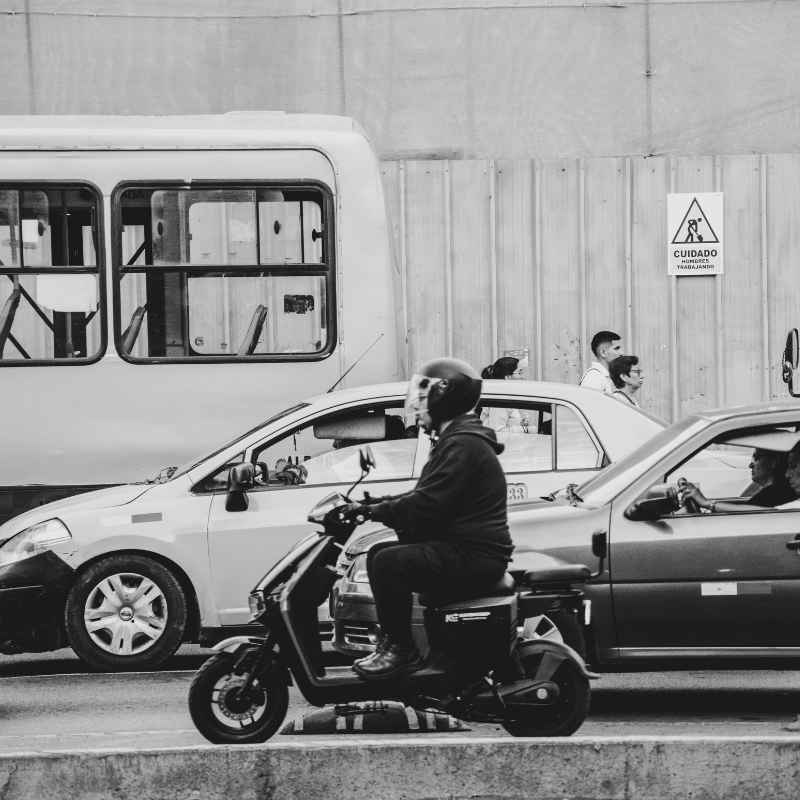
Frequently Asked Questions About Motorcycle Accidents
Are motorcycle accidents more common than car accidents?
While there are more car accidents overall because there are far more cars on the road, motorcycles are involved in fatal crashes at a disproportionately higher rate per mile traveled. This means the risk of a fatal accident is significantly higher for motorcyclists compared to car occupants.
Why are motorcycle accidents often more severe?
Motorcycles offer very little protection. Riders are exposed to the impact of a crash, unlike car occupants who are surrounded by a metal frame, airbags, and seatbelts. This lack of protection means even minor falls or collisions can result in severe injuries.
What is the biggest cause of motorcycle accidents?
A leading cause of motorcycle accidents involves other vehicles failing to see the motorcycle. This includes drivers making left turns in front of oncoming motorcycles or changing lanes without checking blind spots. However, rider error, such as speeding or impaired riding, also contributes significantly.
Are car drivers or motorcycle riders more at fault in accidents?
Statistics vary, but many fatal motorcycle crashes involve at least one error by the other vehicle’s driver (e.g., failure to yield). However, rider errors like speeding, inexperience, and impaired riding are also significant factors. Often, it’s a combination of factors from both parties.
Is riding a motorcycle safer in the city or on the highway?
Both environments have their own risks. City riding involves more frequent stops, starts, and complex intersections, increasing the chance of collisions with other vehicles. Highway riding involves higher speeds, making accidents more severe, and risks from other vehicles changing lanes unexpectedly.
Does wearing a helmet really make a difference?
Yes, absolutely. Wearing a helmet is one of the single most effective ways to reduce the risk of death and serious head injury in a motorcycle accident. Studies consistently show that helmeted riders have a much lower fatality rate.
Final Thoughts on Motorcycle Safety
The numbers are clear: riding a motorcycle carries a higher risk than driving a car. This isn’t to discourage anyone, but to highlight the importance of safety. It’s about awareness, preparation, and respect on the road.
For riders, this means always gearing up, riding defensively, and staying sober. For drivers, it means being extra vigilant and making sure you truly see the motorcycles around you. Together, we can make our roads safer for everyone.
Products related to this article
Sponsored / affiliate links. As an Amazon Associate I earn from qualifying purchases. I may earn additional commission from eligible campaigns.