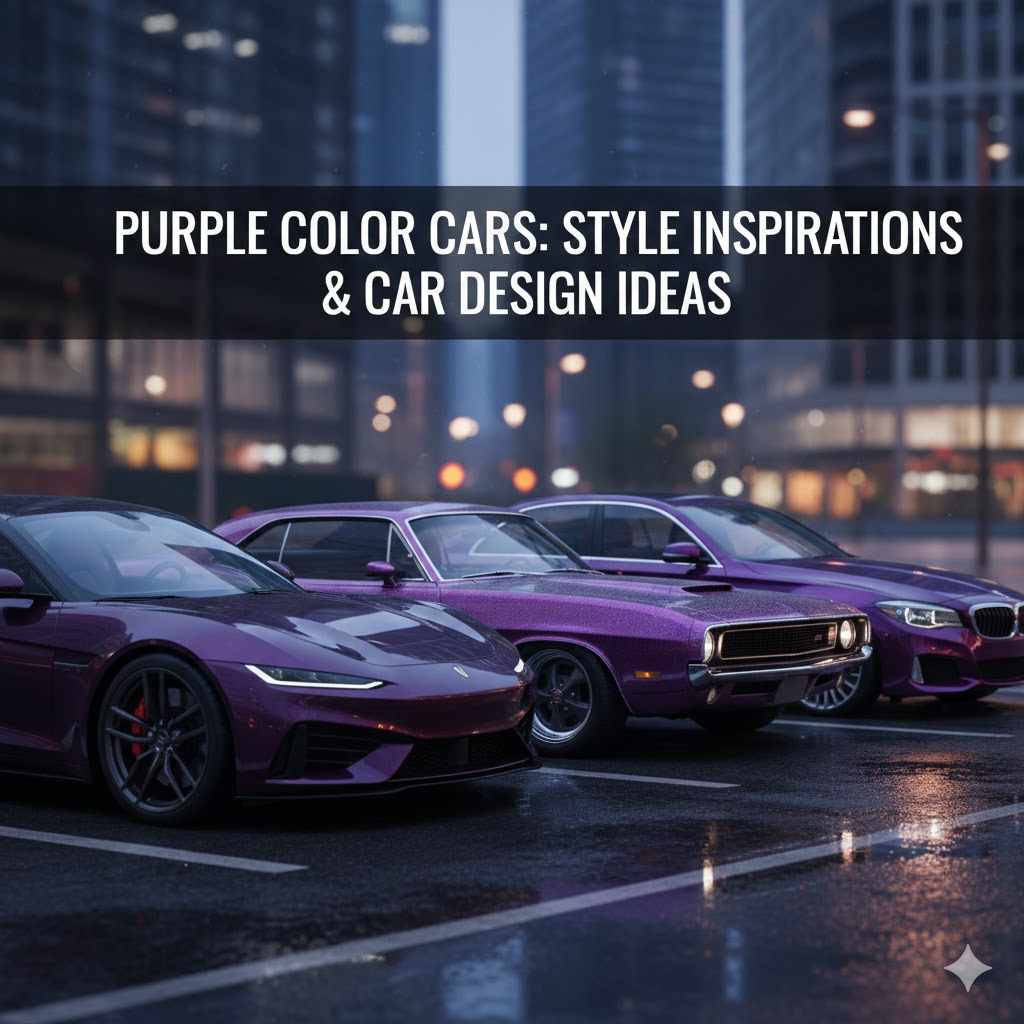
Purple Color Cars: Style Inspirations & Car Design Ideas
For purple color cars, choose metallic plum for compact cars, deep aubergine for luxury sedans, and satin violet for wraps; pair silver wheels with bright shades and black wheels with dark ones. Done badly, purple can look muddy, loud, or cheap, especially when the wheel finish and trim clash. This guide breaks down the best purple shade, finish, wheel color, and trim combination for each car type and budget.
Purple color design matrix


This matrix gives you a fast compare-and-pick view. Use it to match shade, finish, wheel color, trim treatment, and interior accent before you buy paint, order a wrap, or choose wheels. The goal is a purple build that looks planned from every angle, not a random parts list.
| Shade | Finish | Wheel color | Trim treatment | Interior accent | Visual effect | Maintenance level | Best-fit body style |
|---|---|---|---|---|---|---|---|
| Lavender | Gloss paint | Silver | Chrome accents | White | Bright, playful, reflective in sun | Medium | Hatchback |
| Violet | Metallic paint | Machined face | Blackout trim | Black | Clean sparkle, strong line definition | Medium | Sedan |
| Plum | Pearlescent paint | Bronze | Chrome delete | Tan | Deep, premium, calm at night | Medium | Luxury sedan |
| Aubergine | Gloss paint | Black | Blackout trim | Gray | Formal and heavy, low flash | Medium | Large sedan |
| Deep violet | Satin wrap | Black | Chrome delete | Black | Sporty, muted, modern | Low to medium | Coupe |
| Grape | Matte wrap | Gunmetal | Blackout trim | Gray | Stealthy, textured, low glare | Medium | Sports car |
| Amethyst | Metallic wrap | Silver | Body-color trim | White | Clean, upscale, camera-friendly | Medium | SUV |
| Royal purple | Gloss paint | Machined black | Blackout trim | Purple stitching | High contrast, show-car feel | High | Coupe |
| Plum | Matte paint | Black | Chrome delete | Black | Soft reflections, serious stance | High | Hatchback |
| Light violet | Pearlescent wrap | Silver | Chrome accents | Gray | Bright in daylight, soft in shade | Medium | SUV |
| Aubergine | Metallic paint | Bronze | Blackout trim | Tan | Rich depth with warm contrast | Medium | Luxury coupe |
| Violet | Chrome wrap accents | Black | Partial chrome delete | Black with purple stitching | Showy, reflective, attention-heavy | High | Show build |
What cars look good in purple?
Purple works best when the body shape gives it surfaces to catch light. Sedans and hatchbacks suit mid-tone plum and violet because their cleaner side panels let the color read clearly. Coupes and sports cars can handle darker, more saturated purple because the curves and shorter overhangs make the paint feel deliberate rather than loud.
Sedans and hatchbacks
Sedans usually look best with metallic plum, aubergine, or amethyst. Those shades stretch across the doors and quarter panels without turning flat, and they read well in both sun and shade. Hatchbacks can take lighter purple too, but the finish should stay controlled so the short body does not look busy.
Wheel design matters here. A silver or machined wheel keeps the side profile open, while full black wheels can make a compact car feel heavier. That same rule of thumb helps when the body lines are simple: let the paint carry the color, then use trim to set the tone.
Coupes and sports cars
Coupes and sports cars can handle deeper purple shades because their surfaces catch light in sharp bands. Satin violet, deep plum, or metallic royal purple can make the fenders look wider and the roofline look lower. These cars usually benefit from black wheels, black mirror caps, and chrome delete.
A common first-timer mistake is pairing a bright purple coupe with polished wheels and chrome trim all at once. The result can look busy from twenty feet away. A darker wheel finish and a plain badge treatment usually give the car a more serious read.
SUVs and crossovers
SUVs need purple with enough body to avoid looking thin. Metallic amethyst, violet wrap, or aubergine paint helps the larger panels hold depth, while silver or bronze wheels keep the vehicle from feeling too heavy. Black trim works well because it breaks up large upright surfaces.
On taller bodies, purple shows more clearly on the side panels than on the roof. That means a partial wrap, lower-body accent, or dark wheel choice can make the whole build feel planted. A bright purple SUV can work, but it needs fewer extra colors.
Which purple shade looks most premium?
Deep plum and aubergine are often perceived as more premium purple shades, especially when a darker tone is preferred. Metallic and pearlescent finishes add depth, while matte lowers glare but can also soften the sense of luxury if the rest of the car is too plain. Bright lavender feels friendlier, not pricier.
Light versus dark purple
Lighter purple shades show contours quickly in daylight, which helps on cars with simple lines. They also look more playful and are easier to spot in a parking lot. Dark purple feels calmer and more expensive because the paint can hold shadow across the side panels and roofline.
That tradeoff matters for resale and maintenance. Darker purple often looks cleaner in motion but can show swirl marks, dust, and water spots more clearly. Lighter purple may hide some marks, yet it can look less formal if the wheels and trim are too bright.
Metallic, matte, pearlescent, and candy
Metallic purple is the safest premium choice for most cars because it works in sun and shade and does not flatten the body. Pearlescent purple adds a second visual layer, so the tone can shift slightly as the angle changes. Matte purple reduces glare, but it needs careful matching with wheels and trim.
Candy purple creates a deeper color effect and can look dramatic in the sun. In shade, it may appear darker and more subdued, which is useful if the car needs to feel less flashy at work or on a daily commute. On social media, candy and pearlescent finishes often photograph strongly under direct light.
Paint or wrap: which is better?
Paint suits owners who want a long-term color change and are comfortable with a more permanent decision. Wraps work better if you want reversibility, partial coverage, or extra paint protection. Full wraps give the biggest visual shift, while partial wraps are smart when you want purple as an accent rather than the whole story.
Full wrap versus partial wrap
A full wrap changes the body color across the entire exterior and can also protect the original paint underneath. Partial wrap use cases include roof, mirror caps, hood stripes, lower body sections, and trim accents. If budget is limited, partial coverage can still give the car a planned look without committing to every panel.
Gloss wrap gives the closest look to paint. Satin sits between gloss and matte. Matte hides reflections but can be harder to keep uniform. Chrome is the loudest option and works best for show builds, not daily drivers that need low-key style.
Durability and removability
Wraps are reversible, which matters if you are unsure about resale, lease terms, or a future color change. Many wrap films are also used as paint protection in addition to style. Paint is more permanent and can offer a cleaner edge at seams, but it is harder to undo once the color choice is set.
For a daily driver, a wrapped roof or lower-body section can be a good compromise. It creates the purple accent without turning every panel into a maintenance point. If the car already has strong body lines, a partial wrap can be enough to change the whole attitude of the vehicle.
What wheel and trim colors match a purple car?
Black, silver, bronze, and machined finishes are the easiest wheel pairings because they either calm the purple down or sharpen it. Trim should follow the same logic: blackout trim suits dark purple, while chrome delete works best when you want a cleaner, more modern profile. Window trim, badges, and grille accents should match one another.
Wheel color, size, and fitment
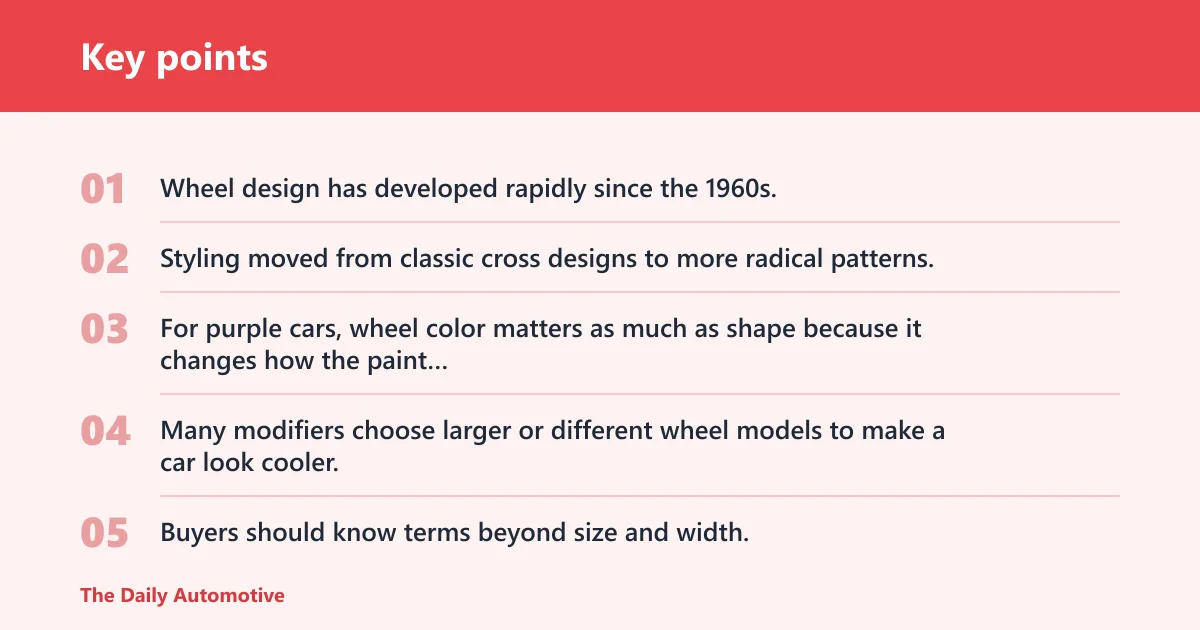
Wheel design has developed rapidly since the 1960s, and CAD helped drive rim design development. Styling moved from classic cross designs to more radical patterns, including Y-pattern and diamond-pattern wheels. For purple cars, wheel color matters as much as shape because it changes how the paint reads from the curb.
Many modifiers choose larger or different wheel models to make a car look cooler, but fitment still matters. Buyers should know terms beyond size and width. PCD is specifically named as an important wheel-fitment term, and offset is also highlighted as a key wheel-fitment term. Style should be balanced with safety and comfort.
A common first-timer mistake is choosing a wheel that looks right online but pushes too far out at the fender. That can alter the stance in a way that competes with the purple finish. A modest diameter change, matched to the car’s arches, usually looks more intentional than an aggressive swap.
Trim, badges, and emblems
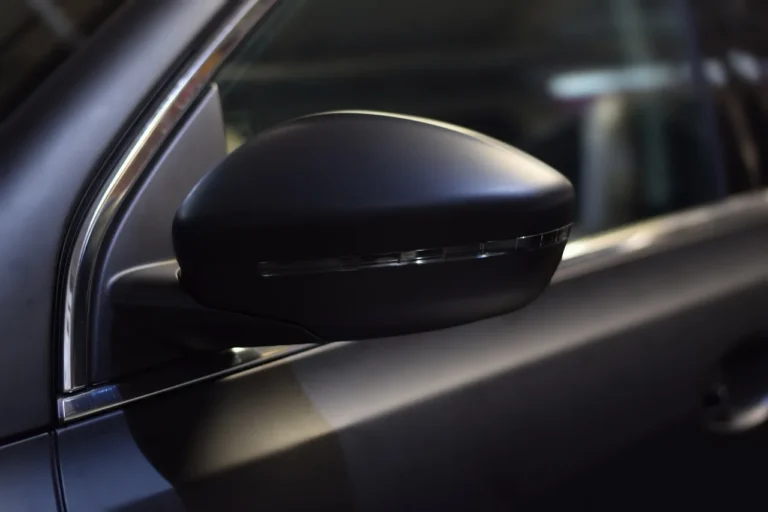
Blackout trim works well with dark purple and satin finishes because it reduces visual noise around the windows, grille, and badges. Chrome accents can help lighter purple feel more upscale, especially on larger sedans and SUVs. On sportier builds, a chrome delete often keeps the car from feeling busy.
Grille accents and emblems should match the wheel finish whenever possible. If the wheels are black, make the badges black or body-color. If the wheels are machined or silver, keep the trim brighter so the car looks coordinated instead of assembled from separate ideas.
What interior colors go with purple?
Black, gray, white, and tan are the safest interior partners for purple because they keep the cabin from competing with the exterior. Purple accents can work, but they should stay limited to stitching, seat piping, dash inserts, or ambient lighting. The goal is contrast with control, not a cabin that fights the paint.
Black, gray, and white cabins
Black interiors suit deep purple best because they make the outside color feel richer and more focused. Gray softens the contrast and works well with metallic violet or amethyst. White can be dramatic with lighter purple, but it can also make the cabin feel more show-oriented than daily-use friendly.
Tan and purple accents
Tan leather or tan trim gives aubergine and plum a warmer, more expensive look. It works especially well on luxury sedans and crossovers. Purple accent stitching can be used sparingly on the seats and steering wheel, but too much purple inside can make the cabin feel themed rather than designed.
Suppose a midsize sedan wears dark plum paint, black wheels, and chrome delete. If the cabin also gets black seats with tan stitching, the car looks calm and upscale. If purple piping is added across every seat seam, the interior can start to compete with the exterior instead of supporting it.
How do you keep purple looking premium?
Purple changes a lot under different light, so lighting should be part of the design plan. Daylight usually reveals the true shade and metallic depth. Warm garage lighting can push purple toward red or brown, while cool daylight can make it look bluer. Night lighting often flattens lighter purple and sharpens darker tones.
Lighting and camera behavior
Garage lighting can make a satin purple wrap look almost gray, while midday sun can bring back the blue or red shift in the pigment. Camera phones may also exaggerate this effect, especially with glossy finishes and strong reflections. If the car is meant for photos, pearlescent and metallic purple usually give the most visible movement.
Maintenance, coatings, and protection
Swirl marks show more clearly on dark purple, especially in gloss paint. Dust also stands out on black trim and on matte finishes with a lot of horizontal surface area. Water spots can be visible on all purple shades, but they are easier to spot on glossy dark panels.
Regular washing matters, and so does using the right protection for the finish. Ceramic coating can help with cleaning and water behavior on paint and some wraps, while PPF is commonly used when more physical protection is wanted on high-impact panels. The cleaner the finish stays, the more the color reads as intentional.
For upkeep, check the car after road salt, tree sap, or a rainy week. Purple will still look strong, but only if the wheel faces, trim pieces, and paint all stay in the same visual condition. A washed car with dull wheels and dusty trim can make even a good purple look unfinished.
Design checklist
- Choose the purple family first: lavender, violet, plum, or aubergine.
- Pick the finish next: gloss, matte, satin, metallic, pearlescent, or candy.
- Match the wheel finish to the shade: silver for bright purple, black for dark purple, bronze for deep premium tones.
- Keep trim consistent: blackout trim, chrome delete, or a controlled chrome package.
- Choose one interior direction: black, gray, white, or tan, then limit purple accents to stitching or inserts.
- Check how the car looks in daylight, shade, garage lighting, and at night before committing.
- Decide whether paint or wrap fits your budget, permanence, and protection needs.
- Protect the finish with regular washing and the right coating or film.
Frequently asked questions
Is purple a good color for a car?
Yes, if you treat it as a full design system rather than a one-step color change. Purple is bold and attention-grabbing, but it works best when the finish, wheels, trim, and interior accents all support the same idea. Balance matters most when you want the car to look intentional instead of flashy.
What are the best purple car design ideas?
Some of the strongest combinations are metallic plum with silver wheels and chrome accents, satin violet with black wheels and chrome delete, and aubergine with bronze wheels and tan interior accents. For a sportier build, deep purple paint or wrap with blackout trim usually looks cleaner than bright purple with polished trim.
Should I choose a purple car wrap or paint?
Choose paint if you want a permanent color change and a cleaner factory-style finish. Choose a wrap if you want reversibility, partial coverage, or extra paint protection. Wraps also make it easier to try satin, matte, or chrome finishes without committing to a full respray.
Which purple shade looks most premium on a car?
Dark plum and aubergine usually look most premium because they carry depth and calm in both sun and shade. Metallic and pearlescent finishes add more visual movement, which helps on luxury sedans and SUVs. Bright lavender is more playful, and it tends to read less formal.
Products related to this article
Sponsored / affiliate links. As an Amazon Associate I earn from qualifying purchases. I may earn additional commission from eligible campaigns.