How Much Does a Car Weigh? Average Weight by Type (Lbs & Tons)
Quick Answer
The average car in the U.S. weighs around 4,000-4,400 pounds (2 tons). Small sedans average about 2,800 lbs, midsize sedans about 3,500 lbs, SUVs 3,500-5,500 lbs, and pickup trucks around 5,300 lbs. Exact weight depends heavily on size, powertrain, and trim.
If you’ve ever wondered how much a car weighs, you’re not alone. The weight of a car is an important factor to consider when buying, maintaining, or repairing a vehicle — it affects fuel efficiency, towing capacity, handling, and even safety in a crash. In this guide, we’ll break down average weights by vehicle type and explain the terms you’ll see on a window sticker or spec sheet.

Average Car Weight by Type
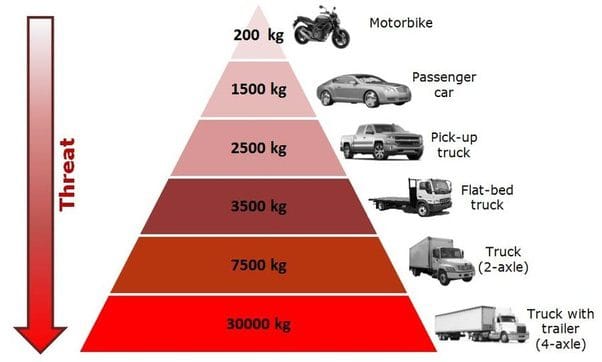
Modern cars, trucks, and SUVs weigh anywhere from about one ton to nearly five tons. Here’s how average curb weight breaks down by vehicle category:
| Vehicle Type | Average Weight (lbs) | Average Weight (tons) |
|---|---|---|
| Small/compact car | 2,500-3,000 lbs | ~1.25-1.5 tons |
| Midsize sedan | 3,300-3,700 lbs | ~1.65-1.85 tons |
| Full-size sedan | 3,500-4,200 lbs | ~1.75-2.1 tons |
| Sports car | 2,800-3,800 lbs | ~1.4-1.9 tons |
| Compact SUV/crossover | 3,300-3,800 lbs | ~1.65-1.9 tons |
| Full-size SUV | 4,300-5,700 lbs | ~2.15-2.85 tons |
| Pickup truck | 4,500-6,500 lbs | ~2.25-3.25 tons |
The overall average weight of a new vehicle sold in the U.S. is now around 4,300-4,400 pounds, and that number has been climbing steadily for decades as SUVs and trucks have replaced sedans as the best-selling vehicle types.
Curb Weight vs. Gross Weight: What’s the Difference?
When discussing the weight of a car, there are a few different terms that get used interchangeably but actually mean different things.
- Curb weight: The weight of the car without any passengers or cargo, but with all standard equipment, fluids, and a full tank of fuel. This is the number most commonly listed in spec sheets.
- Gross vehicle weight rating (GVWR): The maximum total weight the vehicle is rated to safely carry, including passengers, cargo, and the vehicle itself. This matters most for towing and hauling — exceeding GVWR can affect braking, handling, and safety.
Why Vehicle Weight Matters
Weight affects a car in several practical ways. Heavier cars generally require more energy to accelerate and stop, which lowers fuel economy — this is one reason SUVs and trucks typically get worse gas mileage than sedans of similar engine size. On the other hand, extra weight can improve stability in crosswinds and often correlates with more structural material absorbing crash energy, though modern crash-test engineering matters far more than raw weight alone.
Weight also matters when buying tires, brakes, or suspension parts, since heavier vehicles need components rated for the extra load. And if you’re ever towing a trailer, you’ll need to know both your vehicle’s curb weight and its GVWR to calculate safe towing capacity.
Frequently Asked Questions
How much do cars weigh in tons?
Modern cars, trucks, and SUVs weigh from about one ton to nearly five tons, depending on the type and size of vehicle.
Do cars weigh 1,000 pounds?
No modern passenger car weighs as little as 1,000 pounds. Even the smallest economy cars typically weigh at least 2,400-2,500 pounds.
How much does 1 normal car weigh?
A typical midsize sedan weighs around 3,300 to 3,700 pounds, while the overall average across all new vehicles sold (including SUVs and trucks) is closer to 4,300-4,400 pounds.
How much does a SUV weigh?
SUVs typically weigh between 3,300 pounds for a compact crossover and 5,700 pounds or more for a full-size SUV, depending on size and powertrain.
Conclusion
The weight of a car varies widely depending on vehicle type, from around 2,500 pounds for a small economy car to well over 6,000 pounds for a full-size pickup truck. Knowing your vehicle’s curb weight and GVWR helps with everything from fuel economy expectations to safe towing decisions.
Products related to this article
Sponsored / affiliate links. As an Amazon Associate I earn from qualifying purchases. I may earn additional commission from eligible campaigns.