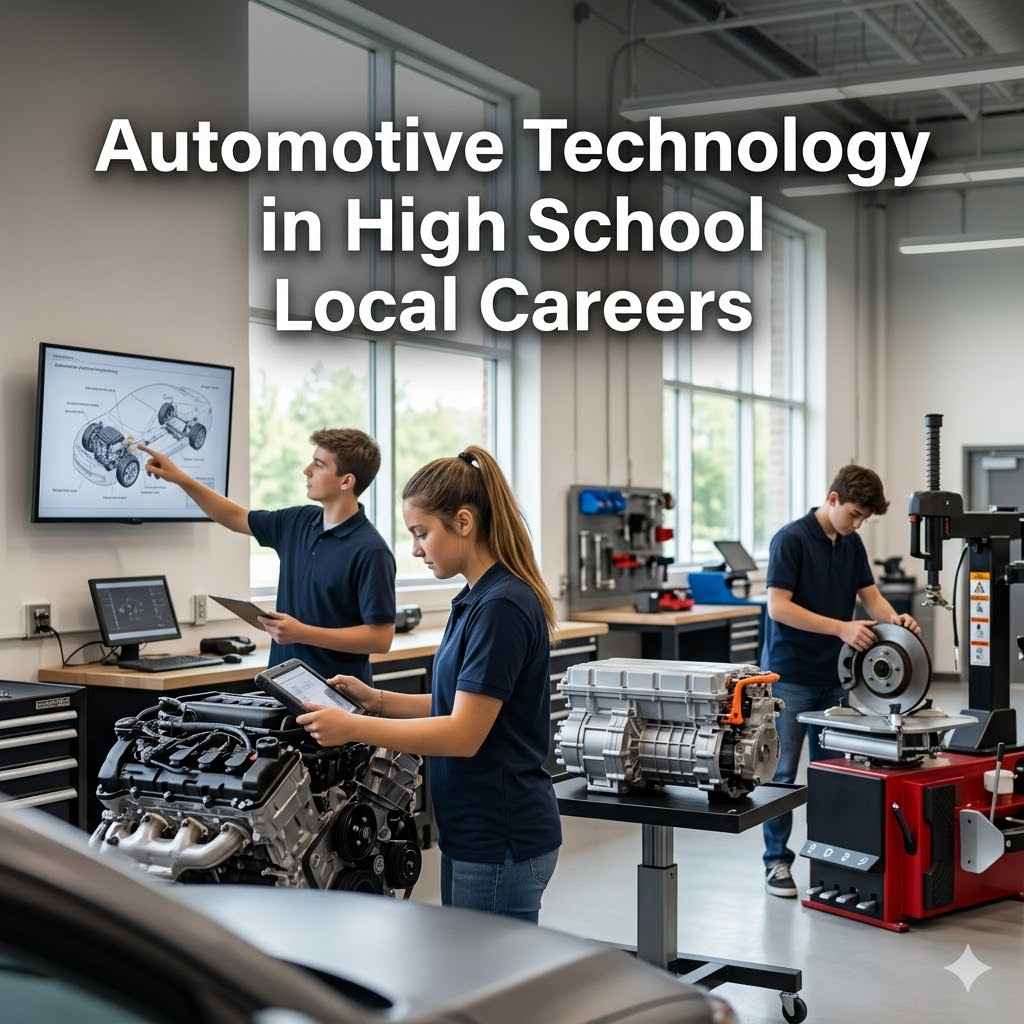
Automotive Technology in High School: Local Careers
Figuring out career paths can seem a little tricky, especially when you’re just starting out. Thinking about what comes after high school is a big deal. This is where Automotive Technology in High School: 2026 Local Career Guide comes into play.
It’s your map to seeing what jobs are out there right near you. Don’t worry if it feels a bit confusing at first; we’re here to make it super simple. We’ll walk you through it step by step, so you can see all the exciting opportunities waiting for you.
Explore Automotive Technology in High School: Local Careers
The field of automotive technology is changing fast. Cars today have more computers and advanced systems than ever before. This means that skilled technicians are in high demand.
Learning about automotive technology in high school can open up many doors to great jobs. This guide is designed to help students in local areas discover these opportunities and understand the path to a successful career. It covers the basics of what the field involves, the skills needed, and how high school programs can prepare you.
What is Automotive Technology
Automotive technology refers to the study and application of the design, manufacturing, maintenance, and repair of vehicles. This includes everything from traditional gasoline engines to the latest electric and hybrid powertrains. It also covers vehicle electronics, diagnostics, and software systems.
The field is constantly advancing with new innovations.
This area of study involves understanding complex mechanical systems. It also requires knowledge of sophisticated electrical and electronic components. Technicians need to diagnose problems using advanced tools and software.
They then perform repairs and maintenance to keep vehicles running safely and efficiently.
- Mechanical Systems: This covers the core components of a vehicle that make it move. Think about the engine, transmission, brakes, and suspension. Understanding how these parts work together is fundamental to automotive technology.
- Electrical and Electronic Systems: Modern vehicles are filled with computers and sensors. These control everything from the engine performance to the infotainment system. Learning to diagnose and repair these systems is a key part of the job.
- Diagnostics and Repair: Technicians use specialized equipment to find out what’s wrong with a car. This often involves scanning computer systems for error codes. Once the problem is identified, they perform the necessary repairs.
Why Study Automotive Technology in High School
High school is the perfect time to start exploring career options. Automotive technology programs offer hands-on experience that textbooks alone cannot provide. Students can get a feel for the work involved and develop basic skills.
This can help them decide if this is the right career path for them. Early exposure also gives them a head start.
These programs often partner with local businesses. This can lead to internships or apprenticeships. These real-world experiences are invaluable.
They help students build a professional network and gain practical knowledge. It also makes them more attractive to employers after graduation.
- Hands-On Experience: High school classes allow students to work on actual vehicles. They learn to use tools and equipment safely. This practical learning is more engaging than lectures alone.
- Career Exploration: It provides a clear insight into the automotive field. Students can discover if they enjoy the work. This helps prevent them from choosing a career they won’t like later.
- Skill Development: Students learn fundamental skills like basic maintenance and diagnostic procedures. These skills are transferable and can be built upon throughout their careers.
Local Career Opportunities in Automotive Technology
The automotive industry offers a wide range of job roles. These roles exist in various settings, from dealerships to independent repair shops. Local communities always need skilled professionals to maintain their vehicles.
High school graduates with automotive training are often in demand.
Many entry-level positions are available for those just starting. These can include service assistant roles or apprentice technician positions. As technicians gain experience and certifications, they can move into more specialized or supervisory roles.
The local job market for automotive technicians is usually stable.
- Dealership Technicians: Working at a new car dealership. They specialize in specific vehicle brands. This often involves factory training and access to the latest tools.
- Independent Repair Shops: These shops service a variety of makes and models. They offer a broad range of repair work. It’s a common starting point for many technicians.
- Fleet Maintenance: Some companies maintain their own fleets of vehicles, such as delivery trucks or company cars. These businesses need in-house technicians.
- Specialty Shops: These focus on specific areas like transmissions, brakes, or auto glass. They require highly specialized skills and knowledge.

High School Automotive Programs and Skill Building
High school automotive technology programs are crucial for setting students on a path toward a successful career. These programs are designed to equip students with fundamental knowledge and practical skills. They offer a structured environment where beginners can learn the basics of vehicle mechanics and electronics in a safe and supervised setting.
The focus is on building a strong foundation that can be expanded upon through further education or on-the-job training.
These programs often use a curriculum that mirrors industry standards. This ensures that the skills learned are relevant to current automotive practices. Students get to work with real vehicles, using tools and diagnostic equipment that professionals use.
This hands-on approach is essential for developing confidence and competence. It also helps students identify their strengths and areas of interest within the vast field of automotive technology.
Curriculum and Training in High School Programs
The curriculum in high school automotive technology programs typically covers a broad range of topics. It starts with foundational concepts and progresses to more advanced subjects. Students learn about safety procedures, tool usage, and the basic principles of internal combustion engines.
They also delve into automotive electrical systems, brake systems, steering and suspension, and vehicle maintenance.
As students advance, the curriculum may include topics like hybrid and electric vehicle technology, advanced diagnostics, and engine performance. Many programs incorporate online learning modules and simulations to supplement hands-on training. The goal is to provide a comprehensive understanding of modern vehicles and their systems.
This makes graduates well-prepared for entry-level positions or further studies.
- Safety Protocols: Learning how to work safely in an automotive shop environment is paramount. This includes understanding personal protective equipment, hazard identification, and safe tool operation.
- Basic Vehicle Maintenance: Students are taught routine maintenance tasks such as oil changes, tire rotations, fluid checks, and filter replacements. These are fundamental skills for any automotive professional.
- Engine Fundamentals: Understanding how gasoline and diesel engines work is a core part of the curriculum. This includes learning about engine components, fuel systems, ignition systems, and exhaust systems.
- Brake and Steering Systems: Students learn the principles behind braking and steering mechanisms. They practice inspecting and servicing these critical safety systems.
Developing Essential Technical Skills
Beyond theoretical knowledge, high school programs emphasize the development of practical technical skills. Students learn to read and interpret service manuals, technical diagrams, and diagnostic trouble codes (DTCs). They practice using a variety of hand tools, power tools, and specialized diagnostic equipment.
This hands-on application of knowledge is what truly builds competence.
The ability to troubleshoot and solve problems is a key skill developed in these programs. Students are encouraged to think critically about vehicle issues. They learn to systematically diagnose problems and implement effective repair solutions.
This problem-solving ability is highly valued by employers in the automotive industry.
- Diagnostic Tool Proficiency: Students learn to operate common diagnostic scanners and multimeters. They understand how to interpret the data these tools provide to pinpoint vehicle issues.
- Tool and Equipment Usage: Mastering the use of various wrenches, sockets, diagnostic tools, and lifts is a daily practice. Proper usage ensures efficiency and safety.
- Problem-Solving Techniques: Students are taught logical steps for diagnosing issues. This involves gathering information, forming hypotheses, testing them, and verifying solutions.
- Understanding Repair Manuals: Learning to find and use information from manufacturer repair manuals is crucial. These manuals provide detailed procedures for specific vehicles.
Certifications and Industry Recognition
Many high school automotive programs prepare students for industry-recognized certifications. The most well-known is the Automotive Service Excellence (ASE) certification. Earning ASE certifications demonstrates a technician’s knowledge and skill in specific areas.
Some high schools offer opportunities for students to take certification exams.
Achieving these certifications can significantly boost a student’s employability. It provides a competitive edge when applying for jobs or further education. These certifications are respected throughout the automotive industry and signal a commitment to professional development.
They are a tangible measure of a student’s acquired expertise.
- ASE Certifications: These are nationally recognized certifications for automotive professionals. High school students can often work towards entry-level ASE certifications, such as those for maintenance and light repair.
- Program Accreditations: Many high school programs are accredited by industry bodies. This ensures the quality and relevance of the curriculum and instruction.
- Employer Value: Employers highly value candidates with ASE certifications. They see these certifications as proof of competency and a willingness to excel in the field.
- Career Pathways: Certifications can open doors to more advanced roles and higher pay. They serve as stepping stones for long-term career growth in automotive technology.
Navigating the Local Job Market Automotive Technology in High School 2026 Local Career Guide
Understanding the local job market is vital for high school students considering automotive careers. The demand for skilled technicians varies by region, but generally remains strong. Local communities rely on these professionals to keep their vehicles running smoothly.
High school automotive programs can serve as a bridge to these local opportunities.
This section will explore how to find local job openings, what employers look for, and how to effectively market your skills. It aims to provide practical advice for students to secure their first steps into the automotive industry right in their own neighborhoods. The focus is on making the transition from school to work as seamless as possible.
Finding Local Job Openings
There are several ways students can find job openings in their local area. Many dealerships and independent repair shops post openings on their websites. Online job boards are also a common resource.
Additionally, high school career counselors and automotive program instructors often have connections with local employers and can be valuable sources of information.
Attending local job fairs or career expos can also be beneficial. These events allow students to meet potential employers face-to-face and learn about available positions. Networking with professionals in the field, such as through internships or mentorship programs, can also lead to job opportunities.
- Online Job Boards: Websites like Indeed, LinkedIn, and specialized automotive job sites list numerous openings. Searching for terms like “automotive technician trainee” or “automotive apprentice” can yield relevant results.
- Dealership Websites: Most car dealerships have a “Careers” or “Employment” section on their official websites where they list openings.
- Local Repair Shop Websites: Many independent shops also list their job openings online. Sometimes, a quick visit to a shop can also yield information about potential openings.
- Career Fairs and School Resources: High school career centers and automotive program instructors often have direct relationships with local businesses that are hiring.
What Local Employers Look For
Local employers in the automotive sector look for a combination of skills, attitude, and training. For entry-level positions, employers often prioritize a strong work ethic, a willingness to learn, and a good attitude. Demonstrating reliability and a passion for cars can go a long way.
Formal training from a high school automotive program is highly valued. It shows that a candidate has a foundational understanding of automotive systems and safety. Certifications, even at an entry level, are a significant advantage.
Employers also look for good communication skills and the ability to work effectively as part of a team. A clean driving record is often a requirement as well.
- Attitude and Work Ethic: Employers want to hire individuals who are enthusiastic, responsible, and eager to contribute. A positive mindset is crucial for success.
- Technical Foundation: A solid understanding of basic automotive principles learned in high school programs is essential. This includes knowledge of tools, safety, and common vehicle systems.
- Certifications and Training: ASE certifications or similar credentials are a big plus. They signal a level of competence and commitment to the profession.
- Soft Skills: Good communication, teamwork, and problem-solving abilities are just as important as technical skills. Employers need individuals who can interact well with colleagues and customers.
Creating a Standout Resume and Application
To stand out from other applicants, students should create a well-crafted resume and application. The resume should highlight relevant coursework, any automotive-related projects completed in school, and any certifications earned. It’s also important to include any work experience, even if it’s not directly in the automotive field, as it can demonstrate responsibility and skills.
When filling out an application, attention to detail is key. Ensure all sections are completed accurately and legibly. A cover letter can be an excellent way to express enthusiasm for the specific position and company.
It’s also an opportunity to briefly explain why you are a good fit for the role and the local automotive community.
- Highlight Relevant Experience: List all automotive classes taken, skills learned, and any tools or equipment you are familiar with. Include any volunteer work or projects.
- Showcase Certifications: Clearly list any ASE certifications or other relevant credentials. Specify the level and area of certification.
- Quantify Achievements: If possible, use numbers to describe your accomplishments. For example, “Completed 50 hours of hands-on brake system repair training.”
- Proofread Carefully: Ensure your resume and application are free of any spelling or grammatical errors. Errors can create a negative impression.
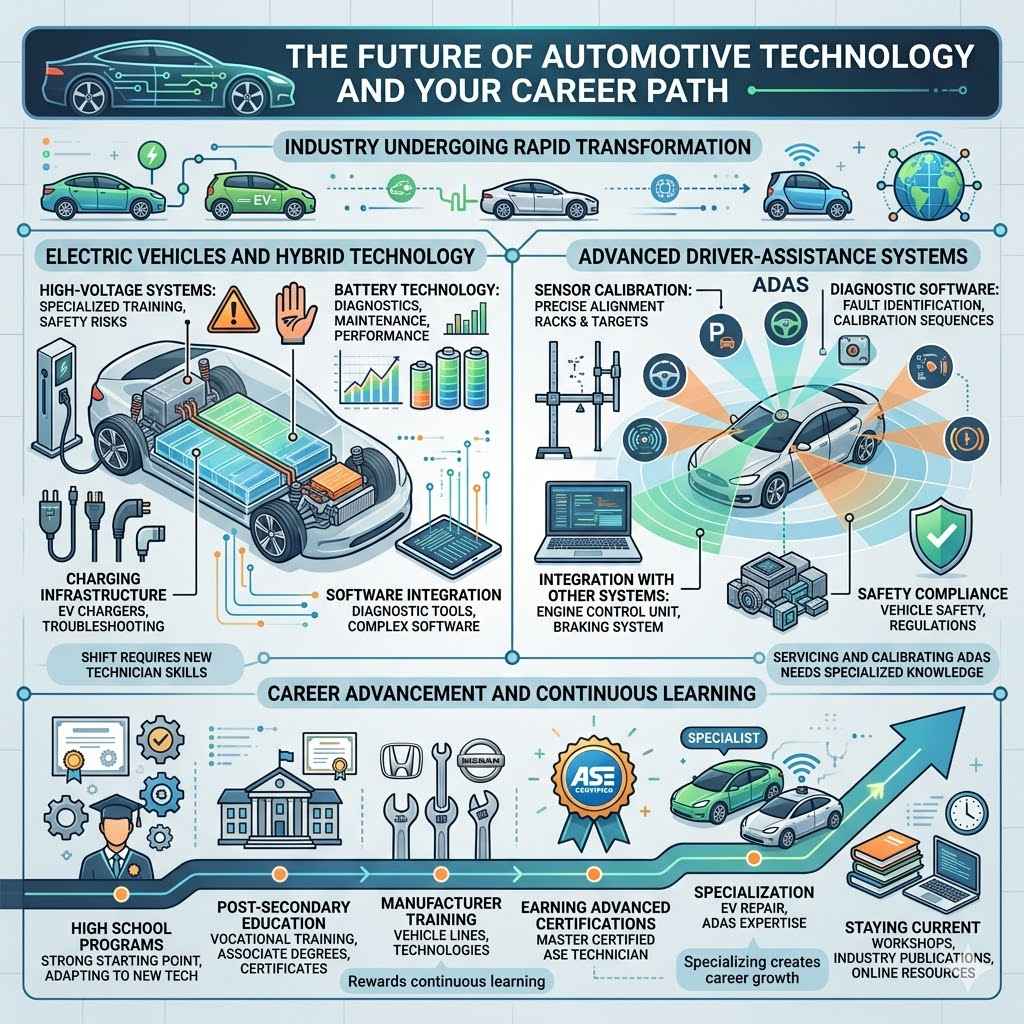
The Future of Automotive Technology and Your Career Path
The automotive industry is undergoing rapid transformation. The rise of electric vehicles (EVs), autonomous driving technology, and advanced connectivity systems are reshaping the landscape. This evolution presents both challenges and incredible opportunities for those entering the field.
Understanding these trends is key to building a future-proof career.
High school programs are increasingly adapting to include these new technologies. Students are getting exposure to EV systems, battery technology, and advanced driver-assistance systems (ADAS). This forward-thinking approach ensures that graduates are prepared for the demands of modern automotive service.
The future of automotive careers is exciting and full of innovation.
Electric Vehicles and Hybrid Technology
Electric vehicles (EVs) and hybrid vehicles are becoming more common on our roads. This shift requires technicians to develop new skills. Working with high-voltage systems, battery management systems, and charging infrastructure is becoming standard practice.
High school programs are starting to incorporate training on these specific technologies.
The maintenance and repair of EVs and hybrids differ significantly from traditional internal combustion engine vehicles. While some fundamental principles remain the same, the specific components and diagnostic procedures are unique. Technicians need to be trained on how to safely work with high-voltage batteries and electrical systems.
This specialized knowledge is in high demand.
- High-Voltage Systems: EVs use high-voltage batteries and powertrains. Technicians need specialized training to work safely with these components, as they can pose serious risks if not handled correctly.
- Battery Technology: Understanding how EV batteries work, how to diagnose their performance, and how to perform basic maintenance or replacement is crucial.
- Charging Infrastructure: Familiarity with different types of EV charging equipment and troubleshooting charging issues is becoming an important skill for automotive professionals.
- Software Integration: EVs rely heavily on complex software. Technicians need to be adept at using diagnostic tools to interpret and manage this software.
Advanced Driver-Assistance Systems ADAS
Advanced Driver-Assistance Systems (ADAS) are technologies that help drivers with tasks such as parking, steering, and braking. Examples include adaptive cruise control, lane keeping assist, and automatic emergency braking. These systems use sensors, cameras, and radar to monitor the vehicle’s surroundings.
Servicing and calibrating ADAS require specialized knowledge and tools. Technicians must be able to diagnose issues with these complex systems and perform accurate recalibrations. Incorrect calibration can compromise vehicle safety.
Therefore, ongoing training in ADAS technology is essential for automotive professionals.
- Sensor Calibration: Cameras, radar, and lidar sensors used in ADAS need precise calibration. This is often done using specialized alignment racks and targets.
- Diagnostic Software: Technicians use advanced diagnostic software to identify faults within ADAS modules and to initiate calibration sequences.
- Integration with Other Systems: ADAS are integrated with many other vehicle systems, including the engine control unit and braking system. Understanding these interdependencies is important for effective diagnosis.
- Safety Compliance: Proper functioning and calibration of ADAS are critical for vehicle safety and compliance with regulations. Incorrect repairs can have serious consequences.
Career Advancement and Continuous Learning
The automotive industry is one that rewards continuous learning. Technology evolves rapidly, so staying up-to-date is not just beneficial, it’s necessary. High school automotive programs provide a strong starting point, but the learning journey doesn’t end there.
Post-secondary education, vocational training, and manufacturer-specific training programs are common pathways for career advancement. Earning advanced certifications, such as Master Certified ASE technician status, can lead to higher pay and more responsibilities. Specializing in areas like EV repair or ADAS can also create significant career growth opportunities.
- Post-Secondary Education: Community colleges and technical schools offer associate degrees and certificate programs in automotive technology. These programs provide more in-depth knowledge and hands-on training.
- Manufacturer Training: Many vehicle manufacturers offer specialized training programs for technicians. This training focuses on their specific vehicle lines and technologies.
- Specialization: Choosing to specialize in a particular area, such as diagnostics, electrical systems, or hybrid vehicles, can lead to greater expertise and career opportunities.
- Staying Current: Regularly attending workshops, reading industry publications, and utilizing online training resources are vital for keeping skills sharp in a constantly changing field.
Frequently Asked Questions
Question: What kind of jobs can I get after high school with automotive technology training
Answer: You can get entry-level positions like automotive apprentice technician, service assistant, or lube technician. Many local dealerships and repair shops hire graduates.
Question: Is automotive technology difficult for beginners
Answer: It can have challenging parts, but high school programs are designed for beginners. They start with the basics and build up your skills step by step.
Question: Do I need special tools to start learning automotive technology
Answer: Your high school program will provide the necessary tools and equipment for learning. You’ll learn how to use them safely and effectively in class.
Question: Are electric cars changing the need for automotive technicians
Answer: Yes, they are changing the skills needed. Technicians are learning about electric vehicle systems, which are in demand.
Question: How important are certifications like ASE
Answer: Certifications like ASE are very important. They show employers you have learned specific skills and are committed to the profession.
Wrap Up
Exploring automotive technology in high school opens many doors locally. This guide showed you the skills you can learn and the jobs available. With hands-on training and a willingness to learn, you can build a great career.
Start looking into local programs to see what fits you best and get ready for exciting opportunities ahead.