Best Antifreeze for Extremely Cold Weather Cars
Choosing the right antifreeze for your car can seem tricky, especially when winter brings biting cold. Many people wonder about the Best Antifreeze for Extremely Cold Weather Cars because using the wrong kind can cause serious engine trouble. Don’t worry!
This guide makes it simple. We will walk you through everything you need to know, step by step, so you can keep your engine safe and running smoothly all winter long. Get ready to learn what makes antifreeze work best in freezing temperatures.
Understanding Antifreeze for Cold Climates
This section explains why choosing the correct antifreeze is vital for your car’s engine, especially when temperatures plummet far below freezing. We will look at what antifreeze is and how it protects your engine from damage caused by extreme cold. You will learn about the different types and what to look for to ensure maximum protection.
This will help you make an informed decision for your vehicle’s needs.
What is Antifreeze and How Does It Work
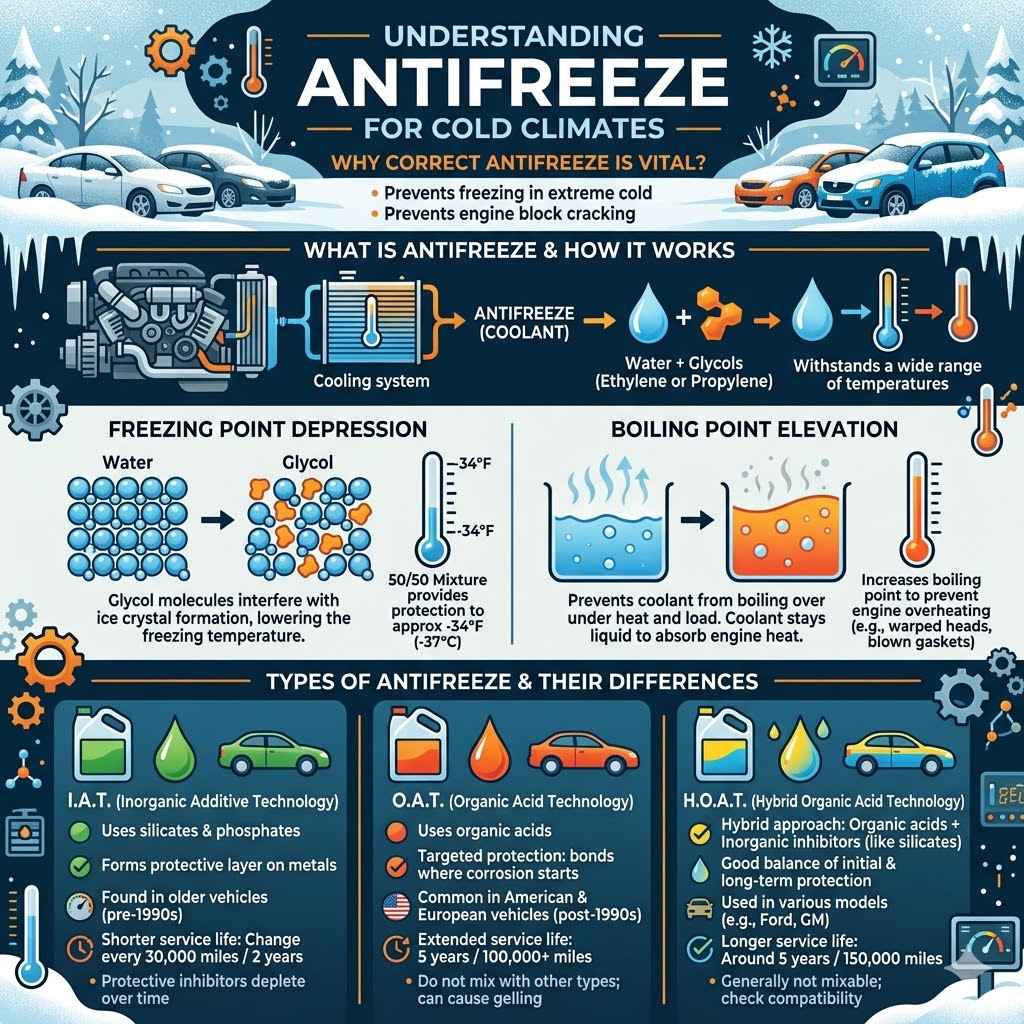
Antifreeze, also known as coolant, is a fluid that prevents your car’s engine from overheating in the summer and freezing in the winter. It is a mixture of water and a chemical called ethylene glycol or propylene glycol. These glycols have a lower freezing point and a higher boiling point than water alone.
When mixed with water, they create a solution that can withstand a much wider range of temperatures. This prevents the water in your cooling system from freezing and expanding, which could crack your engine block or radiator. It also stops the coolant from boiling over during hot weather.
Freezing Point Depression Explained
Freezing point depression is the scientific principle behind how antifreeze works to prevent ice formation. When you add a solute like ethylene glycol to a solvent like water, it interferes with the ability of the water molecules to arrange themselves into a solid ice crystal structure. Imagine trying to build a perfect stack of blocks when someone keeps throwing in random extra pieces.
The extra glycol molecules get in the way, making it harder for the water molecules to link up and freeze. The more glycol you add (up to a certain point), the lower the freezing temperature of the solution becomes.
For example, a 50/50 mixture of antifreeze and water typically provides freeze protection down to about -34 degrees Fahrenheit (-37 degrees Celsius). If you increase the concentration of antifreeze, you can lower the freezing point even further. However, using too much antifreeze can actually reduce its effectiveness and also hinder its ability to transfer heat efficiently, which is important for preventing overheating.
So, there is an optimal mix for different climates.
Boiling Point Elevation and Overheating Prevention
Just as antifreeze lowers the freezing point of water, it also raises its boiling point. This is called boiling point elevation. When your engine runs, it generates a lot of heat.
The cooling system circulates coolant to absorb this heat and dissipate it through the radiator. In hot weather or under heavy load, the coolant can get very hot. If the coolant’s boiling point is too low, it will start to turn into steam, creating pressure pockets and reducing the system’s ability to cool the engine.
By increasing the boiling point, antifreeze ensures that the coolant remains in a liquid state even at high temperatures. This prevents the engine from overheating, which can cause severe damage like warped cylinder heads or blown gaskets. A properly functioning cooling system with the right antifreeze mixture is crucial for maintaining your engine’s health in all conditions.
Types of Antifreeze and Their Differences
Antifreeze is not a one-size-fits-all product. Different types use different chemical additives to protect your cooling system. These additives, called inhibitors, protect metal parts from corrosion.
The color of antifreeze is often an indicator of its type, but this is not always a reliable guide as manufacturers can use different colors for the same type of chemistry. It is best to check the product label for specific information.
I.A.T. Inorganic Additive Technology
IAT antifreeze is one of the older types, often green in color, though not always. It relies on inorganic compounds like silicates and phosphates to protect the metal surfaces in your cooling system. These additives form a protective layer on the metal, preventing rust and corrosion.
IAT antifreeze is typically found in older vehicles, usually manufactured before 1990. While effective for a period, the protective layer can wear down over time, and these inhibitors are not as long-lasting as those found in newer types of antifreeze.
The main drawback of IAT antifreeze is its shorter service life. The protective inhibitors deplete over time, usually requiring a coolant change every 30,000 miles or two years. If not changed regularly, the protection can diminish, leaving your cooling system vulnerable to corrosion and deposits.
For modern cars with advanced cooling systems and exotic metal alloys, IAT is generally not recommended.
O.A.T. Organic Acid Technology
OAT antifreeze, often orange or red in color, uses organic acids like sebacates and 2-EHA (2-ethylhexanoic acid) as its corrosion inhibitors. These organic acids work differently. Instead of forming a thick protective layer, they bond directly to the metal surface and only activate where corrosion is starting to occur.
This makes them more targeted and longer-lasting than IAT inhibitors. OAT antifreeze is commonly used in American and European vehicles manufactured after 1990.
A significant advantage of OAT antifreeze is its extended service life. It can last for 5 years or 100,000 miles, sometimes even longer, depending on the specific formulation. This means less frequent coolant changes.
However, it’s important to note that OAT antifreeze should not be mixed with IAT or HOAT antifreeze, as it can cause gelling and clog the cooling system.
H.O.A.T Hybrid Organic Acid Technology
HOAT antifreeze is a hybrid approach, combining the benefits of both IAT and OAT technologies. It typically uses organic acids along with some inorganic inhibitors like silicates. HOAT antifreeze is often yellow, orange, or sometimes blue, but it’s crucial to check the label.
This type of antifreeze is used in a wide range of vehicles, including many General Motors and Ford models. It offers good corrosion protection and a longer service life than traditional IAT antifreeze.
The “hybrid” nature of HOAT allows it to provide a good balance of protection for different metals found in modern cooling systems. It offers a good initial level of protection from the inorganic components and then the organic acids take over for longer-term defense against corrosion. Its service interval is generally longer than IAT, often around 5 years or 150,000 miles.
However, like OAT, it should not be mixed with other types unless specifically stated as compatible.
Selecting the Best Antifreeze for Extreme Cold
When winter weather bites hard, your car’s cooling system faces its toughest challenge. Choosing the Best Antifreeze for Extremely Cold Weather Cars means looking for products that offer superior freeze protection. This section will guide you through the essential specifications and features to consider, ensuring your engine stays safe even in the harshest sub-zero temperatures.
We will also discuss how to determine the right concentration for your needs.
Understanding Freeze Protection Ratings
The most critical factor for cold weather is the antifreeze’s freeze protection rating. This rating tells you the lowest temperature at which the coolant will remain liquid. Antifreeze is sold in various concentrations, and each concentration provides a different level of freeze protection.
It is typically sold as a concentrate (requiring mixing with distilled water) or as a pre-mixed 50/50 solution. For extremely cold climates, a higher concentration of antifreeze is usually needed.
A 50/50 mixture of antifreeze and distilled water generally protects down to around -34°F (-37°C). To achieve lower freezing points, you need to increase the proportion of antifreeze. For instance, a 60/40 mixture (60% antifreeze, 40% water) can protect down to about -62°F (-52°C).
A 70/30 mixture can protect down to approximately -84°F (-64°C). Going beyond a 70% antifreeze concentration offers diminishing returns in freeze protection and can even reduce the coolant’s heat transfer capabilities.
Recommended Mixtures for Different Temperatures
The ideal mixture depends on the lowest temperatures expected in your area.
- For temperatures down to -30°F (-34°C): A 50/50 mixture of antifreeze and distilled water is usually sufficient. This is the most common and recommended mix for general use in many regions.
- For temperatures down to -50°F (-46°C): You will need a 60/40 mixture (60% antifreeze, 40% distilled water). This provides a significant boost in freeze protection for colder climates.
- For temperatures down to -70°F (-57°C) or lower: A 70/30 mixture (70% antifreeze, 30% distilled water) is required. This offers maximum freeze protection for the most extreme cold conditions.
It is crucial to use distilled water when mixing antifreeze concentrate. Tap water contains minerals that can cause scale buildup and corrosion in your cooling system, reducing its efficiency and lifespan. Always refer to the antifreeze product label for specific mixing instructions and recommended protection levels.
Checking Your Current Antifreeze Protection
You can check the current freeze protection level of your coolant using a hydrometer or a refractometer. A hydrometer floats in the coolant, and the level it floats to indicates the specific gravity, which correlates to the concentration and freeze protection. A refractometer uses a prism to measure the refractive index of the coolant, providing a more accurate reading of both the freeze and boil points.
These tools are inexpensive and can be found at most auto parts stores.
Using these tools is simple. For a hydrometer, you draw a sample of coolant into the device and read the scale. For a refractometer, you place a drop of coolant on the prism, close the cover, and look through the eyepiece to read the scale against a light source.
Regularly checking your antifreeze protection, especially before winter, is a smart preventative maintenance step that can save you from costly engine repairs.
Key Features to Look for in Cold Weather Antifreeze
Beyond basic freeze protection, certain formulations are specifically designed to perform better in extreme cold. These often include advanced additive packages that offer enhanced protection against corrosion, scale, and degradation. When purchasing antifreeze for very cold regions, always look for products that explicitly state their suitability for extreme temperatures.
Long-Lasting Corrosion Inhibitors
Even in freezing temperatures, corrosion can still be a concern, especially as antifreeze ages or if the cooling system has been topped up with plain water. The best antifreeze for cold weather will feature robust corrosion inhibitors. These additives protect the various metals found in your engine and cooling system, including aluminum, cast iron, steel, copper, and brass, from rust and electrochemical corrosion.
Modern antifreeze formulations often use a blend of organic and inorganic inhibitors (HOAT) or advanced organic acids (OAT) to provide a more comprehensive and longer-lasting protective barrier. These inhibitors work by forming a thin, protective film on metal surfaces, preventing corrosive elements from attacking the metal. For vehicles in harsh climates, selecting an antifreeze with high-quality, long-lasting inhibitors is paramount for the longevity of the cooling system.
Protection Against Scale and Deposits
Scale and deposits can form in a cooling system over time due to the breakdown of additives or the use of improper water. These deposits can impede the flow of coolant and reduce the efficiency of heat transfer, leading to overheating. Antifreeze formulations designed for extreme conditions often include ingredients that help prevent scale formation and can even help keep existing deposits in suspension, allowing them to be flushed out during a coolant change.
This ability to maintain a cleaner cooling system is especially beneficial in cold weather because a restricted flow due to deposits can exacerbate problems. If ice starts to form or the coolant thickens, a system already compromised by scale can be more prone to blockages. Choosing an antifreeze that helps keep the system clean ensures optimal performance and protection.
Compatibility with Different Cooling System Materials
Modern cars use a variety of materials in their cooling systems, including aluminum, cast iron, plastic, and rubber. The best antifreeze will be compatible with all these materials, ensuring it doesn’t degrade seals, hoses, or internal engine components. Formulas that contain silicates or phosphates, for example, can be very effective at protecting aluminum but can also cause abrasion to water pump seals if not properly formulated.
Conversely, some older antifreeze types might be too aggressive for newer aluminum components. HOAT and OAT formulas are generally formulated to be compatible with a wider range of materials. Always check the antifreeze product’s compatibility information to ensure it is suitable for your specific vehicle’s make, model, and year.
Using an incompatible antifreeze can lead to leaks, premature part failure, and costly repairs.
When to Use a Higher Antifreeze Concentration
While a 50/50 mix is common, there are specific situations where a higher concentration of antifreeze is not just recommended but necessary for protecting your vehicle’s engine. This section will clarify when you need more antifreeze than the standard mix and the implications of using different concentrations. This knowledge is key to preparing your car for the coldest months.
Assessing Your Local Climate Requirements
The most significant factor in deciding on antifreeze concentration is your local climate. If you live in an area that experiences prolonged periods of sub-zero temperatures, you will likely need more antifreeze than someone in a milder climate. It is essential to know the lowest temperatures your vehicle might encounter during the winter.
Many regions have average winter low temperatures that are easily handled by a 50/50 mix. However, for areas prone to extreme cold snaps or consistent sub-zero days, planning for the worst-case scenario is prudent. Check local weather forecasts and historical data to understand the typical and extreme lows for your area.
This will help you select the appropriate antifreeze concentration for reliable protection.
Sample Scenario Cold Weather Preparation
Consider two scenarios:
- Scenario A: Mild Winter Climate. You live in a city where winter low temperatures rarely drop below 10°F (-12°C). In this case, a 50/50 mixture of antifreeze and distilled water will provide sufficient freeze protection. This mixture typically freezes around -34°F (-37°C), giving you a wide safety margin.
- Scenario B: Extreme Cold Climate. You live in a mountainous region or a northern state where winter temperatures frequently dip to -30°F (-34°C) or even -50°F (-46°C). For this climate, a 50/50 mix is inadequate. You would need to use a higher concentration, such as a 60/40 or 70/30 mix of antifreeze to water, to ensure your engine coolant does not freeze.
Risks of Using Too Much Antifreeze
While more antifreeze might seem better for colder climates, there are downsides to using an overly concentrated mixture. Exceeding the recommended concentration can negatively impact the cooling system’s performance and longevity. It is important to strike the right balance for optimal engine protection and efficiency.
Reduced Heat Transfer Efficiency
Antifreeze works by lowering the freezing point and raising the boiling point of water, but it also changes the fluid’s thermal conductivity. Pure water is an excellent conductor of heat. Adding ethylene glycol or propylene glycol to water reduces its ability to transfer heat.
The higher the concentration of glycol, the lower the heat transfer efficiency becomes.
This means that a cooling system filled with a very high concentration of antifreeze might struggle to dissipate heat effectively, potentially leading to overheating, especially during warmer spells or under heavy engine loads. Therefore, using a concentration higher than what is necessary for your climate can actually be detrimental to the engine’s ability to stay cool.
Potential for Increased Corrosion
While antifreeze contains corrosion inhibitors, extremely high concentrations of glycol can sometimes contribute to corrosion over time. This is because the glycol itself can degrade, and its breakdown products can become corrosive. Also, the protective inhibitor package might not be as effective at higher concentrations, or the inhibitors may deplete faster.
This is why manufacturers specify the optimal mixing ratios. Sticking to the recommended ratios, which are designed to balance freeze protection, boil-over protection, and corrosion inhibition, is key to maintaining the cooling system’s integrity and performance over the long term. Always follow the antifreeze manufacturer’s guidelines.
Maintenance and Best Practices for Cold Weather Cooling Systems
Proper maintenance is key to ensuring your car’s cooling system functions flawlessly, especially when the temperatures drop drastically. This final section offers practical tips for maintaining your antifreeze and cooling system, ensuring you are prepared for whatever winter throws at you. Following these simple practices can prevent costly repairs and keep your car running reliably.
Regularly Checking Your Cooling System
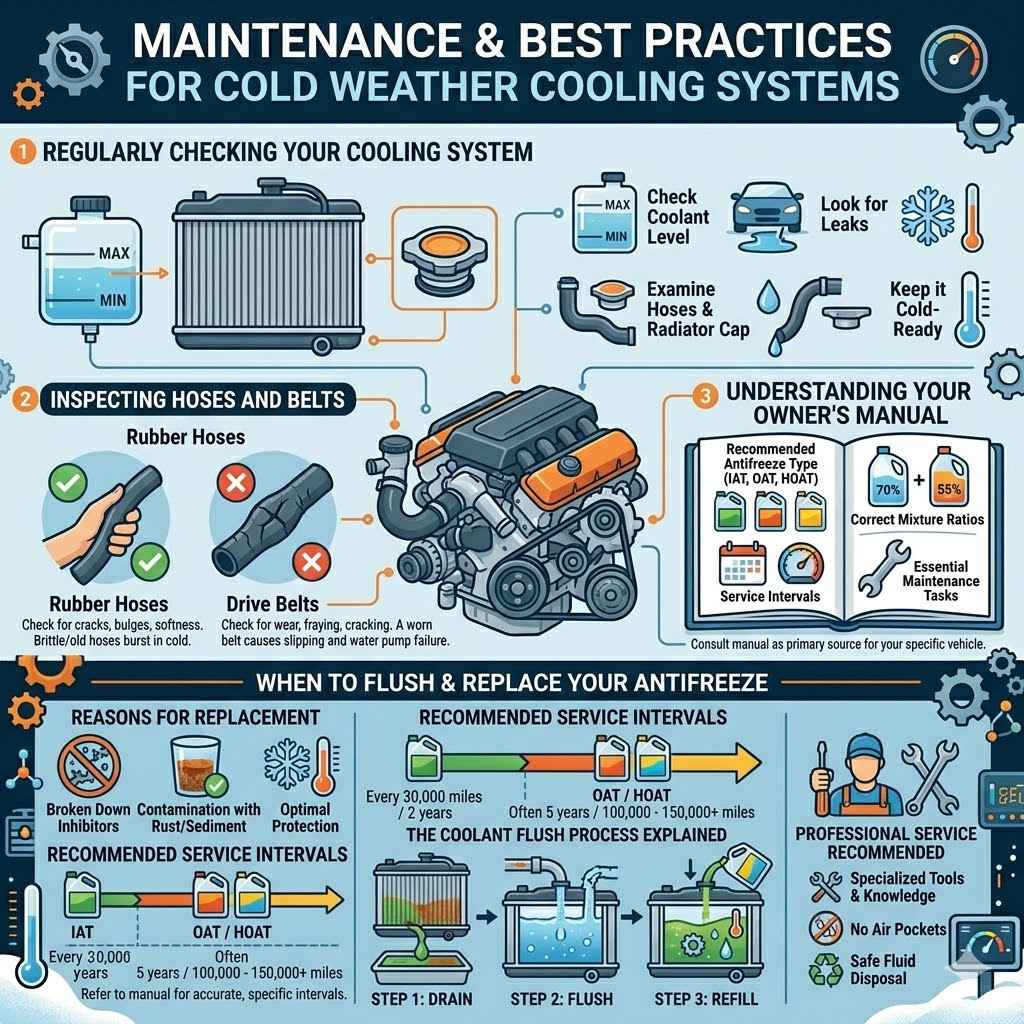
Your car’s cooling system is a closed loop that circulates coolant. It is essential to check it regularly, not just before winter. This includes checking the coolant level, looking for leaks, and examining the condition of hoses and the radiator cap.
A small issue can quickly become a major problem in freezing temperatures if left unaddressed.
Checking the coolant level is usually done by looking at the translucent coolant reservoir. The level should be between the “min” and “max” marks when the engine is cool. Inspect hoses for any cracks, bulges, or softness.
A brittle or bulging hose is a sign that it needs to be replaced soon. Also, check the radiator cap for damage to its seal, as a faulty cap can affect system pressure and boiling point.
Inspecting Hoses and Belts
The rubber hoses that carry coolant throughout your engine can degrade over time due to heat, age, and exposure to chemicals. In cold weather, old, brittle hoses are much more likely to crack and burst, leading to a sudden loss of coolant and potential engine damage. Similarly, the drive belts that power the water pump (which circulates the coolant) can become stiff and cracked in the cold, reducing their effectiveness or even breaking.
When inspecting hoses, squeeze them gently. They should feel firm but pliable. If they feel hard, brittle, spongy, or have visible cracks or leaks, they should be replaced.
Check drive belts for any signs of wear, fraying, or cracking. A worn belt can slip, causing the water pump to spin too slowly, compromising the cooling system’s ability to keep the engine at the right temperature.
Understanding Your Owner’s Manual
Your vehicle’s owner’s manual is an invaluable resource for understanding its specific maintenance needs. It will specify the type of antifreeze recommended for your car, the correct mixture ratios, and the recommended service intervals for coolant changes. It also provides guidance on checking fluid levels and other essential maintenance tasks.
For example, some manufacturers may recommend a specific type of antifreeze (like HOAT or OAT) to protect their unique engine components and cooling system designs. Ignoring these recommendations and using a generic or incompatible antifreeze can lead to premature wear, corrosion, or component failure. Always consult your owner’s manual as the primary source of information for your vehicle.
When to Flush and Replace Your Antifreeze
Antifreeze does not last forever. Over time, the protective inhibitors break down, and the coolant can become contaminated with rust, sediment, and other debris. Flushing and replacing your antifreeze at the recommended intervals is crucial for maintaining the health of your cooling system and ensuring optimal protection against both freezing and overheating.
Recommended Service Intervals
Service intervals for antifreeze replacement vary significantly depending on the type of antifreeze used and the vehicle manufacturer’s recommendations. As a general guideline:
- IAT (Inorganic Additive Technology) antifreeze typically needs to be replaced every 30,000 miles or 2 years.
- OAT (Organic Acid Technology) and HOAT (Hybrid Organic Acid Technology) antifreeze can last much longer, often 5 years or 100,000 miles, with some formulations extending to 150,000 miles or more.
Always refer to your owner’s manual for the most accurate and specific service interval for your vehicle. Following these intervals ensures that the corrosion inhibitors are fresh and effective, and that the coolant is free from contaminants that can compromise its performance.
The Coolant Flush Process Explained
A coolant flush, also known as a system flush, is a maintenance procedure that removes old coolant and any accumulated debris from the cooling system. The process typically involves draining the old coolant, flushing the system with a cleaning solution or distilled water, and then refilling it with the correct type and mixture of new antifreeze.
While some DIYers perform their own coolant flushes, it is often best left to a qualified mechanic. They have the specialized tools and knowledge to ensure the system is completely drained, properly flushed, and refilled without introducing air pockets. Air pockets in the cooling system can cause localized hot spots and prevent proper circulation, leading to overheating.
A professional flush also ensures all the old coolant is disposed of safely, as it is toxic.
Frequently Asked Questions
Question: What is the main ingredient in antifreeze
Answer: The main ingredient in antifreeze is usually ethylene glycol or propylene glycol. These glycols are mixed with water, and they are what give antifreeze its ability to protect your engine from freezing and boiling.
Question: Can I mix different colors of antifreeze
Answer: It is generally not recommended to mix different colors or types of antifreeze unless the product label specifically states they are compatible. Mixing different types can cause chemical reactions that reduce their effectiveness or lead to gelling and clogging of your cooling system.
Question: How often should I check my antifreeze level
Answer: You should check your antifreeze level at least once a month, and more often in extreme weather conditions. It is best to check it when the engine is cool.
Question: Is it safe to pour antifreeze down the drain
Answer: No, antifreeze is toxic and harmful to the environment. It should never be poured down the drain. Used antifreeze should be taken to a hazardous waste disposal facility or an auto repair shop that accepts it for recycling.
Question: What is the difference between antifreeze and coolant
Answer: Antifreeze is a concentrate that you mix with water. Coolant is the finished mixture of antifreeze and water that is used in your car’s cooling system. So, antifreeze is an ingredient, and coolant is the product that goes into your car.
Summary
Choosing the best antifreeze for extremely cold weather cars is about ensuring your engine stays protected. Always select a formula that meets your vehicle’s specifications and provides adequate freeze protection for your local climate. Regularly check your coolant level and condition, and adhere to recommended maintenance schedules.
This will keep your cooling system running efficiently and prevent costly repairs during winter.