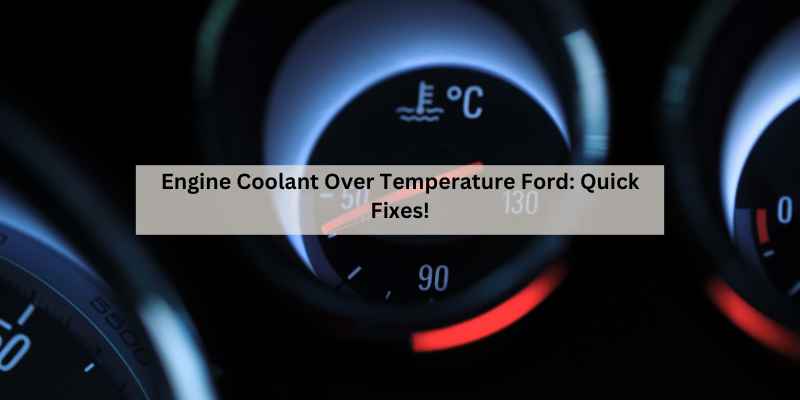
Engine Coolant Over Temperature Ford: Causes & Real Fixes
A Ford “Engine Coolant Over Temperature” warning usually means real overheating — but it can also be a false alarm from a failing CHT sensor or a faulty radiator cap, triggering the same “forced limited power” limp mode with no actual overheating. Pull over safely either way; the difference matters for what you check next. This guide covers the real causes and the fix for each.
Quick Answer
An “Engine Coolant Over Temperature” warning on a Ford usually means the engine is overheating — pull over, let it cool, and check coolant level and hoses for leaks. But if the temperature gauge reads normal while the warning and limp mode stay active, the real problem is likely a failing CHT sensor or a bad radiator cap, not the cooling system itself.
Identifying The Over Temperature Warning
Recognizing the symptoms of overheating is crucial for your Ford vehicle. Common indicators include a rising temperature gauge and unusual steam from the engine. A sudden loss of power or strange noises may also occur. Pay attention to the coolant temperature warning light; it signals an urgent issue. Ignoring these signs can lead to severe engine damage.
Check for leaks under the vehicle. A sweet smell around the engine may indicate coolant leaks. If the engine feels hot to the touch, stop driving immediately. Letting the engine cool down is vital before inspecting further. Remember, early detection can save you money on repairs.
Is It Real Overheating or a False Alarm? (CHT Sensor & Limp Mode)
When the cylinder head temperature (CHT) sensor fails, the PCM (powertrain control module) can read a false overheating signal even though the engine is running at a normal temperature. This triggers the same “forced limited power” limp mode as a genuine overheat, because the computer can’t tell the difference — it just protects the engine by reducing power either way.
A quick way to tell them apart: check the temperature gauge itself. If it reads normal but the warning and limp mode are active, suspect the CHT sensor or wiring rather than the cooling system. A faulty radiator cap is another common false-alarm cause — it can’t hold pressure properly, which throws off the system’s actual boiling point and can trigger a warning even with adequate coolant.
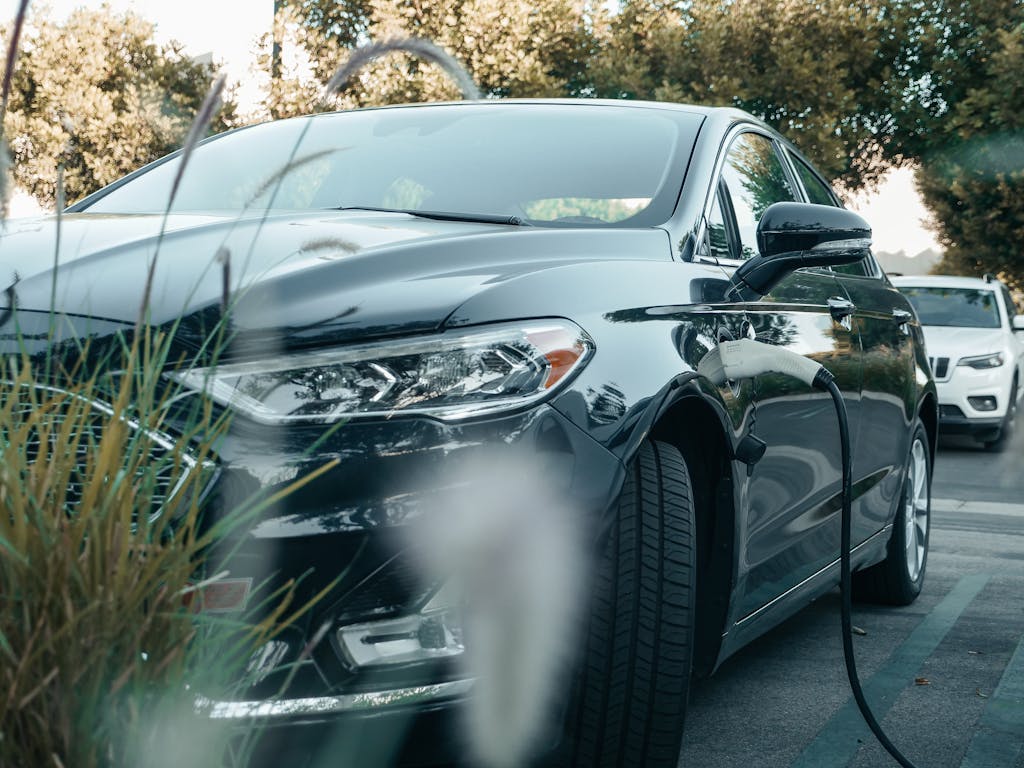
If your Ford is a Mustang Mach-E, this warning means something different entirely: the Mach-E has no combustion engine, so its “coolant” system is actually a liquid-cooled loop protecting the high-voltage battery pack, using the A/C compressor as a chiller. A cooling warning there points to the battery thermal management system — a coolant pump, blocked coolant lines, or a leak — not an engine component at all.
Common Causes Behind The Alert
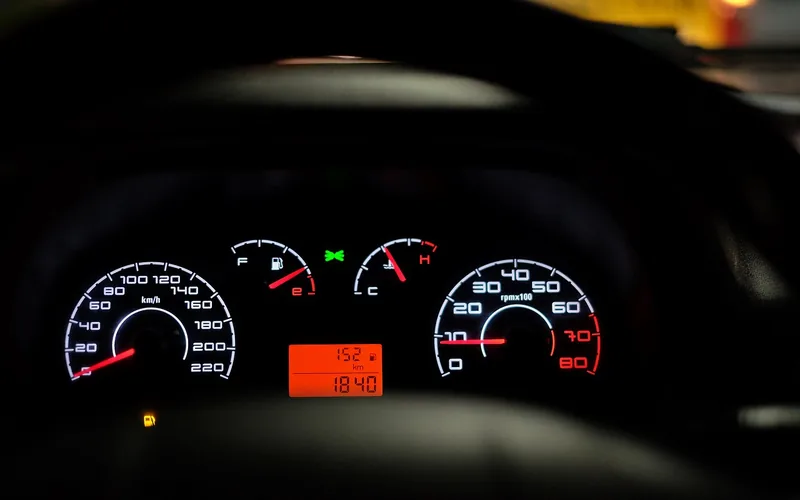
Low coolant levels often trigger the engine coolant over temperature alert. Insufficient coolant fails to cool the engine properly. Regularly checking coolant levels is essential to avoid overheating.
Faulty cooling parts can also cause this warning. Components like the radiator, water pump, and thermostat must function correctly. A malfunctioning fan can lead to insufficient airflow, causing the engine to overheat.
Inspecting these parts regularly can prevent serious engine damage. Always address any leaks or damage immediately to maintain optimal engine performance.
“If the temp gauge says normal but you’re still in limp mode with the coolant warning lit, check the CHT sensor and its wiring before you start tearing into the cooling system — it’s a much more common culprit than people expect.”
Immediate Actions To Take
Stop your vehicle in a safe area as soon as possible. Turn off the engine immediately. This action helps prevent further damage. Open the hood to allow heat dissipation. Avoid touching any hot parts.
Check the coolant level once the engine cools down. Look for any leaks around hoses and the radiator. Ensure the fans are operational. If the coolant is low, add more only after the engine has cooled.
If the warning persists, it may indicate a serious issue even with coolant present — see our guide on why a car can overheat even with coolant. Seek professional help to avoid engine damage. Taking prompt action can protect your engine and ensure your safety.
Checking The Cooling System
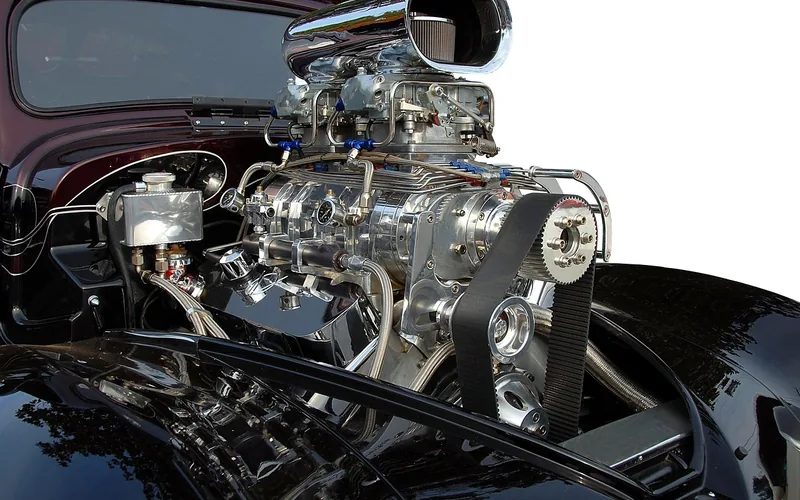
Inspecting for leaks in the cooling system is essential. Check the hoses and gaskets for any signs of damage. Even small leaks can lead to overheating issues. Look for puddles or wet spots under your vehicle.
Evaluating the fans and radiator cap is crucial for proper operation. Ensure that the fans turn on when the engine gets hot. A faulty radiator cap can cause pressure loss and lead to overheating. Regular checks can prevent major problems.
Best CHT Sensor Pick
ENA Cylinder Head Temperature (CHT) Sensor for Ford
A direct-fit replacement for the sensor most likely to cause a false overheat warning and limp mode on Ford models.
- Best for: a normal-reading gauge with an active coolant warning and limp mode
- Why we picked it: matches the article’s own CHT-sensor false-alarm diagnosis
- Main drawback: won’t help if the issue is genuinely low coolant or a real leak
Compare more cooling system fixes
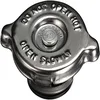 Option 1 Gates Standard Radiator Cap
|
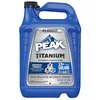 Option 2 PEAK Titanium 50/50 Prediluted Antifreeze/Coolant
|
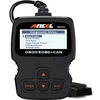 Option 3 ANCEL AD310 OBD2 Scanner
|
As an Amazon Associate we earn from qualifying purchases.
Solving Coolant Level Problems
Draining and replacing engine coolant is crucial for maintaining optimal performance. Begin by completely draining the old coolant. Properly dispose of the used radiator fluid to ensure environmental safety.
Next, replace it with fresh radiator fluid that meets or exceeds your manufacturer’s specifications. This step helps avoid overheating and other engine issues.
Regular coolant checks can prevent many problems. Always inspect the engine cooling system’s seals, gaskets, and hoses. Replace any worn parts to maintain system integrity.
By following these steps, you can keep your vehicle running smoothly and avoid potential overheating.
Addressing Faulty Components
Replacing thermostats and sensors is crucial for resolving coolant issues. A faulty thermostat can cause overheating. Always ensure that the new thermostat meets manufacturer specifications.
Sensors monitor coolant temperature. A malfunctioning sensor can lead to incorrect readings. This may result in unnecessary engine shutdowns. Replacing the sensor can restore accurate temperature readings.
Dealing with a bad water pump is essential too. A malfunctioning pump can stop coolant circulation. This leads to overheating and potential engine damage. Ensure the water pump is in good condition to maintain optimal engine temperature.
Preventive Maintenance
Regular system checks help maintain your Ford’s engine temperature. Inspect the coolant level frequently. Low coolant can cause overheating — and in a pinch, turning the heater on can help pull excess heat away from the engine while you find a safe place to stop.
Check for leaks around hoses and gaskets. Replace any worn or damaged parts immediately. This action can prevent serious engine damage.
Avoiding aggressive driving is essential. Fast starts and rapid acceleration can stress the engine. Smooth driving helps maintain a stable temperature.
Take breaks during long drives. Allow your engine to cool down. Regularly inspect the cooling system for efficiency.
When To Seek Professional Help
Experiencing engine coolant over temperature signals serious issues. Seek help from a professional mechanic for complex diagnostics. Signs like inconsistent temperature readings or strange noises could indicate deeper problems.
The cooling system needs thorough inspection. Common issues include coolant leaks, faulty fans, or defective water pumps. Technicians use specialized tools to identify these problems accurately.
Repairing the cooling system involves replacing damaged parts. Ensure you use genuine parts that meet manufacturer specifications. Regular maintenance can prevent future overheating incidents.
| Issue | Possible Cause | Solution |
|---|---|---|
| Coolant Leak | Worn hoses or gaskets | Replace damaged components |
| Faulty Fan | Electrical issue | Repair or replace fan |
| Bad Water Pump | Wear and tear | Replace the water pump |
Frequently Asked Questions
How Do You Fix Coolant Over Temperature?
To fix coolant over temperature, first let the engine cool down. Check coolant levels and refill if low. Inspect for leaks and damaged hoses. Replace any faulty components, such as the thermostat or water pump. Finally, ensure the radiator fluid meets manufacturer specifications.
What Does It Mean When It Says Engine Coolant Over Temperature?
“Engine coolant over temperature” means your engine is overheating. This warning indicates coolant failure or low levels. Stop driving, let the engine cool, and inspect for leaks or system issues. Addressing the problem quickly can prevent serious engine damage. Always check coolant levels regularly for maintenance.
Is It Safe To Drive With Engine Coolant Over Temperature?
Driving with engine coolant over temperature is unsafe. It can cause severe engine damage. Stop immediately, let the engine cool, and check for issues. Ignoring the warning may lead to costly repairs and breakdowns. Always prioritize safety and address overheating promptly.
How To Fix Engine Coolant Over Temperature Ford Focus?
To fix engine coolant over temperature in a Ford Focus, check the coolant level and top it off if low. Inspect for leaks, damaged hoses, or a malfunctioning thermostat. If problems persist, consult a mechanic for a thorough diagnosis and repair.
Regular maintenance helps prevent future issues.
Why Am I in Limp Mode If My Temperature Gauge Reads Normal?
This is a classic sign of a failing CHT (cylinder head temperature) sensor sending a false overheat signal to the PCM, or a wiring fault in that circuit. The computer can’t verify the reading independently, so it defaults to protecting the engine with reduced power. Have the CHT sensor tested before assuming the cooling system itself has failed.
Conclusion
Understanding the engine coolant over temperature warning is crucial for any Ford owner. Addressing this issue promptly can prevent severe engine damage. Regular maintenance and monitoring coolant levels are essential steps in keeping your vehicle running smoothly. Stay proactive, and you’ll ensure your Ford remains reliable for years to come.
Products related to this article
Sponsored / affiliate links. As an Amazon Associate I earn from qualifying purchases. I may earn additional commission from eligible campaigns.