Best Auto Repair Shops for Brake Service Criteria
The best auto repair shops for brake service inspect pads, rotors, calipers, fluid condition, hoses, hardware, and wheel bearings before quoting parts, and they explain the repair scope in writing. Bad brake quotes can mean paid-for parts you did not need, repeat visits, or missed failures that keep braking weak. This guide shows how to compare nearby shops by their inspection checklist, estimate detail, and proof that the full brake system was diagnosed first.
Top pick: diagnosis-first brake shops


The best brake shop is the one that proves what failed before it sells parts. Start with shops that document the key brake condition details and road test the vehicle, then explain why each item may need replacement or service.
A low number is not enough if the quote skips rotor measurements, fluid condition, or electronic diagnosis. A better shop may cost more up front and save you a second visit.
What the best brake shop proves before quoting parts
It should show you the worn part, the measurement, or the fault code. Brake work gets expensive when a quote jumps straight to parts without checking whether the issue is pads, rotors, fluid, a line leak, a seized caliper, or an ABS fault.
Brake Masters says it offers free brake inspections for scraping, grinding and squealing brakes, and that its brake repairs menu includes ABS systems. Midas says its brake experts conduct a 55-point inspection, which is the kind of scope you want to see before agreeing to repair work.
Why repair scope matters more than the lowest number
A pad-only quote can look attractive until the shop adds rotors, hardware, or fluid after inspection. That is not automatically a bad shop; it often means the first quote missed needed items. The better question is whether the estimate showed the full likely repair path from the start.
Suppose a sedan arrives with a steering-wheel shake at highway speed and thin front pads. If the shop only prices pads, the actual repair may still need rotor service and fluid inspection before the car is safe and the pedal feel returns to normal.
📊 Midas says its brake experts conduct a 55-point inspection. Source: Midas.
Quick picks by brake repair need
Match the shop to the job. Pad squeal needs clear wear inspection. Vibration needs rotor and hub checks. A brake warning light needs ABS scan capability. Soft pedal or dark fluid needs hydraulic diagnosis, not a guess and a parts list.
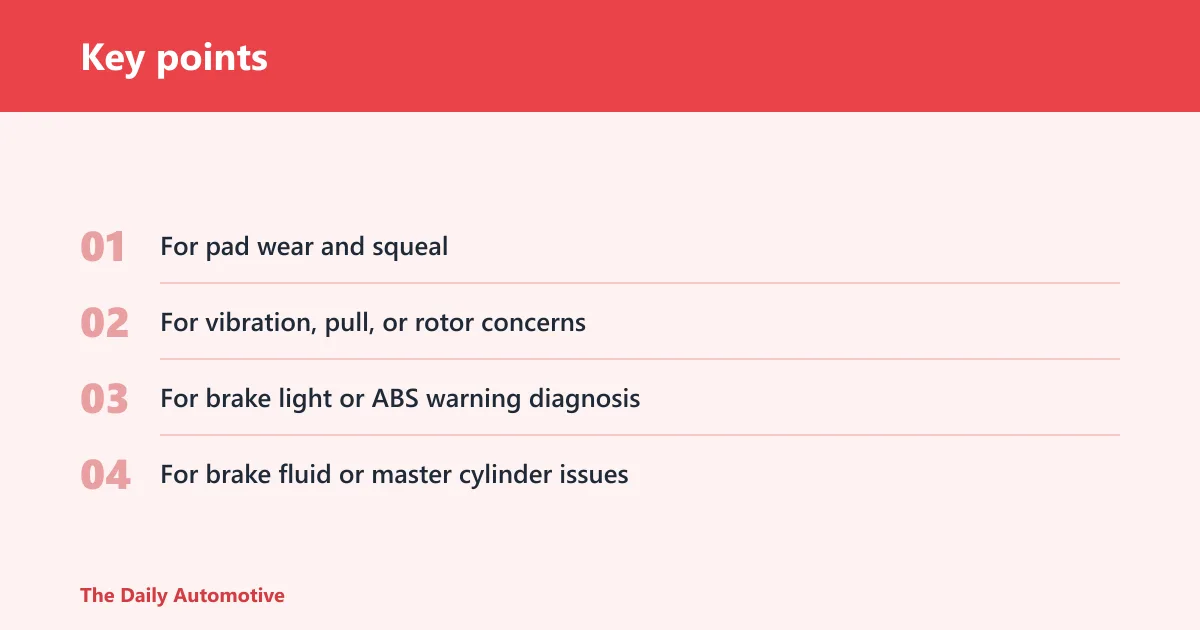
- For pad wear and squeal: Choose a shop that measures pad thickness, checks hardware, and explains whether axle-pair replacement is needed.
- For vibration, pull, or rotor concerns: Choose a shop that measures rotors and inspects calipers, hub faces, and runout-related symptoms before quoting parts.
- For brake light or ABS warning diagnosis: Choose a shop that can read ABS faults, sensors, and electronic brake controls.
- For brake fluid or master cylinder issues: Choose a shop that checks leak points, fluid condition, pedal feel, and booster relationship.
For pad wear and squeal
Brake pads usually wear faster on one axle than the other, so the shop should inspect both sides on the same axle. Midas says pads or shoes may last anywhere from 20,000 to 80,000 miles, which is a wide range that depends on driving, vehicle weight, and brake design.
For vibration, pull, or rotor concerns
Vibration during braking often points to rotor issues, but it can also come from tire, hub, or caliper problems. Ask whether the shop measures rotor thickness and checks whether resurfacing is still possible or whether replacement is the better call.
For brake light or ABS warning diagnosis
An ABS warning light should trigger electronic diagnosis, not a pad quote alone. The shop should scan fault codes, inspect wheel-speed sensors and wiring, and identify where the fault seems to be in the brake or ABS system.
For brake fluid or master cylinder issues
Low or dark fluid, a sinking pedal, or a pedal that needs pumping points to hydraulic checks. That includes leaks, master cylinder function, booster behavior, and whether the brake fluid is due for service. Midas says brake fluid can last 2-5 years.
What a brake inspection should include
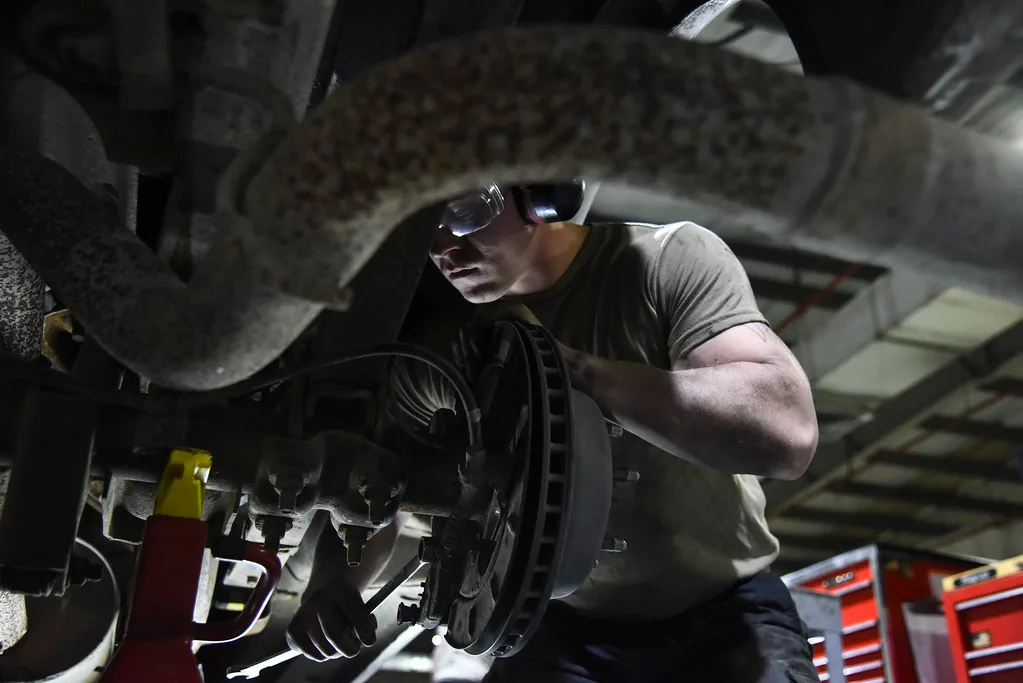
A proper brake inspection should generally cover pads, rotors, shoes, fluid, lines, hoses, calipers, hardware, and an ABS check, then finish with a road test. If any of those are missing from the estimate or findings, the shop may be selling a partial diagnosis.
Pads, rotors, shoes, and hardware
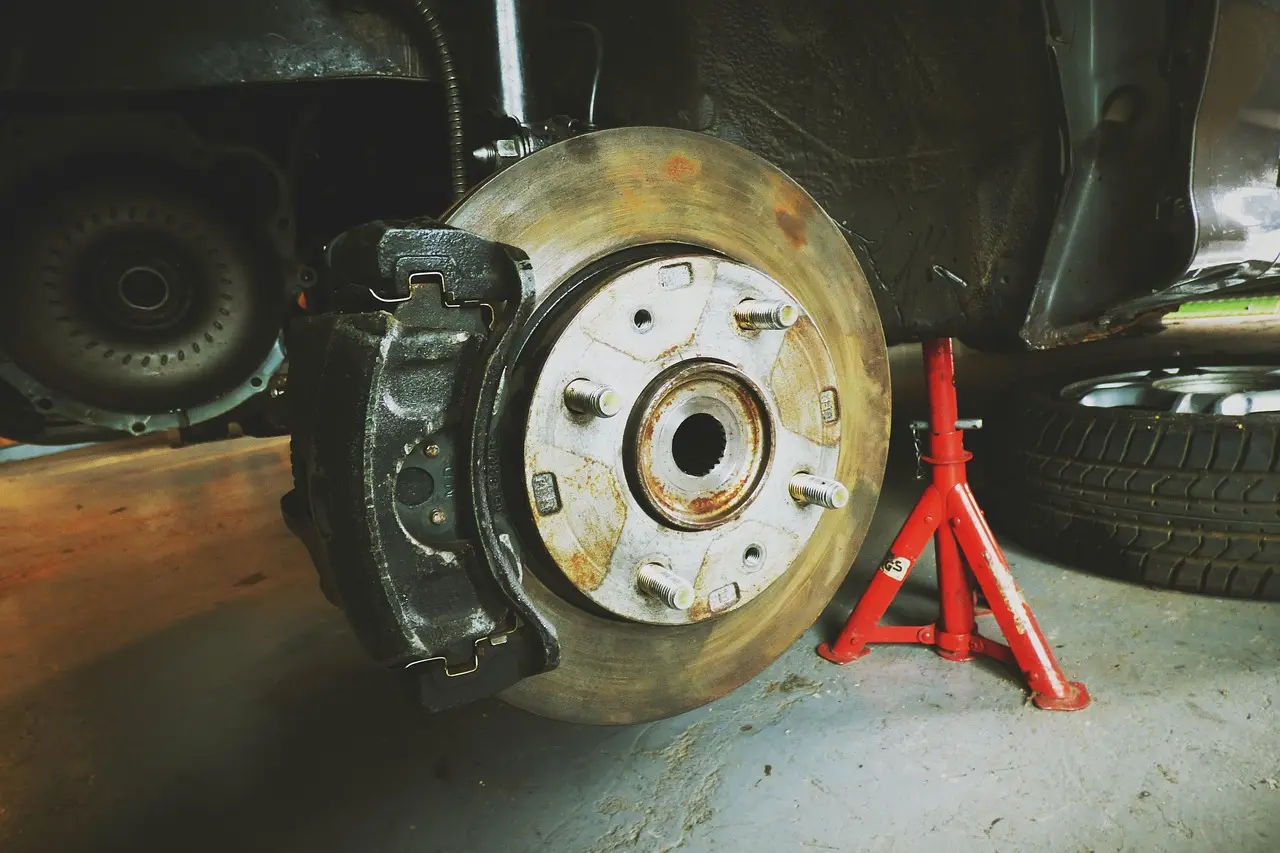
The shop should measure pad thickness, look for uneven wear, and inspect rotor condition for scoring, heat spots, cracks, or wear below spec. It should also check clips, shims, springs, and any hardware that can cause noise or uneven contact.
Fluid level, leaks, and condition
Brake fluid should be checked for level, contamination, and age-related deterioration. Midas lists brake fluid among common brake services and says brake fluid exchange is part of routine brake work. Brake fluid that is low or contaminated can point to a leak or overdue service.
Brake lines, hoses, and master cylinder checks
Lines and hoses should be checked for cracks, corrosion, bulges, and seepage. The master cylinder should be tested if the pedal sinks or fades. A failing master cylinder can reduce hydraulic pressure, and booster issues can change pedal effort even when pads look fine.
ABS scan and road-test confirmation
The best shops do not stop at a lift inspection. They road test to confirm the complaint, then check whether braking noise, pull, vibration, or warning lights match the physical findings. That extra step helps separate worn pads from a hydraulic or electronic fault.
Brake Masters includes ABS systems in its brake repairs menu, which matters if your issue is electronic rather than purely mechanical. It also lists brake fluid among its fluid exchange services and backs standard brake services with a 12-Month / 12,000 Mile Warranty.
What should a brake estimate include?
A useful brake estimate should list the parts, labor, parts type, warranty terms, and any extra work that would need approval. If it only says “brakes” or “front service,” you do not yet have enough detail to compare shops on equal terms.
Line items for parts and labor
Ask for separate line items for pads, rotors, hardware, labor, fluid exchange, and any diagnostic fees that apply. That split makes it easier to see where the money goes and whether a cheaper quote is missing items another shop already included.
Parts disclosure: OEM, aftermarket, or remanufactured
The estimate should say whether the parts are OEM, aftermarket, or remanufactured. Different parts types can change price, fit, and warranty coverage. Without that disclosure, a low quote may be using a different parts grade than the shop down the street.
Approval before any added work
Do not approve a brake job unless the shop says it will call before adding pads, rotors, fluid, hoses, or sensors not already approved. That protects you from surprise charges when an inspection finds more wear than the first estimate captured.
Warranty terms and exclusions
Brake warranties usually vary by months, miles, and exclusions. Brake Masters says it offers a 12-Month / 12,000 Mile Warranty on standard brake services and a lifetime warranty on brake pads and shoes when repaired there. Read the exclusions, because labor, wear items, and outside damage are often handled differently.
Should you choose a dealership or an independent shop?
Choose the shop that best fits the repair, not the logo on the building. Dealerships can make sense for complex ABS or electronic brake complaints on newer vehicles. Independent brake specialty shops often have deeper brake focus. General repair shops can be enough for simple pad and rotor work.
When a dealership makes sense
A dealership is worth considering if your car has a model-specific ABS fault, electronic parking brake issue, or warranty-related brake concern. Factory diagnostic tools and direct access to model-specific service data can help on newer systems.
When a brake specialty shop is the better fit
A brake specialty shop is often the better fit for pad, rotor, fluid, and line work because brake repair is its core business. Shops with strong brake menus also tend to be clearer about rotor service, leak repair, and axle-pair replacement logic.
When a general repair shop is enough
If the repair is straightforward, such as front pads, a fluid exchange, or a basic caliper replacement, a general repair shop may be enough. The key is not the shop type alone. It is whether the estimate, diagnosis, and warranty language are complete.
Brake-shop comparison checklist
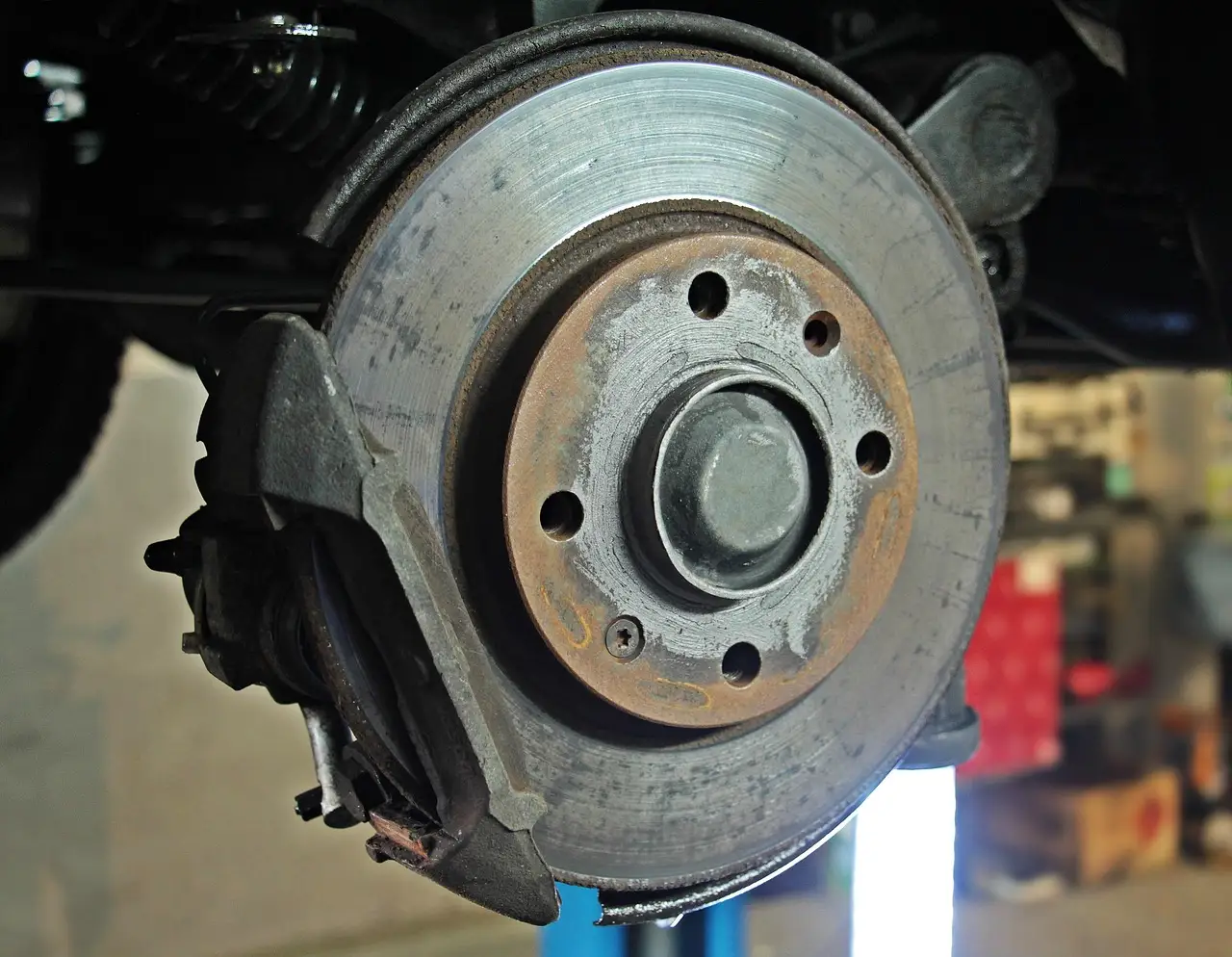
Use this checklist to compare shops before you book. Every “yes” should be easy to verify from the estimate, the inspection sheet, or the adviser’s written notes. If a shop will not answer these points clearly, that is useful information too.
| Criterion | Yes looks like | No means |
|---|---|---|
| Inspection depth | Pads, rotors, fluid, lines, ABS, hardware, and road test are listed | The shop is guessing or skipping systems |
| Estimate transparency | Parts and labor are separate line items | You cannot compare quotes cleanly |
| ABS diagnosis | Fault codes and sensor/module checks are included when needed | An electronic problem may be missed |
| Warranty terms | Months, miles, and exclusions are written out | The warranty is vague or hard to use |
| OEM vs aftermarket disclosure | The estimate names the part type | You do not know what you are buying |
| Axle-pair replacement policy | The shop explains when both sides should be done together | One side may get replaced without a reason |
| Road-test inclusion | The complaint is verified before and after repair | Noise or pull may remain unconfirmed |
| Photo documentation | Wear, leaks, and fault areas are shown to you | You have to take the shop’s word for it |
| Turnaround time | The shop gives a realistic completion window | Delays may hide parts ordering problems |
| Review red-flag checks | Reviews mention clear findings and clean invoices | Many complaints mention upsells or comebacks |
| Brake fluid scope | The quote says whether fluid exchange or leak repair is needed | Hydraulic issues may be ignored |
| Approval process | Nothing extra is installed without your go-ahead | Charges can grow after teardown |
Say your midsize SUV has front brake squeal at low speed and a soft pedal at stoplights. A good shop should not sell pads first and think later. It should inspect the whole axle, check fluid condition, test for leaks, and explain whether rotors and hydraulics also need work.
How to choose the right brake shop for your car
Pick the shop that matches the job type, explains findings in writing, and can justify the repair scope before you approve it. Reviews matter, but only when they show patterns such as clean estimates, completed repairs, and few comeback complaints.
Match the shop to the job type
For pad wear and rotor service, a general repair shop or brake specialty shop may be enough. For ABS faults, electronic parking brake issues, or master cylinder diagnosis, choose a shop with stronger diagnostic depth and scan-tool capability.
Compare written findings, not just coupon prices
A lower coupon can hide missing items. Compare whether each estimate includes rotor service, brake fluid, hardware, and diagnostics. Midas says common brake services include pad or shoe replacement, rotor service, fluid exchange, and leak repair, which is the level of detail you want to see reflected in the quote.
Use reviews for patterns, not star count alone
Look for repeated complaints about vague invoices, surprise add-ons, or the same brake problem returning soon after repair. Positive reviews are more useful when they mention clear diagnosis, documentation, or the shop explaining why one axle needed more than pad replacement.
Ask what is included before you book
Before scheduling, ask whether the inspection includes pad measurements, rotor checks, fluid condition, ABS scan, road test, and photo documentation. Also ask whether the shop replaces parts by axle pair when needed and whether it will pause for approval before any added work.
- Get a written estimate with line items.
- Verify the inspection covers pads, rotors, fluid, lines, ABS, and road testing.
- Check whether the shop names OEM, aftermarket, or remanufactured parts.
- Ask how it handles axle-pair replacement and added work approval.
- Read reviews for repeated patterns, not just the average rating.
What is the best auto repair shop for brake service near me?
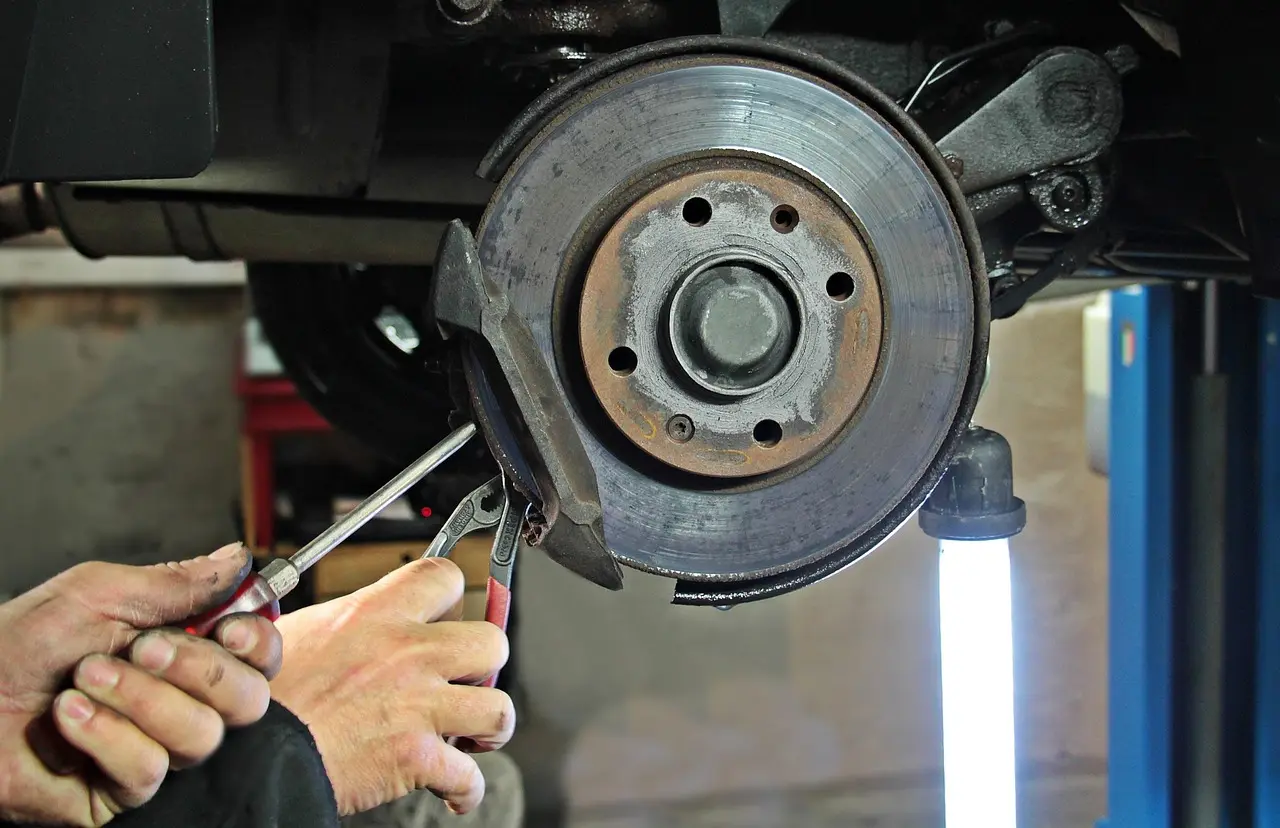
The best nearby brake shop is the one that documents the problem before pricing parts. Look for written inspection results, clear line items, ABS diagnosis when needed, and approval before added work. A local shop with those habits is usually a better choice than the closest coupon offer.
How do I compare car brake repair shop reviews and ratings?
Compare reviews for patterns, not star count alone. Focus on repeated mentions of clear estimates, accurate diagnosis, clean invoices, and repairs that held up after pickup. Red flags include surprise charges, vague findings, and multiple complaints about the same brake issue returning soon.
How much does brake repair usually cost at auto shops?
Brake repair cost depends on whether the job is pads, rotors, fluid, calipers, ABS diagnosis, or master cylinder work. Pad-only pricing can be incomplete if rotors or fluid also need attention. The safest way to compare cost is by line-item estimate, not headline price.
Do I need new rotors with brake pad replacement?
Not always. Rotors may be resurfaced or reused if they are within spec and not damaged. You are more likely to need replacement when rotors are scored, warped, worn below limit, or causing vibration. Ask the shop to show the measurement and explain the axle plan.
How often should brakes be serviced?
Midas recommends common brake inspections every 10,000-12,000 miles or every year, and says brake fluid can last 2-5 years. Service timing still depends on driving style, vehicle weight, and warning signs. Noise, vibration, and warning lights should shorten that schedule.
What are signs I need brake repair now?
Scraping, grinding, squealing, a soft pedal, pulling, vibration, and a brake or ABS warning light all call for prompt inspection. If the pedal sinks, the car pulls hard, or braking distance grows, do not wait for the next service interval. Get the system checked now.
Should I choose a dealership or a brake specialty shop?
Choose a dealership for model-specific electronic brake faults, warranty issues, or systems tied closely to factory tools. Choose a brake specialty shop when the job is pads, rotors, fluid, or line repair and you want brake-focused diagnosis. General repair shops can work for simpler jobs.
How do I tell if a brake shop is trustworthy?
Trustworthy brake shops write down findings, separate parts from labor, explain why each repair is needed, and ask before adding work. They also document inspection results, offer clear warranty language, and do not rely on pressure or vague “full brake job” language to sell the repair.
Products related to this article
Sponsored / affiliate links. As an Amazon Associate I earn from qualifying purchases. I may earn additional commission from eligible campaigns.