ACDelco Crankshaft Position Sensor Review: Top Pick
ACDelco crankshaft position sensors are worth the money when you need OE-level connector, bracket, or signal compatibility on GM applications; for simpler fitments, a verified aftermarket part often costs less and can work just as well. A wrong sensor can cause hard starts, stall complaints, misfires, and wasted diagnostic time. This guide compares ACDelco options, checks fitment risk, and shows where OEM-grade pricing makes sense.
This guide is part of our Car sensors and parts guide series.
Verdict


ACDelco sits in a practical middle ground. It is an American automotive parts brand owned by General Motors, and GM says its OE and ACDelco parts are designed, engineered, tested, and backed by GM. That matters most when the sensor location is awkward, the connector style is specific, or the engine family is known for heat-soak complaints.
Pros and cons
- Pros: GM-backed fitment confidence on many applications; useful when connector, wiring, and mounting details must match exactly; available through authorized GM dealers, service centers, and approved retailers.
- Cons: usually costs more than economy aftermarket sensors; fitment must be checked by VIN and engine code; not every ACDelco part is the best value for older, simple installations.
📊 The ACDelco brand was created in 1974. Source: ACDelco.
Specs at a glance
| Item | What to know |
|---|---|
| Brand | ACDelco |
| Parent company | General Motors |
| Positioning | GM-owned aftermarket brand with OE-style coverage on many applications |
| Related OEM line | GM Genuine Parts |
| Warranty note | Many GM Original Equipment and Gold lines include a 24-month/unlimited-mile limited warranty |
| Product category | Electrical systems and sensors / power and climate systems |
| Buy path | Vehicle application lookup by VIN, engine, connector, and mounting style |
Who it is for
ACDelco is for GM owners who want OE-style confidence without defaulting to dealership-only shopping. It also suits DIY buyers who can verify the exact engine code, connector style, wire length, and mounting depth before ordering. Budget shoppers should compare it carefully against a quality aftermarket sensor.
It is less attractive if your vehicle has a simple, low-risk sensor location and a widely available aftermarket equivalent. Say your Silverado or Impala has a rear block sensor buried near heat and exhaust. In that case, paying extra for a better fit match is easier to justify than on a straightforward front-cover replacement.
What works
OE confidence where fitment is tight
ACDelco’s strongest argument is application confidence. GM positions ACDelco as the only aftermarket parts backed by GM, and that matters when the crank sensor must match a specific connector body, mounting ear, or trigger signal pattern. On a crankshaft position sensor, small differences can create big diagnostic headaches.
The crankshaft position sensor reports engine speed and crankshaft position to the engine control module. When the signal drops out, the engine may crank but not start, stall unexpectedly, misfire, or show a tachometer needle that falls to zero. Hard hot starts are another common complaint, especially after heat soak.
Useful where access is poor
A common first-timer mistake is buying the cheapest part before checking whether the sensor sits in the block, bellhousing, front cover, or timing cover. That mistake is expensive when labor access is tight. A rear-mounted sensor near the transmission bellhousing can take far more effort than a front-mounted unit with open access.
ACDelco is often easier to justify in those locations because the cost of repeating the job outweighs a small parts premium. If the replacement takes awkward under-car access, exhaust heat exposure, or partial intake removal, getting the exact part the first time matters more than saving a few dollars.
Broad buying channels
GM Parts says ACDelco parts are available through authorized GM dealers, service centers, and approved retailers, and its store covers over 30,000 locations. That makes it easier to source a matching part quickly when a vehicle is down and you do not want to gamble on an unknown cross-reference.
What does not
It still depends on exact application data
ACDelco is not a universal fix. The same vehicle model can use different sensors by year, engine family, connector layout, or mounting depth. The wrong part may bolt in but still send the wrong signal or reach the wiring poorly. That is why VIN lookup matters more than brand alone.
Price is not the lowest
ACDelco usually costs more than economy aftermarket options, and sometimes more than other reputable OE suppliers. For a simple sensor on an easy-access engine, that extra spend may not buy a visible real-world advantage. The value case is strongest when the vehicle-specific details are picky or the labor is tedious.
Failure symptoms can be misleading
Bad crank sensors can mimic ignition, fuel, and powertrain control faults. A no-start complaint can come from a weak battery, cam sensor issue, fuel pressure problem, or wiring damage. Replacing the crank sensor without confirming the diagnosis can waste money and leave the root cause untouched.
What the sensor does and how failure shows up
Crank signal basics
The crankshaft position sensor tells the engine computer how fast the crankshaft is turning and where it is in the rotation. That signal helps control spark timing, fuel delivery, and misfire detection. If the signal drops out, the computer may shut down fueling or ignition to protect the engine.
Common symptoms of a failing sensor
- Crank/no-start
- Stalling at idle or while driving
- Misfire or hesitation under load
- Tachometer drop or erratic RPM signal
- Hard hot starts after the engine is heat-soaked
Why these symptoms overlap with other faults
These symptoms are not unique to the crank sensor. Wiring damage, poor grounds, a failing camshaft position sensor, a weak ignition module, or low fuel pressure can produce similar complaints. That is why diagnosis should include scan-tool data, connector inspection, and a check for heat-related intermittent failures.
Which ACDelco crankshaft position sensor fits my GM vehicle?
The correct ACDelco sensor is the one that matches your VIN, engine code, connector style, wire length, and mounting depth. For GM applications, fitment often changes by engine family and even by build date. A sensor that looks right on a parts counter can still be wrong electrically or physically.
Vehicle fitment lookup and connection details
Start with the VIN lookup, then confirm the engine-specific application. Check the connector shape, pin count, lock tab style, wire pigtail length, and whether the sensor uses a single-bolt flange, an O-ring body, or a more specific mount. These details are the difference between a clean install and a return.
Say your GM truck uses a front cover sensor and the replacement lead is just short enough to strain the wiring. That part may technically fit the catalog but still be a poor buy. The same warning applies if the connector keying differs by engine revision.
Sensor location by engine family
Some GM engines place the crank sensor at the front cover or timing cover, where access is straightforward. Others mount it near the block or bellhousing, where heat and reach are the bigger problem. When the sensor lives close to exhaust heat, heat-soak resistance becomes a more practical buying concern.
Fitment-risk checklist for common GM applications
Use this checklist before you order. It is the fastest way to reduce the odds of the wrong sensor showing up on your bench.
| What to verify | Why it matters | Common risk if ignored |
|---|---|---|
| Engine family | GM applications often differ by V6, V8, inline-four, or specific small-block family | Wrong trigger design or wrong catalog match |
| Sensor location | Front cover, rear block, bellhousing, or timing cover changes access and part shape | Install failure or wasted labor |
| Connector style | Pin count and lock-tab design must match the wiring | Connector will not seat or will fit loosely |
| Wire length | Wire routing needs enough slack without rubbing or tension | Strained wiring and intermittent signal loss |
| Mounting depth | The sensing tip must sit at the proper depth to read the reluctor wheel | Starting issues or no signal |
| Heat exposure | Rear and low-mounted sensors may see more exhaust and transmission heat | Premature heat-related failure |
Front cover versus rear block versus bellhousing locations
Front cover sensors are usually the easiest to replace. Rear block and bellhousing sensors are often harder because you may need to work from below and around crossmembers or exhaust parts. Timing cover locations can be cleaner than rear mounts, but they still demand exact alignment.
GM owners should also think about replacement labor access before buying. If the sensor is buried behind accessories, a bargain part that fails early costs far more than a better match that solves the job once.
How does ACDelco compare with GM Genuine Parts and cheap aftermarket sensors?
GM Genuine Parts is the direct OEM-style option. ACDelco is GM-owned aftermarket and OE-positioned, which makes it the more flexible buy when dealer-only packaging is not necessary. Cheap aftermarket sensors often win on price, but they usually lose on application certainty and long-term support.
Price, warranty, and support tradeoffs
GM says many GM Original Equipment and Gold lines include a 24-month/unlimited-mile limited warranty. That warranty language is part of the value case, especially when the part is expensive to access. For a low-cost, easy-to-reach sensor, the warranty matters less than exact fit and connector compatibility.
Based on the product data provided here, one ACDelco Gold crankshaft position sensor lists at $46.74. The Bosch OE sensor lists at $23.98, and the A-Premium Hyundai/Kia sensor lists at $12.99. Those prices show the usual spread: ACDelco tends to sit above economy choices and often above some OE suppliers.
Where the extra cost is easier to justify
The extra cost makes more sense when the crank sensor is heat-soaked, hard to reach, or sensitive to connector and mounting differences. It also makes more sense when the vehicle is a daily driver and you need a lower-risk repair. For an older, easy-access engine, a quality aftermarket part may be enough.
Should you buy one?
Buy ACDelco when you need GM-specific fitment confidence, when the sensor is difficult to reach, or when you want to stay close to OE design without paying dealer pricing for every application. That is the best-case scenario for this brand.
Choose another brand when the application is simple, the vehicle is older, and a reputable aftermarket sensor has the exact connector and mounting spec you need. GM owners should still buy through authorized retailers or dealers when the fitment data is uncertain, because application errors cost more than the part difference.
Alternatives
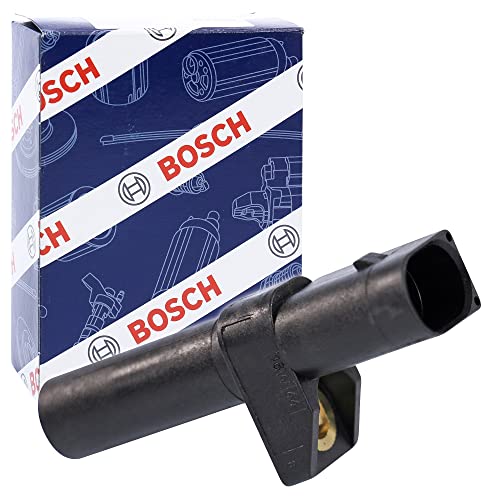
BOSCH 0261210170 Original Equipment Crankshaft Position Sensor is the strongest non-ACDelco comparison here if you want an OE-style part at a lower listed price. Based on the spec sheet and owner feedback, the main limitation is that it is not the GM-backed answer, so you still need to verify application fit on the vehicle side.

A-Premium Engine Crankshaft Position Sensor Compatible with Hyundai, Kia is the budget option of the three, and its one-year unlimited-mileage guarantee is appealing on paper. The drawback is obvious for this GM-focused review: it is not a GM application part, so it only makes sense if you are shopping outside the GM fitment target and have confirmed the exact vehicle match.
Frequently asked questions
Is an ACDelco crankshaft position sensor worth it?
Yes, when the vehicle needs precise connector, bracket, or mounting compatibility and you want GM-backed confidence. It is most worth it on GM applications with awkward access, heat exposure, or a history of fitment-sensitive parts. On simple, low-risk installs, a quality aftermarket sensor can be the better value.
Which ACDelco crankshaft position sensor fits my GM vehicle?
The correct part depends on VIN, engine family, sensor location, connector style, wire length, and mounting depth. Do not buy by model name alone. GM platforms often change sensors by year and engine code, so the catalog match has to be exact before you place the order.
How long do ACDelco crankshaft position sensors last?
There is no universal lifespan you can trust across every GM engine. Heat, vibration, oil contamination, wiring condition, and mounting location all affect service life. Sensors near the bellhousing or exhaust heat typically face more stress than front-mounted units, so model-specific evidence matters more than a blanket mileage claim.
Is ACDelco better than cheap aftermarket crankshaft position sensors?
Often yes on fitment confidence, support, and application accuracy, especially for GM vehicles with tight tolerances. Cheap aftermarket sensors can be fine when the fit is straightforward and the brand has a correct application listing. The gap widens when heat, connector shape, or mounting depth is part of the job.
What symptoms mean my crankshaft position sensor is failing?
Common signs include crank/no-start, stalling, misfire, tachometer drop, and hard hot starts. Those symptoms are not exclusive to the crank sensor, though. Similar complaints can come from wiring damage, cam sensor faults, weak grounds, ignition problems, or fuel delivery issues, so diagnosis should stay broad at first.
How much should I expect to pay for an ACDelco crankshaft position sensor?
Based on the product data provided here, one ACDelco Gold sensor is listed at $46.74. Actual prices vary by application, supplier, and whether the part is GM Genuine Parts or ACDelco. Authorized retailers and dealers are the safest places to verify the right catalog match and current pricing.
Do ACDelco sensors come with a warranty?
Many GM Original Equipment and Gold lines include a 24-month/unlimited-mile limited warranty. That is a useful safety net for parts that are hard to reach or expensive to diagnose twice. Always confirm the warranty terms for the exact part number and product line before buying.
Can I use ACDelco on non-GM vehicles?
Yes, ACDelco also offers aftermarket parts for non-GM vehicles, but application matching is mandatory. Do not assume cross-brand compatibility just because the brand is GM-owned. The right sensor still has to match the vehicle’s connector, location, and signal requirements.
What should I check before replacing a crankshaft position sensor?
Confirm the fault with scan data, inspect the wiring and connector, and rule out battery, fuel, ignition, and cam sensor problems. Check the sensor location for heat damage or oil contamination. If the part sits in a rear or bellhousing location, make sure you have the access tools before you commit.
Products related to this article
Sponsored / affiliate links. As an Amazon Associate I earn from qualifying purchases. I may earn additional commission from eligible campaigns.