Best Car Air Fresheners for Long-Lasting Odor Control
The best car air freshener for long-lasting odor control is the one matched to the smell source: fix spills or mildew first, then use charcoal, gel, or a mild clip. Skip that order and you hide the odor while the source keeps feeding it, which wastes money. I sort the smell first, then pick the format that fits the cabin heat and humidity, and that cuts passenger complaints fast.
This guide is part of our Car ownership essentials series.
Best car air fresheners for long-lasting odor control

Activated charcoal is my top pick when the goal is odor control, not fragrance. For light cleanup support, a low-intensity vent clip or gel works better than a strong hanging paper freshener, especially in compact cabins where scent builds fast and heat cuts lifespan short.
Top pick for stubborn odors
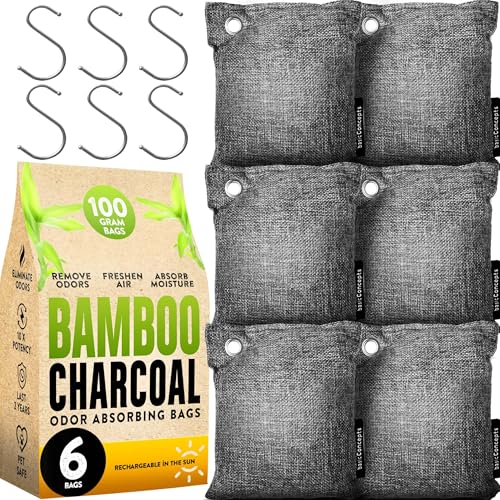
Activated charcoal odor absorbers are the best starting point for smoke, dampness, and stale cabin air because they adsorb odor molecules instead of covering them. They do not perfume the cabin, so the result is cleaner air rather than a stronger smell.
Best pick by cabin size
Small cars usually do better with a mild vent clip or a small gel puck because the cabin fills quickly. Large SUVs and minivans can use a charcoal absorber plus a light fragrance, since the larger air volume dilutes scent and odor control takes longer to notice.
Best pick for heat and sunlight
Charcoal absorbers handle hot cabins better than fragrance-heavy products, which tend to evaporate faster in summer. Gels also hold up reasonably well if kept out of direct sun, but paper fresheners lose output quickly when parked in heat.
Best low-scent option for sensitive passengers
Charcoal is the safest bet for passengers who react to fragrance. If a scent is still wanted, choose a mild vent clip on its lowest setting or a passive essential-oil pad with a very light dose.
Quick picks by odor problem and cabin size
Match the smell source first, then the cabin. Smoke and mildew need absorption and cleaning support. Pets and wet gear often need fabric cleaning plus a charcoal absorber. Food spills and trash smell respond best to cleanup, then a low-output fragrance.
- Smoke and mildew: charcoal absorber first, then a light spray on fabric if needed.
- Pets and wet gear: fabric cleaning plus charcoal, then a gel for steady background scent.
- Food spills and trash smell: remove residue, vacuum, then use a vent clip or gel.
- Small cars: use low-output products; scent compounds fast in tight cabins.
- Large SUVs: use broader-coverage formats such as charcoal plus a mild clip.
Which car air fresheners last the longest?
Activated charcoal odor absorbers usually last the longest for odor control because they can be recharged and reused, while fragrance products eventually run out of scent. If the question is pure scent output, vent clips and gels tend to outlast hanging paper fresheners, especially in mild weather and with moderate ventilation.
Vent clip air fresheners
Vent clips rely on airflow-dependent scent release. When the fan is on, they tend to release more fragrance; when the fan is off, output usually drops. They often last a few weeks, and a good placement is an upstream vent that does not blow directly onto the driver’s face or interfere with sight lines. They mainly mask odor.
Hanging paper air fresheners
Hanging paper fresheners are cheap and simple, but their scent strength fades fast. They often last from a few days to a couple of weeks, depending on heat and cabin size. Fragrance types are usually pine, citrus, vanilla, and “new car” style blends. Cost per unit is low, which is why they are often treated as disposable masking tools.
Gel air fresheners
Gel fresheners evaporate gradually, so they tend to last longer than paper and feel less abrupt than a vent clip. Some are spill-resistant and can sit in a cup holder or door pocket. Adjustable intensity is common, usually through a lid or vented top. They work best where heat is moderate and airflow is stable.
Activated charcoal odor absorbers
Charcoal works by odor adsorption, trapping odor molecules on a porous surface rather than adding fragrance. Some are rechargeable by sun exposure or drying, depending on the design. Place them near the odor source or in a rear footwell, and expect a few days before stubborn smells start to ease.
What works best for smoke, pets, and mildew?
Smoke, pet odor, and mildew are often harder to remove than a light food smell because they can sit in fabric, foam, and HVAC paths. Fragrance alone usually fails here. Use cleaning first, then an absorber or odor-eliminating spray, and only after that add a light scent if passengers want one.
Smoke smell
Cigarette smoke needs ash removal, vacuuming, fabric cleaning, and HVAC attention before any freshener helps. Charcoal absorbers are the best background control, while odor-eliminating sprays can help fabrics and carpet. A vent clip alone usually just overlays smoke with another smell.
Pet odor and wet upholstery
Pet odor sticks to cloth and can linger in seat foam. Use an enzyme or odor-eliminating spray on the affected fabric, then place charcoal nearby to reduce residual smell. If the smell comes from urine, cleanup must be deeper because fragrance products will fail quickly.
Mildew and damp carpet
Mildew means moisture is still present. Dry the carpet, clean the area, inspect for leaks, and check the cabin filter and AC intake. Charcoal helps after the source is dry, but a freshener cannot fix active dampness. A gel or clip over mildew usually makes the cabin smell sweeter, not cleaner.
Gym gear and food odors
Gym bags and old food smell are often easier to control than smoke or mildew, but they still need trash removal and surface cleaning. A gel in a cup holder or a mild vent clip can keep the cabin acceptable between cleanings, especially in smaller cars.
How to choose the right format for your car
Start with the odor source, then look at cabin size, heat, ventilation, and passenger sensitivity. A strong fragrance in a small cabin can become unpleasant fast. A weak fragrance in a large SUV may do almost nothing. Format choice matters more than brand language.
Odor source severity
Light odors from food or general stale air can use masking products. Heavy odors from smoke, pets, and mildew need absorption or cleaning first. If the source is still active, any freshener will fade fast because the cabin keeps producing the same smell.
Cabin size and ventilation
Vent clips depend on HVAC airflow, so they perform best when the fan runs regularly. Hanging fresheners and gels are less tied to airflow, but they spread scent more slowly in larger cabins. Recirculation mode can keep odor from outside out of the cabin, but it also traps what is already inside.
Climate and parking heat
Hot weather shortens lifespan across nearly all scent products. Sunlight can speed evaporation, which may be why a paper freshener can fade early in a parked car. Charcoal tolerates heat better, while gels hold up better than paper but still lose output in a hot windshield zone.
Passenger sensitivity and scent strength
In enclosed cabins, stronger is not better. Mild scents reduce complaints and headaches. If children, ride-share passengers, or fragrance-sensitive adults ride often, pick charcoal first or use a low-output format at the minimum setting.
Decision table: odor type, cabin size, and climate
This table maps the common odor problem to the format most likely to work in real use. When the source is severe, choose absorption or cleaning before scent. When the cabin is small or hot, use lower-output products to avoid overpowering the space.
| Odor type | Cabin size | Climate | Best format | Why it fits |
|---|---|---|---|---|
| Smoke | Any | Hot or mild | Activated charcoal + odor-eliminating spray | Absorbs residue and reduces source odor before scent is added |
| Pets | Small to large | Mild | Fabric cleaner or spray, then charcoal | Targets hair, dander, and fabric odor instead of masking them |
| Mildew | Any | Humid | Drying, cleaning, then charcoal | Moisture removal matters more than fragrance |
| Food spills | Small cars | Hot | Spot clean, then gel | Controls lingering smell without overfilling the cabin |
| Gym gear | Large SUV | Mild | Vent clip or gel plus charcoal | Steady background control with some odor absorption |
What to clean before you install any freshener
No freshener works well in a dirty cabin. Vacuuming, trash removal, and HVAC checks should happen first because odor sits in fabric, dust, and the air path. Clean the source, then add the product that matches the remaining smell.
Vacuuming and trash removal
- Remove cups, wrappers, food containers, and gym bags.
- Vacuum carpets, seat seams, under seats, and cargo areas.
- Wipe hard surfaces where spilled drinks or crumbs collect.
Fabric and carpet cleaning
- Spot clean any spill, pet stain, or damp area.
- Let carpets and seats dry fully before placing a freshener.
- Use odor-eliminating spray on fabric and carpet only where needed.
AC intake and cabin filter checks
- Inspect the cowl intake for leaves or debris.
- Check the cabin air filter if the smell returns through the vents.
- Confirm the HVAC system is not holding stale moisture.
Replacement and reapplication schedule
Replace paper fresheners when the scent fades, which may happen within a few days to a couple of weeks. Gels often need replacement when the gel shrinks or the scent weakens, sometimes after a few weeks. Vent clips lose strength as the reservoir empties. Charcoal should be recharged or replaced on the maker’s schedule, while sprays are re-applied after cleaning or when odor returns.
Are car air fresheners safe to use in a new car?
They are usually safe when used lightly, but new-car cabins already have off-gassing from plastics, adhesives, and upholstery. Strong fragrance can mix badly with that smell and cause complaints. Start with ventilation and a mild absorber first, then add a low-output scent only if needed.
Why does my car still smell after I use an air freshener?
Because the source is still there. Odor in a car usually comes from fabric, carpet, vents, spills, wet mats, or a dirty cabin filter, and a freshener only covers what is still being released. If the smell survives, the cabin needs cleaning, drying, or source removal before any fragrance can work well.
Frequently asked questions
Do vent clip air fresheners work better than hanging ones?
Vent clips usually work better than hanging paper fresheners when the goal is stronger, more controlled scent output. They rely on airflow, so they are more noticeable with the fan on. Hanging fresheners are cheaper and simpler, but they fade faster and do little for true odor control.
How do I get rid of cigarette smoke smell in my car?
Start by removing ash, vacuuming, and cleaning fabric, carpet, and hard surfaces. Then check the cabin air filter and HVAC intake. Use activated charcoal for ongoing odor control, and only after that consider an odor-eliminating spray or a light scent. Fragrance alone will not fix smoke odor.
How often should I replace a car air freshener?
Replace it when the scent or absorption drops off, not by calendar alone. Paper fresheners may need replacement in days or weeks, gels and vent clips often last several weeks, and charcoal can be refreshed and reused. Hot weather and strong ventilation shorten all of those timelines.
Products related to this article
Sponsored / affiliate links. As an Amazon Associate I earn from qualifying purchases. I may earn additional commission from eligible campaigns.