How Much Does a Car Tune-Up Cost?
A basic car tune-up usually costs $150 to $400 on older engines, while newer cars with long-life plugs often run $100 to $250 for scheduled maintenance; if a quote tops $600, ask exactly which parts and labor are on it. Skipping worn plugs, filters, or ignition parts can hurt fuel economy, trigger misfires, and turn a low-cost service into a bigger repair bill. This guide breaks down labor, parts, and vehicle-age differences so you can compare quotes without paying for work you do not need.
Typical cost range
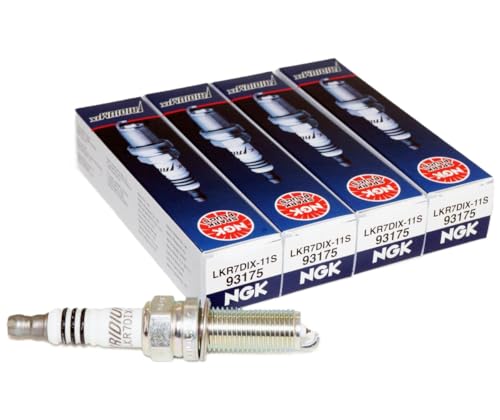


Most tune-up quotes fall into three bands. A minimal tune-up starts at $40-$150+, a standard tune-up runs $200-$800+, and major servicing and tune-up work can land at $500-$1,200+ when the vehicle needs far more than plugs and a quick inspection.
Minimal tune-up price range
A minimal tune-up is usually a limited-service visit. It often focuses on spark plug replacement and an inspection, and it makes the most sense when the vehicle is otherwise running well and the plug interval is due.
That lower price range can still jump quickly if access is difficult or if the shop finds worn parts that should not stay in service. The parts list is short, but labor still matters.
Standard tune-up price range
A standard tune-up commonly costs $200-$800+. This is the range many drivers mean when they ask for a tune-up, because it can include spark plugs, wires, distributor cap, rotor, fuel filter, PVC valve, and air filter.
Readers reported paying $138-$685 for a standard tune-up, with a reader-reported average of $340. That spread is wide because the quote may cover only one or two parts, or it may include several ignition and maintenance items in one visit.
Major servicing and tune-up price range
Major servicing and tune-up work can cost $500-$1,200+ and is more common on older or high-mileage vehicles. Older vehicles may need a 90,000-, 100,000-, or 120,000-mile tune-up, which often turns into a larger service package than a basic maintenance stop.
That higher price is not automatically a bad quote. It may simply reflect the parts, labor, and inspection time tied to an older vehicle with more wear points.
What a tune-up includes
A tune-up can mean different things depending on vehicle age, mileage, and ignition system. On some cars it is a small maintenance service. On others it is a broader parts-and-labor quote that overlaps with ignition repair, fuel-system service, and inspection work.
Spark plugs and ignition parts
Spark plugs are a key wear item in tune-up scope, but they may or may not be replaced every time. Modern platinum spark plugs typically last 30,000-100,000 miles, so a shop should not assume replacement is needed just because the car is in for a tune-up.
Older distributor-equipped vehicles may also need wires, a distributor cap, and a rotor. Those parts are common on older vehicles and often not used on newer electronic ignition systems.
Fuel and air filter replacement
A fuel filter may be included in a standard tune-up, but replacement depends on the vehicle and mileage. The same is true for the air filter. It is often part of tune-up scope, but it should still be tied to condition and maintenance history rather than treated as automatic.
Suppose a 12-year-old sedan comes in with rough idle and a dirty air filter. The quote may be fair if it lists plugs, an air filter, and labor. If it also adds a fuel filter and a diagnostic test, the total should be easier to defend because each item has a clear purpose.
Diagnostics and inspection checks
A diagnostic test is often run before tune-up work so the shop can confirm whether plugs, coils, sensors, vacuum leaks, or fuel delivery are behind the complaint. That matters most on computerized systems, where one symptom can point to several possible faults.
Inspection checks may also include looking for misfire codes, worn ignition parts, air intake issues, and fluid leaks. That extra time can be reasonable when the symptom is vague or the vehicle has multiple possible causes.
Why tune-up prices vary
Tune-up pricing varies because the quote is really a bundle of parts, labor, and vehicle-specific access time. The same label can cover a light maintenance visit on one car and a much deeper service on another.
Vehicle age and mileage
Older vehicles usually need more physical parts in the tune-up package. Distributor caps, rotors, and plug wires are far more likely to matter there, while newer vehicles may need only spark plugs and inspection.
High mileage also raises the odds that a tune-up quote will include more than maintenance. Once a car is nearing a 90,000-, 100,000-, or 120,000-mile service point, the estimate may grow to include several replacement items at once.
Labor rate differences
Typical labor rates run $40-$90 at standard repair shops and $80-$150 at a dealership. Labor is a major cost driver in tune-up pricing, because even a simple plug job can take time when access is tight or the engine bay is crowded.
A tune-up typically takes two to four hours of labor. A quote that includes three hours of labor can look fair on a harder engine layout, while the same labor time on an easy-access engine may deserve a second look.
Parts availability and dealer markup
Parts availability affects the quote when a vehicle needs less common plugs, filters, or ignition components. Dealerships usually charge more than independent shops, and that higher total may reflect both higher labor rates and parts markup.
That does not mean a dealership quote is overpriced by default. It may simply be priced for the exact part number, the correct service procedure, and the labor structure of the brand’s service department.
How much does a car tune-up cost at a garage or dealership?
Independent shops usually land lower because their labor rates are often $40-$90, while dealerships commonly run $80-$150. A garage quote can be the better value for routine plug and filter work, especially if the estimate is itemized and the parts are common.
Dealership pricing often makes more sense when the vehicle uses brand-specific parts, has tight access around the ignition components, or needs a factory-style procedure. The best comparison is not just the total price. It is the labor time, the parts list, and the reason each item is on the quote.
Independent shop pricing
An independent shop quote is often the cleaner option for a standard tune-up on an older but ordinary vehicle. If the estimate shows spark plugs, maybe wires, and a couple of hours of labor, the price may sit squarely in the normal range.
If the shop adds diagnostics, a fuel filter, and an air filter, the total can still be reasonable. The key is whether each line item fits the car’s age and symptoms.
Dealership pricing
A dealership quote often costs more because of labor rate and parts markup. That is especially true when the vehicle uses newer ignition parts or the service requires brand-specific computer checks.
For newer cars, the dealership may be the right place if the estimate depends on exact plug type, software checks, or a service bulletin-related procedure. For simple maintenance, though, the higher total should be explained clearly.
What a detailed estimate should show
A useful estimate should list each part, the labor hours, and any diagnostic charge before work begins. If the quote only says “tune-up” with one lump sum, ask what is included and which parts are being replaced.
It should also show whether the service is minimal, standard, or major. That makes it easier to compare apples to apples across two shops that may be quoting very different scopes.
Do newer cars still need a tune-up?
Yes, but the service looks different on newer cars. Many modern engines use electronic ignition and coil-on-plug systems, so they often do not need distributor caps or rotors. The tune-up may mostly involve plugs, filters, and diagnostics rather than a long list of ignition parts.
That difference matters because the word “tune-up” can mean less work on a newer car and much more work on an older one. The quote should match the vehicle’s ignition design, not a generic maintenance menu.
Electronic ignition and coil-on-plug systems
Newer vehicles often use coil-on-plug ignition, which removes the need for a distributor cap and rotor. That cuts some of the old tune-up parts out of the quote.
Even so, plug condition still matters. Misfires, rough idle, and poor fuel economy can still appear when plugs age out or ignition coils begin to fail.
When spark plugs still matter
Spark plugs may still be part of routine maintenance, but they do not always need replacement at every tune-up. Modern platinum spark plugs typically last 30,000-100,000 miles, so mileage and maintenance history should drive the decision.
A common first-timer mistake is assuming a tune-up must mean every ignition part gets replaced. On a newer car, that can lead to paying for parts that still have useful life left.
Why distributor caps and rotors are often excluded
Distributor caps and rotors are common on older vehicles and often absent on newer ones. If a quote includes them on a modern electronic ignition car, that is a signal to ask why.
Some shops may still use “tune-up” as shorthand for a broader inspection. That is fine only if the estimate explains exactly what the vehicle needs.
Tune-up quote decoder
This table helps you translate a quote into parts, labor, and likely service level. Use it to judge whether the estimate is minimal, standard, or major before you approve the work.
| Line item | Typical cost impact | What it usually means |
|---|---|---|
| Spark plugs | Low to moderate | Common in all tune-up tiers; on modern engines, plug type and access can change the labor |
| Wires | Moderate | More common on older distributor-equipped engines |
| Fuel filter | Low to moderate | May be included in a standard tune-up if mileage and maintenance history call for it |
| Air filter | Low | Often bundled in tune-up scope; usually an easy add-on unless access is awkward |
| Diagnostics | Moderate | Useful when symptoms could come from several systems, not just plugs |
| Labor hours | Major cost driver | Typical tune-up labor is two to four hours, and access can push the quote higher |
| Dealership markup | Moderate to high | Often tied to brand parts and higher labor rates than an independent shop |
- Check the included parts. If the quote only lists spark plugs and inspection, it is closer to minimal service. If it adds wires, a fuel filter, an air filter, and diagnostics, it is moving into standard territory.
- Look at labor hours. Two to four hours is common for a tune-up. If the labor time is much higher, ask what access issue or extra repair justifies it.
- Match the quote to the vehicle. Older distributor cars may need more ignition parts. Newer coil-on-plug cars should not be billed for cap and rotor work they do not use.
If a quote includes spark plugs, wires, fuel filter, air filter, and diagnostics, it usually belongs in the standard range. If it also includes major mileage-service items or several hours of labor on an older car, it may belong in the major-service range instead.
Frequently asked questions
How much should a car tune up cost?
The right number depends on vehicle age, mileage, ignition design, parts needed, and labor time.
What should be included in a car tune-up?
Common inclusions are spark plugs, wires, distributor cap, rotor, fuel filter, PVC valve, and air filter. Some quotes also include oil change work or computer and diagnostic checks, but the exact list should match the vehicle and its maintenance history.
How do I know if my car needs a tune-up?
Rough running, poor mileage, and a check-engine light can point to tune-up needs, but those symptoms can also come from other faults. A diagnostic test helps sort out whether the issue is plugs, ignition parts, sensors, fuel delivery, or something else.
Is a tune-up different on newer cars?
Yes. Newer cars often use electronic ignition and coil-on-plug systems, so they usually do not need distributor caps or rotors. Their tune-up may focus on spark plugs, filters, and diagnostics instead of the older ignition-part bundle.
Why do tune-up prices vary so much by vehicle?
Price varies because some cars need only spark plugs, while others need plugs, wires, filters, diagnostics, and more labor to reach the parts. Vehicle age, mileage, part availability, and dealership versus independent-shop labor rates all change the final quote.
Products related to this article
Sponsored / affiliate links. As an Amazon Associate I earn from qualifying purchases. I may earn additional commission from eligible campaigns.