Best Car Care Products for Budget Detailing (2026): We Compared
A budget-friendly complete car-care stack is six basics: wash soap, wash mitt, drying towel, wheel cleaner, interior cleaner, and spray protectant, chosen by cost per wash or detail rather than sticker price. Skip duplicates and you avoid paying twice for products that do the same job or fail fast. This guide compares the lowest-cost products that still clean safely, shows cost per use, and points to starter bundles worth buying.
Quick comparison
| Product | Badge | Best for | Price | ||
|---|---|---|---|---|---|
 |
Meguiar’s Gold Class Car Wash, 1 Gallon | Ultra-Rich FoamMeguiar’s | Our pick | 1 gallon · soap · paint conditioner | $17.98
Price as of 25 Oct 2026
|
View |
 |
Amazon Basics Microfiber Cleaning Cloths, Ultra-Soft andAmazon Basics | Also great | 24-pack · microfiber · 16×12 | $11.68
Price as of 25 Oct 2026
|
View |
 |
Meguiar’s Ultimate Quik Detailer, 24 Oz, 2 Pack |Meguiar’s | Pair with it | 2 pack · detail spray · 24 oz | $19.30
Price as of 25 Oct 2026
|
View |
 |
Chemical Guys, Total Interior Cleaner & Protectant, LeatherChemical Guys | Also great | 16 oz · interior cleaner · protectant | $11.97
Price as of 25 Oct 2026
|
View |
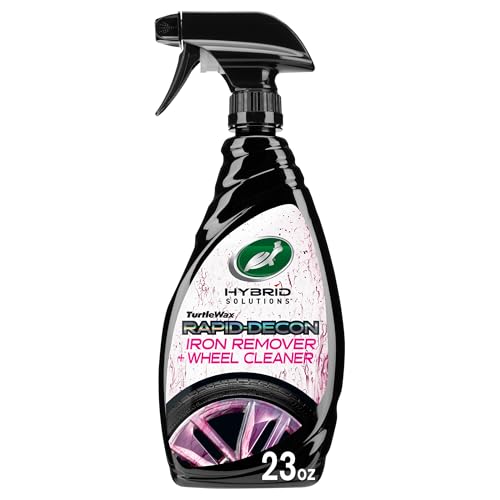 |
Turtle Wax Hybrid Solutions Iron Remover & Wheel Cleaner,Turtle Wax | Upgrade pick | 23 oz · iron remover · wheel cleaner | $12.99
Price as of 25 Oct 2026
|
View |
Sticker price can fool you. A $12 bottle that covers one cabin detail and a $18 gallon that lasts dozens of washes can be the cheaper buy over time.
How we chose
We compared products by four filters: cost per use, surface safety, job coverage, and how much overlap they create inside a starter stack. A budget pick had to do one job well, or two closely related jobs without turning into duplicate spending.
Also check whether a product helps a beginner avoid common damage: stripping wax, leaving residue on dark trim, or streaking on glossy interior panels. When a product only looks cheap, it usually costs more later.
Say your car is washed once a week and the wheels brown up every few days. A concentrated soap and one dedicated wheel cleaner beat a bundle of single-use sprays that all do the same thing badly.
Assume the budget is tight enough that every bottle needs a job. That is why the list starts with wash, dry, and interior cleaning before it adds clay or extra gloss products.
Microfiber towels: best for paint, wheels, and interiors
These are for anyone who needs one reusable cloth for paint, glass, wheels, and cabin surfaces. The 24-pack format makes the cost per towel low, and the listed lint-free, streak-free claim fits the basic detail jobs most owners need first.
Based on the product details, this pack is the cheapest all-purpose towel buy in the group. It replaces old bath towels and paper towels, and the reusable design pushes value far beyond a single clean.
The drawback is simple: microfiber only stays useful if you wash it correctly. Avoid fabric softener, which can coat fibers and hurt absorbency. Also sort towels by task so wheel grime does not end up on paint towels.
What to look for in towel count and structure
A 24-pack gives enough separation for paint, glass, interior, and wheel duty without making you reuse a dirty cloth too soon. The listing also describes the towels as 16 x 12 and lint-free, which matters for dark paint and screens.
One roundup describes microfiber cloths as a 12-pack with a thick 2.5mm structure, durable and lint-free. That is useful context, because thicker cloths often feel better for drying and polishing, but count still matters more than a premium feel when you are buying on a budget.
How to wash and reuse them safely
- Shake out loose grit before washing.
- Keep wheel towels separate from paint towels.
- Use regular detergent only; skip fabric softener.
- Air dry or tumble dry on low heat.
- Retire any towel that picks up embedded grit or edge fraying.
A common first-timer mistake is using the same cloth on a dusty dashboard and then on black paint. The towel is still “clean” by sight, but the debris can scratch if it is reused in the wrong place.
Wash soap concentrate: best for cheap washes
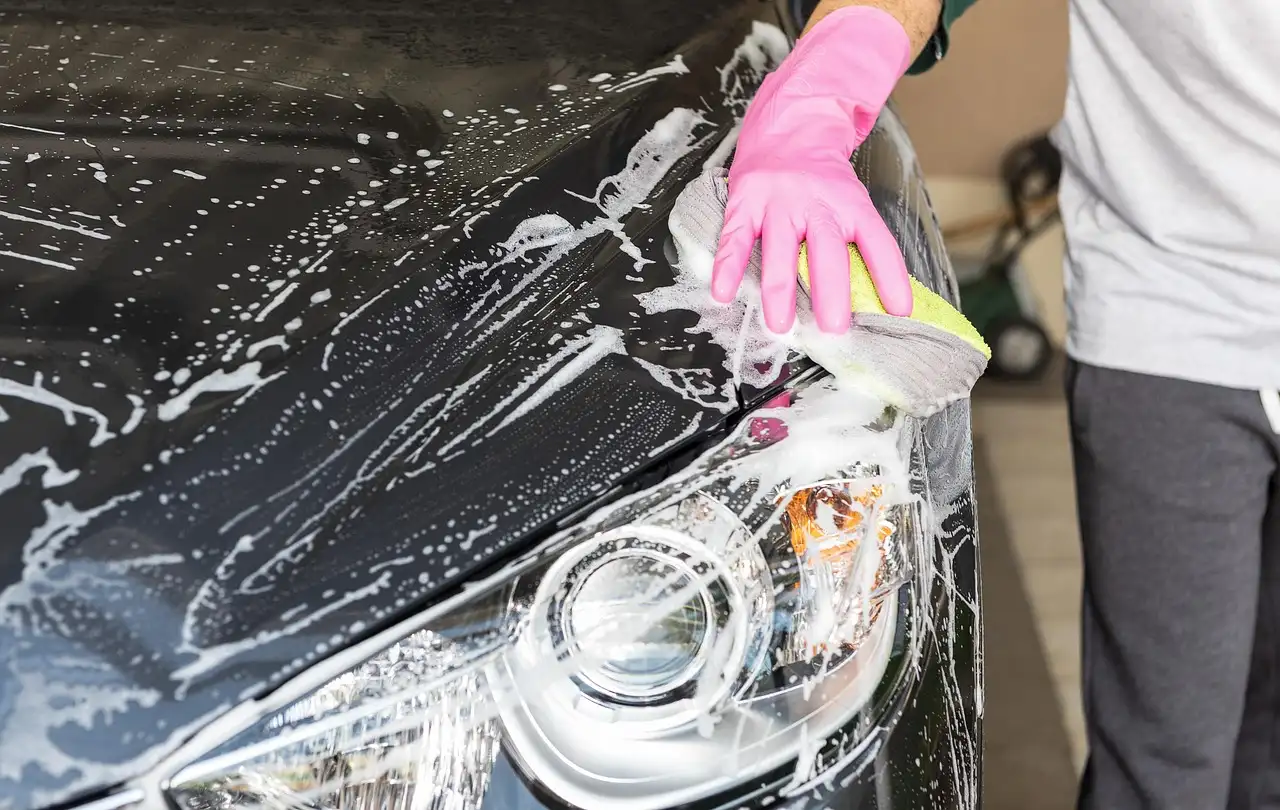
This is the budget pick if you want one bottle that handles routine washing without stripping protection. The gallon size and concentrate format make the cost per wash the point, not the shelf price. It is also a better fit for regular maintenance than harsh soap that can pull off wax too quickly.
The product details say it cleans and conditions in one step, and the manufacturer positions it as biodegradable. That combination makes sense for shoppers who want a safer wash soap with enough lubrication to reduce drag during contact washing.
The main drawback is that cheap soaps often promise more than they deliver. If a soap is too aggressive, it can strip wax or coatings. If it is too thin, it gives poor lubrication and less foam, which is where scratches start during hand washing.
Why dilution ratio changes the real cost
Concentrates stretch farther than ready-to-use bottles. That is the point of buying a gallon instead of a small trigger bottle: each wash uses a small measured amount, so the true cost per wash falls as the bottle lasts longer.
A pH-neutral shampoo produces thick foaming action and ultra-slick lubrication. Another recommends a semi-touchless wash soap with ultra-slick, thick foam, and says one bottle can last dozens of washes. Those are the traits worth paying for first.
When pH-balanced soap matters
pH-balanced soap is the safer default for cars with wax or coating still on the paint. It should clean road film without acting like degreaser. That is the difference between a wash product that preserves your current protection and one that shortens its life.
For budget buyers, the rule is simple: if a soap is only cheap because it is harsh, it is not a value buy.
All-purpose cleaner and interior protectant: best for cabin care?
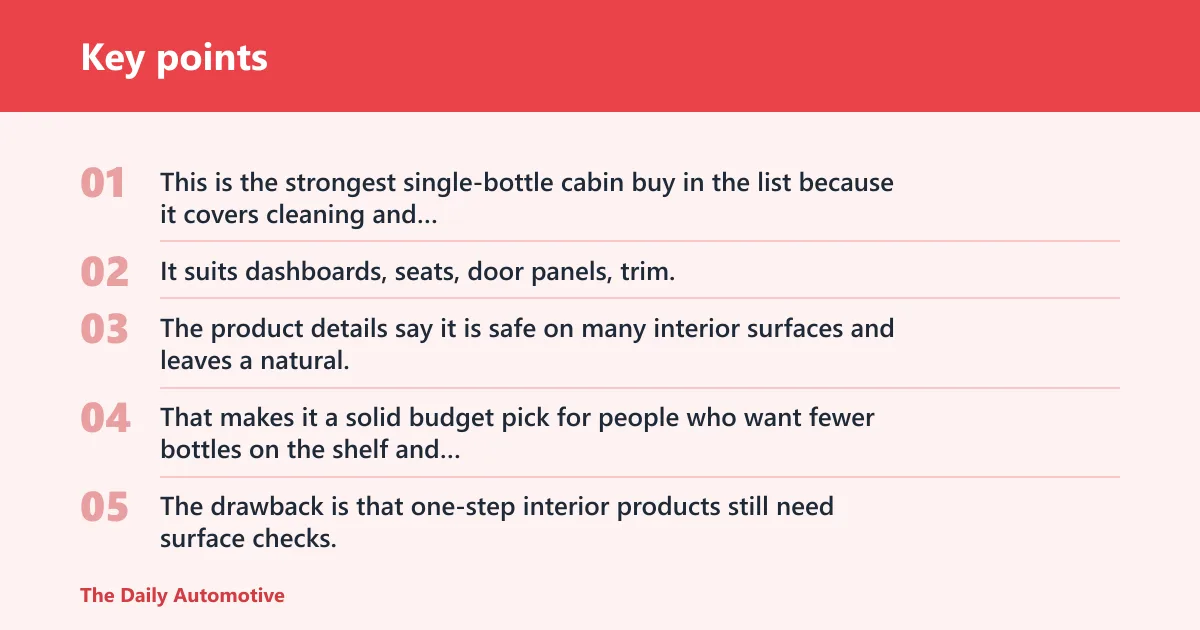
This is the strongest single-bottle cabin buy in the list because it covers cleaning and protection in one step. It suits dashboards, seats, door panels, trim, and glass when you want a factory-style finish without buying separate cleaners for every surface.
The product details say it is safe on many interior surfaces and leaves a natural, streak-free look. That makes it a solid budget pick for people who want fewer bottles on the shelf and fewer chances to buy overlapping products.
The drawback is that one-step interior products still need surface checks. A formula that works on vinyl and plastic may behave differently on matte trim or glass, so hidden-spot testing still matters.
Where APC fits and where it does not
An all-purpose cleaner belongs on dashboards, carpets, door jambs, and sometimes wheels. It can often be diluted for light cleaning, which helps stretch the bottle on dusty surfaces and fingerprints.
One budget interior cleaner is described as working on dashboards, vinyl, clear plastics, car seats, carpet, and fabric, with a stain-removing formula. That is the kind of spread you want from a low-cost cabin cleaner, because it reduces the need for several specialty bottles.
Do not treat APC as a one-size-fits-all wheel cleaner or leather conditioner. Use it where the label allows, and test on a hidden spot before you clean a visible panel or seat.
What makes an interior protectant worth buying
Look for a streak-free finish, UV protection, and a non-greasy feel. Those are value signals because they keep the cabin from looking oily or dusty after the clean.
A leather wipe product is positioned for leather seats, panels, and dashboards, and the cleaning gel is aimed at vents, cup holders, dashboards, and tight spots. Those are useful extras only if the main cleaner already covers the big surfaces. Otherwise, they become duplicate spend.
Wheel and tire care: best for brake dust and browning
This is the most efficient budget wheel product in the list for owners fighting brake dust and iron fallout. The formula is pH neutral and acid free, and it is made for wheels, metal, glass, and paint-safe decontamination where brake dust keeps coming back.
Its biggest advantage is that it handles embedded contamination that normal wash soap leaves behind. The color-change effect also helps show where the cleaner is working, which is useful when you are trying to avoid overusing product on a budget.
The drawback is timing. Wheel cleaner works best on cool wheels, and any iron remover can become a waste if you spray it on hot metal and rinse too early. Tire browning also may need a separate cleaner or dressing if the rubber is heavily neglected.
Why cool wheels matter
Hot wheels can dry product too quickly and reduce dwell time. That means you may spend more on cleaner for less result, which is exactly what budget shoppers want to avoid.
Use the wheel cleaner after the vehicle has cooled and before dressing the tires. That sequence keeps the brake dust job separate from the cosmetic tire finish.
Tire shine versus tire dressing
Water-based dressing usually gives a lower-gloss, more natural look. Glossy variants give a wetter shine and more curb appeal, but they can sling if applied too heavily.
If the car only needs presentable rubber for a weekly wash, a simple dressing is the better buy. If the tires are faded and the owner wants a more dressed appearance, a shine product can make sense, but it should not replace cleaning.
Clay kit and quick detailer: best for paint prep and touch-ups
This pick is for between-wash cleanup and light gloss. It is the most useful spray-on maintenance product in the list because it helps remove dust and bird droppings while adding water-beading protection and gloss.
The product details say it is a two-pack of 24 oz bottles, which helps lower cost per ounce compared with small single bottles. For a budget stack, that matters because quick detailers are easy to overuse if the bottle is tiny.
The drawback is scope. Quick detailer is not a substitute for a full wash, and it cannot fix bonded grime or heavy contamination. It is a maintenance spray, not a reset button.
When a clay mitt beats a bar
A clay mitt usually makes sense when the car needs quick decontamination and you want a tool that is easier to handle than a traditional clay bar. A clay bar kit still works well for focused paint prep, but both need lubricant and both are for bonded contamination like tar and sap.
If the paint feels rough after washing, clay belongs before wax or sealant. That step can make the next protection product work better and last longer.
Why quick detailer belongs in a budget stack
Quick detailer saves time after light dust, fingerprints, or fresh spots. It also helps when a full wash would be too much for a small mess, such as pollen on the hood or a bird dropping on the roof.
Use it with clean microfiber towels. Otherwise, the spray only moves grime around.
Budget car care ladder table
The ladder below shows three complete baskets by function, item count, and estimated cost per clean. The math is approximate and uses the product prices listed here, so the point is comparison, not a precise shop ledger.
| Basket | Product categories | Estimated item count | What each product replaces | Estimated cost per wash or clean |
|---|---|---|---|---|
| Ultra-budget | Microfiber towels, wash soap, interior cleaner | 3 items | Paper towels, old rags, separate interior sprays | About $0.50 per wash when the gallon soap is spread across many washes; interior clean cost varies by use |
| Balanced budget | Microfiber towels, wash soap, interior cleaner, wheel cleaner, quick detailer | 5 items | Single-use wipes, harsh wheel acid, extra gloss spray, duplicate cabin cleaners | About $1.00 to $2.00 per maintenance session, depending on how often the detail spray and wheel cleaner are used |
| Expanded budget | Microfiber towels, wash soap, interior cleaner, wheel cleaner, quick detailer, clay kit | 6 items | Separate decon products, premium one-job sprays, short-lived cheap bundles | About $2.00 to $4.00 per full maintenance session, with clay used only when paint feels rough |
Here is the basic math behind the ladder. A $11.68 towel pack spreads across dozens of jobs, a $17.98 gallon soap stretches far better than a small ready-to-use bottle, and a $19.30 two-pack of detail spray keeps the between-wash cost under control.
The best value is not the cheapest box on the shelf. It is the basket that covers your actual jobs without forcing you to buy the same function twice.
Which one should you buy?
Start with the minimum essentials first: microfiber towels, wash soap, and one interior cleaner. Add wheel cleaner next if brake dust is a real problem. Buy quick detailer only after the wash basics are covered, because spray gloss is useful, but it does not replace washing or drying.
If the car has decent paint and only needs routine maintenance, the ultra-budget basket is enough. If you want a cleaner wheel routine and better in-between upkeep, the balanced budget basket is the sweet spot. If the paint feels rough or you are trying to prep for wax, the expanded basket earns its place.
Say your sedan gets parked under trees and picks up sap on the hood once a month. A clay bar or mitt becomes worth it faster than another bottle of shiny spray, because bonded contamination needs a different tool.
A kit makes sense when it bundles one of each needed function, not when it gives you three interior sprays and no wheel cleaner. One guide calls out an all-in-one kit with eight essential products, including wash, wax, glass cleaning, and tire and wheel care. That is useful only if the kit does not duplicate the same cleaner twice.
Skip duplicates when a bundle contains both APC and an interior cleaner that do nearly the same job, or both detail spray and “paint gloss” in separate bottles. The cheapest basket is the one with the fewest overlapping products.
How to save money on car care products without buying junk
Buy concentrates, not tiny ready-to-use sprays, when the label supports it. Concentrates usually lower cost per wash because you pay for active cleaning power, not mostly water.
Check compatibility before buying. Interior protectants should leave a non-greasy finish, wheel cleaners should be safe for the wheel finish, and soaps should be pH-balanced or at least wax-safe. If a product cannot name the surfaces it is meant for, it is not a good budget buy.
Avoid the false economy of a cheap bundle that duplicates functions. A cleaning gel, a cabin wipe, and an APC can overlap more than you think. If you already have an APC and microfiber towels, a separate “all surface” cabin wipe may be extra cost, not extra value.
Keep towels clean and sorted. That one habit protects paint and makes the towels last longer, which is a bigger savings than shaving a dollar off a bottle.
How to make your own car care products
For most owners, the safer answer is to mix only what the label already allows, such as dilution for an APC. Homemade recipes can save money, but they also raise the chance of streaking, residue, or damage if the ratios are guessed instead of verified.
If you want the lowest-risk route, buy a concentrate and dilute it within the maker’s directions. That gives you lower cost per use without turning the garage into a chemistry experiment.
Frequently asked questions
What are the best car care products on a budget?
The best budget stack is microfiber towels, a pH-balanced wash soap, an APC or interior cleaner, wheel cleaner, and a quick detailer. Those five cover the main jobs without forcing you into specialty products that overlap or sit unused.
Which cheap car care products actually work?
Concentrated wash soap, lint-free microfiber towels, a safe APC, and a wheel cleaner for brake dust usually deliver the most value. Cheap products fail when they are too weak, too harsh, or too broad to do one job well.
What car care products are worth buying first on a tight budget?
Start with wash soap and microfiber towels. Then add an interior cleaner or APC. Wheel cleaner and quick detailer come next, because they improve the result but do not replace the basics.
Are affordable car detailing products safe for paint and interiors?
They can be, if you check surface compatibility and use the product as directed. Safe budget products are usually pH-balanced, non-greasy, streak-free, and clearly labeled for the surfaces they touch.
How much do budget car care products cost compared with kits?
Individual budget items can start around the low teens, while a kit may look cheaper upfront if it combines many jobs. The real comparison is cost per use. A kit only wins if it avoids duplicates and includes the products you will actually use.
What should I buy for basic interior and exterior car care on a budget?
Buy microfiber towels, wash soap, an interior cleaner, a wheel cleaner, and a spray detailer. That set covers the cabin, paint, wheels, and light touch-ups without forcing you into a full cabinet of specialty bottles.
What are the most affordable cars to maintain?
The most affordable cars to maintain are usually common models with broad parts support, simple maintenance needs, and strong reliability records. Fuel economy and tire size matter too, because a cheap-detailing routine does not offset high repair or tire costs.
Products related to this article
Sponsored / affiliate links. As an Amazon Associate I earn from qualifying purchases. I may earn additional commission from eligible campaigns.