Car Wash Supplies and Equipment Guide for Smart Buying
Buy car wash supplies and equipment in stages: start with a basic kit, add pressure-rinsing and drying upgrades next, and consider polishers or extractors only if you plan to bill for correction or interior work. I’ve seen people reverse that order and pay for it with scratched paint, wasted water and chemicals, and shelves full of tools that barely get used. This guide covers the minimum safe kit, sensible upgrades for home, mobile, and small-shop setups, and the buying mistakes that waste money.
If you only want the fastest buying answer, use this comparison table first and treat the product cards below as secondary examples rather than the whole decision.
| Use case | Buy first | Buy second | Buy later | Skip until needed |
|---|---|---|---|---|
| Home hand wash on a budget | Two buckets with grit guards | Microfiber mitts and drying towels | pH-neutral shampoo and wheel tools | Pressure washer, foam cannon, RO |
| Home setup with driveway access and frequent washes | Same safe wash basics | Pressure washer with correct fittings | Foam cannon and drying blower | RO unless spotting is a proven water issue |
| Mobile beginner | Safe wash basics plus dedicated wheel tools | Transport-safe pressure washer and hose management | Sediment filtration and tank planning | RO until water quality or finish standard justifies it |
| Small fixed-location detailer | Safe wash basics with towel rotation | Reliable pressure washer and drying process | Filtration matched to local water | Specialty extras that do not improve throughput |
What are the first three car wash items to buy?
Start with three things: a two-bucket wash system with grit guards, quality microfiber wash mitts and drying towels, and a pH-neutral car wash shampoo. That trio protects paint better than an entry pressure washer, foam cannon, or flashy chemical bundle because it keeps grit out of the wash media, cuts wash marring, and makes routine washing easy to repeat.
My own wash workflow starts there even when better machines are available. On dark paint, the biggest improvement usually comes from cleaner wash media and better drying discipline, not from adding more gadgets.
Two-bucket wash system with grit guards: the first safety buy
A two-bucket setup matters before any machine. One bucket holds shampoo solution, the other holds rinse water, and handwash businesses use a two-bucket wash system with grit guards. The reason is simple, the grit guard keeps heavier debris lower in the bucket instead of letting it ride back into the mitt.
The buying order is simple: buckets first, then grit guards, then clear labels. One bucket is for paint wash solution, one is for rinse. Wheel work needs separate tools and, ideally, its own bucket later.
In my test notes, the failure case here is almost always laziness rather than equipment. Once the rinse bucket turns gray and the mitt is still being dunked into the soap bucket without a proper rinse, marring goes up fast on lower doors and rear bumpers.
Microfiber wash mitts and drying towels: what prevents marring and water spots
Safe contact washing depends on soft-bristle or microfiber wash mitts, not sponge blocks or broom-style heads. Microfibre drying towels are listed as drying equipment, and they matter because I see plenty of fresh marring happen during drying, after the wash itself went fine.
Use one set of towels for paint, another for wheels, and keep those piles physically separate. Towel role matters. Drying towels need high absorbency and a soft touch, wheel towels can be older and clearly marked because brake dust is the grit you never want dragged across a hood.
My repeat failure case is dropped towels. If a drying towel or mitt touches the driveway, I stop using it on paint. That single habit has prevented more scratches than any soap upgrade I’ve tested.
pH-neutral car wash shampoo: the default soap for routine washing
The default wash chemical is pH-neutral car wash shampoo. The guide includes pH-neutral car wash shampoo as an essential chemical, and that is the right place to start for routine handwash and mobile work because it cleans without pushing the user into stronger chemistry before there is a reason.
A pH-neutral soap also keeps results predictable from wash to wash. Stronger cleaners have a place, but only on targeted jobs.
Use-specific recommendation: if you wash every week, keep one reliable pH-neutral soap as the baseline and add specialty chemicals only for wheels, bugs, or decontamination days. That keeps the shelf smaller and the process more repeatable.
Which six products make up a safe beginner car care kit
A reliable starter kit requires exactly six items: car wash soap, two wash mitts, microfiber towels, interior cleaner, glass cleaner, and tire cleaner. Buying advanced compounds like wax, polish, clay bars, or heavy dressings too early wastes money and often causes swirl marks, streaky windows, and greasy trim.
The full breakdown of beginner car care products explains what to purchase first, what to skip entirely, and the exact order to apply each item at home. Following this sequence protects your paint and keeps initial costs low while you build proper washing habits.
Evaluating Budget Car Wash Soaps
When selecting a high-performance car wash soap, balancing cost against protection is essential for weekly maintenance. Our detailed Mothers California Gold review breaks down its wash safety, foam behavior, and true cost-per-wash. The analysis highlights that while this budget option works well for hand washing sealed or waxed surfaces, it may strip protection faster than necessary if mixed at weak concentrations. Understanding these specifics helps you determine if this soap fits your routine or if a pH-neutral alternative better preserves your vehicle’s finish without excessive chemical stripping.
Evaluating Cleaning Kit Bundles
Buying individual supplies often leads to higher cumulative costs than purchasing a cohesive cleaning kit. A structured bundle typically saves money only when it offers a discount of 15% to 20% compared to buying items separately. The car cleaning kit cost guide details specific price ranges, noting that basic kits usually fall between $25 and $50, while mid-tier options range from $80 to $150. Understanding these tiers helps you avoid overpaying for unnecessary premium features or underinvesting in durable tools.
This analysis matters because it helps you calculate the true cost per wash. By comparing the longevity of included towels, mitts, and soaps against their individual retail prices, you can determine if a bundle genuinely lowers your maintenance expenses or if it is just a marketing tactic to sell low-quality consumables that require frequent replacement.
Prioritizing Detailing Purchases for a Small Business
Small detailing businesses lose money when they stock products out of sequence, leaving expensive bottles unused while customers wait for basic paint correction or interior protection. A practical inventory follows a strict order: wash and decontaminate first, then correct, protect, and finish.
This framework splits twelve core items into first-purchase essentials, second-round additions, and scale-up supplies so a solo operator spends cash where it generates immediate revenue. Matching each product tier to your service menu prevents overbuying before you have enough jobs to justify the cost. The full breakdown of small business detailing products includes budget tables that show exactly what to buy at every growth stage.
When DIY Detailing Beats Professional Pricing
A car detailing kit pays for itself after roughly 1.5 professional services, making it the logical choice for drivers who detail twice yearly or more. However, buying the wrong tools or applying incorrect technique can scratch paint and render the purchase useless. This distinction between adequate ownership and effective maintenance is critical. Car detailing kit value breaks down the exact ownership math, essential component lists, and specific driver profiles for whom a full kit outperforms paying a professional per wash. It defines what works, what fails, and where the cost advantage actually begins.
Calculating the True Cost of Your Car Care Inventory
Before committing to specific brands or bulk purchases, you need a clear picture of your financial commitment. Our detailed cost analysis breaks down the upfront price of starter kits, the recurring expense of refills, and the hidden costs of accessories like microfiber towels and foam cannon nozzles. It also compares the savings from buying bundled sets versus purchasing individual items, helping you avoid over-spending on duplicate supplies. Understanding these variables ensures your budget aligns with your washing frequency and detailing depth.
For a complete itemized list of prices, including specific figures for wash soaps, interior cleaners, and protective products, see car care product costs.
Must-have

Adam’s Polishes bucket and grit guard 2-pack
Based on specs and reviews, this Adam’s Polishes 5 Gallon Bucket + Grit Guard 2 Pack is the cleanest first purchase for a home washer. The value is not the bucket by itself. It is that the setup already matches the safe wash order: two buckets, grit separation, and enough capacity to rinse a mitt properly.
Its best use case is any home hand wash, plus small detailing operators building a first safe contact-wash station. The drawback is price. At $58.49, it costs more than a hardware-store bucket pair, so the buyer is paying for convenience and detailing-specific fit, not some huge jump in cleaning power.

Chemical Guys chenille microfiber wash mitts
Based on the spec sheet, owner feedback, and this category’s usual use, the Chemical Guys Chenille Microfiber Wash Mitt 2 Pack fits the minimum safe kit well. A mitt like this pulls dirt away from the paint better than a flat sponge, and the second mitt helps keep one for upper panels and one for lower, dirtier panels.
The drawback is management, not material. Microfiber stays safe only if it stays clean. If these mitts get dropped or reassigned to wheel duty, the advantage disappears fast.

Turtle Wax Pure Wash pH-neutral car soap
This Turtle Wax Pure Wash Foaming pH Neutral Car Soap belongs in the first cart because the chemistry suits regular maintenance washing. Based on specs and reviews, the appeal is straightforward: pH-neutral foam, broad surface compatibility, and routine-use logic without pushing a strong cleaner into every wash.
The drawback is that soap alone will not fix bonded contamination, brake dust buildup, or hard-water spotting. Buyers often expect shampoo to do jobs that shampoo cannot do.
Wheel and tire tools: separate brushes, separate towels, separate chemistry
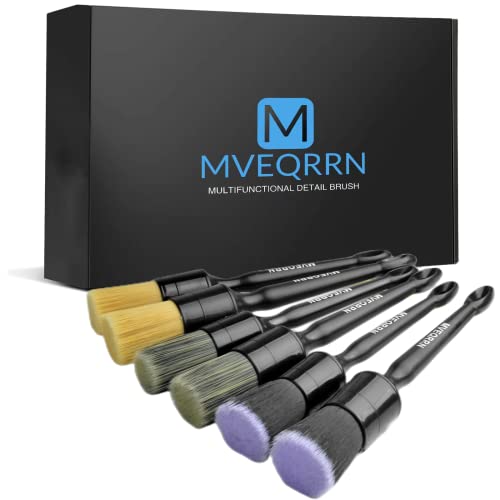
Dedicated wheel and tyre brushes are recommended. Use a stiff-bristle brush on tires, a softer bristle brush on alloy rims, and keep both away from painted panels. That split matters more than brand choice because wheel grime carries metallic debris that scratches paint with very little pressure.
Wheel and brake dust cleaner is included among core cleaning chemicals. Use it only in the wheel-cleaning stage. Do not dip paint mitts into wheel buckets, and do not reuse wheel towels for door jambs or lower rocker panels unless they are permanently demoted.
In real use, the ugliest failure cases come from tool crossover. The wheel brush looks clean, gets used on lower paint once, and now the tiny metallic grit that was invisible in the bristles is doing the damage.
Hose, nozzle, and basic water supply before a pressure washer
A hose is enough for many home washers if the paint is washed carefully and dried well. The hose setup needs steady water flow, a shutoff nozzle that does not leak, and enough reach to move around the vehicle without dragging the hose across the bodywork.
This is where many buyers should stop and think before ordering a pressure washer. If the current hose setup cannot rinse a mitt well or flush a wheel barrel properly, then a machine upgrade makes sense. If it can, better towels may improve results more.
My workflow note here is simple: a kink-free hose on a decent nozzle saves more time over a month than chasing a weak machine that needs adapters, resets, and babying.
Mistakes that damage paint in the wash stage
The common failures are boring and expensive. Using one brush set everywhere. Using stiff brushes on paint. Letting wash media touch the ground, then carrying on. Drying with poor towels. Mixing soap too strong, then rubbing harder when rinse performance gets worse.
The safest wash order is top-down, clean areas first, dirtiest areas last. Wheels get separate tools. Lower panels get their own attention.
If I had to rank the mistakes by damage in normal driveway washing, it would be cross-contamination first, poor drying second, and rushing the rinse stage third.
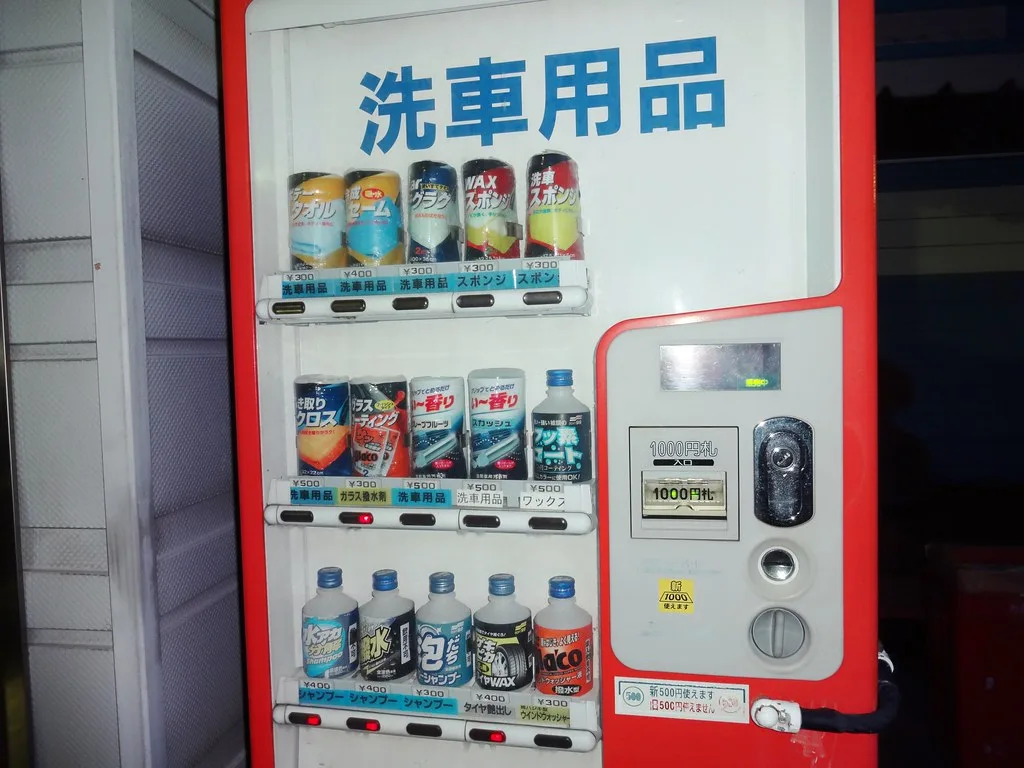
Do I need a pressure washer or is a hose enough?
A hose is enough for careful home washing, especially when the car is maintained often and the wash kit is sound. A pressure washer earns its keep when rinse speed, wheel cleaning, foam cannon use, or job volume starts to matter. Buy one for what it fixes, not because it looks more serious in the driveway.
When a hose is fine for home washing
For one or two household vehicles washed regularly, a hose can work very well. The key is controlling contact wash risk with the two-bucket method, proper mitts, and smart drying. A hose setup also avoids one common mistake I see all the time, buying a weak pressure washer that adds hassle without better cleaning.
Budget recommendation: if you wash one car every week or two and can park in shade, I would put the next dollars into better towels and wheel-only tools before machine gear.
How to choose a pressure washer for car washing
A minimum 1,500 PSI pressure washer is listed for washing equipment. That is the floor for smaller operations and serious home users. Commercial pressure washers are recommended at 2,000–3,000 PSI, which is where small fixed-location detailing work starts to make sense if volume is steady. Industry guidance from the Cleaning Equipment Trade Association and manufacturer guidance from Kärcher both stress matching output to the job rather than chasing the highest advertised number.
PSI is only part of the story. Flow, hose length, fitting quality, and power source matter. Some entry units look fine on paper but disappoint because foam cannon performance depends on both pressure washer output and the cannon’s orifice setup. Short hoses and weak fittings also create daily frustration long before the pump itself fails.
My test-note version of this: two machines with similar PSI numbers can feel completely different once you add a 50-foot hose, quick connects, and a cannon. The better daily unit is usually the one with steadier output and less adapter nonsense.
Portable transport-rated units for mobile setups
Mobile operators need transport-rated portable units that can handle loading, tie-down, movement, and use away from a fixed water source. The machine has to fit the vehicle, the available power, and the way water is drawn from the tank. That matters more than chasing the biggest advertised number on the box.
For mobile work, I recommend choosing the washer after the vehicle payload and tank plan are known. Water weighs about 8.34 pounds per gallon according to the U.S. Geological Survey, and cargo must be secured per FMCSA cargo securement rules. That reality changes what is practical very quickly.
Why some small machines disappoint with foam cannons
Foam cannon complaints often come from compatibility, not bad soap. Threading may need adapters. Quick connects may not match the lance. Some small pressure washers do not supply the output the cannon expects, so the foam comes out watery and the cannon gets blamed.
Buyers should check threading, included fittings, hose standard, and whether replacement washers and adapters are easy to source. A machine that cannot hold stable output will never be a good foam-cannon partner. Cannon makers and washer manufacturers routinely note minimum pressure, flow, and connector compatibility in their setup instructions, which is why I treat foam quality complaints as a system problem first, not a soap problem.
Do I need a foam cannon for washing cars?
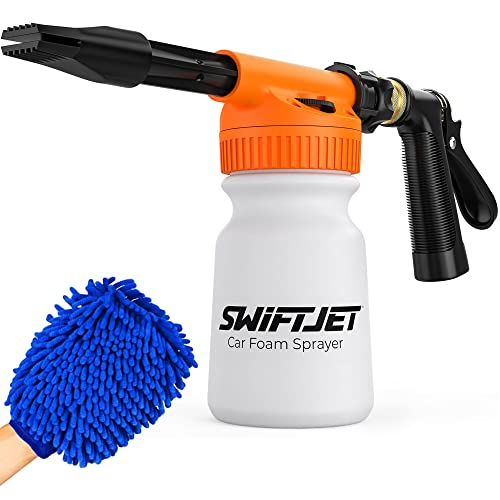
A foam cannon is useful, but optional. It applies pre-soak through a pressure washer setup, helping soften road film before the contact wash. It makes the most sense for frequent washers, mobile operators, and small-volume detailers who want faster pre-treatment. It makes less sense when the pressure washer itself is weak or rarely used.
What a foam cannon actually does in the pre-soak stage
The foam cannon’s job is pre-soak application. It lays shampoo solution on the surface so dirt loosens before a mitt touches paint. That can cut wash friction, especially on cars with heavier road film, but the cannon is not a replacement for a safe contact wash.
In practice, I see the biggest benefit on neglected lower panels, bug-heavy front ends, and winter road film. On a well-kept garage car, the improvement is real but smaller than people expect.
Who benefits most
Weekly home washers benefit if the pressure washer is already part of the routine. Mobile operators benefit because pre-soak speeds up repeated exterior jobs. Small-volume detailers benefit when wheel wells, lower panels, and bug-heavy fronts need more softening before mitt contact.
If the buyer still lacks good buckets, mitts, and towels, the foam cannon is not the next buy. It is an upgrade after the minimum safe kit is already covered.
Best fit by setup type: home hobbyists should buy a cannon only after confirming they actually use the pressure washer often; mobile operators should buy it sooner if throughput matters; fixed-location detailers should buy it when it trims real labor time across multiple cars each week.
Compatibility notes that matter before buying
Check cannon threading, adapter availability, quick-connect standard, and pressure washer output. Also check whether the lance clears the user’s hose setup without leaks. Entry pressure washers sometimes underperform with foam cannons because the machine, the cannon orifice, and the soap dilution do not match.
That compatibility point is not guesswork. Pressure-washer and foam accessory makers publish connector and output requirements because foam tools are not universal across consumer machines. If a washer is at the very low end of pressure and flow, the result is usually thinner foam and more fiddling.
Choosing the Right Spray for Light Cleaning and Gloss
Selecting between detailing spray, quick detailer, finishing spray, and ceramic detailer depends entirely on surface condition and desired outcome. Quick detailers safely remove light dust and fingerprints from clean paint, while finishing sprays add gloss after washing or between maintenance sessions. Ceramic detailers specifically maintain coated surfaces. Using the wrong product on dirty panels risks scratching or smearing residue.
This spray selection guide breaks down each product by job type, safe application methods, and real-world scenarios to prevent paint damage and ensure proper protection levels.
When to Use (and Avoid) Armor All Wipes for Interior Cleaning
Armor All Car Cleaning Wipes excel at removing dust and light grime from hard surfaces like dashboards and trim—but they’re not a universal solution. Their solvent-based formula can streak, leave residue on glossy plastics, or damage touchscreens if left to dry. This review breaks down which surfaces they handle safely (e.g., vinyl, metal) and where they fall short, helping you decide if they’re worth stocking for quick touch-ups or if a dedicated cleaner is better for your needs.
For a detailed look at their performance, storage life, and comparisons to other wipes, check out the Armor All wipes review.
Choosing a pH-Neutral Soap for Coated Paint
Chemical Guys Mr. Pink works best as a maintenance wash soap for vehicles already protected with wax, sealant, or ceramic coating. Its mild formula lifts light dirt without stripping those protective layers, but it lacks the cleaning power needed for neglected paint caked in heavy road film.
Correct dilution matters to avoid wasting product or leaving residue behind. The recommended ratio is one to two ounces per five-gallon bucket, or one ounce when using a foam cannon. For detailed dilution charts and a breakdown of when a stronger alternative makes more sense, see this Mr. Pink soap review.
Nice-to-have
Drying blower or air blower
A drying blower cuts towel contact where towels struggle most: mirrors, trim, badges, grilles, emblems, and door shuts. Handheld air blowers are listed at 1–3 HP. That makes them a sensible speed upgrade for home enthusiasts and a useful workflow upgrade for mobile or small-shop operators.
They are not magic. A blower will not replace absorbent drying towels on broad wet panels. It works best as a finishing tool that pushes trapped water out before the final towel pass.
My use case recommendation is simple: if you regularly fight mirror drips and trim drips after the car leaves the wash bay, a blower is worth more than another specialty soap.
Water filtration upgrades
A sediment filter is the minimum filtration recommendation. Start there if water quality is visibly poor or if a mobile setup is pulling from inconsistent sources. An RO unit is recommended for spot-free results, but that is an upgrade for hard-water areas, darker paint, or higher finish standards, not an automatic requirement for every home wash.
For mobile work, a compact RO unit is suggested for mobile water systems when self-contained service and better rinse quality matter. The mistake to avoid is buying RO first when the real problem is still poor washing technique or bad drying towels. For the underlying claim, reverse osmosis is widely used to reduce dissolved solids and improve rinse quality; see the EPA home drinking water filtration fact sheet and the Water Quality Association overview of reverse osmosis.
Extra wash media, dedicated brush sets, and hose management
A second or third mitt, extra drying towels, wheel-only towels, and better hose management usually beat novelty accessories. The payoff is simple: cleaner tools, fewer wash interruptions, and less cross-contamination risk.
Use color separation or labeled bins. Paint towels and wheel towels should never sit in the same pile.
If I were allocating a small upgrade budget, I would buy extra towels and hose-management parts before I bought one more bottle of niche chemistry.
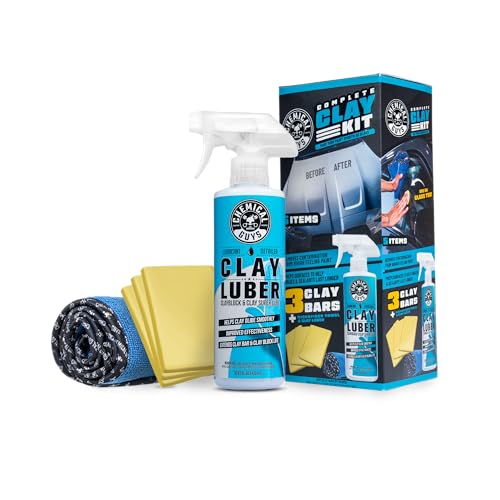
Chemical Guys complete clay bar kit
Based on specs and reviews, this Chemical Guys Complete Clay Bar Kit is a useful step-up after the wash stage is already sorted. It targets bonded contamination that shampoo leaves behind, and it fits decontamination days better than every routine wash.
The drawback is misuse risk. Clay on dirty paint can add marring, and some buyers jump into claying before they have a safe wash routine. This is an upgrade, not a first purchase.
What improves results versus what only adds steps
Better drying tools, cleaner water, and proper wheel-tool separation improve results. Buying six chemicals for one wash rarely does. So does adding correction tools before the wash process is stable. The wash stage is where paint gets protected or damaged. Fancy extras do not change that.
My rule is that any new item should either reduce paint contact, reduce spotting, or reduce setup time. If it does none of those, it is usually just one more thing to store.
What changes between a hand wash setup, a home pressure washer setup, and a mobile car wash setup?
The difference is workflow, water control, and job volume. A hand wash setup is the lowest-cost and safest place to start. A home pressure washer setup adds speed and pre-soak options. A mobile setup adds water storage, transport limits, filtration needs, and power constraints, which shifts buying priorities away from hobby extras and toward gear that works every day.
Home hand wash: lowest cost, lowest complexity
This is the right starting point for most readers. Buy the safe basics first, then improve drying and water quality if results justify it. Space needs are modest, setup time is low, and a hose is often enough.
If your budget is tight, this is the setup I would recommend almost every time. It teaches clean technique before machine complexity gets layered on top.
Home pressure washer setup: speed and rinse performance
This setup makes sense when wheels, lower panels, and repeated washes are taking too long with a hose. It also opens the door to foam cannon use. The added complexity is fittings, hose storage, and making sure the machine is strong enough to justify owning it.
Use-specific recommendation: this is best for households with multiple vehicles, muddy routes, or frequent winter grime.
Mobile setup basics: tank, filtration, transport, and power
Mobile setups may use a 50–250 gallon water tank. Tank size depends on jobs per day, vehicle size mix, and whether the service is rinse-heavy or tightly controlled. Under-sizing here is one of the costliest beginner mistakes because running short mid-route wrecks the schedule.
Pair the tank with at least a sediment filter, and consider a compact RO unit when local water causes persistent spotting or the finish standard is higher. Then make sure the pressure washer, hose reels, and blower all fit the vehicle and power plan without turning into load-and-unload headaches.
The practical guidance here comes down to payload, securement, and route planning. A half-full oversized tank that shifts weight badly is worse than a right-sized tank that is safely mounted and matched to daily job count.
Small fixed-location detailing setup: when business-grade gear pays back
Business-grade wash gear starts to pay for itself when volume, water control, or workflow is the constraint. That usually means a pressure washer in the 2,000–3,000 PSI range, cleaner hose management, a better drying process, and filtration that matches customer expectations rather than hobby convenience.
For a small shop, I would prioritize repeatability: hose reels that do not fail, enough towels to rotate properly, and water quality that does not force rework.
The car wash supply map
How to read the tiered map by use case, compatibility, and purchase order
Use the table below in order, left to right. Must-have means buy before upgrades. Nice-to-have means buy when either speed or finish quality is clearly the bottleneck. Business-grade means skip it until volume, workflow, or water control makes the case.
| Tier | Item | Use case | Compatibility notes | Buy first for home | Buy first for mobile | Buy first for small detailing |
|---|---|---|---|---|---|---|
| Must-have | Two-bucket wash system with grit guards | Routine contact wash with lower paint contamination risk | Works with mitts, shampoo, wheel-tool separation | Yes | Yes | Yes |
| Must-have | Microfiber wash mitts and drying towels | Safe wash contact and drying | Keep paint, wheel, and jamb towels separate | Yes | Yes | Yes |
| Must-have | pH-neutral car wash shampoo | Routine exterior washing | Safe with hand wash and foam cannon dilution plans | Yes | Yes | Yes |
| Must-have | Wheel and brake dust cleaner | Wheel-cleaning stage | Use with dedicated wheel and tire brushes only | Yes | Yes | Yes |
| Must-have | Wheel and tire brushes | Tire scrubbing and alloy rim cleaning | Stiff bristle for tires, soft bristle for rims, never on paint | Yes | Yes | Yes |
| Nice-to-have | Pressure washer | Faster rinse and pre-soak support | Minimum 1,500 PSI; foam cannon output varies by machine and fittings | After basics | Early | Early |
| Nice-to-have | Foam cannon | Pre-soak application | Needs pressure washer compatibility, threading, quick connects, proper output | After pressure washer | After pressure washer | After pressure washer |
| Nice-to-have | Drying blower | Mirrors, trim, badges, door shuts | Handheld air blowers are listed at 1–3 HP | Later | Early if speed matters | Early if throughput matters |
| Business-grade | Sediment filter and RO system | Water quality control and spot-free rinsing | Sediment filter minimum; RO recommended for spot-free results | Only if water is the issue | When spotting hurts workflow | When finish standard demands it |
| Business-grade | Mobile water tank | Self-contained mobile service | 50–250 gallon range; pair with compact filtration or RO plan | Skip | Yes | Skip unless off-grid work |
Supporting citations for the table: the PSI ranges above align with common pressure-washer buying guidance from Kärcher; the RO and filtration guidance is consistent with the EPA and WQA; mobile tank planning should account for water weight from the USGS and securement rules from FMCSA.
Use the supply map to avoid waste
- Buy every must-have before any machine upgrade.
- Add a pressure washer only when rinse performance or job volume is the bottleneck.
- Add a foam cannon only after confirming washer output and fitting compatibility.
- Add filtration when spotting is proven to be a water problem, not a towel problem.
- Move into business-grade gear when workflow limits revenue or schedule capacity.
Consumables and spares
Essential chemicals: what stays on the shelf
For the wash core, keep the shelf lean: pH-neutral shampoo and wheel/brake dust cleaner. That covers routine paint washing and wheel contamination without overbuying. Glass cleaner can wait if the current glass routine is already handled outside the wash kit.
My shelf preference is one reliable maintenance soap, one wheel cleaner, one drying aid only if local water is tricky, and then enough towels to stay disciplined.
Towel rotation, wash media replacement, and grit guard cleanup
Towels age out by task. Paint drying towels should be retired before they get rough. Wheel towels can be demoted from older paint towels, but only once they are clearly separated. Mitts that stay dirty after washing are no longer safe enough for paint.
Clean grit guards too. They only help when the trapped debris is removed instead of left caked in the bucket.
In real use, this is where many “mystery scratch” problems begin. Old towels and contaminated mitts keep getting reused because they still look serviceable from a distance.
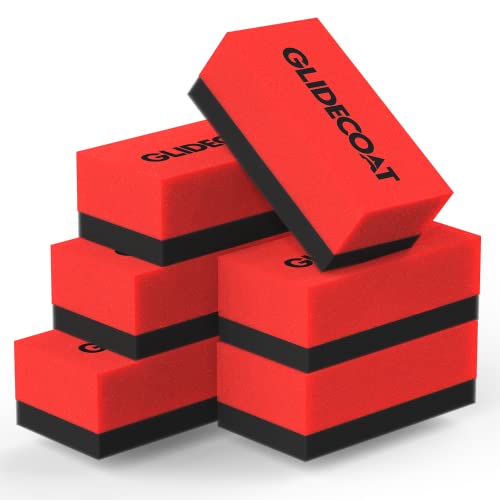
Glidecoat ceramic coating applicator sponges
These Glidecoat Ceramic Coating Applicator Sponges belong in spares only if coating work is already part of the service menu. Based on specs and reviews, they are purpose-built for coating application, but they sit outside the core wash setup and are easy to buy too early.
The drawback is obvious: if the buyer is only washing cars, this money should go to more towels, spare hose washers, or wheel-only brushes first.
Small failures worth stocking
Keep hose washers, quick connects, spare spray-nozzle seals, extra trigger fittings, and foam cannon parts on hand if the setup depends on them. These are the cheap failures that stop a wash day cold.
I’ve lost more time to missing seals and leaking quick connects than to any expensive machine failure. Small spares are boring, but they are what keep a wash workflow moving.
Budget setups
What to buy now and what to delay
The value threshold is simple. Spend first where failure causes paint damage or repeated frustration. Delay specialty decontamination and coating tools until the basic wash process is stable and repeatable.
| Setup | What it includes | Products from this guide | Price shown | Delay until later |
|---|---|---|---|---|
| Starter | Buckets with grit guards, wash mitts, pH-neutral shampoo | Adam’s Polishes bucket set; Chemical Guys mitts; Turtle Wax Pure Wash | $96.47 | Clay kit, coating applicators, foam cannon |
| Mid | Starter setup plus contamination removal support | Starter setup + Chemical Guys clay bar kit | $121.44 | Coating applicators if no coating work is planned |
| Serious wash-plus-finish | Mid setup plus coating application tools | Mid setup + Glidecoat applicator sponges | $141.39 | Nothing from this product list; next spend should target machine workflow |
My buying recommendation by budget and setup type: the Starter setup is the right move for almost every home user, the Mid setup fits enthusiasts dealing with bonded contamination a few times a year, and the Serious wash-plus-finish setup only makes sense if you already know coating work is on the plan.
Frequently asked questions
What supplies do I need for washing a car at home?
The safe minimum is two buckets with grit guards, microfiber wash mitts, microfiber drying towels, pH-neutral car wash shampoo, dedicated wheel and tire brushes, wheel cleaner, and a hose with a decent nozzle. That order matters more than buying a machine first because it cuts paint contamination risk at the source.
What equipment do I need for a proper car wash setup?
A proper setup starts with the minimum safe wash kit, then adds a pressure washer, foam cannon, drying blower, and filtration only when those solve a real problem. Proper means compatible and role-based: separate paint and wheel tools, proper hose fittings, and drying tools that do not drag contamination across paint.
What is the difference between a hand wash setup and a mobile car wash setup?
A hand wash setup relies on household water, low complexity, and a short equipment list. A mobile setup adds tank capacity, transport-safe gear, filtration choices, power planning, and route-based workflow. Mobile service may use a 50–250 gallon water tank, so supply planning becomes as important as wash technique.
What equipment is worth buying first for a small car wash business?
Buy the paint-safe basics first, then the machine gear that removes bottlenecks: a two-bucket system with grit guards, quality mitts and towels, pH-neutral shampoo, wheel brushes and wheel cleaner, then a pressure washer, better drying, and filtration when water quality or job volume starts hurting workflow.
Sources
- Kärcher pressure washer buying guide for output/job matching and consumer pressure-washer selection context.
- Cleaning Equipment Trade Association for industry context on pressure-washer categories and safe equipment selection.
- EPA home drinking water filtration fact sheet for filtration and treatment context.
- Water Quality Association reverse osmosis overview for RO function and dissolved-solids reduction context.
- U.S. Geological Survey water density reference for water weight guidance used in mobile tank planning.
- FMCSA cargo securement rules for transport and load-securement considerations in mobile setups.
Products related to this article
Sponsored / affiliate links. As an Amazon Associate I earn from qualifying purchases. I may earn additional commission from eligible campaigns.