Best Car Cleaning Products for Interior (2026): we compared
The best car cleaning products for interior match the surface: APC or interior cleaner for vinyl and plastic, fabric cleaner for cloth seats and mats, leather cleaner/conditioner for leather, and glass cleaner for windows. Pick the wrong one and you can leave residue, stain fabric, or dry out trim, which means more work and a higher repair risk. This guide shows what to buy by surface, mess type, and cleanup time so you can pick one product fast.
This guide is part of our Car wash supplies and equipment guide series.
Quick comparison
| Product | Badge | Best for | Price | ||
|---|---|---|---|---|---|
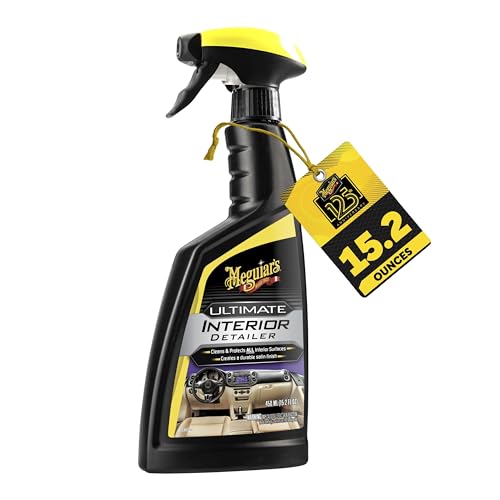 |
Meguiar’s Ultimate Interior Detailer Spray, 15.2 OzMeguiar’s | Our pick | 15.2 oz spray for all interior surfaces | $8.00
Price as of 27 Sep 2026
|
View |
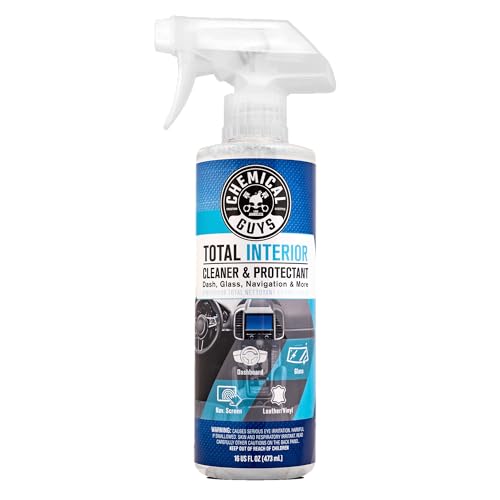 |
Chemical Guys, Total Interior Cleaner, Protectant & CarChemical Guys | Also great | 16 oz all-in-one cleaner and protectant formula | $11.97
Price as of 27 Sep 2026
|
View |
If you want one default buy, start with an all-purpose interior cleaner. If your cabin has leather seats, screens, or heavy fabric stains, a second product usually pays for itself fast.
How we chose
The shortlist centers on surface safety, finish quality, speed, and value. That means a cleaner had to work on common cabin materials, leave a matte or streak-free finish, fit either quick wipe-downs or deep-clean jobs, and avoid turning a small mess into a sticky one.
Value matters too. A bottle that cleans more surfaces, or a wipe pack that gets the console done before a school run, often beats a stronger product that gets used twice a year.
Tools count as part of the system. Microfiber cloths, detailing brushes, and a vacuum do more for results than a more aggressive spray with the wrong cloth.
All-purpose interior cleaner: best for most cabins
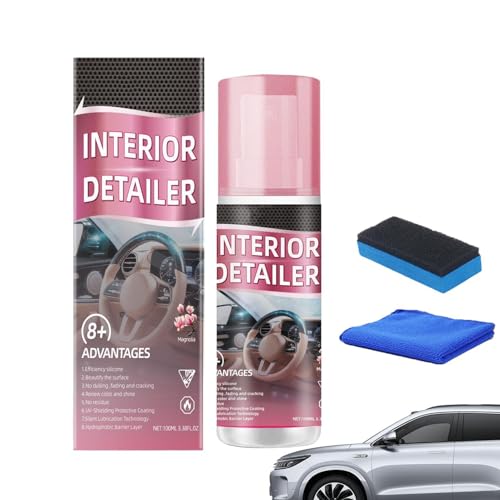
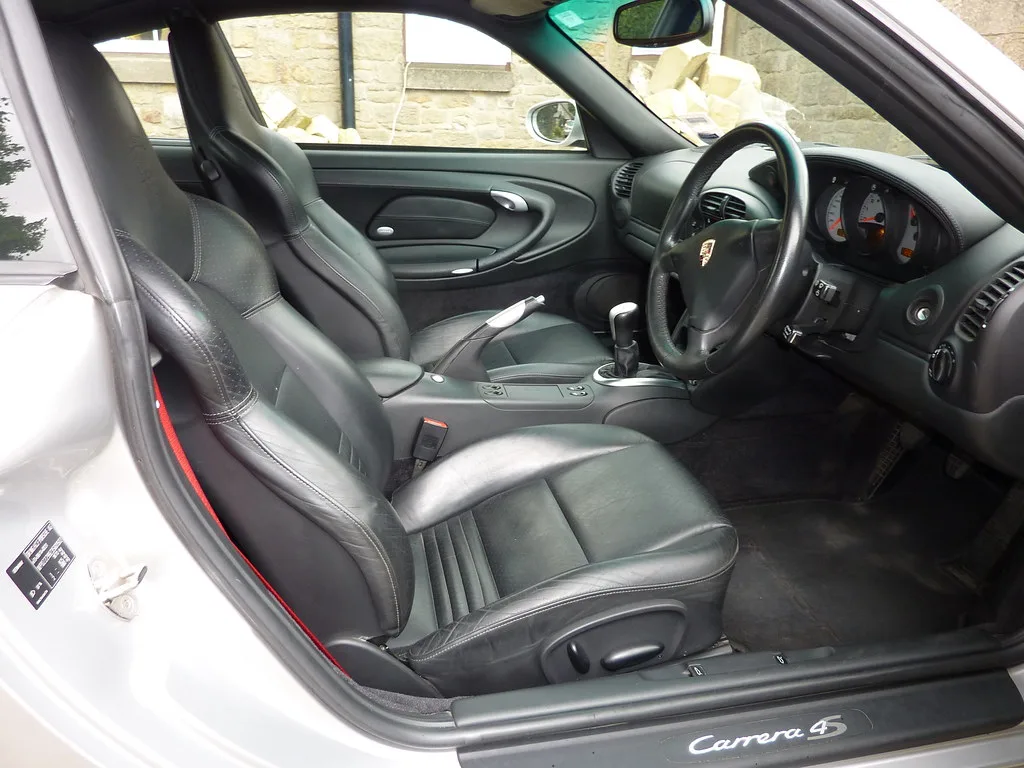
This is the default buy for most drivers because one interior cleaner can handle dash, door panels, vinyl, plastic, and some fabric without leaving the cabin shiny or greasy. Based on the spec sheet and owner feedback, Chemical Guys Total Interior Cleaner, Protectant & Car Detailer is the kind of product that fits weekly upkeep and light messes better than a specialty bottle.
It is the right starting point when the cabin has dust, finger marks, road film, and a little grime in mixed materials. The appeal is simple: spray, wipe, and move on. That matters if you clean on a lunch break or do quick resets after kids, pets, or commuters.
The drawback is also simple. One bottle does not replace a fabric cleaner for set-in seat stains, a leather conditioner for neglected hides, or a true glass cleaner for stubborn windshield film. On piano black trim and screens, a light hand and the right microfiber cloth still matter.
Good Housekeeping named Chemical Guys Total Interior Cleaner and Protectant best value, and Car and Driver selected it as best overall. That lines up with the real-world use case: one bottle for a lot of interior material, with less need to keep four cleaners in the trunk.
Where it works well
Use an all-purpose interior cleaner on dashboards, door cards, hard plastic, vinyl, center consoles, and lightly soiled cloth areas. It is also the most practical choice for dust, sunscreen haze, and general fingerprints when the cabin is not heavily stained.
When to pair it with tools
Pair it with separate microfiber cloths for plastics, leather, and glass. Add a soft detailing brush for vents, switchgear, cupholders, and seat seams, because spray alone will not lift debris from tight edges.
What not to expect
Do not expect one bottle to erase baked-on coffee, old pet odors, or deep fabric discoloration in a single pass. For those, a dedicated fabric cleaner, odor neutralizer, or leather kit earns its place.
Leather cleaner/conditioner kit: best for leather seats
A leather cleaner/conditioner kit is the right buy when your seats, steering wheel, or door inserts are leather and you want a two-step clean-and-protect routine. It removes body oils and grime, then leaves a protective layer that helps slow drying, cracking, and future staining.
Good Housekeeping listed Furniture Clinic Large Leather Care Kit as best for leather, which matches the basic logic here: leather benefits from cleaning plus conditioning, not just surface wipe-downs. That matters most on bolsters, stitching, and the driver’s seat, where wear shows first.
Use it when leather has lost its clean, even look or when high UV exposure hits the dashboard and seat backs. The drawback is that it is the wrong tool for perforated leather if you flood the holes, and it is not for Alcantara or similar suede-like trims. Coated leather also needs a gentle touch, not soaking.
Why leather needs its own product
Leather dries out differently from vinyl or plastic. A cleaner made for hard trim can strip too much surface conditioning, while a conditioner-only product can leave dirt trapped in the grain.
How UV changes the call
Sun exposure pushes the decision toward a cleaner/conditioner kit plus an interior protectant with UV blockers for the dash and sun-facing trim. If the cabin sits in the sun all day, protection matters more than a fresh scent.
Interior cleaning wipes: best for quick touch-ups
Interior cleaning wipes are the fastest answer for fingerprints, cupholder rings, rental return cleanups, and road grime that needs to disappear before the next trip. Carmechan says Armor All Car Interior Cleaner Wipes are its recommended best deal, and the format makes sense for drivers who care more about speed than full-detail results.
The benefit is convenience. Pre-moistened wipes are easy to keep in a glove box or door pocket, and Carmechan notes they clean dash, vinyl, fabric, carpet, and consoles. For quick jobs, that coverage is enough.
The limit is capacity. Wipes struggle with heavy soil, sticky soda, and deep seat stains. They can also leave streaks or lint if the surface is filthy or the wipe dries out halfway through the job, so a spare microfiber cloth still helps.
Best use cases for wipes
Keep wipes for touch-ups after kids, food stops, or commute dust. They are also useful when you need to clean one panel, one screen border, or one cupholder without opening a full kit.
Where wipes fall short
They are not the first choice for embedded seat dirt, mold smell, or a winter salt mess in carpet. Those jobs need a stronger cleaner, more agitation, and sometimes a vacuum first.
Screens and glass: best for infotainment and windows
A glass and touchscreen-safe cleaner belongs in the kit if you have tinted windows, an infotainment screen, or piano black trim that shows every streak. It should be ammonia-free and streak-free, because harsh glass cleaners can haze screens and create more wipe marks on sensitive surfaces.
Reflections Detailing describes Adam’s Glass Cleaner as streak-free and ammonia-free, which is the type of spec you want when you are cleaning touchscreens and windows in the same pass. The right product should cut film without leaving a slick layer behind.
Do not use a standard glass cleaner on screens or tint unless the label clearly says it is safe. The drawback of a dedicated screen cleaner is simple: it is another bottle to keep in the cabinet. Still, it is one of the few separate buys that pays off immediately.
What to avoid on screens
Avoid ammonia-based glass cleaner on infotainment displays, gauge clusters, and tinted windows. Also avoid flooding piano black trim; wipe lightly and dry with a separate cloth.
Fabric and upholstery cleaner: best for heavy stains
Fabric and upholstery cleaner is the right buy when your seats, carpets, or headliner need deeper cleaning than an all-purpose spray can handle. It is the stronger option for spilled coffee, tracked-in dirt, and the kind of stain that returns after the first wipe.
Fresh Layer says it tested over 50 car interior cleaning products, and Reflections Detailing recommends Gtechniq W2 Multi-Purpose Cleaner for fabric. That points to the same basic rule: cloth and carpet often need a product made for fibers, not hard trim.
The drawback is time. Fabric cleaners may need dilution if they are concentrated, plus brushing and blotting. They can also leave water rings if overused, so it is smart to work in small sections and dry the area fully.
When fabric cleaner is worth the extra step
Buy one if the car carries kids, pets, rideshare passengers, coffee cups, or work dust. It is the product that turns a surface stain into a manageable job instead of a permanent reminder.
Why a vacuum still matters
A fabric cleaner works far better after loose grit is removed. Good Housekeeping named HOTO Handheld Car Vacuum best car vacuum, and any solid vacuum helps before liquid hits the fibers.
Surface-to-mess decision table
| Common problem | Safest product type | Best tool | Do not use |
|---|---|---|---|
| Dust on dash and doors | All-purpose interior cleaner or dry wipe for light dust | Microfiber cloth | Heavy degreaser that leaves residue |
| Sunscreen haze on trim | All-purpose interior cleaner | Microfiber cloth, then a dry finishing cloth | Oily protectant applied over the film |
| Spilled coffee on fabric | Fabric and upholstery cleaner | Vacuum, blotting towel, soft brush | Leather conditioner or glass cleaner |
| Pet hair on seats and carpet | Fabric cleaner after dry removal | Vacuum plus detailing brush or lint tool | Spraying cleaner before removing loose hair |
| Sticky soda on console | All-purpose interior cleaner | Microfiber cloth and soft brush | Abrasive pad that scratches trim |
| Leather sheen from body oils | Leather cleaner/conditioner kit | Leather-safe microfiber cloth | Harsh APC on perforated leather |
| Touchscreen fingerprints | Glass and touchscreen-safe cleaner | Clean microfiber cloth | Ammonia-based glass cleaner |
| Odor after spill or smoke | Odor neutralizer after cleaning the source | Vacuum and source cleanup tools | Using scent spray instead of cleanup |
| Ground-in fabric dirt | Fabric and upholstery cleaner | Soft brush plus vacuum | One-pass wipe with no agitation |
| Crevice dust in vents and seams | All-purpose interior cleaner or dry removal first | Detailing brush | Soaking the area with liquid |
Which one should you buy
If you want one bottle only, buy an all-purpose interior cleaner. That is the easiest default for most cabins because it handles the widest range of surfaces without leaving a greasy finish or demanding a full tool kit.
If you clean a family car or rideshare cabin, add interior cleaning wipes and a detailing brush. That combination handles fast turnarounds, food mess, and seat seams better than a single spray alone.
If you have leather seats, consider a leather cleaner/conditioner kit and keep it separate from your dashboard cleaner. Leather needs care, especially on the driver’s seat and bolsters.
If stains and odors are the main problem, spend on fabric and upholstery cleaner first, then add an odor neutralizer for the aftermath. Odor control should follow cleanup, not replace it.
If you need the fastest wipe-down kit, keep wipes, a microfiber cloth, and an interior cleaner in the car. That is usually enough for dust, fingerprints, and quick showroom resets.
For families, smokers, pet owners, and lease-return prep, the best value is usually a small system rather than one miracle bottle. A cleaner for trim, a fabric product for seats, and a glass-safe formula for screens cover most real cabin messes.
Frequently asked questions
what are the best car interior cleaners
The best car interior cleaners depend on the surface and the mess. For most drivers, an all-purpose interior cleaner is the default buy because it handles vinyl, plastic, and some fabric. Add leather care, glass-safe cleaner, and fabric cleaner only when those materials need their own treatment.
what products to use to clean car interior
Use an interior cleaner for dash and trim, a leather cleaner/conditioner for leather seats, a fabric cleaner for cloth and carpet, and an ammonia-free glass cleaner for screens and windows. Microfiber cloths and a detailing brush make each product work better and reduce streaks.
what is the best thing to use to clean the interior of your car
The best thing to use is usually an all-purpose interior cleaner with a matte, non-greasy finish. It is the easiest single product for routine cleanup because it works on mixed cabin materials and leaves less residue than a shiny protectant-heavy formula.
what’s the best thing to clean car interior
For a dirty but not damaged cabin, the best thing to clean car interior is a combination of interior cleaner, microfiber cloths, and a soft brush. If the cabin has leather, screens, or fabric stains, add the right specialty product rather than forcing one cleaner to do everything.
Which cleaner is safest for leather, vinyl, plastic, and fabric?
An all-purpose interior cleaner is usually the safest single cleaner for leather, vinyl, plastic, and some fabric, as long as the label allows those materials. It is not a substitute for leather care on neglected seats or fabric cleaner on deep stains, but it works for most routine jobs.
Do I need separate products for screens, seats, and trim?
Yes, in many cars you do. Screens need an ammonia-free, streak-free cleaner, seats often need leather care or fabric cleaner, and trim usually does best with an all-purpose interior cleaner or protectant. Separate products reduce the chance of haze, residue, and material damage.
What is the best interior cleaner for quick wipe-downs?
The best interior cleaner for quick wipe-downs is a pre-moistened wipe or a spray-and-wipe interior cleaner. Wipes are fastest for console fingerprints, cupholders, and road dust. A spray cleaner gives better value if you clean more than a few surfaces at a time.
Which interior products are worth buying for heavy stains?
For heavy stains, buy a fabric and upholstery cleaner first, then a vacuum and a soft detailing brush. If the car has leather, add a leather cleaner/conditioner kit. For odor after the stain, use an odor neutralizer only after the source has been cleaned out.
Products related to this article
Sponsored / affiliate links. As an Amazon Associate I earn from qualifying purchases. I may earn additional commission from eligible campaigns.