Best Hot Wheels Pop Culture Cars for Movie Fans
The best Hot Wheels pop culture cars for movie fans are the screen-icon castings that match a film franchise first, with track-friendly licensed cars ranked separately when play matters more than shelf accuracy. Pick badly, and you end up with a collectible that misses the movie reference or a model that drags on standard Hot Wheels track. This guide ranks the strongest film tie-ins, points out which ones are display pieces, and flags the picks that are safest for loops and orange track.
The top display pick is the Batmobile, because it gives you the clearest screen recognition across multiple versions while still carrying strong collector pull. For track-first buyers, the standard Mario Kart kart and the more stable fantasy castings sit higher because they are easier to run on standard track without turning every curve into a rescue stop.
Best Hot Wheels pop culture cars for movie fans

Quick picks by fan type
- Best display icon: Batmobile, especially the 1966 TV classic for instant recognition.
- Best standard-track pick: Mario Kart standard kart, but watch for tipping on turns.
- Best premium collector buy: Nissan Skyline GT-R (R34) from Car Culture.
- Best beginner-friendly choice: Twin Mill, because its long wheelbase is stable on straight tracks.
Hot Wheels decision matrix
| Model | Movie-recognition value | Display impact | Track performance | Collector desirability |
|---|---|---|---|---|
| Batmobile | High – the 1966 TV classic and Tumbler versions are instantly tied to Batman on sight. | High – multiple versions give you a clear screen-side outline for shelf display. | Medium – the Animated Series Batmobile is especially good for tracks, while other versions skew display-first. | High – Hot Wheels best-seller appeal and version variety keep it on many want lists. |
| Mario Kart standard kart | High – the licensed crossover lands immediately with game-and-movie-adjacent fans. | Medium – character variants add shelf appeal, but the kart shape reads more playful than cinematic. | High – fully compatible with standard orange Hot Wheels tracks, though top-heavy figures can tip. | Medium – strong fan pull, especially for themed collections and gift buys. |
| Twin Mill | Medium – it is a Hot Wheels icon first, but the design is less tied to one movie franchise. | High – the dual engines on the nose make it a dramatic shelf car. | High – its long wheelbase is stable on straight tracks. | High – designed by Ira Gilford in 1969, it stays central to Hot Wheels collecting. |
| Bone Shaker | Medium – it has strong pop-culture crossover energy, but the draw is style rather than a specific screen car. | High – the skull on the front grille gives it immediate shelf presence. | Medium – durable die-cast body helps, but the rat-rod profile is more display-minded than race-first. | High – introduced in 2006 and widely collected, especially in premium Real Riders versions. |
| Rodger Dodger | Medium – muscle-car fans recognize the Charger SE roots more than a movie role. | High – the massive hood engine sells the hot-rod look from across the room. | High – heavy and wide, so it is stable for racing on straight sections. | High – its 1973 Dodge Charger SE base keeps it desirable for muscle collectors. |
| Color Shifters | Low – the appeal comes from the play feature, not a movie tie-in. | Medium – the color change gets attention, especially in a car wash setup. | Medium – fun for play, but paint durability concerns matter for collectors. | Medium – good novelty value, less so for franchise-driven collecting. |
| Nissan Skyline GT-R (R34) | Medium – fans connect it to the wider tuner and screen-culture era. | High – metal/metal construction and rubber tires make it feel premium on a shelf. | Medium – the premium line favors display and collecting over pure track speed. | High – serious collector appeal sits high because it is part of Car Culture. |
| Hot Wheels Car Culture vs Pop Culture | Medium – both touch fan recognition, but one leans movie and entertainment, the other collector-grade realism. | High – Car Culture pieces bring metal/metal construction and rubber tires; Pop Culture brings licensed themes and 1:64 scale appeal. | Medium – Car Culture is less about track play, Pop Culture varies more by casting. | High – limited production runs in Car Culture and licensed themes in Pop Culture both drive demand. |
Which Hot Wheels pop culture car is best for display?
The Batmobile is the strongest display answer because it hits the film-franchise memory first and gives collectors multiple versions to chase. If you want a shelf piece that starts a conversation, the 1966 TV classic is the cleanest screen icon, while Color Shifters work better as a novelty display than a pure movie reference.
Batmobile versions worth targeting
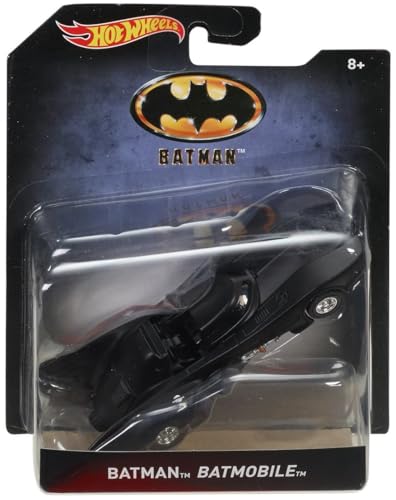
The Batmobile appears in multiple versions, including the 1966 TV classic and the Tumbler, and that variety is why it keeps collecting interest high. The 1966 car is the easiest to read from a distance. The Tumbler pulls in modern Batman fans who want something darker and more aggressive on the shelf.
The Animated Series Batmobile is the useful exception for track buyers. It is particularly good for tracks, so it belongs in a different bucket from the display-first versions. If you want one Batmobile for a desk, the classic style usually wins. If you want one for orange track, choose the animated-series long version first.
Color Shifters as conversation pieces
Color Shifters use thermochromic paint that changes color in warm or ice-cold water, so they are built around the reveal, not the movie reference. That makes them strong conversation pieces for younger collectors or gift buyers who want a clear play feature. It also means the paint finish deserves more care than a standard cast car.
A common first-timer mistake is treating a Color Shifters car like a forever display piece after repeated hot-and-cold cycles. The feature is the point, but the finish can lose appeal faster than a plain die-cast if it gets handled hard or stored badly.
Which Hot Wheels pop culture car works best on standard tracks?
The Mario Kart standard kart is the cleanest licensed answer for standard orange track because Hot Wheels says it is fully compatible with standard Hot Wheels tracks. After that, Twin Mill and Rodger Dodger are the better straight-line choices. The catch is simple: some themed cars look great and still tip, snag, or wobble when the course gets twisty.
Mario Kart fit and tipping risk
Mario Kart cars are fully compatible with standard orange Hot Wheels tracks, which makes them the easiest licensed crossover for play. Character variants add fun, but the line’s top-heavy characters can tip over on turns. Bowser is the best example to watch for if the layout has sharp corners or boosters.
For a gift, that matters. A child or casual buyer may expect every licensed kart to run cleanly, but the shape changes how the car behaves. On straights and gentle curves, the fit is straightforward. On tight turns, top-heavy castings can become a frustration point.
Twin Mill and Rodger Dodger for straight-line stability
Twin Mill was designed by Ira Gilford in 1969, and its dual huge engines on the nose give it a look that still reads as pure Hot Wheels. The long wheelbase is the reason it stays stable on straight tracks. It is one of the safest picks when you want fantasy style without giving up a workable racer.
Rodger Dodger is based on a 1973 Dodge Charger SE, and its heavy, wide stance helps it stay planted. The massive hood engine sells the muscle-car aesthetic without making it delicate. For buyers who want a licensed-looking hot rod that feels race-ready, it is one of the more dependable choices.
Batmobile: the screen icon collectors keep chasing
The Batmobile stays near the top because it crosses eras cleanly. The 1966 TV series classic gives you the most obvious screen hit, the modern Tumbler gives you the darker film-era look, and the Animated Series version is the one to choose when track use matters. That spread makes it useful for both display and play buyers.
1966 TV series classic
The 1966 Batmobile is the version most movie and TV fans recognize first. It reads as a direct screen car, which is why it keeps strong shelf value even among collectors who do not chase every Batman release. If your goal is one unmistakable Batmobile, this is the usual starting point.
Modern Tumbler and animated-series long version
The Tumbler is the modern choice for buyers who want the tougher Batman look, but it is still primarily a display piece. The Animated Series Batmobile is the practical pick because it is particularly good for tracks. That split is useful: one version for the shelf, one for the loop and straightaway.
Track-friendly licensed picks for play and racing
The best track-friendly licensed picks are the ones that stay low, sit long, or keep their weight centered. Mario Kart, Twin Mill, and Rodger Dodger fit that job better than most licensed display cars. If you are buying for standard orange track, that matters more than franchise tie-in alone.
Why these picks run better
- Mario Kart standard kart: fully compatible with standard Hot Wheels tracks, but character height can raise the center of gravity.
- Twin Mill: long wheelbase and low, forward engine mass help it stay stable on straight runs.
- Rodger Dodger: heavy and wide, so it is less likely to skate around on the lane.
Suppose you are buying for a child’s orange-track setup and the course has a launcher plus two sharp bends. A Mario Kart car may fit cleanly, but a taller character variant can wobble in the turns. In that case, Twin Mill or Rodger Dodger is the safer first buy because the shape is less likely to upset the run.
Premium and collector-focused choices
Hot Wheels Pop Culture and Hot Wheels Car Culture solve different problems. Pop Culture leans into licensed themes, movie tie-ins, and 1:64-scale collectibility. Car Culture is a premium-leaning line, often reported with metal/metal construction, rubber tires, and limited production runs that make it feel more collector-focused than play-first.
Bone Shaker and nissan Skyline GT-R (R34)
Bone Shaker was introduced in 2006, and the skull on the front grille is the reason collectors remember it so easily. It has a durable die-cast body, and premium Real Riders versions make it especially appealing to buyers who want more finish detail. It is a display-friendly icon with a strong custom-car identity.
Nissan Skyline GT-R (R34) is part of the Car Culture premium line, and that alone tells you the target buyer. Metal/metal construction and rubber tires put it in a higher collector bracket than most standard release cars. It also sits in the JDM trend space, which keeps serious collector appeal strong.
What the two lines mean for buyers
If you want a licensed movie or entertainment tie-in, Pop Culture is usually the better fit. If you want a premium die-cast that feels built for collecting, Car Culture is the lane to watch. The first line is about themed recognition. The second is about materials, finish, and chase appeal.
How to choose the right Hot Wheels movie car
Start with the use case, not the logo. If the car will live on a shelf, pick the strongest screen icon and the cleanest silhouette. If it will run on orange track, favor stable wheelbase and lower body shape. If it is a gift, pick a car the recipient can recognize immediately without needing a deep catalog memory.
-
Choose the use case first.
Decide whether the car is for display, track play, or gifting. Display-first buyers should start with Batmobile versions or Bone Shaker. Track-first buyers should start with Mario Kart, Twin Mill, or Rodger Dodger. -
Check the franchise connection.
Movie fans want a clear screen hit, not a vague “cool car” label. The 1966 Batmobile reads instantly, while the Skyline and Bone Shaker speak more to collector culture than a single film memory. -
Match the body shape to the track.
Long wheelbases and lower stances usually behave better on straight sections. Top-heavy character cars can tip on turns, and booster-heavy layouts can magnify that problem. -
Pick the right price band.
Easy-entry buys are usually the standard Pop Culture or standard track castings. Premium Car Culture pieces cost more because of metal/metal construction, rubber tires, and limited production runs. -
Separate beginner buys from chase pieces.
If you want a safe start, choose Twin Mill or the Animated Series Batmobile. If you want a shelf-focused chase item, move to Bone Shaker, the 1966 Batmobile, or Nissan Skyline GT-R (R34).
Picture a collector who wants one car that can sit beside a poster and also run on a basic orange track set. The Batmobile looks right on the shelf, but the Animated Series version is the smarter compromise when play matters. That is the kind of choice that avoids buyer regret.
Frequently asked questions
What are the best Hot Wheels pop culture cars for movie fans?
The best choices are the Batmobile, Mario Kart standard kart, Twin Mill, Bone Shaker, Rodger Dodger, and Nissan Skyline GT-R (R34), depending on whether you want display or track use. Batmobile is the clearest screen icon. Mario Kart is the easiest licensed track pick. Skyline and Bone Shaker suit premium collectors.
Which Hot Wheels movie cars are the most collectible?
The Batmobile and Nissan Skyline GT-R (R34) are among the strongest collector magnets here because they combine recognition with version variety or premium build. Bone Shaker also pulls well, especially in premium Real Riders form. Collectors tend to pay more attention when the car has both a clear theme and a distinct construction tier.
Are Hot Wheels pop culture cars good for display or just play?
They are good for both, but not equally. Pop Culture cars are built around licensed themes, 1:64 scale appeal, and shelf recognition, so many are better display pieces than racers. Track-friendly picks exist, though, and Mario Kart, Twin Mill, and the Animated Series Batmobile are the better play-first options.
Which licensed Hot Wheels cars have the best value?
The best value usually sits in the middle of the range: a car with clear recognition, decent shelf presence, and enough track usability to avoid feeling one-note. Mario Kart standard karts, Twin Mill, and some Batmobile versions often fit that description better than limited premium pieces, which cost more for materials and scarcity.
What Hot Wheels movie cars are easiest to find?
Standard Pop Culture releases and widely issued fantasy castings are usually easier to find than premium Car Culture pieces. The Batmobile family and Mario Kart variants tend to be more visible to casual buyers than a premium Nissan Skyline GT-R (R34). Limited production runs make the premium line harder to source consistently.
Do Hot Wheels pop culture cars work on standard tracks?
Some do, and some need caution. Mario Kart cars are fully compatible with standard orange Hot Wheels tracks, but top-heavy variants can tip on turns. Twin Mill and Rodger Dodger are stronger straight-line picks, while the Animated Series Batmobile is especially good for tracks. Always match the casting to the layout.
What is the difference between Hot Wheels pop culture and Car Culture?
Hot Wheels Pop Culture focuses on licensed pop-culture themes, movie and entertainment tie-ins, and 1:64 scale appeal. Hot Wheels Car Culture is the premium line, with metal/metal construction, rubber tires, and limited production runs. Pop Culture is usually the better film-fan lane. Car Culture is the better collector-grade materials lane.
Products related to this article
Sponsored / affiliate links. As an Amazon Associate I earn from qualifying purchases. I may earn additional commission from eligible campaigns.