USB Car Charger Cost
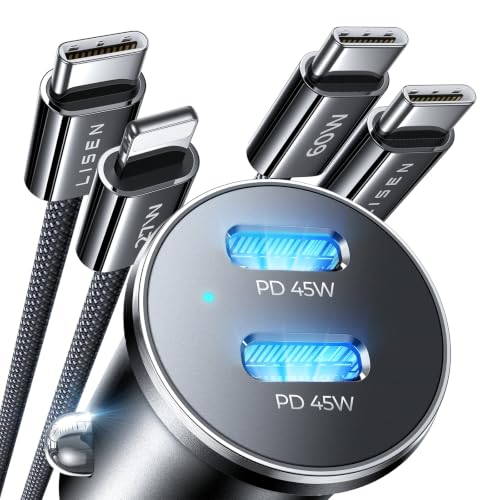
USB car charger cost usually runs from $8 to $40. Basic 12W single-port models sit at the low end, while 30W to 45W USB-C PD chargers with two or more ports cost more. Buy the wrong tier and you get slow phone charging, weak tablet support, or a charger that cannot split power well between ports. This guide breaks down prices by wattage, port count, and USB-C/PD support so you can match cost to charging needs.
This guide is part of our Car accessories for comfort and convenience series.
Typical cost range


Budget chargers: what the low end usually buys
Budget USB car chargers usually land around $8 to $15. That money commonly buys a single USB-A port or a basic dual-port layout, often with about 12W to 15W total output. These are fine for topping up a phone, but they are not the right pick if you want fast charging or tablet support.
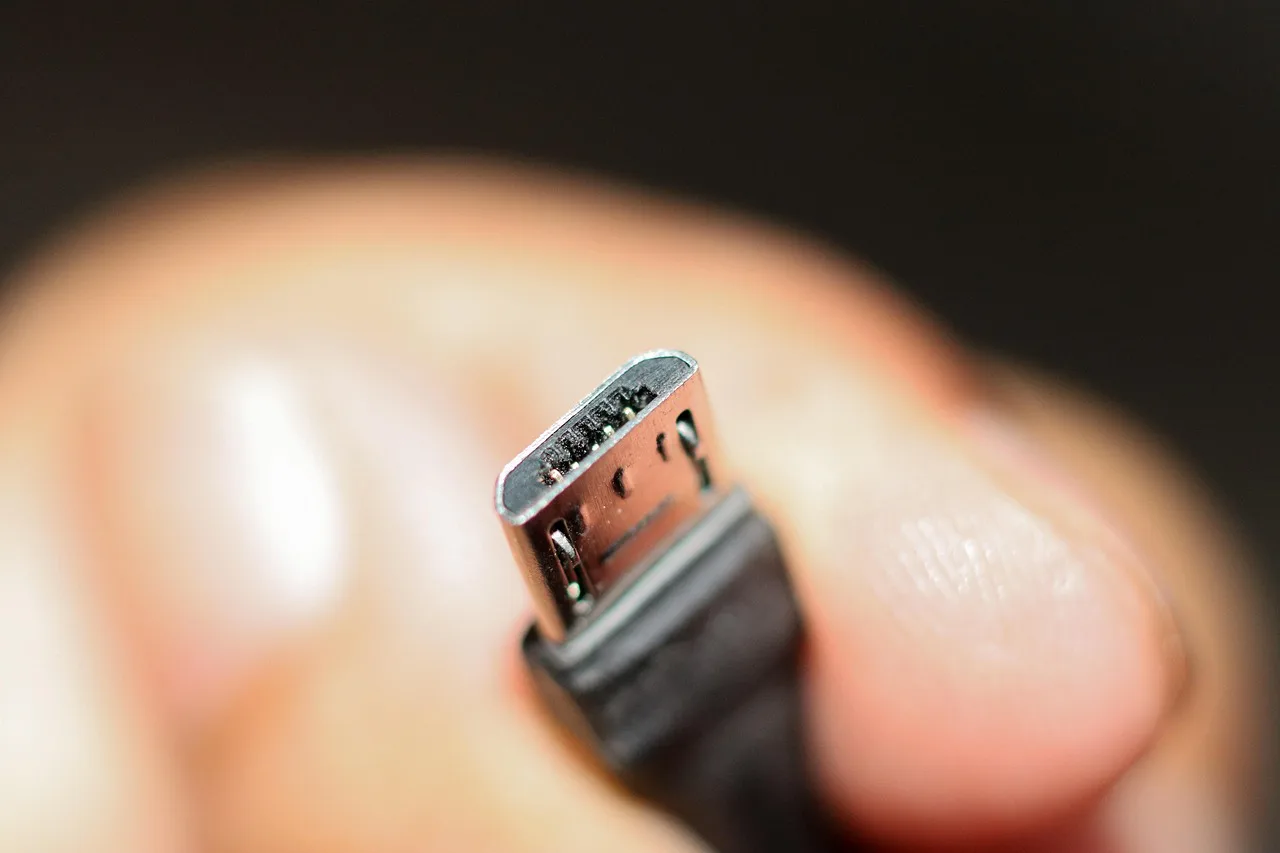
USB-A is still common on cheaper chargers. It is the older rectangular connector, and many budget models use it because it keeps parts cost down. USB-C uses a reversible plug and supports higher charging output on modern devices, so once you move into USB-C and USB Power Delivery, the price usually rises.
Midrange chargers: where most buyers land
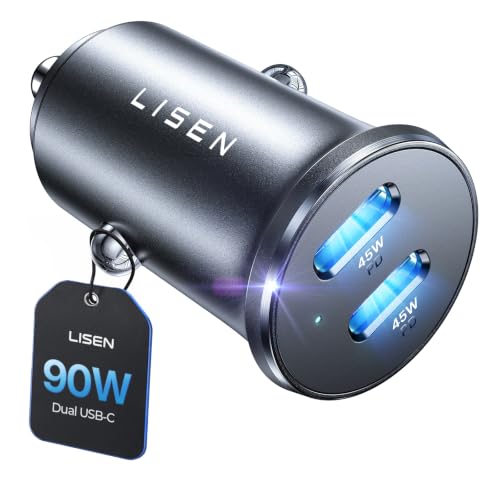
Midrange USB car chargers usually cost about $15 to $25. This is the sweet spot for most drivers who want a dual USB car charger with one USB-C port, one USB-A port, or two USB-C ports and enough wattage for real fast charging. A 30W or 45W model is common here.
This tier usually gives you the best balance of price and speed. It fits commuters who want to charge a phone quickly on short drives, or families that need one charger for two devices without a long wait.
Premium chargers: when higher wattage matters
Premium USB car chargers usually start around $25 and can run past $40, especially when they offer 60W or more, multiple USB-C ports, or extra safety features. These are the chargers to consider if you charge a laptop, a tablet, or multiple devices at the same time and want better headroom.
USB-C can deliver high power, and USB Power Delivery is the charging standard that makes higher-wattage fast charging possible on newer devices. Newer USB PD revisions can go beyond 100W, so the important question is not just the port type but the charger’s actual PD support and output rating.
Price-to-spec table: ports, wattage, and use case
| Tier | Typical price | Typical port mix | Wattage range | Charging speed expectations | Who should buy it |
|---|---|---|---|---|---|
| Budget | $8 to $15 | Single USB-A, or basic dual USB-A | 12W to 15W | Slow to moderate phone charging; weak for tablets | Commuters who only need backup charging |
| Midrange | $15 to $25 | USB-A plus USB-C, or dual USB-C | 30W to 45W | Fast charging for many phones; workable tablet support | Most drivers, rideshare use, family road trips |
| Premium | $25 to $40+ | Dual USB-C, or mixed ports with stronger PD support | 60W+ | Fast charging with better headroom for tablets and some laptops | Heavy users, multi-device setups, higher-demand USB-C devices |
What changes the price?

Port count and single-port versus dual-port design
Port count is one of the easiest ways to explain USB car charger cost. A single-port charger is usually cheaper than a dual USB car charger because it needs fewer components and less power-management hardware. Add a second port, and the price usually climbs.
Dual-port models do not all behave the same. Some share a fixed power budget across both outputs. Others can send most of the available power to one port when the second port is idle. That difference is why two chargers with the same port count can cost different amounts.
USB-A, USB-C, and mixed-port layouts
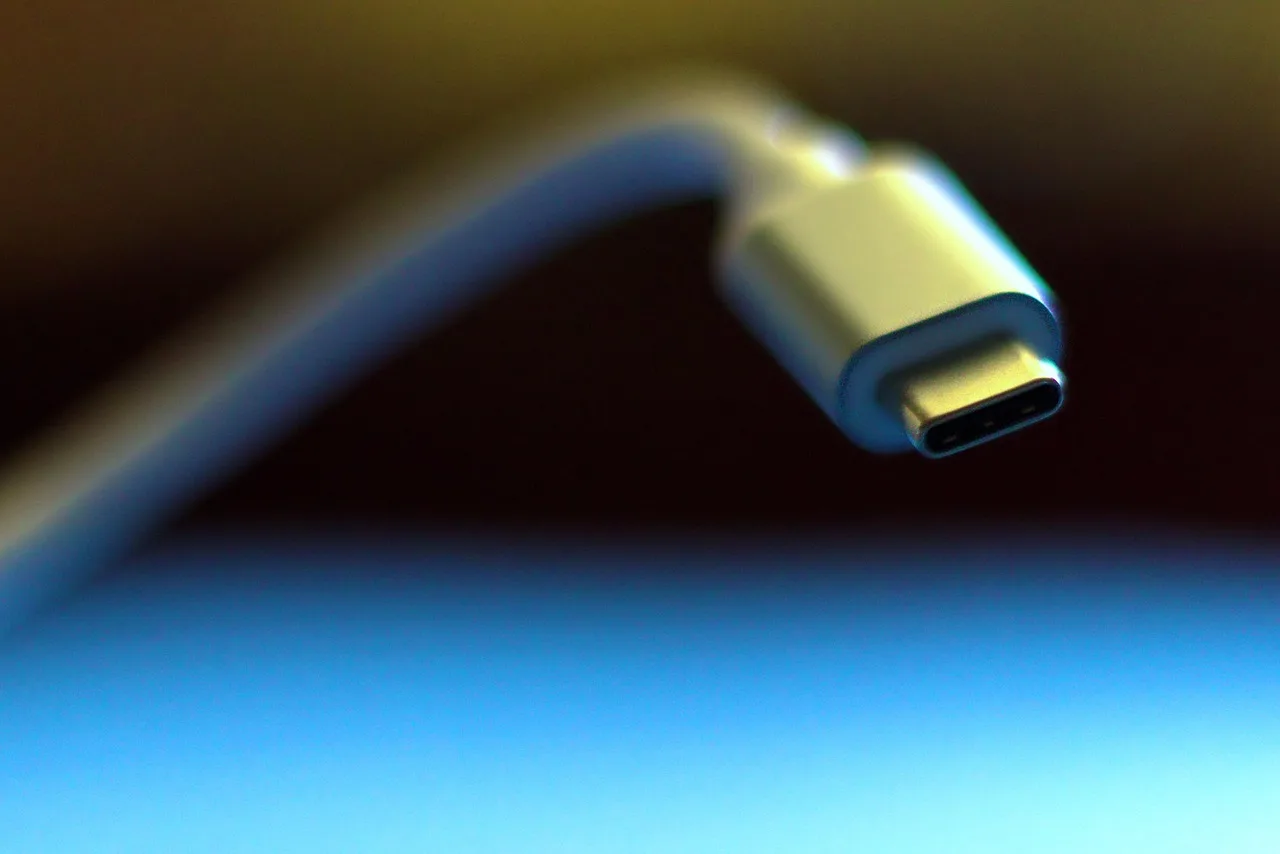
USB-A is still common in budget chargers, while USB-C usually pushes the price higher because it is the more modern connector and is built for newer charging standards. USB Type-C is widely found in smartphones, modern laptops, tablets, and power banks. It is also the most common USB connector on newer gear.
USB-C has a 24-pin reversible plug. That makes it easier to use in a moving car, where a connector that goes in either way is less annoying than a one-sided plug. Mixed-port chargers cost more than plain USB-A units because they try to cover old and new cables at once.
Wattage, USB Power Delivery, and fast charging claims
Charging wattage is the main cost driver. A 15W charger can be fine for a phone, but 30W, 45W, and 60W+ models usually cost more because they need more robust power conversion and, often, USB Power Delivery support. USB Power Delivery is the protocol that makes higher-wattage fast charging possible on newer devices.
Be careful with watt claims on packaging. A charger listed as “60W” may only deliver that level under a specific port configuration, or only from one port at a time. Read the output details, not just the headline number.
Say a driver buys a 15W dual-port charger for a newer phone and a tablet. The phone may charge, but the tablet can feel slow on a long commute because the charger does not have enough output to keep up with heavier demand.
Build quality, safety features, and brand support
Safer, better-built chargers usually cost more. That extra money often goes toward tighter power regulation, heat management, and better support if something fails. Cheap chargers can work, but the low end is where misleading claims and weak parts are most common.
A common first-timer mistake is buying the cheapest dual-port model and assuming each port will charge at full speed. In reality, power sharing depends on the charger’s design and on what is plugged in. The cable matters too.
USB-C versus USB-A in car chargers
Why USB-C usually costs more
USB-C usually adds cost because it is tied to newer charging expectations. It supports reversible plugging, higher power delivery, and faster charging behavior on compatible devices. USB-C can deliver high power, and newer USB Power Delivery revisions can go beyond 100W.
That does not mean every USB-C car charger is expensive. It means the price rises when the charger is built around USB-C and USB Power Delivery rather than around a simple low-output USB-A port.
Why USB-A is still common in cheap chargers
USB Type-A is a very common connector seen on chargers. It remains popular because it is familiar, cheap to produce, and good enough for basic phone charging. That is why many bargain car chargers still ship with USB-A ports, sometimes alongside one USB-C port.
If your current cables are USB-A to USB-C, a budget charger can still be useful. The problem is speed ceiling, not basic compatibility. Once you want faster charging, USB-C and PD become the better path.
Which connector fits newer phones and tablets?
For newer phones and tablets, USB-C is usually the better fit. It is the connector most likely to support modern fast-charging behavior, especially when paired with a USB-C to USB-C cable and a charger that supports USB Power Delivery. Older devices may still work well with USB-A.
How much should I pay for a dual USB car charger?
A dual USB car charger usually costs about $5 to $15 more than a comparable single-port model. The exact jump depends on whether the second port is USB-A or USB-C, how much total wattage is available, and whether the charger can route more power to one device when only one port is in use.
If you only need to charge one phone at a time, a dual-port model may be unnecessary. If you regularly carry a passenger device, or you charge a phone and a tablet together, the upgrade is often worth it.
Shared output rules and why they matter
Some dual-port chargers list a total output that is shared across both ports. That can mean slower charging when both devices are drawing power. Other models manage power more intelligently and can give one port a stronger output when the other port is idle.
This is where misleading comparisons happen. Two chargers can both say “45W,” but one may only deliver that figure on one port under a specific setup. Check the output chart before you buy.
When a dual-port model is worth paying
Choose dual ports if you regularly charge more than one device, or if you want one charger that covers both old and new cables. Families often benefit most, because the back seat may need a second connection more often than the driver expects.
Rideshare drivers also have a good case for dual ports. One port can support the driver’s phone, while the other can help a passenger or a second device without forcing anyone to wait.
Is a USB-C car charger worth it?
Yes, if you care about faster charging or you use newer devices. USB-C car chargers are usually worth the higher price when your phone, tablet, or laptop supports USB-C charging and you want a better match to that device’s power needs. If you only need a slow backup charge, USB-A can still do the job.
When fast charging is useful in the car
Fast charging matters most on short drives. If you leave home with a low battery and arrive 20 minutes later, a stronger charger can make a real difference. That is where 30W and 45W models often justify their price.
For longer trips, charging speed still matters, but the urgency is lower. A basic charger may eventually get the job done if the device is not heavily in use while charging.
What to expect from 30W, 45W, and 60W+ models
At 30W, you are usually in solid phone-fast-charging territory. At 45W, you have more breathing room for tablets and faster top-ups on higher-demand phones. At 60W+, you are paying for extra headroom that can help with tablets and some laptops, depending on the charger and cable.
That headroom is what pushes a charger into a higher price tier. It is not just more power on paper. It is more flexibility for different devices and less chance that a second device will drag everything down.
When a basic USB-A charger is enough
A basic USB-A charger is enough if your phone charges overnight, your commute is short, and you do not care about maximum speed. It is also fine if you need a cheap backup charger for occasional use in a second car.
Do not overspend for features you will not use. Match the charger to the device, not to the most impressive number on the box.
What to buy for your devices
Phones and small tablets
For a phone, a 15W to 30W charger is the practical target. If the phone supports USB Power Delivery, a USB-C charger with PD support is usually the better buy. Small tablets may also benefit from 30W or more, especially if they are used while charging.
Match the cable to the port and device. A USB-A to USB-C cable can work with many budget chargers, but a USB-C to USB-C cable is usually the better pairing for a USB-C PD charger.
Laptops and higher-demand USB-C devices
If you want to charge a laptop from the car, look at 45W to 60W+ models and check the laptop’s actual charging requirement. USB-C can be powerful enough for some laptops, but only if the charger, cable, and laptop all support the same charging standard. Many 12V car chargers cannot sustain high laptop charging rates, depending on the vehicle socket, the charger design, and how much power the socket can actually supply.
Do not assume any USB-C port can handle a laptop. Cable quality matters, too. A weak or underspecified cable can limit charging even when the charger itself is strong enough.
Families and riders charging more than one device
For families and riders, a dual USB car charger with at least one USB-C port is usually the best value. It gives you better flexibility for mixed devices and reduces the odds of one person getting a slow charge while another device takes priority.
Picture a parent charging a phone up front and a child’s tablet in the back seat. A cheap 12W charger may keep both devices limping along. A 30W or 45W dual-port charger is a much better fit for that kind of load.
Use a USB car charger by plugging it into the vehicle’s 12V car socket, then connect the right cable to the port and device. Check that the charger is seated firmly, the cable is rated for the job, and the device supports the charging standard you expect. That avoids slow charging and connection dropouts.
- Insert the charger into the 12V car socket until it sits firmly.
- Choose the correct port: USB-A for older cables, USB-C for newer fast-charging setups.
- Use the right cable type, such as USB-A to USB-C or USB-C to USB-C.
- Check the charger’s wattage and port ratings before expecting fast charging.
- Make sure the cable is not loose, frayed, or too low-rated for the device.
USB car chargers plug into the vehicle socket, but that does not mean every setup behaves the same. A charger that is a good fit for one phone may be a poor match for a tablet or laptop. The fastest fix is usually a better charger, not a different app or setting.
Frequently asked questions
How much does a USB car charger cost?
Most USB car chargers cost between about $8 and $40. The low end usually means a basic single-port USB-A model, while the middle and upper ranges buy you USB-C, USB Power Delivery, more wattage, and better support for two devices at once. Compare the listed per-port output, because the headline wattage may be shared.
What is the difference between a USB car charger and a 12V adapter?
A USB car charger is the device that plugs into the vehicle’s 12V car socket and converts that power into USB output for phones, tablets, or other gear. The 12V socket is the power source. The charger is the adapter that makes USB charging possible.
Is a USB-C car charger worth the higher price?
Yes, if your phone, tablet, or laptop uses USB-C and supports fast charging. USB-C is reversible, more versatile than USB-A, and better suited to modern charging standards. If you only need a slow emergency top-up, a cheaper USB-A charger can still be acceptable.
What charging speed do I need for my phone in the car?
For most phones, 15W is basic, 30W is a strong everyday target, and 45W gives more headroom for faster top-ups. If the phone supports USB Power Delivery, choose a charger and cable that match that standard. Otherwise, you may not get the speed you paid for.
How do I use a USB car charger correctly?
Plug it into the 12V car socket, then use the correct cable for the port and device. USB-A to USB-C works for many setups, while USB-C to USB-C is usually better for modern fast charging. Check wattage, fit, and cable rating before relying on it.
Products related to this article
Sponsored / affiliate links. As an Amazon Associate I earn from qualifying purchases. I may earn additional commission from eligible campaigns.