Blackout Lights for Cars: Vinyl Tint Film and Legal Rules
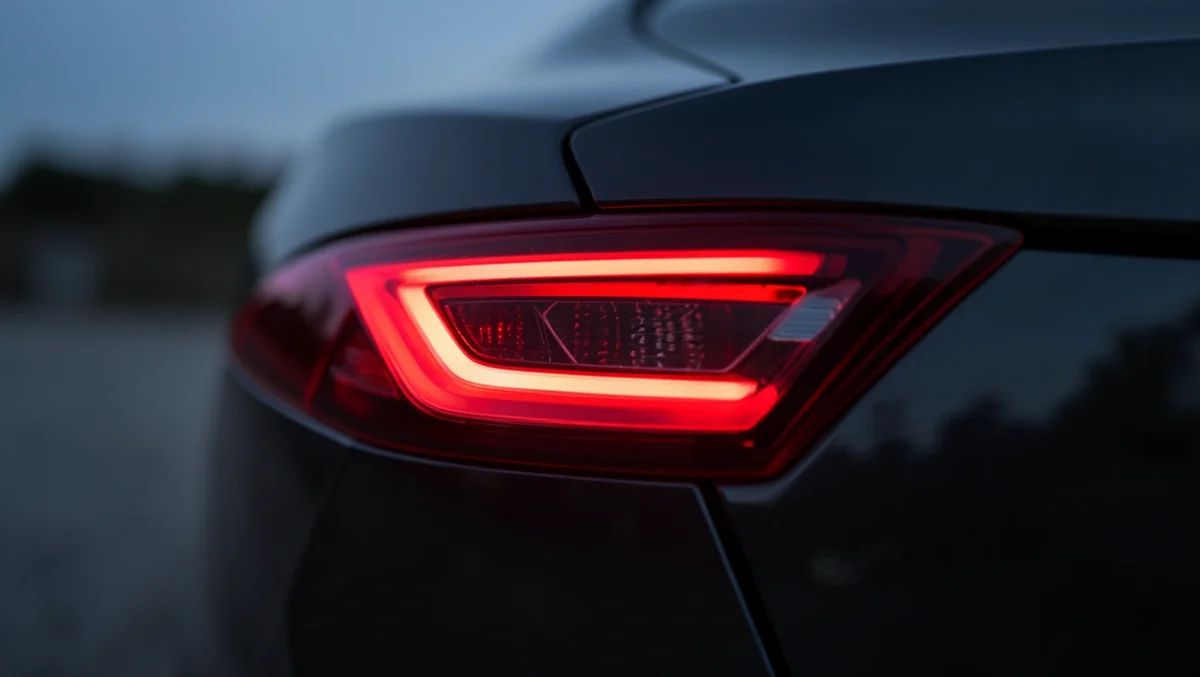
Blackout lights for cars are headlights, taillights, or fog lights covered with a dark smoke-tint vinyl film to create a stealthy, blacked-out look. They’re popular with car enthusiasts, but the legality of tinting required lights depends heavily on your state — some tint levels can get you an equipment ticket even if the rest of your car is legal.
Before you buy a roll of smoke-tint film, it helps to know what actually counts as “blackout lights,” which versions are street-legal, and how to install film correctly so it looks clean and doesn’t peel. This guide covers all three, plus the state-by-state legal picture that most vinyl-film listings never mention.
What Are Blackout Lights for Cars?
BEST-SELLING SMOKE TINT FILM
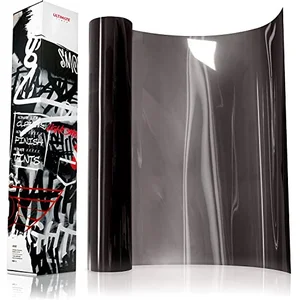 |
VViViD+ Ultimate Headlight Taillight Tint Vinyl Wrap (12″ x 7ft, Light Smoke) – $19.99 This is the exact type of self-adhesive smoke film covered in this guide — a stretch-to-fit roll sized for headlights, taillights, and fog lights, not a generic wrap vinyl.
|
“Blackout” is really an umbrella term for a few different products aimed at the same look: self-adhesive vinyl tint film applied over the lens (the most common and cheapest option), factory-style smoked lens covers or replacement housings, and precut light overlays sold specifically for one make and model. Vinyl film is the most popular route because it’s inexpensive, doesn’t require removing the light assembly, and can be peeled off later without permanent modification. It’s a common project for car enthusiasts who want a quick styling change without altering the car permanently.
Is It Legal to Blackout or Tint Your Car Lights?
This is the part most blackout-light product listings skip, and it matters: tail lights and headlights are federally regulated equipment, not just styling accessories. Under Federal Motor Vehicle Safety Standard (FMVSS) 108, tail lamps must emit red light and remain visible from roughly 1,000 feet at night, and headlights must produce white light. Most states build their own vehicle codes on top of that baseline, and they generally prohibit any aftermarket tint, film, or cover that reduces the visibility or changes the required color of those lamps.
In practice, that means a heavy “blackout” smoke tint on your brake lights or turn signals is a real risk for a citation in most states, even in places that don’t have a law naming vinyl tint film specifically — officers can still write an equipment violation if they judge the lights aren’t visible enough. States commonly cited as actively enforcing bans on light tinting that reduces visibility include California, Florida, Illinois, Michigan, New Hampshire, New York, Pennsylvania, Texas, Vermont, and Washington, D.C. Rules and enforcement change, so check your own state’s current vehicle code (or ask a local inspection station) before you install anything darker than a light smoke.
Legal Ways to Get the Blackout Look
If you want the aesthetic without the ticket risk, there are a few safer routes:
- Factory smoked-lens trims. Several automakers sell “Midnight,” “Nightshade,” or blacked-out appearance packages with dark-tinted lens housings straight from the factory. Because these are engineered and DOT-tested as a complete assembly, they’re built to still meet FMVSS visibility requirements despite the darker look — something an aftermarket film can’t guarantee.
- Clear headlight protection film. This is a clear (not tinted) polyurethane or vinyl film that protects the lens from rock chips and UV yellowing without changing the light’s color or reducing its output. Since it doesn’t affect visibility, it’s legal in essentially every state.
- A light smoke tint, used sparingly. A very light tint on fog lights (which aren’t a required safety lamp in most states) carries less legal risk than tinting brake lights or turn signals, which are.
- Get it inspected before you rely on it. If you do apply smoke film to a required lamp, have it checked at an inspection station or by a mechanic who knows your local code before you drive on public roads with it.
How to Apply Vinyl Tint Film Yourself
Most self-adhesive tint film kits install the same basic way, whether you’re covering a headlight, a taillight, or a fog light:
- Wash and dry the lens completely. Any dust, wax, or grease trapped under the film will show as a bump or bubble.
- Test-fit the film dry first. Lay it over the lens without peeling the backing to see how much you need to cut and where the curves are.
- Wet-apply with a soapy water spray (a few drops of dish soap in water) so you can slide the film into position before it grabs.
- Squeegee from the center outward to push out water and air bubbles, working toward the edges.
- Apply heat with a heat gun or hair dryer on low around curves and edges so the film stretches and conforms instead of lifting.
- Trim the excess with a sharp hobby blade along the lens edge, then let it cure for 24–48 hours before washing the car.
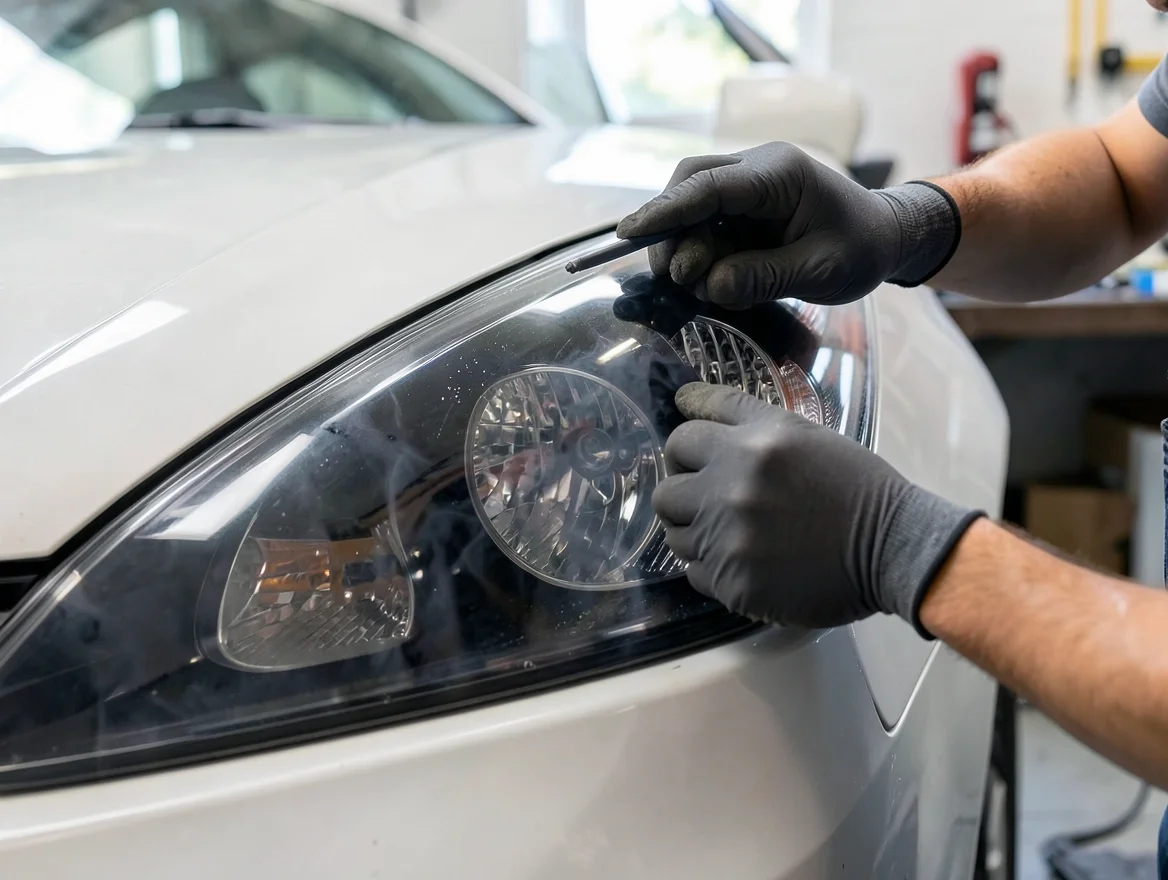
If you mess up the fit, most vinyl film brands sell replacement rolls cheaply enough that it’s not a big loss — and because it’s adhesive film rather than paint, a bad attempt can usually be peeled off and redone.
Frequently Asked Questions
What Are Blackout Lights for Cars?
Blackout lights are headlights, taillights, or fog lights covered with a dark smoke-tint vinyl film, a smoked lens cover, or a factory smoked-lens trim to create a darker, stealthier look than the stock clear or red lens.
Is It Legal to Have Blacked-Out Headlights or Taillights?
It depends on your state and how dark the tint is. Federal rules require tail lamps to stay red and visible from about 1,000 feet, and headlights must stay white. Most states prohibit tint that reduces that visibility, so a heavy blackout tint on required lamps carries real citation risk in many places, even without a law naming vinyl film specifically.
Which States Restrict Tinted Car Lights?
States commonly cited for actively enforcing restrictions on light-reducing tint include California, Florida, Illinois, Michigan, New Hampshire, New York, Pennsylvania, Texas, Vermont, and Washington, D.C. This isn’t a complete list and rules change, so always check your own state’s current vehicle code before installing tint on a required lamp.
Can Vinyl Tint Film Damage My Headlights or Taillights?
Good-quality film applied correctly won’t damage the lens, and since it’s adhesive rather than paint, it can be peeled off later without permanent marks in most cases. Cheap film left on too long in direct sun can occasionally leave adhesive residue, so removing it carefully with heat and a plastic scraper is worth the extra few minutes.
Is Clear Headlight Protection Film Legal Everywhere?
Yes, in essentially every state, because clear protection film doesn’t change the light’s color or reduce its output — it just adds a protective layer against rock chips and UV yellowing. It’s the safest option if you want protection without any legal risk.
How Long Does Headlight or Taillight Tint Film Last?
A quality vinyl tint film typically lasts one to three years before fading or edges start lifting, depending on sun exposure and how well it was installed. Garage-kept cars in milder climates often get more life out of the same film than daily drivers parked outside in intense sun.
The Bottom Line
Blackout lights can genuinely sharpen a car’s look, but the light underneath the film is still a safety device the law cares about. Check your state’s rules before you tint a required lamp, lean on factory smoked trims or clear protection film if you want a guaranteed-legal option, and if you do install smoke film yourself, take the extra ten minutes to do it with soapy water and heat rather than rushing it dry.
Products related to this article
Sponsored / affiliate links. As an Amazon Associate I earn from qualifying purchases. I may earn additional commission from eligible campaigns.