How Does Cold Weather Affect a Hybrid Battery?
Cold weather can lower a hybrid battery’s output and slow charging, so MPG may drop and acceleration can feel weaker, especially below about 32°F. Ignore that, and you can mistake normal winter behavior for a battery fault or miss a real 12-volt problem. This guide explains the chemistry, regenerative braking limits, thermal management, and the warning signs that separate normal cold-weather changes from trouble.
Cold weather cuts hybrid battery capacity and slows charging


Cold can slow the chemical reactions inside the hybrid traction battery, which can cut usable capacity and make charging less willing. That applies to nickel-metal hydride and lithium-ion packs alike. The result is usually temporary: less electric assist, less energy capture, and a dashboard state-of-charge gauge that may move more than it does in mild weather.
What changes inside the pack
Batteries depend on chemical reactions, and freezing temperatures slow those reactions down. In a hybrid, that shows up as lower output and slower charge acceptance rather than a simple on-or-off failure. The car’s computers protect the pack by limiting how much power it gives and how much it accepts until temperatures rise.
Many hybrid packs also keep a built-in buffer. The displayed state of charge is not the full battery, and winter operation can make that gauge swing between the upper and lower limits more often than usual. That is normal if the car still drives normally and no warning lights stay on.
Why nickel-metal hydride and lithium-ion react differently
Hybrid systems commonly use nickel-metal hydride or lithium-ion packs. Both lose performance in the cold, but lithium-ion batteries are the common rechargeable batteries used in many devices, and they often need tighter temperature control when ambient temperatures fall. In either case, the pack has less chemical headroom below freezing.
Cold also changes how quickly the pack can accept charge from regenerative braking. The computer may reduce charge flow to protect the cells, even when the driver is lifting off the pedal or braking gently. That is why a winter hybrid can feel less eager without being broken.
Why winter MPG drops in a hybrid
Winter MPG often drops because the hybrid system may spend more time warming the engine, heating the cabin, and protecting the battery. Cold starts use more fuel, and short trips make the effect worse because the engine may not reach its most efficient operating range before the drive ends. The battery is part of the story, but the whole vehicle is doing more work in the cold.
Cabin heat and defroster load
The heater and defroster can keep the engine running longer than they would in mild weather. That extra run time raises fuel use, especially on a five- or ten-minute trip. The cabin may feel warm enough, but the engine still has to make heat before it can shut down or switch to lighter load sharing.
Cold starts and warm-up strategy
Hybrids often use the gas engine more aggressively right after startup in freezing weather. The motor-generator helps with launch and load sharing, but the system may keep the engine on to warm fluids, protect emissions hardware, and build usable heat for the cabin. That is normal and does not automatically point to a bad traction battery.
Say your commute is 4 miles with the heater on full and the defroster running after an overnight park at 20°F. A larger MPG drop is expected than on a 25-mile trip at the same temperature, because the engine spends a greater share of that short drive warming up.
Hybrid battery winter symptom checklist
This table separates normal winter behavior from problems that point more toward the traction battery or the 12-volt battery. Use it to match the symptom to the most likely cause before you assume the hybrid pack is failing.
| Symptom | Likely cause | Normal or abnormal | Next step |
|---|---|---|---|
| Reduced MPG in freezing weather | Cold battery, longer engine warm-up, heater and defroster load, more friction braking | Usually normal, especially on short trips | Compare the same route in mild weather; watch for warning lights or a sudden change that lasts after the car warms up |
| Weaker regenerative braking feel | Cold pack accepts less charge, or the pack is near its upper buffer limit | Usually normal when the battery is cold or nearly full | Expect more friction braking until the pack warms or state of charge moves into a midrange |
| Delayed engine shutdown after driving | Cabin heat demand, battery temperature management, or warm-up strategy | Usually normal in winter | Check whether the engine eventually shuts off once the cabin, coolant, and pack warm up |
| Hybrid warning light with normal cabin electronics | Possible traction battery, inverter, or control-system fault | Abnormal | Have the hybrid system scanned for codes as soon as practical |
| No-start, dim dash, click, or reset clocks | Weak 12-volt auxiliary battery | Abnormal | Check the 12-volt battery first; it powers computers, relays, and starting logic |
A common first-timer mistake is blaming the traction battery when the 12-volt battery is the real issue. The high-voltage pack may be healthy while the small auxiliary battery cannot wake the computers or close the relays. In winter, that mistake is even more common because cold makes weak 12-volt batteries fail harder.
How does regenerative braking change in cold weather?
Regenerative braking weakens in the cold because the battery accepts charge more slowly, and it also weakens when the pack is already near full. The car then uses more friction braking, which is normal. A cold hybrid can still slow safely; it simply captures less of that energy for later use.
Why weak regen is normal
Regenerative braking depends on the motor-generator pushing energy back into the hybrid battery. If the pack is cold, the system limits that flow. If the state of charge is high, the system limits it too. Both conditions are common in winter, so the brake pedal may feel more conventional and the battery gauge may hold steady longer.
When it points to a problem
Weak regen is more concerning when it stays weak after a long drive in moderate temperatures, or when it comes with warning lights, odd braking feel, or a sudden change from the car’s usual behavior. That can point to a control fault, a temperature-sensor issue, or a battery that is no longer behaving within normal limits.
What temperature is too cold for a hybrid battery?
Freezing conditions are the main threshold where hybrid behavior changes the most. Around 32°F, output and charging limits can become more noticeable, but that does not mean the battery is damaged. Extreme cold can make winter effects much stronger, while mild winter weather may only trim MPG a little and slightly reduce regen.
Freezing, extreme cold, and overnight parking
Outside temperature matters most after the car has sat outside overnight. A battery that starts a drive cold has less usable capacity and slower charge acceptance right away. A garage-kept car may behave better than an identical car parked outside at the same local temperature because the pack starts the day warmer.
Suppose two identical hybrids both leave the same driveway at 15°F. The one parked outdoors all night may show weaker regen and a longer warm-up period than the one parked in a garage, even though both are working normally. The difference is pack temperature, not a sudden battery fault.
How hybrid thermal management helps
Modern hybrids use temperature sensors and computer control to keep the traction battery within a usable range. Some systems can heat the pack, some can cool it, and many do both depending on the model. That protection helps the battery last longer, but it also means the car may limit performance in the cold by design.
What the system is doing
The hybrid control unit watches pack temperature, state of charge, and driver demand. If the pack is cold, it may reduce electric assist, slow charging from regen, or keep the engine running longer. If temperatures rise, the system can allow more normal assist and more normal charge capture.
What preconditioning can do
Some hybrids offer preconditioning or scheduled departure features that warm the cabin and, in some models, help bring the battery into a better temperature range before driving. That can reduce the first-mile MPG hit and improve how quickly the system settles into normal operation. Follow the vehicle manual for what your model supports.
Safety note: follow the vehicle and product manual; jump-starting and battery work follow the manual’s connection order.
Safety note: fuel, coolant and electrical work need ventilation, no sparks and the battery disconnected.
Frequently asked questions
Does cold weather affect a hybrid battery?
Yes. Cold weather lowers hybrid battery output and slows charging, especially near and below freezing. The effect is usually temporary and shows up as weaker electric assist, more engine running, and less regenerative braking. That does not automatically mean the traction battery is failing.
Does cold weather affect hybrid cars?
Yes. Cold weather affects the whole hybrid system, not only the traction battery. The engine may run longer for heat, regenerative braking may be reduced, and the 12-volt battery may be more likely to fail. Winter MPG drops are often the result of all three working together.
How do hybrids do in cold weather?
Hybrids still work in cold weather, but they usually use more fuel and more engine time until the cabin and powertrain warm up. The pack may accept less charge at first, so the car may rely more on the gas engine and friction brakes during short trips or right after startup.
Why does my hybrid battery lose power in winter?
Because the battery chemistry is less active in the cold, the pack cannot deliver or accept energy as freely. The car protects it with software limits, which can reduce acceleration and regen. If the problem is a no-start or dead dash, the 12-volt battery may be the real cause.
Does cold weather hurt hybrid battery life?
Cold weather usually causes a temporary performance drop rather than permanent damage. Modern hybrids manage temperature with sensors, buffers, and control software. Repeated extreme cold is not ideal, but winter operation by itself does not mean the hybrid traction battery is being ruined.
Can a hybrid battery die in cold weather?
A healthy traction battery usually does not simply die because it is cold. A very weak 12-volt battery, though, can fail in winter and make the car appear dead. If the dashboard is dark, the car will not boot up, or the fobs and locks act oddly, start with the 12-volt system.
What temperature is too cold for a hybrid battery: there is no single cutoff
There is no single cutoff for every hybrid, but freezing temperatures are where effects become obvious. Below about 32°F, lower output and slower charging are commonly reported. Much colder weather can increase those limits further, especially after overnight parking outside, but the car is usually protecting itself rather than breaking down.
Products related to this article
Sponsored / affiliate links. As an Amazon Associate I earn from qualifying purchases. I may earn additional commission from eligible campaigns.
 KONNWEI KW681 OBD2 Scanner 6V 12V Car Battery Tester, 2 in 1 Car Diagnostic Scanner Automotive Battery Alternator Load Tester Check Engine Code Reader Scan Tool
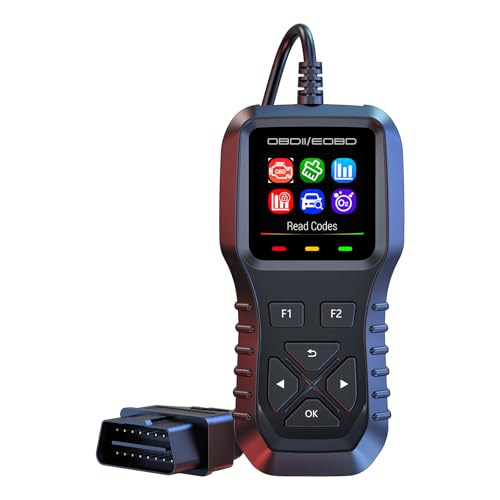 MAIMEIMI Car OBD2 Scanner Code Reader for Cars & Trucks Engine Fault Scanner Diagnostic Scan Tool Read and Clear Error Codes for All OBD II Protocol Cars 2008+