Bulletproof Car Glass Cost: Real 2026 Prices by Protection Level
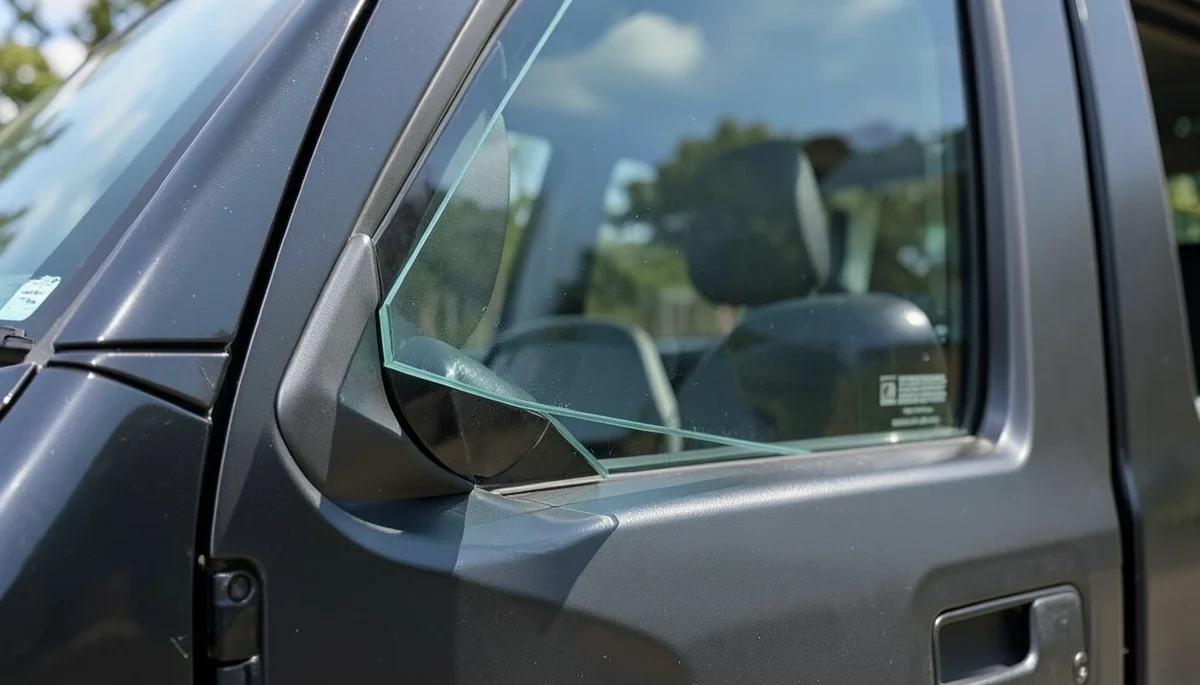
Bulletproof glass for a car costs anywhere from a few thousand dollars per window to well over $50,000 for a fully rifle-rated vehicle, depending entirely on the level of protection you need.
The single biggest factor in the price is the ballistic protection level, tested against the U.S. industry standard, UL 752. Handgun-rated glass sits at the affordable end of the range; glass rated to stop rifle rounds costs several times more because the panels have to be much thicker and heavier. Vehicle type, the number of curved or angled windows, and whether you want the glass installed alone or as part of a full armored-vehicle build all move the price as well.
Quick Answer
Bulletproof glass for a car costs roughly $3,000–$20,000+ per window or $10,000–$54,000+ to glaze a whole vehicle, depending on the ballistic protection level (UL 752 Levels 1–3 for handgun rounds vs. Level 4–8 for rifle rounds). A full armored-vehicle package that reinforces the body and floor too can add $100,000–$300,000+ on top of the base car.
How Much Does Bulletproof Glass Cost for a Car?
Pricing scales directly with the protection level. The table below shows realistic 2026 ranges for aftermarket ballistic glass, whether you’re replacing a single window or glazing an entire vehicle.
| Protection Level | Typical Threat Stopped | Per-Window Cost | Full-Vehicle Glass Cost |
|---|---|---|---|
| UL 752 Level 1–3 (handgun, informally “B4”) | 9mm, .357 Magnum, .44 Magnum | $3,000 – $8,000 | $10,000 – $18,000 |
| UL 752 Level 4–6 (light rifle, informally “B6”) | 30-06 rifle, submachine gun rounds | $6,000 – $14,000 | $20,000 – $40,000 |
| UL 752 Level 7–8 (military rifle) | 5.56mm and 7.62mm AK-pattern rifles | $10,000 – $20,000+ | $40,000 – $54,000+ |
| Full armored-vehicle package | Glass, body panels, and floor combined | — | $100,000 – $300,000+ |
Standalone ballistic glass material is also sometimes priced by the square foot rather than per window, and that range runs from around $30 per square foot for basic handgun-rated panels up to $400–$500+ per square foot for glass engineered to stop multiple rifle rounds.
BUDGET SECURITY FILM (NOT BULLETPROOF)
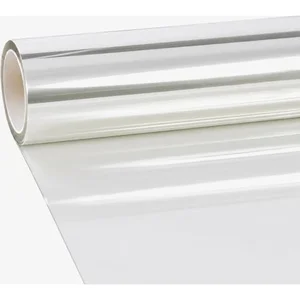 |
VViViD Clear Protective 8mil Shatterproof Security Window Film – $27.99 If a five-figure ballistic upgrade is not in your budget, this clear adhesive film holds shattered glass together and adds real resistance to smash-and-grab break-ins — though it will not stop a bullet.
|
Understanding UL 752 Ballistic Protection Levels
UL 752 is the testing standard most U.S. armoring companies use to rate bullet-resistant glass. It splits protection into eight levels, with the first three covering handgun threats and the rest stepping up to rifle threats. Knowing which level you actually need — instead of defaulting to the most expensive option — is the fastest way to keep the quote reasonable.
| UL 752 Level | Category | What It’s Rated to Stop |
|---|---|---|
| 1 | Handgun | 9mm full metal jacket |
| 2 | Handgun | .357 Magnum |
| 3 | Handgun | .44 Magnum |
| 4 | Rifle | 30-06 rifle, lead core |
| 5 | Rifle | 7.62mm rifle (.308 Win.) |
| 6 | Rifle / submachine gun | 9mm submachine gun, multiple hits |
| 7 | Military rifle | 5.56mm rifle |
| 8 | Military rifle | 7.62x39mm AK-pattern rifle |
Most private buyers who want protection against a carjacking, robbery, or road-rage shooting choose somewhere in the Level 1–4 range. Executive protection, armored transport, and some law enforcement vehicles go up to Level 6–8 to cover rifle threats, which is also where the price climbs the fastest.
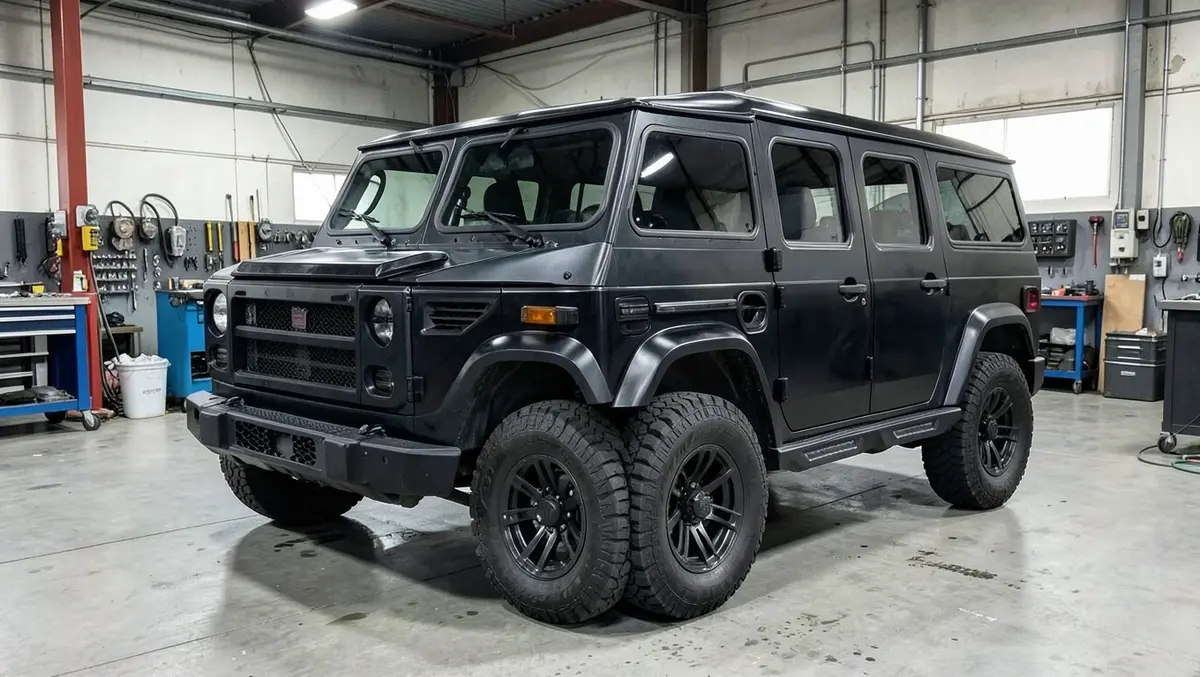
What Actually Drives the Price Up or Down
- Protection level: the single biggest cost driver — each step up in UL 752 level means thicker, heavier glass and a bigger price jump.
- Number and shape of windows: flat panels are cheaper to produce than the curved windshields and rear glass found on modern vehicles.
- Glass-only vs. full armor: replacing just the glass is far cheaper than a full package that also armors the doors, roof, and floor pan.
- Vehicle size and type: a sedan needs less glass than a full-size SUV or limousine, so vehicle size scales the total bill.
- Installer and region: a small handful of specialized U.S. armoring shops do this work, and labor rates and lead times vary by region and how backed up the shop is.
Glass-Only Retrofit vs. a Fully Armored Vehicle
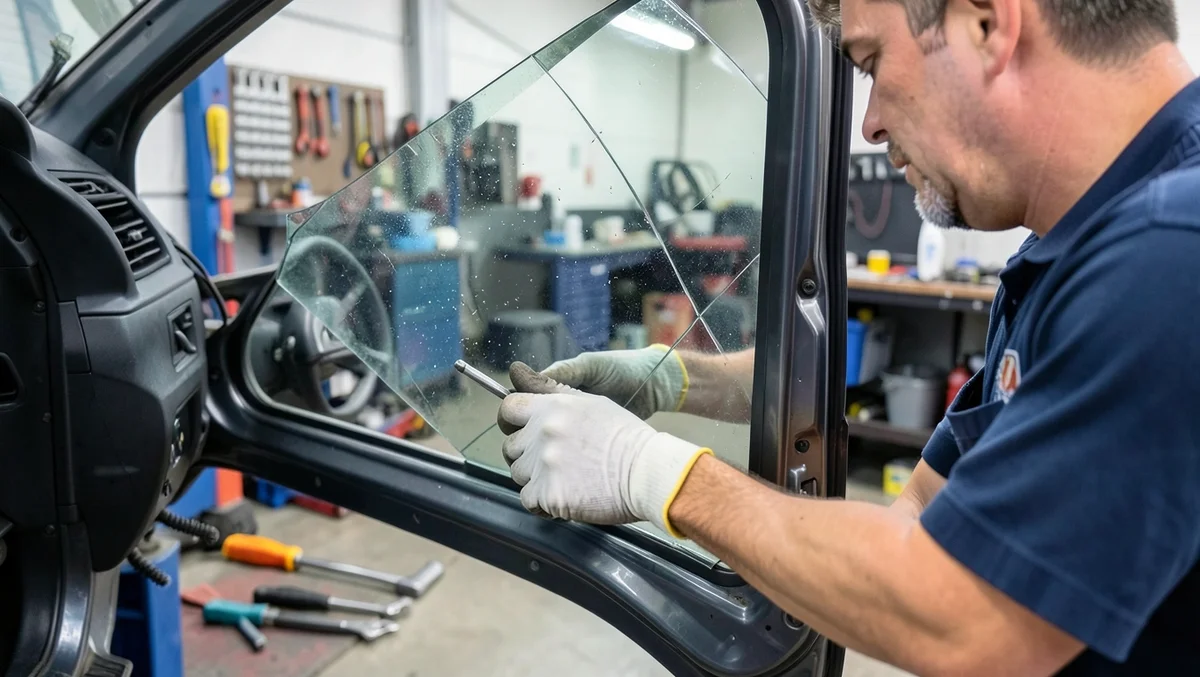
Swapping in ballistic glass without reinforcing anything else only protects part of the vehicle, and it adds real weight the factory door hinges and window mechanisms were not designed to carry. A single rifle-rated door glass panel can weigh two to three times as much as the factory glass it replaces. That’s why reputable installers evaluate the whole vehicle before quoting glass-only work: door hinges, window regulators, and sometimes the suspension and brakes may need upgrading just to handle the added weight safely, even if you never touch the door panels or floor themselves.
A full armored-vehicle package goes further and adds ballistic material to the doors, roof, firewall, and floor pan as well as the glass, closing the gaps a glass-only job leaves open. That’s also why full packages cost several times more than glass alone — you’re paying for continuous protection around the entire cabin, not just the windows.
Is Bulletproof Car Glass Worth It?
For most everyday drivers, a five-figure ballistic glass upgrade is not a proportionate response to normal road risk. It genuinely makes sense for people with a real, elevated threat profile: executives, diplomats, cash-in-transit and armored-car crews, some journalists and public figures, and drivers in regions with a documented risk of carjacking or targeted violence. If your situation is closer to wanting extra peace of mind on a normal commute, security window film or a dash cam and better driving habits will do more for your safety per dollar spent than a partial ballistic glass job.
If you’re researching this because you’re curious about police vehicles specifically, most patrol cars are not actually armored — we cover why, and what it would cost to change that, in a separate guide on whether police cars are bulletproof. And if you landed here looking for cash-in-transit armored car service pricing rather than vehicle glass, that’s a different service entirely — see our guide on how much armored car service costs.
Frequently Asked Questions
What Is the Cost of Bulletproof Glass for a Car?
Bulletproof glass for a car typically costs $3,000 to $20,000 or more per window, or roughly $10,000 to $54,000+ to glaze an entire vehicle, depending on the ballistic protection level. Handgun-rated glass (UL 752 Levels 1–3) sits at the low end of that range, while rifle-rated glass (UL 752 Level 4 and up) costs several times more because the panels are thicker and heavier. A full armored-vehicle package that also reinforces the doors, floor, and body panels can run $100,000 to $300,000 or more on top of the base vehicle.
How Does Bulletproof Glass Protect a Vehicle?
Bulletproof (ballistic) glass is built from alternating layers of laminated glass and polycarbonate, bonded together under heat and pressure. When a bullet strikes the outer glass layer, it fractures and spreads the round’s energy across the surface instead of letting it punch straight through. The polycarbonate layers behind it flex and absorb what’s left of the impact, trapping the bullet before it reaches the cabin. Thicker glass with more layers stops more powerful rounds, which is why higher UL 752 levels use panels up to 2 to 3 inches thick.
Can I Install Bulletproof Glass on Any Car?
In most cases, yes, but the vehicle has to be able to carry the extra weight. A full set of rifle-rated glass panels can add several hundred pounds to a vehicle, so a proper installation usually also involves reinforcing the door hinges, upgrading the suspension, and sometimes uprating the brakes so the car still handles and stops safely. A reputable installer will evaluate your specific make and model before quoting a job rather than bolting in glass alone.
Are Bulletproof Stickers or Window Film Effective for Cars?
Bulletproof stickers are decorative only and provide zero protection against gunfire — they’re novelty items, not safety products. Security window film is a different, more honest budget option: an 8 to 12 mil adhesive film that holds shattered glass together and adds real resistance to smash-and-grab break-ins and blunt impacts. It does not meet any UL 752 or NIJ ballistic rating and will not stop a bullet, but it’s a legitimate low-cost upgrade for drivers who mainly want better shatter and forced-entry resistance.
What Do the UL 752 Ballistic Levels Mean?
UL 752 is the industry testing standard for bullet-resistant glazing in the United States. Levels 1 through 3 are rated to stop common handgun rounds such as 9mm, .357 Magnum, and .44 Magnum. Levels 4 through 8 step up to rifle threats, with the higher levels rated for high-powered rifle rounds like 7.62mm AK-pattern ammunition. Installers sometimes also reference European-style class labels (B4, B6) alongside UL 752 levels — B4 roughly lines up with handgun-level protection, while B6 lines up with rifle-level protection.
Is It Legal to Put Bulletproof Glass in a Car?
Yes. In the United States, civilians can legally buy and install bullet-resistant glass in a personally owned vehicle, and no special police or government permit is required for the glass itself. The catch is that the finished vehicle still has to meet your state’s normal registration, safety, and emissions rules, and adding hundreds of pounds of glass and armor can affect insurance coverage and crash-safety ratings. Confirm the details with your state’s DMV and your insurer before starting a build, especially for a full armor package rather than glass alone.
Conclusion
Bulletproof glass pricing comes down to one question: how much threat are you actually protecting against? Handgun-level protection keeps a per-window cost in the low thousands, while rifle-rated glass and full armored builds push the total well past $50,000. Get quotes from a specialized installer who can evaluate your specific vehicle, ask which UL 752 level the quote is actually rated for, and factor in that glass alone may still need supporting hardware upgrades to handle the added weight safely.
Products related to this article
Sponsored / affiliate links. As an Amazon Associate I earn from qualifying purchases. I may earn additional commission from eligible campaigns.