Do Rental Cars Have GPS Trackers? Laws That Limit Them
Yes — an estimated 90% of U.S. rental cars now carry a GPS or telematics device, whether or not the counter agent mentions it. Hertz, Enterprise, Avis, Budget, and most other major fleets use the hardware for theft recovery, fleet management, and enforcing contract terms like mileage caps or state-line restrictions. A string of lawsuits in the early 2000s already drew a legal line around what companies can charge you for based on that data, and those limits still shape the rules today.
How Rental Car GPS Tracking Actually Works
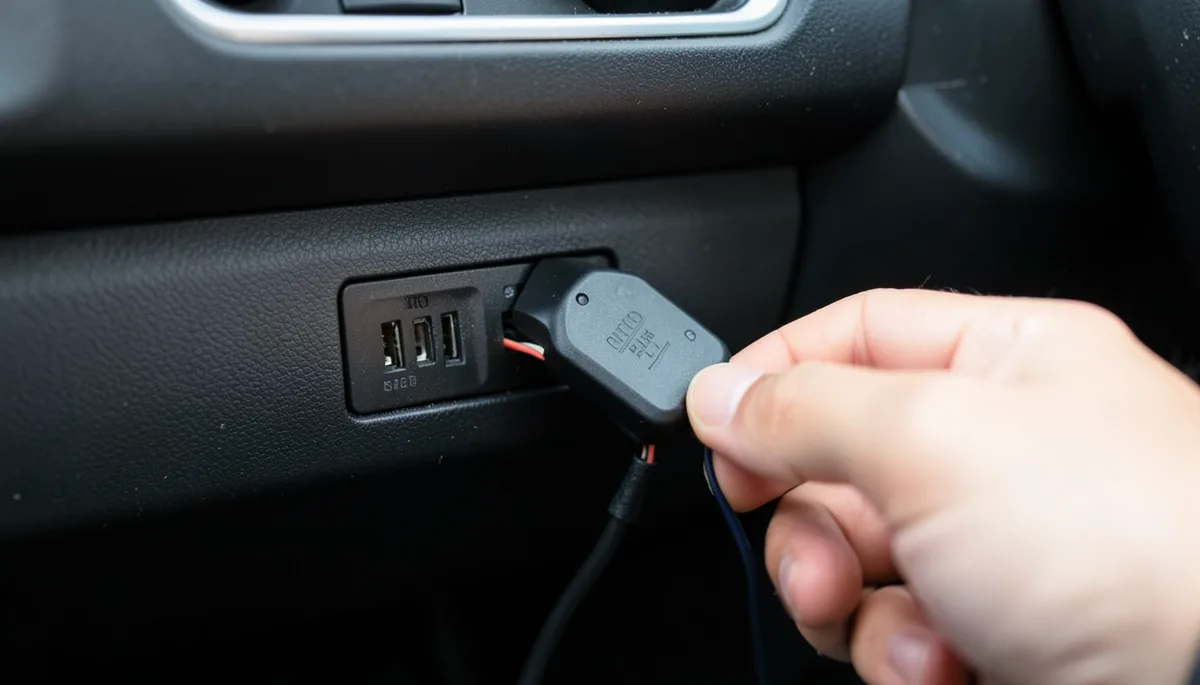
The device rental companies install is not the same as a portable navigation unit. It is a small telematics box, usually wired into the car’s OBD-II port or hardwired in at the factory, that reports the vehicle’s location, speed, and sometimes harsh-braking or geofence events back to a fleet-management dashboard in real time over a cellular connection. Consumer-grade versions of the same hardware are sold directly to car owners as standalone GPS trackers for personal theft recovery, but the fleet version reports to the rental company, not to the driver.
Because the unit is built into the car’s electrical system rather than plugged in by the renter, there is usually no dashboard light or app notification telling you it is active. That is different from a toll transponder or a personal GPS unit you rent at the counter, both of which are visible add-ons you can decline.
Why Rental Companies Track Their Cars
Theft recovery is the reason companies give most often, and it is a real one: a tracked vehicle can be located and shut down remotely within hours instead of being written off as a loss. Beyond recovery, telematics data lets a company enforce contract terms it could not otherwise police, such as blocking a renter from taking a car across a state or national border the agreement excludes, flagging mileage that exceeds a capped-mileage plan, or scheduling maintenance based on actual usage rather than the return date.
Fleet insurers also use aggregate driving-behavior data, like hard braking or repeated speeding, to negotiate premiums across an entire fleet. None of that requires watching any single renter’s trip in real time, which is why most major companies say the data is used for fleet operations rather than day-to-day surveillance.
Which Rental Brands Actually Track You
The ~90% industry figure breaks down by corporate parent, not by counter brand. Enterprise Holdings runs Enterprise, National, and Alamo; Hertz Global runs Hertz, Dollar, and Thrifty; and Avis Budget Group runs Avis, Budget, and Payless. Those three conglomerates operate nearly every airport and neighborhood rental counter in the U.S., and each equips the large majority of its own fleet with GPS or telematics hardware, so the brand name on the counter sign is not a reliable signal of whether your specific car is tracked.
Avis’s own privacy notice spells out what its telematics systems can actually collect, and the list runs well past a location ping: vehicle condition, damage and accident records, performance and diagnostic data, mileage, acceleration, braking, speed, fuel level, tire pressure, odometer readings, and location and movement history. That is a broader data set than the phrase “for theft recovery” usually implies, which is exactly why the Acme and Payless cases below still matter — the data collection itself is not in question, only what a company is allowed to do with it afterward.
Source: Avis Budget Group Privacy Notice.
The Legal Fights That Changed Rental Car Tracking
The industry’s current rules exist largely because two companies tested how far GPS enforcement could go, and lost. In 2001, Acme Rent-a-Car of New Haven, Connecticut, fined a customer $450, at $150 per incident, for exceeding the posted speed limit, based purely on the car’s GPS speed logs. No officer ever pulled the driver over or issued a citation. The renter sued, and a Connecticut judge ruled the fines invalid because Acme had not clearly disclosed the tracking or the penalty in the rental contract itself. The state’s consumer protection division subsequently barred Acme from the practice altogether.
A similar case followed against a Payless Rental franchise in California, which allegedly charged renters undisclosed surcharges, in some cases topping $3,000, for crossing state lines that GPS data revealed. The company agreed to reimburse affected customers. Both cases pushed state legislatures to act: California’s AB 2840, in effect since 2005, blocks rental companies from using GPS data to impose fees or penalties beyond the cost of recovering an actually stolen vehicle, and New York passed a similar restriction on GPS-based speeding fines. Roughly 20 states now give renters some right to request what location data was collected on their trip or to have it deleted.
Source: NPR, coverage of the Acme Rent-a-Car GPS fine case.
What Rental Companies Can (and Cannot) Do With Your Data Today
Avis and Budget both state publicly that they do not use satellite tracking to monitor a customer’s driving unless the vehicle has been reported stolen, and the other majors describe similar policies. In practice, that means the legitimate uses left standing after the 2000s lawsuits are theft recovery, accident or damage investigation, toll billing, and internal fleet scheduling, not charging you after the fact for how fast you drove on a personal trip.
That said, the rental agreement is still the one document that spells out exactly what a specific company collects and how long it keeps it, and those terms vary by state and by brand. Reading the section on vehicle recovery, telematics, or GPS before you sign is the only reliable way to know what applies to your specific rental.
How to Check for a Tracker Before You Sign
Look for a clause mentioning GPS, telematics, or vehicle recovery in the rental agreement, and ask the counter agent directly if you don’t see one. Treat tracking as the default assumption for any modern rental fleet, whether or not the counter agent mentions it up front. If you want to know whether the hardware itself is visible or where it is typically hidden, see what a car tracking device actually looks like.
Do not attempt to remove or disable a device you find. Tampering with rental equipment violates the contract and can void your coverage if the car is later damaged or stolen. If you own the car you are asking about rather than renting it, the process for checking is a little different; see how to check whether your own car has a GPS tracker. And if you want the fuller walkthrough of what a rental telematics box records day to day, we cover that separately in our companion guide to rental car GPS tracking.
One thing the company’s tracker will not do is turn-by-turn navigation for you. If you plan to bring your own GPS unit or use your phone instead of the rental’s built-in system, the short video below covers a common mistake to avoid.
The Bottom Line
Assume your rental car is tracked, because it almost certainly is, but know that the era of companies fining renters directly off GPS speed logs is largely over in the states that acted after the Acme and Payless cases. Read the agreement, ask before you sign, and never try to disable hardware you find, since that risk falls entirely on you if something goes wrong with the car later.
Frequently Asked Questions
Do Rental Car Companies Track Their Cars?
Yes. An estimated 90% of U.S. rental cars from Hertz, Enterprise, Avis, Budget, and similar companies carry GPS or telematics hardware, mainly for theft recovery, fleet management, and enforcing contract terms like mileage or state-line limits.
Can a Rental Company Fine You for Speeding Using GPS Data?
In most cases, no. After Acme Rent-a-Car of Connecticut was sued for fining a renter $450 based only on GPS speed logs, states began limiting the practice. California’s AB 2840 and a similar New York law now block rental companies from using tracking data to charge fees or penalties beyond recovering an actually stolen vehicle.
Can You Remove or Disable a Rental Car’s GPS Tracker?
No. Tampering with or removing a tracking device violates the rental agreement and can void your coverage if the car is damaged or stolen. If you are uncomfortable with the tracking, ask the counter agent about it before you sign rather than disabling it yourself.
How Do You Know If Your Rental Car Has a Tracker?
Check the rental agreement for a clause mentioning GPS, telematics, or vehicle recovery, and ask the counter agent directly. Nearly all modern fleet vehicles have some form of tracking built in, even when it is not advertised at pickup.
Products related to this article
Sponsored / affiliate links. As an Amazon Associate I earn from qualifying purchases. I may earn additional commission from eligible campaigns.
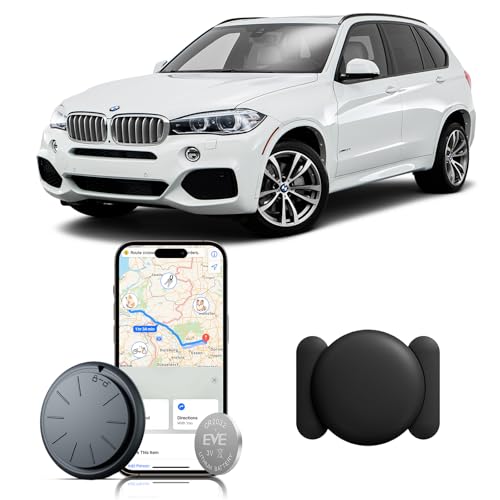 ZFSJTAG Car GPS Tracking Device for Vehicles, 1PCS Real Time GPS Tracker for Car, Work with Find My (iOS Only),Hidden Mini GPS Tracker,No Monthly Fee (Black Tracker, Black Magnetic Case)
 ZFSJTAG Car GPS Tracking Device for Vehicles, 1PCS Real Time GPS Tracker for Car Work with Find My (iOS Only), No Monthly Fee GPS Tracker (White Tracker, White Magnetic Case)