Does Hyundai Give Loaner Cars? Policy Explained
No — Hyundai does not have a company-wide policy that guarantees you a loaner car. Whether you get one comes down to your specific dealership, and it usually only happens for warranty repairs that keep your car overnight or longer.
If your visit is tied to a safety recall instead of a routine repair, Hyundai’s own settlement programs can help even when a loaner isn’t available: the Theta II GDI engine settlement reimburses up to $40 a day for a rental, and the Engine II settlement covers up to $80 a day. This guide walks through when a loaner is actually likely, what that recall reimbursement covers, what paperwork to bring, and what to do if your dealer simply doesn’t have a car to hand you.
Does Hyundai Guarantee a Loaner Car?
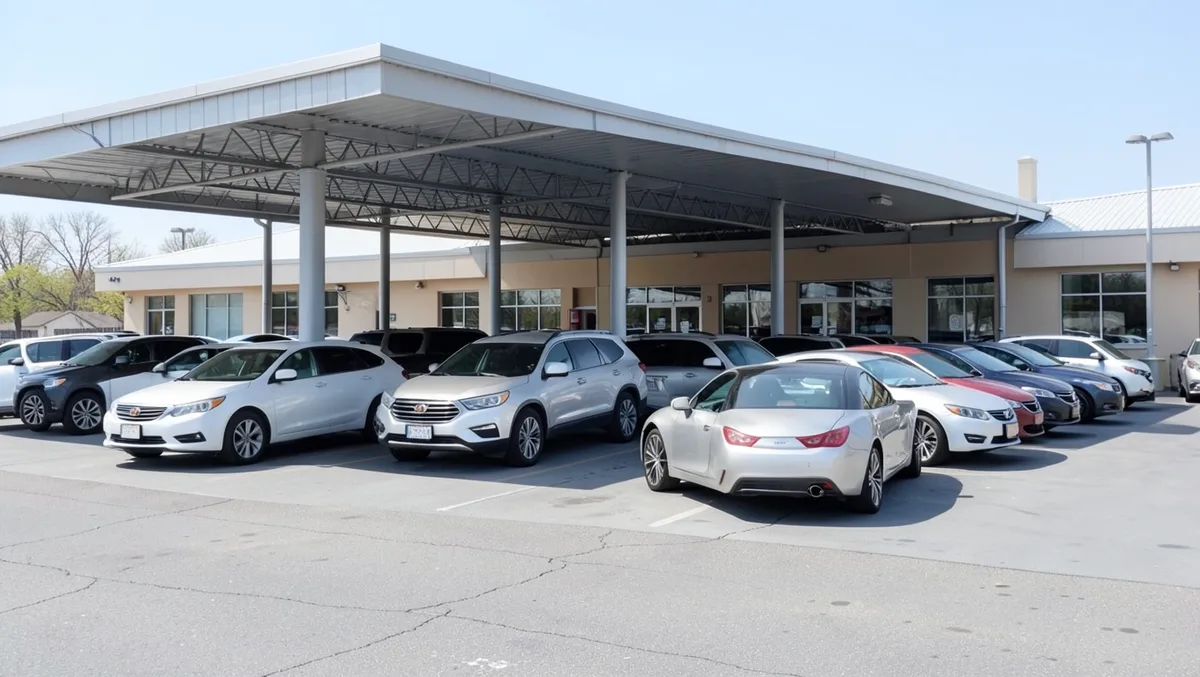
Hyundai’s corporate office doesn’t require dealerships to stock a loaner fleet, and it isn’t part of the standard new-car warranty. A loaner car program is something each dealership chooses to run and pay for on its own, which is why the experience can look completely different at two Hyundai stores twenty minutes apart. Larger, higher-volume dealerships are more likely to keep a small fleet of loaners on hand, while smaller or rural stores may rely entirely on a shuttle service or a rental-car partner instead.
When a dealership does offer loaners, they’re typically reserved for customers whose vehicle needs an extensive or warranty-covered repair, not for a routine oil change or tire rotation. If a loaner isn’t in the cards, it doesn’t necessarily mean you’re on your own — see our guide on whether loaner cars are actually free for how dealerships that do offer them typically handle the cost.
When You’re Most Likely to Get One
Two things matter most: your warranty status and how long the repair will take. If your Hyundai is still under the manufacturer’s warranty and the fix requires keeping the car overnight — commonly once the job runs past roughly 24 hours — many dealerships that offer loaners will use that as their cutoff. Shorter jobs, even warranty ones, often don’t qualify simply because you’re not without a car for long enough to need a replacement.
Repairs that fall outside your warranty window are handled at the dealer’s discretion, and some will still offer a loaner for a nominal daily fee rather than for free. Either way, the only reliable way to know is to ask your service advisor directly when you schedule the appointment, not when you show up expecting one to be waiting.
Recall and Class-Action Rental Reimbursement
Recall repairs work a bit differently than a normal service visit, because the transportation help is often written into the recall or settlement itself rather than left up to the individual dealer. If your Hyundai needs an engine replacement under the Theta II GDI class-action settlement, you can be reimbursed up to $40 per day for renting a comparable vehicle while the work is done. The separate Engine II settlement, which covers a later group of engine-related claims, allows up to $80 per day in rental reimbursement.
Outside of those specific engine settlements, Hyundai also runs a general campaign reimbursement program for other safety recalls: if you paid out of pocket for a rental or a repair tied to a recall, you can file for reimbursement through Hyundai’s owner site. Your recall notice letter should spell out exactly what’s covered for that particular campaign, so keep it along with your receipts.
How to Book a Loaner or Rental Car
If your dealership does offer loaners, booking one is usually simplest by phone or through the same online scheduler you use to set up the service appointment. Ask whether a loaner can be reserved in advance for your specific repair — some dealers hold their small fleet on a first-come, first-served basis and won’t guarantee one without advance notice.
Bring your driver’s license, current vehicle registration, and proof of insurance, since most dealerships require all three before releasing a loaner. It also helps to have your service records or repair order on hand, since that’s often what the advisor uses to confirm you actually qualify under the dealership’s own loaner policy.

If There’s No Loaner Available
A shuttle service is the most common fallback, and most Hyundai dealerships run one at no charge for customers dropping off a car for service. It won’t get you a vehicle to drive, but it will get you to work or home while the repair is done, and you can usually schedule a pickup for whenever the car is ready.
A short-term rental is the other option, and it’s worth checking your own auto insurance before you pay out of pocket — many policies include rental reimbursement coverage that pays for a comparable car while yours is in the shop, though the daily limit and total duration vary by policy. Our guide on whether insurance covers a loaner car breaks down what’s typically included and what isn’t.
What to Ask Your Service Advisor Before You Leave
A few quick questions up front can save you a frustrating surprise later. Before you hand over your keys, it’s worth confirming:
- Does this location offer loaner cars at all, and is one available for your specific repair?
- Is there a daily fee, mileage limit, or fuel policy attached to the loaner?
- How long is the repair expected to take, and does that estimate change your eligibility?
- If no loaner is available, does the dealership offer a free shuttle, and what are its hours?
- If this is a recall repair, does the recall notice mention rental reimbursement, and how do you file for it?
How Hyundai’s Policy Compares to Other Brands
Hyundai isn’t unusual here — most mainstream brands leave loaner programs entirely up to the individual dealership rather than mandating them from the manufacturer. We’ve covered this same dealer-by-dealer reality for Ford dealerships, and the pattern holds across Toyota, Honda, and Chevrolet as well: the manufacturer sets the warranty, but the dealer decides whether a loaner fleet is worth the cost.
Luxury brands tend to be the exception. BMW and Mercedes-Benz frequently build a complimentary loaner into their premium maintenance packages, since it’s a smaller cost relative to the price of the car and a bigger part of the ownership experience customers expect. If you’re comparing across brands, our breakdown of BMW’s loaner car policy shows how that premium-tier approach typically works in practice.
2026 Update: Hyundai Discontinuing Complimentary Maintenance
Hyundai has confirmed it’s discontinuing the complimentary scheduled maintenance that came bundled with new-vehicle purchases on 2026 model-year vehicles. That change doesn’t touch warranty repair coverage or the recall reimbursement programs described above, but it does mean routine visits like oil changes will no longer be free for buyers of the newest models — which makes it even more worth asking upfront whether a loaner or shuttle is available for those visits, since routine maintenance was already the least likely repair type to qualify for one.
Frequently Asked Questions
Are dealerships legally required to give you a loaner car?
No. There’s no federal or Hyundai corporate requirement that a dealership provide a loaner car. Some offer them as a courtesy for warranty repairs, but it’s entirely a dealership-level decision, and policies vary from store to store.
What is the difference between a loaner car and a rental car?
A loaner car is provided directly by the dealership or repair shop while your vehicle is being serviced, usually at no charge for qualifying warranty repairs. A rental car comes from a separate rental company, is available to anyone regardless of service status, and almost always charges a daily rate based on the vehicle and rental duration.
Do insurance companies provide loaner cars?
Insurance companies don’t provide loaner cars directly, but many auto policies include rental reimbursement coverage that pays for a comparable rental while your car is being repaired, up to a daily limit set by your policy. Check your declarations page or ask your agent whether that coverage is included — see our full guide on whether insurance covers a loaner car for details.
Does Hyundai give rentals for recalls?
It depends on the recall. Some recall campaigns build transportation assistance directly into the program, and Hyundai also runs a general campaign reimbursement process for recall-related expenses paid out of pocket. Your recall notice letter is the most reliable source for what’s covered on your specific campaign.
How much does Hyundai reimburse for a rental during an engine recall?
It depends on which settlement applies to your vehicle. The Theta II GDI class-action settlement allows up to $40 per day for a rental car, while the newer Engine II settlement allows up to $80 per day. Both require you to keep your rental receipts to file for reimbursement.
Is Hyundai ending free maintenance in 2026?
Yes, for 2026 model-year vehicles. Hyundai has confirmed it’s discontinuing the complimentary scheduled maintenance that used to come with a new-vehicle purchase. Warranty repair coverage and recall reimbursement programs aren’t affected by this change.
Conclusion
Hyundai leaves loaner cars up to each dealership, so the honest answer is “sometimes, if your dealer offers it and your repair qualifies.” Warranty repairs that take a car off the road overnight are your best odds, recall-related engine work has its own reimbursement programs worth up to $80 a day, and a shuttle or rental reimbursement through your own insurance are the two fallbacks worth asking about if a loaner isn’t on the table. If you want the broader picture of who typically pays for a loaner across brands, our guide to who pays for a loaner car covers that in more depth.
The one step that matters most is asking your service advisor directly when you book the appointment, not after you’ve already dropped the car off. That’s the only way to know what your specific dealership can actually offer.
Products related to this article
Sponsored / affiliate links. As an Amazon Associate I earn from qualifying purchases. I may earn additional commission from eligible campaigns.