Climate Control Car Meaning: Is the Feature Worth It?
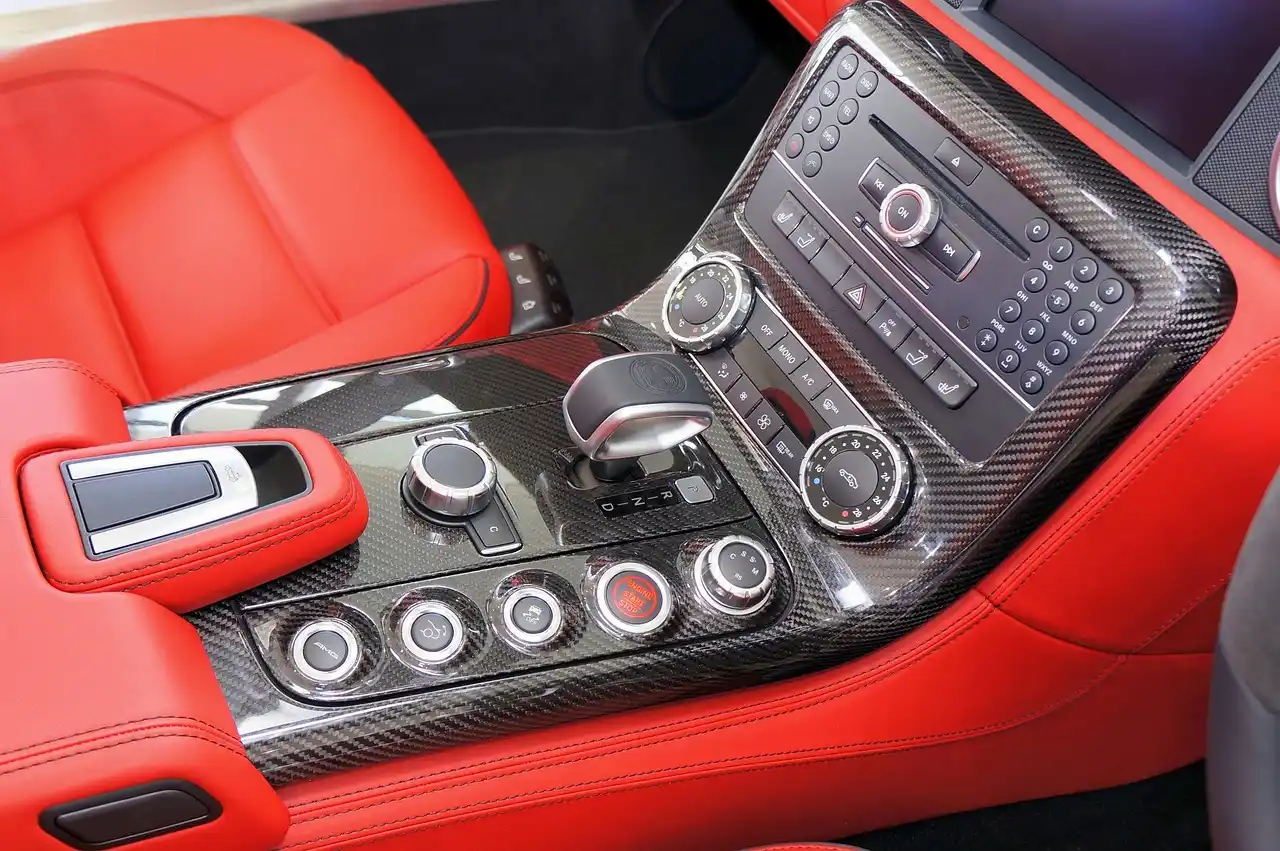
Climate control in a car means the system automatically manages cabin temperature, fan speed, and sometimes airflow to hold a set temperature. It is worth paying for if you want steadier comfort and fewer manual changes, but not if you are happy to adjust the settings yourself. Skip it and you may end up with constant fiddling, uneven cabin temperatures, and extra trim cost for a feature you rarely use. This guide explains how automatic climate control differs from manual A/C, when it pays off, and when the cheaper option makes more sense.
Quick answer
Climate control means the car keeps the cabin near the temperature you choose instead of making you change fan speed and heat or cooling settings all the time. The system watches the cabin and reacts on its own. That is the key difference from manual air conditioning.
In practical terms, you set a target temperature, then the system works to hold it. It can add cooling, add heat, change blower speed, and direct air to different vents without constant driver input. That is why it feels more automatic than a standard AC setup.
How automatic climate control works
Automatic climate control uses sensors and an HVAC control module to compare the cabin’s current condition with the temperature you set. The module then changes cooling, heating, airflow, and sometimes humidity control so the cabin stays near that target. It is a feedback loop, not a fixed setting.
Sensors the system reads
A cabin temperature sensor measures interior air temperature. An ambient temperature sensor measures outside temperature, which helps the system react to weather changes. Some cars also use a sunlight sensor to account for solar heat, and a humidity sensor in certain cars to help reduce fogging.
How the HVAC module reacts
The HVAC control module processes those inputs and decides what to ask for next. If the cabin is too warm, it can call for more compressor operation and more blower output. If the cabin is too cool, it can direct air through the heater core and reduce cooling demand.
What changes inside the cabin
The blower motor moves air through the system, while the air distribution vents direct that air where it is needed. In cooling mode, the compressor drives the refrigerant cooling cycle. In heating mode, the heater core warms the air before it reaches the cabin. The system keeps adjusting those pieces together.
Suppose the cabin is set to 22°C on a bright afternoon and the sun keeps hitting the dash. The sunlight sensor can tell the system the cabin will feel warmer than the temperature reading alone suggests, so the module may increase cooling and fan speed sooner than a manual system would.
Climate control parts and sensors
Automatic climate control relies on a small set of parts that work together. The sensors tell the system what is happening, and the HVAC hardware changes the air that reaches the cabin. If one input is wrong, the whole system can feel off even when the A/C itself still runs.
| Part or sensor | What it does | Why it matters |
|---|---|---|
| Cabin temperature sensor | Measures interior air temperature | Gives the module the main feedback signal |
| Ambient temperature sensor | Measures outside temperature | Helps the system react to weather changes |
| Sunlight sensor | Measures solar load | Raises cooling demand when sun heat increases |
| Humidity sensor | Tracks moisture in some cars | Helps reduce window fogging |
| HVAC control module | Processes sensor inputs and chooses output | Controls the system’s response |
| Compressor | Drives refrigerant cooling | Provides cabin cooling |
| Heater core | Provides cabin heat | Warms the air that enters the cabin |
| Blower motor | Moves air through the system | Controls how much air reaches the cabin |
| Air distribution vents | Direct airflow | Changes where the air goes |
What’s the difference between manual AC and climate control?
Manual AC requires the driver to control fan speed, temperature level, and airflow direction manually. Climate control handles those changes after you set a temperature target. The main difference is how steadily the cabin stays near that target. The second difference is how much attention the system asks from you.
Comfort and consistency
Automatic climate control usually holds cabin temperature more steadily. Manual AC can work well, but it depends on the driver making the right changes at the right time. If outside conditions swing during a commute, manual control often needs extra input to keep the cabin feeling even.
Cost and trim positioning
Climate control often appears on higher trim grades or as a paid option package. Manual AC is simpler and lower cost. For a buyer trying to keep the purchase price down, that price gap matters more than the convenience gap if the car is used mostly in mild weather.
Driver effort and distraction
Climate control can reduce the number of times you reach for the knobs or buttons. That matters most in stop-and-go traffic, long drives, or weather that changes through the day. Manual AC is enough if you do not mind making those adjustments yourself.
A common first-timer mistake is paying for dual-zone climate control when the real question is whether automatic control is needed at all. Dual-zone only means the driver and front passenger can choose different temperatures. It is separate from basic automatic climate control, and it does not automatically make the system better for every buyer.
Does climate control use more fuel?
Climate control can use more fuel or energy when the compressor runs harder, but the effect is usually modest and depends on conditions. The main load comes from cooling demand, not from the label on the dashboard. In some cars, AC use can cause a slight drop in engine revs and around 4bhp of power draw.
Why compressor load matters
The compressor is part of the cooling operation, and it takes engine power when it runs. That does not mean climate control is always wasteful. It means the system has to do work whenever the cabin needs cooling or drying, just like manual AC does.
When the difference is small
If the cabin is already near the target temperature, automatic climate control may cycle the compressor and fan in a way that keeps the load in check. In light weather, the difference between manual AC and automatic control may be minor. The bigger fuel hit usually comes from high cooling demand, not the control strategy.
What affects efficiency most
Outside heat, sun load, parked-in-sun cabin temperature, and how low the set temperature is all matter. A lower target means more work. A clogged cabin air filter or weak airflow can also make the system work harder than it should. That is where efficiency often goes wrong.
Climate control decision matrix
Use this matrix to judge whether climate control fits your buying pattern. Score each factor from 0 to 2, then total the points. Higher scores point to more value from automatic climate control, while lower scores suggest manual AC is enough.
| Factor | 0 points | 1 point | 2 points |
|---|---|---|---|
| Climate | Mild most of the year | Mixed seasons | Hot, cold, or changeable weather |
| Commute length | Short local trips | Moderate drives | Long daily commute |
| Passenger sensitivity | Usually solo driving | Occasional passengers | Frequent passengers or kids |
| Budget | Strict purchase budget | Some room for options | Feature cost is acceptable |
| Maintenance tolerance | Want the simplest system | Some complexity is fine | Happy with extra parts and sensors |
0 to 3 points: skip it. Manual AC is likely enough, especially in a mild climate with short trips and a tight budget.
4 to 7 points: nice to have. You will probably appreciate the steadier cabin temperature, but it is not essential.
8 to 10 points: worth it. Automatic control is likely to pay off in day-to-day use.
Say your daily drive is about 40 minutes each way, with morning frost in winter and harsh afternoon sun in summer. That is a strong case for climate control because the system has time to settle and then hold a target temperature, which is harder to do by hand when the weather changes twice in one day.
Why climate control stops working properly
Climate control can fail in ways that feel small at first. Weak airflow, inconsistent temperature, strange fan behavior, or lingering fogging often point to a sensor fault, a blend door problem, low refrigerant, or a control-module issue. The system may still run, but it stops regulating well.
Weak airflow and bad fan behavior
If the blower motor is weak, the cabin may warm or cool slowly because air is not moving through the system properly. A blocked cabin filter can do the same thing. If the fan speed jumps around or stays wrong, the issue may be electrical or tied to the control module.
Inconsistent temperature or stuck vents
When one vent blows cold and another stays warm, or the temperature never seems to match the setting, the system may have a blend door fault. A blend door controls how much air passes through the heater core versus the cooling side. If it sticks, the cabin temperature can swing or stay wrong.
Fogging, sensor faults, and module issues
Fogging that keeps coming back can mean the system is not removing moisture well enough, or a humidity sensor is not giving the right input where fitted. A bad cabin or ambient sensor can also make the module react in the wrong direction. If several symptoms appear at once, the control module may be involved.
- Check whether airflow from the vents is weak, uneven, or noisy.
- Watch for temperature swings that do not match the set point.
- Notice whether vents stay in one position or refuse to change.
- Look for recurring fogging, especially during damp weather.
- Have the cabin filter, refrigerant charge, sensors, and control module diagnosed before replacing major parts.
Frequently asked questions
What does climate control mean in a car?
Climate control means the car automatically maintains a cabin temperature you select. Instead of adjusting fan speed and temperature by hand, the system uses sensors and a control module to change heating, cooling, and airflow as conditions change. That makes the cabin steadier with less driver input.
How does automatic climate control work?
The system reads cabin temperature, outside temperature, and sometimes sunlight and humidity. The HVAC control module compares those inputs with your set temperature, then adjusts the blower motor, compressor, heater core, and vents to keep the cabin near the target. It keeps rechecking and reacting as you drive.
Is climate control worth it in a car?
It is worth it if you drive in hot or cold weather, have longer commutes, carry passengers often, or want fewer adjustments. It is usually less valuable if you mainly take short trips in mild weather and want the cheapest, simplest setup available. Budget and use case matter most.
Does climate control help with foggy windows?
Yes, it can help. By managing temperature, airflow, and sometimes humidity, the system can dry the cabin air and reduce condensation on the glass. Some cars use a humidity sensor for this reason. It is not magic, but it often clears or prevents fogging better than manual settings left unchanged.
Is climate control standard or an extra option?
It depends on the vehicle. Climate control is often fitted to higher trim levels or sold in option packages, while manual AC is more common on base models. If you are comparing trims, check whether the price difference is mainly for climate control or for other equipment bundled with it.
Products related to this article
Sponsored / affiliate links. As an Amazon Associate I earn from qualifying purchases. I may earn additional commission from eligible campaigns.