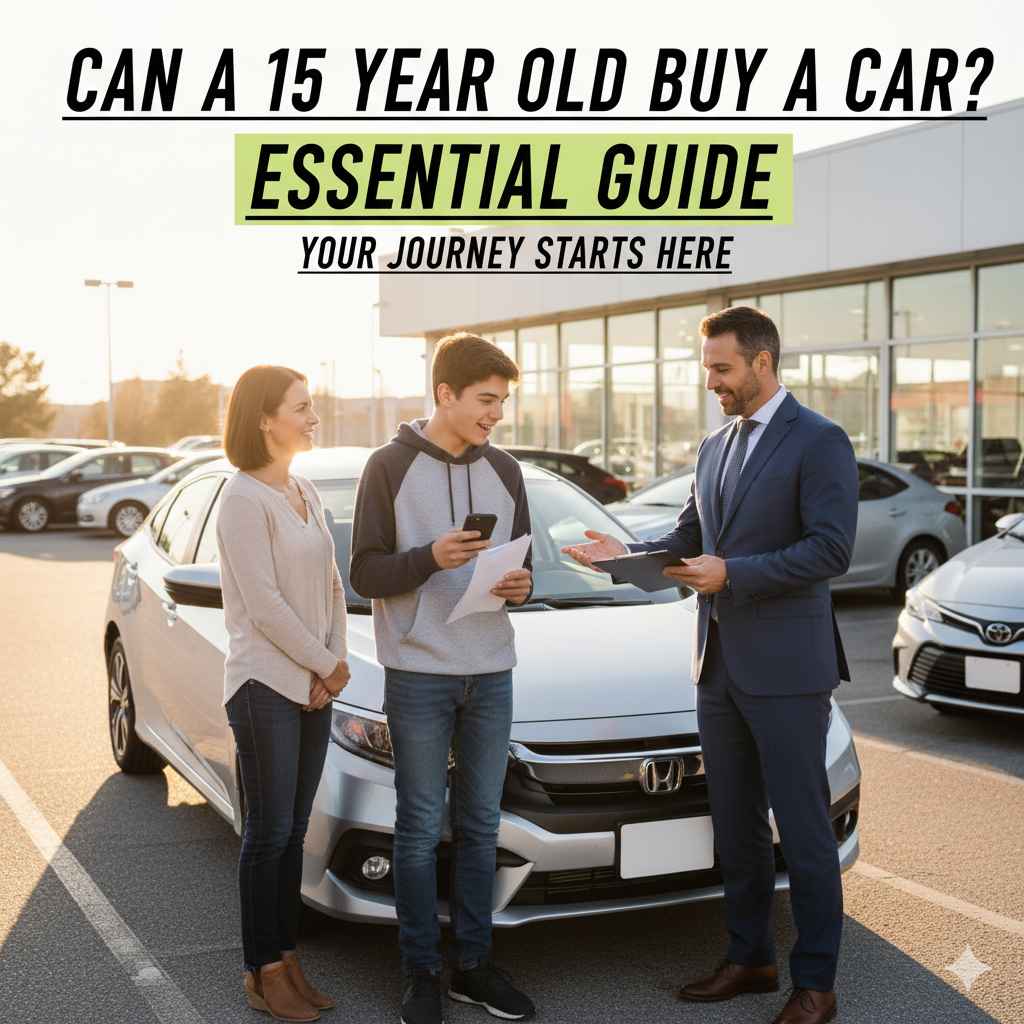
Can a 15 Year Old Buy a Car: Essential Guide
Yes, a 15-year-old can legally buy a car, but they cannot drive it independently without proper licensing and insurance in most places. Purchasing usually requires a co-signer (like a parent or guardian) due to age restrictions on contracts and loans. Driving privileges depend entirely on local laws and obtaining a learner’s permit or provisional license.
Getting your own wheels at 15 is a dream for many, and guess what? It’s actually possible! While the idea of a 15-year-old cruising in their own car sounds like pure freedom, there are some important steps and rules to know. It’s not quite as simple as walking into a dealership and driving off, but with a little planning, you or a teen you know can make it happen. This guide will break down exactly what you need for purchasing and owning a car at this age, so let’s dive in!
Can a 15-Year-Old Legally Buy a Car?
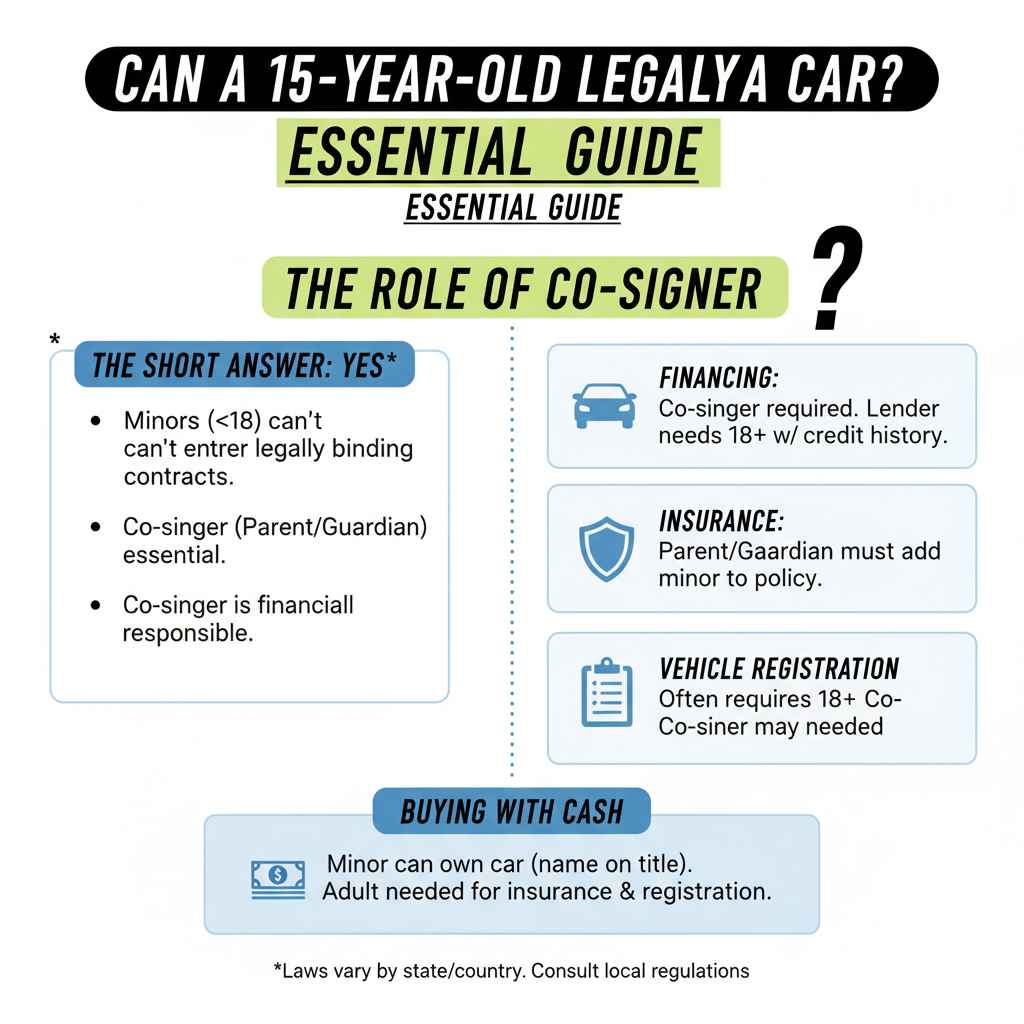
The short answer is yes, a 15-year-old can legally purchase a vehicle. However, the process is a bit different than it is for adults. Think of it like buying a house – there are legal agreements involved, and age is a factor. For most significant purchases that involve contracts or loans, individuals under 18 are considered minors. This means they can’t enter into legally binding agreements on their own.
So, while a 15-year-old can technically hand over money for a car or have their name on the title, there are some key hurdles:
The Role of a Co-signer
Because 15-year-olds are minors, they generally can’t sign legally binding contracts for things like car loans or insurance policies. This is where a parent or legal guardian becomes essential. A co-signer agrees to be financially responsible for the vehicle, whether it’s a loan payment or potential damages.
- Financing a Car: If you plan to finance a car (take out a loan), a co-signer is almost always required. The lender needs someone over 18 with a credit history to guarantee the loan.
- Insurance: Car insurance companies require the primary policyholder to be of legal age. A parent or guardian will need to add the 15-year-old driver to their policy or set up a policy in their name.
- Vehicle Registration: In many places, registering a vehicle also requires the owner to be 18 or older. A parent or guardian might need to co-sign the registration as well.
Buying with Cash
If the car is purchased outright with cash, the process can be simpler. The 15-year-old can technically own the car, with their name on the title. However, they will still need a licensed adult to handle the insurance and registration steps.
Legal Driving Requirements for a 15-Year-Old
This is where the distinction between buying and driving is crucial. Just because a 15-year-old can own a car doesn’t mean they can legally drive it unsupervised. Driving laws vary significantly by state and even country, but most follow a graduated driver licensing (GDL) system.
The Graduated Driver Licensing (GDL) System
GDL programs are designed to give new drivers supervised experience before granting full driving privileges. Here’s a general overview of what a 15-year-old can expect:
- Learner’s Permit: This is typically the first step, available at age 15 or 16 in most states. A learner’s permit allows the teen to drive only when accompanied by a licensed adult (usually over 21 or 25) in the passenger seat. There are often restrictions on when and where they can drive (e.g., no driving at night).
- Intermediate or Provisional License: After holding a permit for a specified period (e.g., six months to a year) and completing a certain number of supervised driving hours (often 40-60), the teen may be eligible for an intermediate or provisional license. This allows for more independent driving but still comes with restrictions, such as limits on passengers under a certain age and nocturnal driving curfews.
- Full Driver’s License: Once the teen reaches a certain age (usually 17 or 18) and has a clean driving record, they can apply for an unrestricted driver’s license.
State-Specific Laws are Key
It’s vital to check the specific requirements in your state or region. You can usually find this information on your state’s Department of Motor Vehicles (DMV) or equivalent agency website. A great resource for this is the National Highway Traffic Safety Administration (NHTSA), which provides an overview of GDL laws by state.
Steps to Buying a Car at 15
Ready to make the purchase a reality? Here’s a step-by-step guide on how a 15-year-old can buy a car, with a parent or guardian involved.
Step 1: Determine Your Budget and Needs
Before even looking at cars, it’s crucial to figure out affordability and practical needs. This is a team effort between the teen and any co-signing adult.
What can you realistically afford? Consider the purchase price, insurance costs, fuel, maintenance, and registration fees.
What type of car is needed? A commuter car for getting to school or a part-time job? Something for learning to drive? Safety should be a top priority.
Who will be the primary driver? This affects insurance rates.
Step 2: Research Cars
Once you have a budget and understand your needs, it’s time for research. Focus on reliable, safe, and affordable used cars.
Reliability Ratings: Look for brands and models known for dependability. Organizations like Consumer Reports offer extensive reviews and reliability data.
Safety Features: Prioritize cars with good safety ratings. Check the Insurance Institute for Highway Safety (IIHS) for crash test results.
Running Costs: Consider fuel efficiency (MPG), common repair costs, and insurance premiums for specific models.
Step 3: Get Pre-Approved for Financing (If Needed)
If you’re not paying cash, having financing in place before you shop can give you leverage. A parent or guardian will need to apply for the loan with you as a co-signer.
Credit Unions and Banks: These often offer better rates than dealership financing.
Understand the Terms: Pay close attention to the interest rate (APR), loan term (number of months), and monthly payment.
Step 4: Inspection and Test Drive
Never buy a car without a thorough inspection.
Pre-Purchase Inspection (PPI): This is non-negotiable for used cars. Take the car to an independent mechanic to have it checked for any hidden problems. This small cost can save you thousands in repairs down the line.
Test Drive: Drive the car in various conditions (city streets, highways) to assess its performance, brakes, steering, and check for strange noises.
Step 5: The Purchase Process
This involves paperwork and transferring ownership.
Valid Driver Identification: The teen will need a valid ID, and the co-signer will need theirs.
Title Transfer: The seller signs over the title to the buyer(s). If a loan is involved, the lender may hold the title until the loan is paid off.
Bill of Sale: This is a document that details the transaction, including the sale price, date, and vehicle information.
Step 6: Insurance and Registration
These are critical steps before the car can be legally driven.
Secure Insurance: A parent or guardian must secure an insurance policy. They can either add the teen to their existing policy or get a new policy in their name with the teen as a listed driver. Proof of insurance is required for registration.
Register the Vehicle: Take the title, bill of sale, proof of insurance, and any other required documents to your local DMV or equivalent agency. A parent or guardian will likely need to sign the registration paperwork.
Understanding the Costs of Car Ownership
Owning a car is more than just the purchase price. For a 15-year-old, understanding these costs is essential for responsible ownership.
Purchase Price
This is the initial cost of the car. For a 15-year-old, a reliable used car is often the best option, ranging from a few thousand dollars for an older, basic model to $10,000-$15,000 for something newer and safer.
Insurance Premiums
Teen drivers, especially younger ones, face some of the highest insurance rates due to their inexperience. Factors influencing this include:
- Age and Gender of Driver
- Type of Vehicle
- Driving Record (or lack thereof)
- Location
- Coverage Levels
- Whether they are on a parent’s policy or their own
It’s crucial to get insurance quotes before* buying a car to understand this significant monthly expense.
Fuel Costs
This depends on the car’s fuel efficiency (MPG) and how much it’s driven. A fuel-efficient compact car will cost less to fuel than a larger SUV.
Maintenance and Repairs
Regular maintenance (oil changes, tire rotations) is vital to keep a car running smoothly. Unexpected repairs can also pop up. Budgeting for these is essential. For older used cars, expect maintenance costs to be higher.
Taxes, Registration, and Fees
These vary by state but include annual registration fees, title fees, and potentially sales tax on the purchase.
Pros and Cons of a 15-Year-Old Owning a Car
Weighing the benefits against the challenges is important for both the teen and parents.
Pros
- Increased Independence: Offers freedom to travel to school, work, or social events without relying on others.
- Responsibility: Teaches valuable lessons about managing finances, maintenance, and the consequences of driving.
- Convenience: Provides a reliable way to get around, especially in areas with limited public transportation.
- Life Skills: Learning to navigate car maintenance, insurance, and road rules builds essential adulting skills.
Cons
- High Insurance Costs: Teen drivers typically have the highest insurance premiums.
- Financial Burden: The total cost of ownership (purchase, insurance, fuel, maintenance) can be substantial.
- Risk of Accidents: Inexperienced drivers are statistically more prone to accidents.
- Distractions: Teen drivers are often more susceptible to distractions like phones and passengers.
- Legal Complexities: Navigating contracts and licensing laws can be complicated without adult assistance.
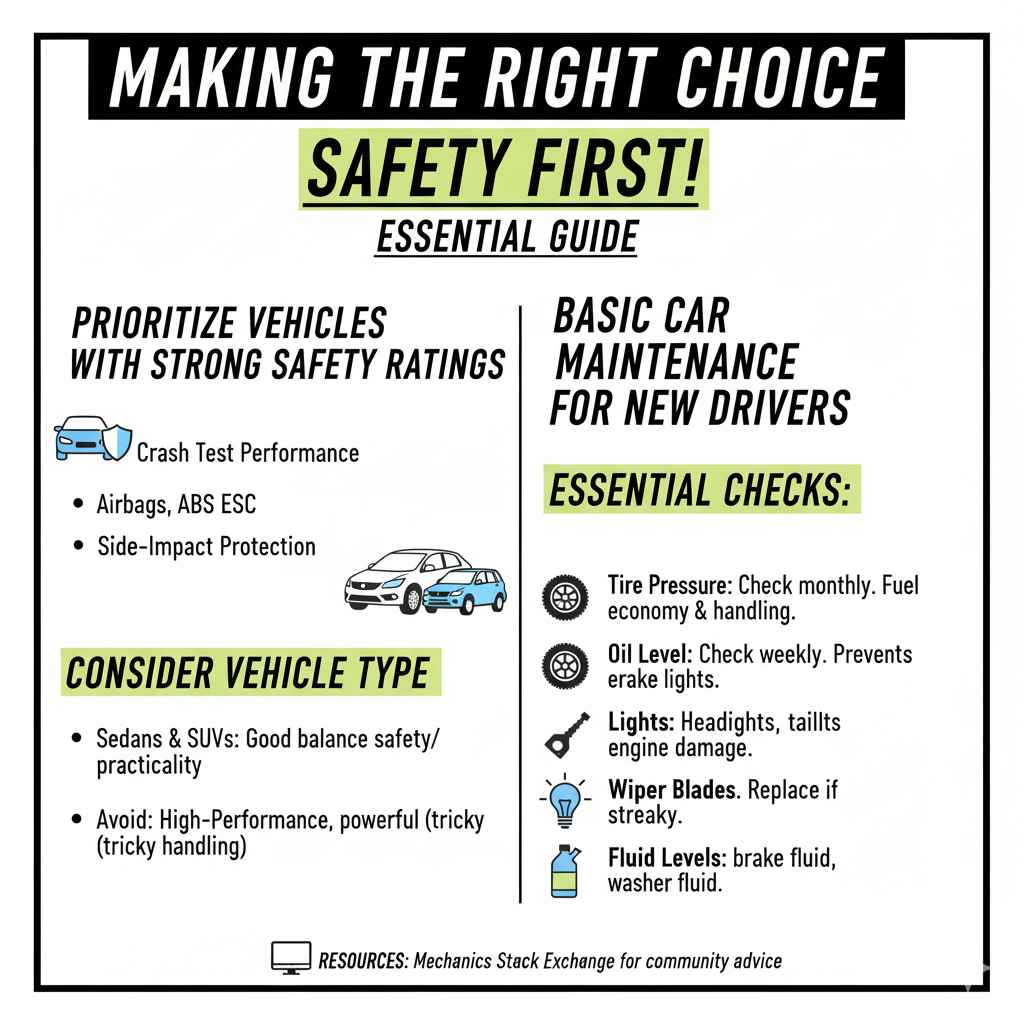
Making the Right Choice: Safety First!
When a 15-year-old is looking to buy a car, safety must always be the top priority. Here’s what to focus on:
Prioritize Vehicles with Strong Safety Ratings
Look for cars that have performed well in crash tests. Features like airbags, anti-lock brakes (ABS), electronic stability control (ESC), and side-impact protection are crucial.
Consider Vehicle Type
While a sporty coupe might be appealing, larger, heavier vehicles often offer better protection in a collision. Sedans and SUVs generally provide a good balance of safety and practicality. However, overly large or powerful vehicles can be harder for new drivers to control.
Avoid High-Performance Cars
Cars with powerful engines, rear-wheel drive, or a tendency to accelerate quickly can be tempting but are often too much for an inexperienced driver. Stick to models known for sensible performance and predictable handling.
Basic Car Maintenance for New Drivers
Even if you have a mechanic for major repairs, understanding basic maintenance can save money and ensure safety.
Essential checks:
- Tire Pressure: Check monthly. Properly inflated tires improve fuel economy and handling.
- Oil Level: Check the dipstick every few weeks. Low oil can damage the engine.
- Lights: Ensure all headlights, taillights, and brake lights are working.
- Wiper Blades: Replace if they streak or chatter.
- Fluid Levels: Check coolant, brake fluid, and windshield washer fluid regularly (consult the owner’s manual for details).
Resources like Mechanics Stack Exchange can also provide community-driven advice on common issues.
FAQ Section
Q1: Can a 15-year-old get their driver’s license?
No, in most places, a 15-year-old cannot get a full driver’s license. They can typically obtain a learner’s permit, which allows supervised driving with a licensed adult. A provisional or intermediate license usually becomes available at 16 or later, with restrictions.
Q2: Who usually co-signs for a 15-year-old’s car purchase?
A parent or legal guardian is almost always the co-signer. They are legally bound by the contract, such as a loan or insurance policy, and take on financial responsibility.
Q3: Is it cheaper for a 15-year-old to be added to a parent’s insurance or get their own policy?
It is almost always significantly cheaper to be added to a parent’s existing auto insurance policy. Setting up a standalone policy for a teen driver is very expensive.
Q4: What are the biggest costs involved in car ownership for a 15-year-old?
The largest ongoing costs are typically car insurance premiums, followed by fuel, and then maintenance and potential repair costs. The initial purchase price is also a major factor.
Q5: Can a 15-year-old pay for a car with cash?
Yes, a 15-year-old can legally buy a car with cash. However, even with cash, an adult will likely need to be involved for insurance and registration purposes due to age restrictions on those legal processes.
Q6: What type of car should a 15-year-old look for?
It’s best to choose a reliable, fuel-efficient, and safe used car. Older sedans or smaller SUVs from reputable brands are often good choices. Avoid high-performance or overly large vehicles.
Table: Document Checklist for Car Purchase at 15
| Document Type | Who Needs It? | Notes |
|---|---|---|
| Valid Government-Issued ID | 15-Year-Old & Co-signer | To verify identity for all parties. |
| Proof of Insurance | Co-signer (or policyholder) | Required for registration and legal driving. Must be secured before driving. |
| Vehicle Title | Buyer(s) & Seller | Proof of ownership. May be held by lender if financed. |
| Bill of Sale | Buyer & Seller | Details the transaction, including price and date. |
| Loan Pre-Approval (if financed) | Co-signer | Secures financing and shows seller you’re ready to buy. |
| Registration Application | Co-signer | Submitted to the DMV/equivalent agency. |
| Smog Certificate (if applicable) | Seller | Required in some states for registration. |
Conclusion
So, can a 15-year-old buy a car? The answer is a resounding yes, with the crucial caveat that adult supervision and co-signing are almost always necessary for the legal and financial aspects. It’s an exciting prospect that offers a tangible step towards independence, but it comes with significant responsibilities and costs.
By carefully planning budgets, researching safe and reliable vehicles, working closely with a parent or guardian for financing, insurance, and registration, and always prioritizing safety on the road, a 15-year-old can successfully navigate the process of car ownership. Remember, this isn’t just about owning a vehicle; it’s about building good habits, learning financial literacy, and developing a strong sense of responsibility that will serve you well for years to come. Happy car hunting!