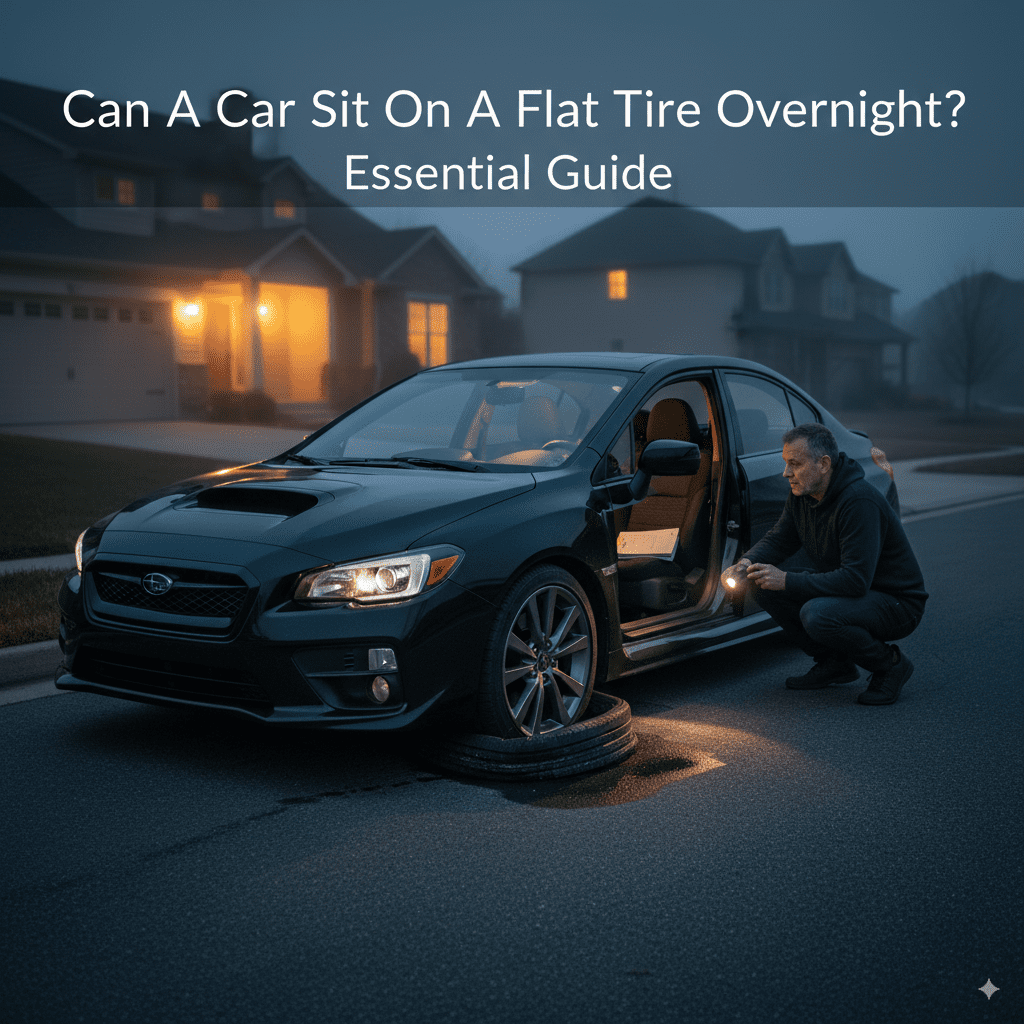
Can A Car Sit On A Flat Tire Overnight? Essential Guide
Absolutely! While not IDEAL, a car can typically sit on a flat tire overnight without causing major, irreversible damage. However, prolonged sitting on a flat can lead to further tire degradation and potential rim damage. This guide explains the risks and what you can do.
Finding a flat tire can be frustrating, especially when you discover it late in the day and need your car in the morning. You might wonder, “Can my car just wait it out on this flat tire until the morning?” It’s a common question, born from the inconvenience and potential worry about causing more harm. The good news is, for a short period like one night, your car is likely to be okay. However, understanding the full picture – the risks involved and the best immediate steps to take – is super important. We’ll walk you through exactly what to expect and how to handle it, making sure you feel confident and prepared, no matter what automotive curveball comes your way.
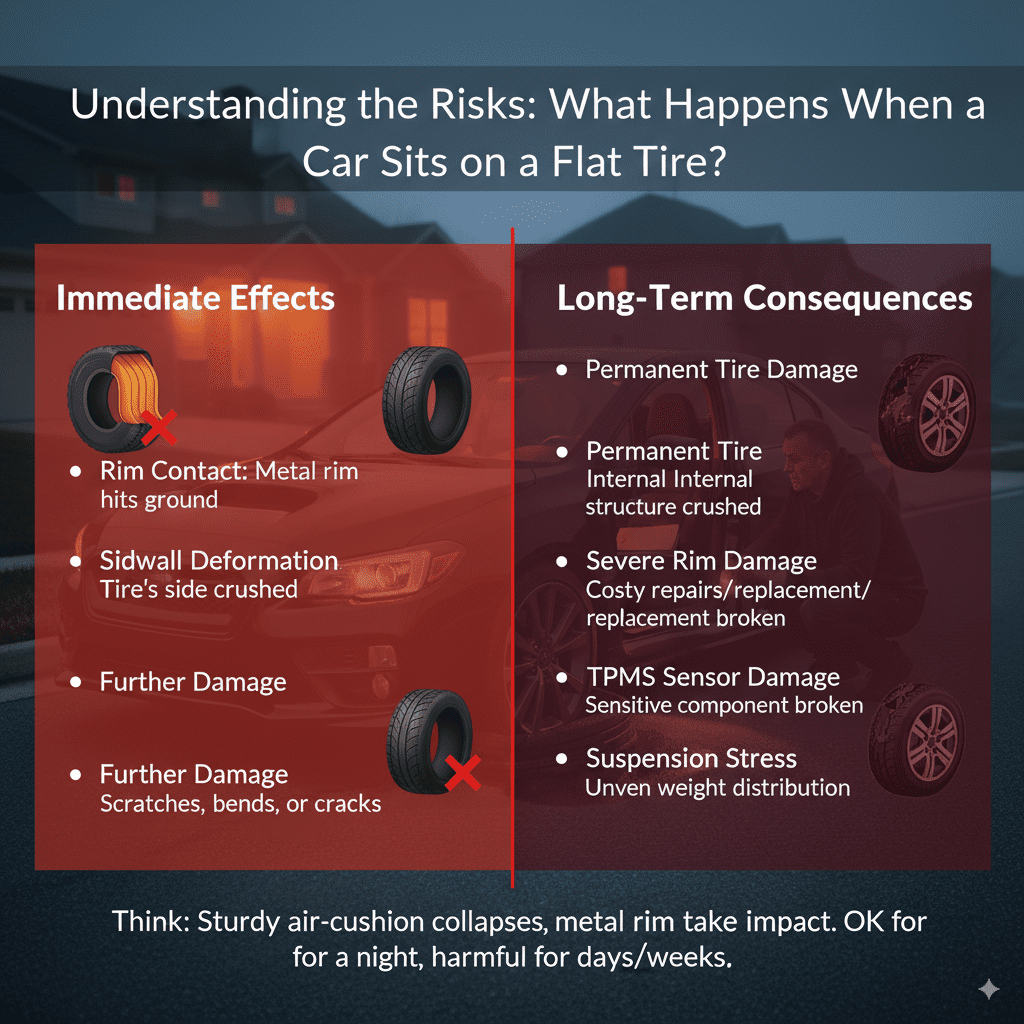
Understanding the Risks: What Happens When a Car Sits on a Flat Tire?
Let’s break down what’s really going on when your car’s weight is resting on a completely deflated tire. It’s more than just a flat tire; it’s about how that flat tire interacts with the weight of your vehicle over time. While one night usually won’t spell disaster, the longer a car sits flat, the more likely you are to encounter problems.
Immediate Effects of Sitting Flat
When a tire loses all its air, the air pressure inside drops significantly. This means the tire collapses under the weight of the car. Here’s what that looks like:
- Rim Contact: The most immediate concern is the wheel rim (the metal part of your wheel) making direct contact with the ground. Tires are designed to provide a cushion between the rim and the road. Without air, this cushion is gone.
- Tire Sidewall Deformation: The sidewall of the tire, which is usually flexible, is now bearing the full weight of the car. This can cause the sidewall to flatten and deform, sometimes permanently.
- Potential for Further Damage: If the rim is touching the ground, it can get scratched, bent, or even cracked, especially if driven on. The tire itself can also sustain damage to its internal structure or sidewall from being crushed.
Long-Term Consequences of Prolonged Flatness
While overnight is generally fine, leaving a car on a flat tire for days or weeks significantly increases the risks:
- Permanent Tire Damage: The internal structure of the tire, including the cords, can be crushed and permanently weakened. This can lead to the tire being unusable, even if you can reinflate it.
- Rim Damage: Driving even short distances on a flat tire, or having the rim grind against the pavement, can cause significant damage. This can range from cosmetic scratches to severe bends or cracks, requiring expensive repairs or replacement.
- TPMS Sensor Damage: Tire Pressure Monitoring System (TPMS) sensors are often located inside the wheel. Prolonged contact with the ground or being crushed in a flat can damage these sensitive components.
- Suspension Stress: While less common for just one night, extended periods on a flat tire can put uneven stress on your car’s suspension components.
Think of it like this: your tire is like a sturdy, air-filled cushion. When the air is gone, that cushion collapses, and the hard metal rim is left to take all the impact. For a short while, it’s like setting a delicate item on a slightly crumpled pillow – it’s not ideal, but it’s unlikely to break. Leave it there for days, and the constant pressure can start to cause real issues.
Can My Car Sit on a Flat Tire Safely Overnight?
The short answer is generally yes, it can sit on a flat tire overnight without catastrophic failure. However “safely” is a relative term here. It’s not the safest condition for your vehicle, but it’s unlikely to cause major, irreversible damage if you’re talking about a single night.
The primary concern for an overnight flat is the potential for the tire’s sidewall to develop a “flat spot” or become permanently misshapen from being compressed under the vehicle’s weight for an extended period. This is more likely in extremely cold temperatures or with older, more brittle tires. Another risk is the wheel rim potentially resting on the ground, which could lead to scuffing or minor damage if the surface is abrasive.
However, for most modern tires and average overnight durations (say, 8-12 hours), the tire should be able to regain its shape once inflated. It’s not a situation you want to get into regularly, but as an emergency, one-night scenario, your car will likely be okay.
Immediate Steps to Take When You Discover a Flat Tire
So, you’ve found a flat tire. Don’t panic! Here’s a practical, step-by-step guide to managing the situation safely and effectively, even if it’s late and you need to wait until morning.
Safety First! If you discover the flat while driving, pull over immediately to a safe location away from traffic. If you discover it while parked, ensure the parking brake is engaged and the car is in park (or in gear for manual transmissions).
- Assess the Situation: First, take a good look at the tire. Is it completely flat, or just low? Can you see an obvious puncture (like a nail or screw)? This information will be helpful later.
- Do NOT Drive On It: Even if it seems like only a little air is out, driving on a significantly underinflated tire can quickly destroy the tire and damage your rim.
- Find a Safe Place to Park: If you’re on the road, find the nearest safe spot to pull over. This could be a shoulder, a parking lot, or a side street. Avoid soft ground if possible, as it can make the tire sink further.
- Consider the Time: If it’s late at night and you have no immediate need for the car, and the tire isn’t completely shredded, your safest bet might be to wait until daylight when you can address it with better visibility and potentially assistance.
- Gather Your Tools (If you plan to change it): If you decide to change the tire yourself (or prepare to do so in the morning), locate your spare tire, jack, and lug wrench. These are usually found in the trunk or under the vehicle. Check your car’s owner’s manual for their exact location.
- Prepare for the Morning: If waiting until morning is your plan, ensure the car is stable and not parked in a way that obstructs traffic or poses a danger.
What to do if you need to drive the car (Even a little)?
If you absolutely must move the car a short distance (e.g., from a dangerous spot to a safer parking area) with a flat tire, do so with extreme caution. Drive at a very slow speed (walking pace, 5-10 mph max). The goal is just to reposition the vehicle, not to travel any significant distance. This will minimize rim damage and further tire wear. This should only be done if absolutely necessary.
When to Seek Professional Help Immediately
There are situations where a flat tire is more than just an inconvenience and requires immediate professional attention:
- Tire Sidewall Blowout: If the tire has a large tear or blowout on the sidewall, it’s unsafe to drive on and needs immediate replacement or repair.
- Rim Damage: If you suspect the rim is bent, cracked, or has gouged the pavement causing immediate instability, it needs to be inspected by a professional.
- TPMS Warning Light: If your TPMS light is on constantly and flashing, it can indicate a system fault or severe deflation that requires checking.
- Uncertainty: If you’re unsure about the severity of the damage or how to proceed, it’s always best to call for roadside assistance or a tow truck.
DIY vs. Professional Repair: What’s Your Best Option?
Deciding whether to tackle a flat tire yourself or call in the pros depends on your comfort level, the tools you have, and the nature of the flat.
Changing a Flat Tire Yourself
This is a great skill to learn, and often the quickest solution if you have the right tools and a functional spare.
Tools You’ll Need:
- Spare Tire: Ensure it’s properly inflated.
- Jack: The one that came with your car or a reliable hydraulic jack.
- Lug Wrench: To loosen and tighten the lug nuts.
- Owner’s Manual: For jack point locations.
- Gloves: To keep your hands clean.
- Wheel Chocks (Optional but Recommended): To prevent the car from rolling.
Basic Steps for Changing a Tire:
- Park Safely: Find a level, stable surface away from traffic. Engage the parking brake.
- Loosen Lug Nuts: Use the lug wrench to slightly loosen the lug nuts on the flat tire (about half a turn counter-clockwise). Do NOT remove them yet.
- Position the Jack: Consult your owner’s manual to find the correct jacking point nearest the flat tire. Position the jack and raise the vehicle until the flat tire is off the ground.
- Remove Lug Nuts and Tire: Fully unscrew the lug nuts and remove the flat tire.
- Mount the Spare: Place the spare tire onto the wheel studs and hand-tighten the lug nuts.
- Lower the Vehicle: Carefully lower the car until the spare tire touches the ground.
- Tighten Lug Nuts: Tighten the lug nuts firmly with the lug wrench in a star pattern.
- Lower Completely and Re-tighten: Lower the car fully and give the lug nuts one final, firm tightening.
- Stow Flat Tire and Tools: Put the flat tire, jack, and lug wrench back in their storage locations.
Important Note: Most spare tires are temporary and have speed and distance limitations. You should get your flat tire repaired or replaced as soon as possible.
When to Call a Professional
- If you can’t find the jack/lug wrench or know how to use them.
- If the lug nuts are too tight to loosen.
- If the spare tire is also flat or damaged.
- If the weather is bad (heavy rain, snow, very dark).
- If the tire damage looks severe (large cuts, visible cords, sidewall damage).
- If you have a low-profile tire or run-flat tire, as they can be more complex.
- If you’re not comfortable doing it yourself.
Calling roadside assistance or a mobile tire service means professionals will come to you, often equipped to repair or even replace the tire on-site.
Should You Inflate a Flat Tire Overnight?
Inflating a flat tire overnight is generally not advisable, especially if the tire is severely damaged or has been driven on while flat. Here’s why:
- Unseen Damage: The damage that caused the flat may still be present. Attempting to inflate a tire with a puncture could lead to it reinflating and then immediately deflating again, potentially explosively in rare cases.
- Internal Damage: As mentioned, the internal structure of the tire could be compromised. Inflating it might give it a temporary shape, but it could fail under pressure or while driving, leading to a sudden loss of control.
- Rim/Tire Seal: If the rim has been sitting directly on the ground, the seal between the tire and the rim might be broken or damaged, preventing the tire from holding air.
The recommendation is to fix the puncture or replace the tire before attempting to inflate it. If you discover a flat and plan to deal with it in the morning, leaving it as is overnight is usually safer than trying to inflate it and risk further issues.
Cost Considerations: Repair vs. Replacement
The cost associated with a flat tire can vary significantly. Understanding these costs can help you budget and make informed decisions.
Tire Repair
If the puncture is within the tread area (the part that contacts the road) and is smaller than, say, a quarter-inch in diameter, it can often be repaired. A quality patch-and-plug repair is typically the most cost-effective option.
- Cost: Generally $20 – $50 per tire for a professional repair.
- Pros: Affordable, extends tire life, often a permanent fix.
- Cons: Not possible for sidewall damage or large punctures.
Tire Replacement
If the tire is damaged on the sidewall, has a large puncture, or is too old and worn, it will need to be replaced.
- Cost: Varies widely based on tire size, brand, and type (all-season, performance, winter). Expect $80 – $300+ per tire, plus mounting and balancing fees ($20-$50 per tire).
- Pros: Restores full safety and performance.
- Cons: More expensive than repair, requires replacing at least two tires on an axle for safety.
Rim Repair/Replacement
If the rim has been damaged (bent, cracked, or severely scratched) from sitting on a flat, this adds to the cost.
- Cost: Minor cosmetic repair might be $100-$300 for alloy wheels. Straightening a bent rim might be similar. Replacement can range from $100 to $1000+ depending on the rim type and vehicle.
- Pros: Restores wheel integrity and appearance.
- Cons: Can be very expensive, especially for custom or high-end wheels.
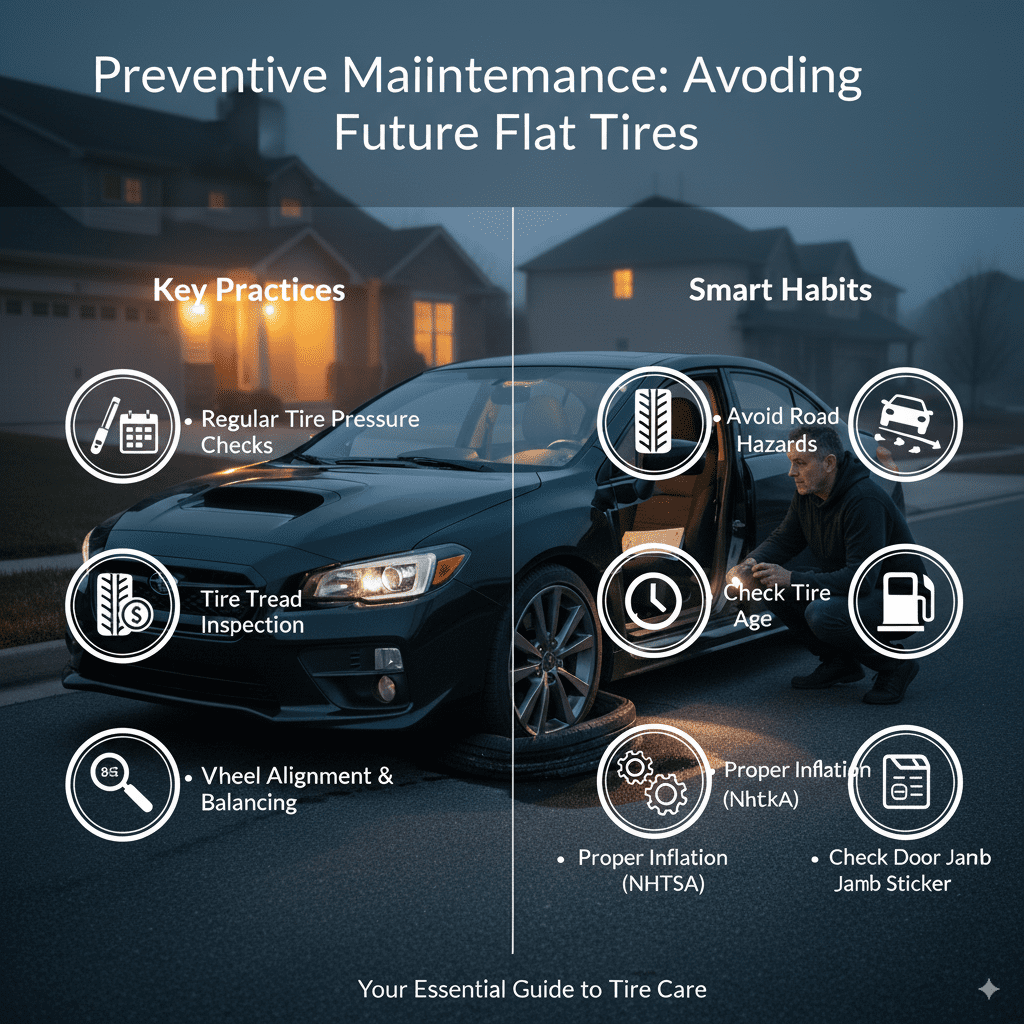
Preventive Maintenance: Avoiding Future Flat Tires
The best way to deal with flat tires is to avoid them in the first place! Regular maintenance can significantly reduce your risk.
- Regular Tire Pressure Checks: Check your tire pressure at least once a month and before long trips. Use a reliable tire pressure gauge. Proper inflation prevents excessive wear and reduces the risk of punctures. Your car’s recommended tire pressure can be found on a sticker inside the driver’s side door jamb or in the owner’s manual. For more on checking tire pressure, check out resources from the National Highway Traffic Safety Administration (NHTSA).
- Tire Tread Inspection: Ensure your tires have adequate tread depth. Worn tires are more susceptible to punctures and can affect braking and handling. The legal minimum tread depth in many places is 2/32 of an inch.
- Visually Inspect Tires: Regularly look for any embedded objects (nails, screws, glass), cuts, bulges, or cracks on the tire surface and sidewalls.
- Wheel Alignment and Balancing: Proper alignment and balancing reduce uneven tire wear, which can indirectly prevent issues that lead to flats.
- Avoid Road Hazards: Be mindful of potholes, debris on the road, and uneven surfaces.
- Check Tire Age: Tires degrade over time, even if they have plenty of tread left. Most manufacturers recommend replacing tires that are 6-10 years old, regardless of appearance.
Frequently Asked Questions (FAQ)
Q1: What is the maximum amount of time a car can sit on a flat tire?
While a car can sit on a flat tire overnight, it’s generally not recommended for more than 24 hours. Prolonged periods increase the risk of irreversible tire damage, rim damage, and potential issues with the tire’s seal and internal structure. For short emergencies, overnight is usually acceptable, but immediate attention is best.
Q2: Will my car’s rim get damaged if it sits on a flat tire overnight?
It’s possible, but less likely for just one night. The rim could make contact with the ground, especially if the tire is completely flat and the ground surface is rough or uneven. This might cause minor cosmetic scuffing or scratches. However, significant damage like bending or cracking is more common if the car is driven on the flat or left flat for an extended period (days/weeks).
Q3: What kind of damage can happen to the tire itself?
The main concern is damage to the tire’s sidewall. When flat, the sidewall is compressed under the car’s weight. This can cause deformation, cracking, or a permanent “flat spot.” Internal tire cords can also be crushed and weakened, making the tire unsafe even after inflation. This damage is more likely the longer the tire remains flat.