Can a Muffler Delete Damage Your Car? What You Need to Know
Thinking about a muffler delete? It’s a popular mod, but many people wonder, Can a Muffler Delete Damage Your Car? It’s a fair question, especially if you’re new to car modifications. Don’t worry, this article will help you sort it all out. We’ll break down everything you need to know in a clear, easy-to-follow way. Get ready to explore all the details to make sure this mod is right for your vehicle.
The Muffler Delete Explained
A muffler delete is exactly what it sounds like: removing the muffler from your car’s exhaust system. The muffler’s main job is to reduce the noise from the engine. When it’s gone, exhaust gases flow more freely. This often results in a louder exhaust sound and sometimes, minor performance gains. The concept is straightforward: less restriction in the exhaust means the engine doesn’t have to work as hard to push out exhaust gases. This can lead to a slight increase in horsepower and torque, though these gains are often very small, depending on the car model and other modifications.
Many car enthusiasts like the aggressive sound, but it’s important to know the potential downsides before doing a muffler delete. This mod is a common starting point for those looking to customize their vehicles and is frequently considered a beginner-friendly project.
Muffler’s Purpose in the Exhaust System
The muffler isn’t just a noise dampener; it also plays a key role in the overall performance of the engine. It’s designed to regulate the flow of exhaust gases and can even help with backpressure. Think of the muffler as a gatekeeper, controlling the rhythm of exhaust emissions. It works by using chambers and baffles to absorb sound waves, reducing the noise. This process lowers the overall volume of the exhaust without blocking it completely.
The specific design of a muffler affects not only the sound but also the efficiency of the exhaust system. Cars often include mufflers with varying configurations to optimize performance. Without a muffler, the entire system is altered.
- Noise Reduction: The primary function is to make your car quieter by absorbing sound waves generated by the engine’s exhaust.
- Backpressure Control: Provides some backpressure, which can be essential for optimal engine performance, especially in some engine types.
- Emissions Considerations: The muffler helps reduce the speed of exhaust gases, playing a small part in emissions control by giving the catalytic converter more time to do its job.
- Construction: Mufflers are typically constructed from steel or stainless steel, designed to withstand high temperatures and harsh environmental conditions.
Mufflers are typically made with multiple chambers or a straight-through design with sound-absorbing materials like fiberglass. The design affects the level of sound reduction and the potential impact on performance. The choice of materials and the construction methods used in a muffler determine its durability and its ability to withstand extreme temperatures and corrosive elements.
What Happens When You Remove the Muffler?
Removing the muffler does more than just make your car louder. The most noticeable change is the increased exhaust volume. The absence of the muffler also changes the exhaust flow dynamics. This can lead to both positive and negative consequences. In some cases, you might notice a very minor boost in power, but the impact is usually subtle. The altered sound is what most people notice. The louder exhaust note can be a thrill for some. However, it can also lead to legal issues. Also, you may experience increased noise pollution, and the exhaust system will be more exposed to the elements. This modification is frequently explored for sound improvement.
- Louder Exhaust Sound: The most immediate and obvious change is a significant increase in noise.
- Potential for Minor Performance Gains: A slightly freer exhaust flow could improve engine output, but gains are typically small.
- Changes to Backpressure: The modification can alter the backpressure in the exhaust system, which affects engine performance.
- Legal and Regulatory Issues: Muffler deletes may not be legal in all areas and could lead to fines.
Without a muffler, exhaust gases move more rapidly, changing the backpressure in the exhaust system. Backpressure helps the engine run efficiently, and removing the muffler can disturb this balance. The impact on engine performance depends on the car’s engine design and the rest of the exhaust system. Many older cars may experience a power loss when the muffler is removed. It’s crucial to understand the possible consequences before deciding on a muffler delete.

Can a Muffler Delete Damage Your Car’s Engine?
The core question is, Can a Muffler Delete Damage Your Car? The short answer is: possibly, but it’s usually not a direct threat to the engine itself. The real risks have more to do with emissions, legal issues, and overall vehicle health. The engine’s long-term health depends on how the vehicle’s exhaust system functions. Removing the muffler changes the system, but the impact is often overstated. The effects depend on several things, including the car’s make and model, the engine type, and the quality of the modification. There are different factors that come into play, which will be discussed in detail below.
Impact on Engine Backpressure
Backpressure is the resistance to exhaust flow in the exhaust system. It’s a critical factor that affects engine performance and how it runs. The muffler helps manage this backpressure. It does this by creating a slight restriction in the exhaust flow. This can be beneficial for some engines, especially older designs. When the muffler is removed, the backpressure decreases, altering the engine’s operation. This change can be helpful for some engines, offering a slight boost in horsepower and torque at high RPMs.
However, in other cases, it can cause problems like a loss of low-end torque. That’s why considering backpressure is essential. The type of engine and its original exhaust system affect how well it handles a muffler delete. The result can vary. Therefore, the impact of a muffler delete on backpressure is a critical consideration.
- Engine Efficiency: Backpressure can affect how well an engine works, influencing fuel efficiency and overall performance.
- Torque Considerations: Low-end torque can suffer in some engines when backpressure is reduced by a muffler delete.
- Engine Design: The engine design and its inherent characteristics play a crucial role in how the engine responds to changes in backpressure.
- Catalytic Converter Impact: A change in backpressure can also affect how efficiently the catalytic converter works.
Engineers often design exhaust systems to maintain specific backpressure levels, especially in older engines. These engines rely on that backpressure for optimal performance. Removing the muffler can upset this balance. However, modern engines with sophisticated computer systems may adapt to changes in backpressure more effectively. This allows them to maintain performance levels, or even improve them, after a muffler delete. The key is understanding how the engine’s design interacts with the exhaust system.
Effects on the Catalytic Converter and Emissions
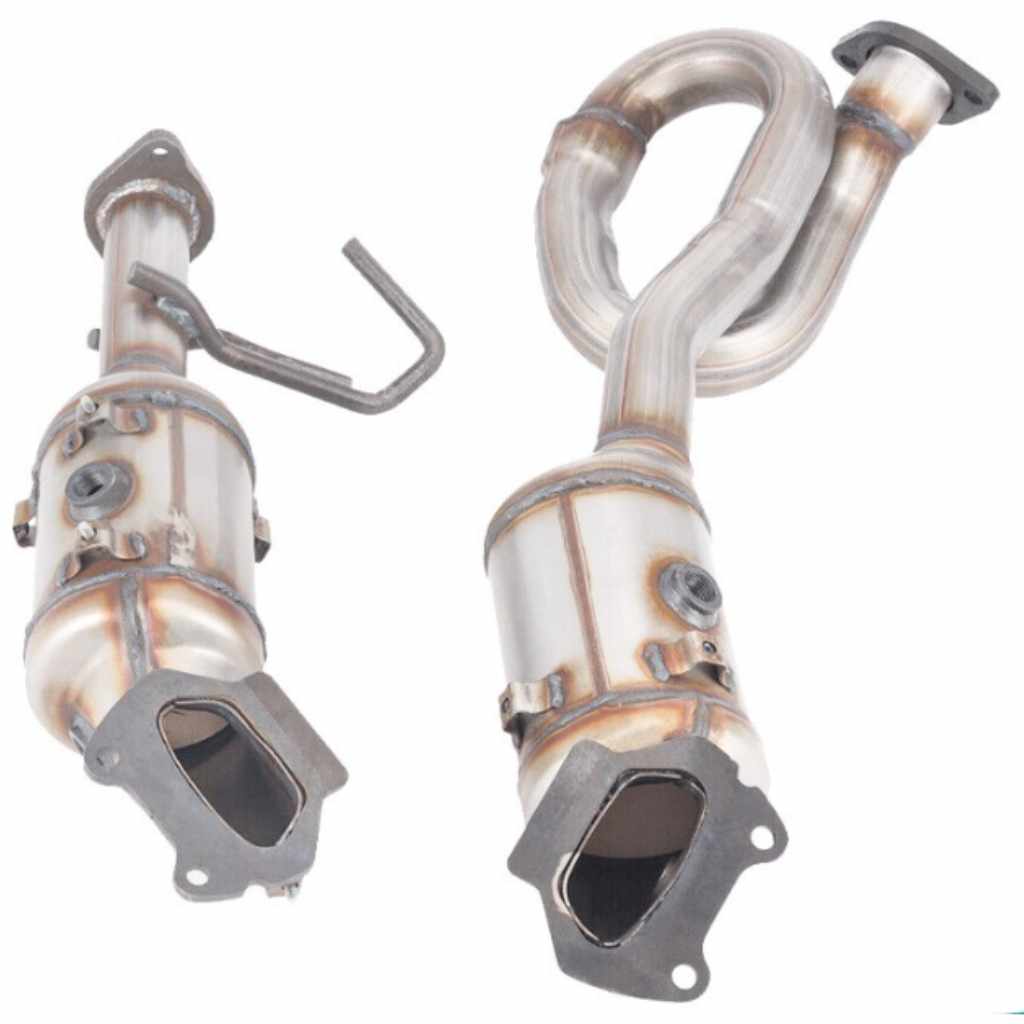
Removing the muffler directly affects the catalytic converter. The muffler is a part of the exhaust system, and the catalytic converter relies on its presence. The catalytic converter is designed to clean the exhaust gases before they leave the car. Its job is to reduce harmful emissions. Mufflers play a small role in this process by slowing down the exhaust flow.
This gives the catalytic converter more time to do its work. However, when the muffler is gone, the exhaust gases flow faster. This can potentially reduce the catalytic converter’s effectiveness. This can lead to higher emissions. Emissions testing is essential because removing the muffler could cause a car to fail inspection. This is an important consideration when evaluating if Can a Muffler Delete Damage Your Car?
- Catalytic Converter Function: The catalytic converter is critical for reducing emissions, converting harmful pollutants into less harmful substances.
- Emissions Levels: Faster exhaust flow due to a muffler delete can potentially reduce the catalytic converter’s efficiency.
- Legal Consequences: Removing or modifying the exhaust system can lead to legal issues related to emissions compliance.
- Environmental Impact: Increased emissions can contribute to air pollution.
Many jurisdictions have regulations to control vehicle emissions, requiring cars to pass emissions tests regularly. Removing the muffler can make it harder for a car to meet these standards. This is especially true if the vehicle already has problems with emissions. It’s essential to check local laws before performing a muffler delete. Be sure you understand the potential consequences. A muffler delete could affect more than just the engine’s output and sound. It can have a noticeable effect on the environment, as well as on how your car is assessed for compliance with regulations.
Legal and Practical Considerations
Beyond the mechanical aspects, there are crucial legal and practical factors to think about when considering a muffler delete. Laws regarding vehicle modifications vary widely. Some jurisdictions might permit muffler deletes, while others strictly prohibit them. Noise levels are another factor. A modified exhaust system often produces more noise.
This could violate local noise ordinances. Practical concerns, such as the potential impact on resale value and daily driving comfort, also play a key role. Thinking through all these factors is essential before making any changes. This ensures you’re both within the law and that the modification fits your driving needs and expectations.
Local Laws and Regulations
The legality of a muffler delete can differ significantly depending on where you live. Many areas have strict laws about vehicle modifications. These laws are often set at the state or local level. They govern things like exhaust noise levels and emissions standards. In some places, a muffler delete is completely legal, provided your car still passes emissions testing. Other areas may require the vehicle to meet a particular noise level standard.
In these areas, a modified exhaust system could lead to a fine or a requirement to return the car to its original setup. Checking local regulations is vital. You can usually find the rules online or by contacting your local Department of Motor Vehicles. Doing this will help you understand the specific legal implications. Always check before making any changes to your car’s exhaust system.
- Varying Regulations: Local laws regarding vehicle modifications can differ greatly.
- Noise Level Restrictions: Many areas enforce noise ordinances, setting limits on how loud a vehicle can be.
- Emissions Standards: Emission laws may impact whether a muffler delete is allowed.
- Enforcement: Police can issue citations for exhaust violations.
Regulations often vary. Some cities or states may have more stringent regulations than others. The rules might even depend on the age of your vehicle. Older cars might be subject to different regulations than newer models. Noise ordinances can also be a significant issue. Many areas have decibel limits that your car must not exceed.
The enforcement of these laws is usually carried out by local law enforcement. Police officers can issue tickets for exhaust violations. Knowing and adhering to the relevant laws is crucial to avoid fines and ensure your modification is legal.
Resale Value and Insurance Implications
A muffler delete could impact the resale value of your car, both positively and negatively. Some car enthusiasts seek out modified vehicles. They might value a car with an upgraded exhaust system. However, for the average buyer, a modified car could be less attractive. Many buyers want a vehicle that is standard. This is because standard cars are easier to maintain and can be considered more reliable. The changes made by a muffler delete can also affect your car insurance. Most insurance companies need to know about any modifications to your car.
Modifying your car could potentially raise your insurance premiums. In some cases, your insurance provider might even deny coverage. Be certain to discuss your planned modifications with your insurance company to understand any implications. These may include coverage limits. This is also important to determine if your modification complies with their policies. The impact on resale value and insurance should be part of your decision-making.
- Resale Market: Modified cars can appeal to some buyers but deter others.
- Insurance Disclosure: You must disclose modifications to your insurance provider.
- Premium Adjustments: Modifications may affect your insurance premiums.
- Coverage Considerations: Modifying your vehicle could affect the coverage options available.
The impact on resale value depends on several factors. These factors include the type of car, the quality of the modification, and the preferences of potential buyers. Modifications that improve performance or aesthetics might increase value. However, modifications that make the car less practical or reliable may have the opposite effect. Insurance companies assess risk. They may consider modifications that increase the likelihood of accidents or that might raise the cost of repairs. The increase in noise that comes with a muffler delete might make your vehicle less desirable to some buyers.
Daily Driving and Comfort Considerations
A muffler delete can significantly affect your daily driving experience. The biggest change is the increase in noise. This can be fun for some people. However, the increased noise can also get tiring during long drives. It might be overwhelming. This is a crucial consideration if you regularly drive in busy areas. The changes to noise levels can affect your interactions with neighbors, too. Some people don’t want loud cars.
Apart from noise, a muffler delete might also change the car’s performance. You might notice slight changes in how the engine responds. The overall driving dynamics may shift. Therefore, assess these practical impacts before removing your muffler. Ensure the changes match your preferences and driving patterns.
- Increased Noise Levels: A louder exhaust can be tiring on long drives.
- Potential Annoyance: The louder noise can be disruptive to neighbors or other drivers.
- Performance Changes: Slight performance differences might be noticeable.
- Personal Preferences: Your tolerance for noise and your driving style will influence your satisfaction with the modification.
Consider the environment you drive in and your personal tolerance for noise. If you mostly drive on highways or in residential areas, a loud exhaust might become annoying quickly. In contrast, those who drive in less crowded areas might enjoy the increased sound. Driving style is another factor. If you frequently accelerate or drive at high speeds, you’ll hear the exhaust more often. You should also think about the quality of the exhaust work. Poorly installed or low-quality exhaust components can lead to issues. These can include vibrations, leaks, and an unpleasant sound. Consider the daily impact carefully before deciding to modify your car’s exhaust system.
Alternatives to a Muffler Delete
If you’re not fully set on a muffler delete, there are other ways to change your car’s exhaust sound and performance. Exhaust systems include many parts. These parts can have a huge impact on your car’s sound and performance. You can explore a variety of other changes. Options include aftermarket mufflers, cat-back exhaust systems, and axle-back exhaust systems. Each choice gives different results. There’s a perfect solution for every type of car and driving style. Explore all the possible ways you can upgrade your car’s exhaust system. This offers more customization options. This will help you balance performance with sound levels and emissions compliance.
Aftermarket Mufflers and Cat-Back Systems
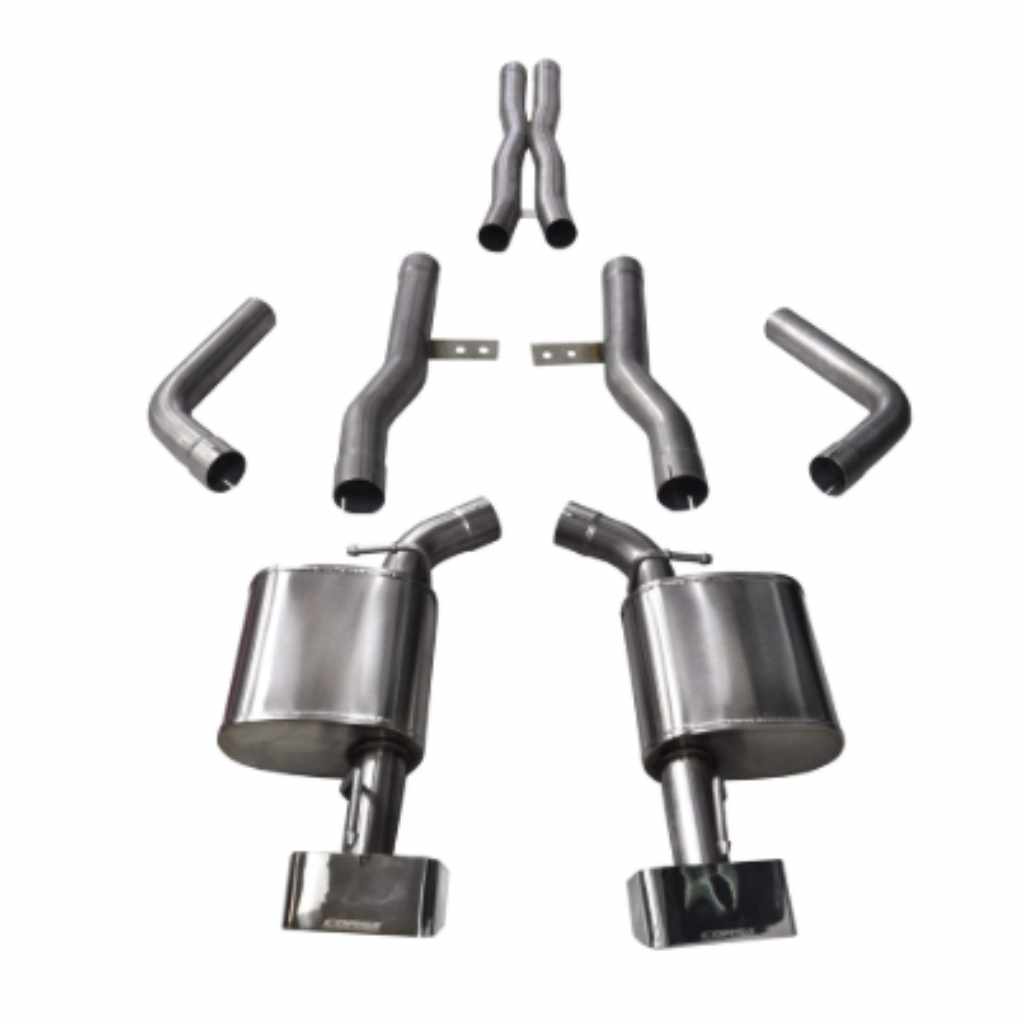
Aftermarket mufflers offer an excellent compromise. They provide a different sound. However, the performance is also maintained. You can choose from many muffler types, each offering a unique tone. Some give a deep rumble, while others create a more aggressive sound. Many aftermarket mufflers are built to improve performance. This is achieved by reducing backpressure. This means there may be some power gains as a result. A cat-back exhaust system replaces the exhaust system from the catalytic converter back.
This includes the muffler, pipes, and resonators. Cat-back systems can give significant improvements in both sound and performance. They are usually designed to optimize exhaust flow. This can increase horsepower and torque, though gains vary. These systems are typically designed to be bolt-on upgrades. This makes installation straightforward. This is a common upgrade for car enthusiasts who want better exhaust performance.
- Wide Variety: There’s a wide variety of muffler designs to choose from, offering unique sounds.
- Performance Gains: Aftermarket mufflers are often designed to improve performance by reducing backpressure.
- Complete Systems: Cat-back systems replace the entire exhaust system from the catalytic converter back.
- Easy Installation: Most aftermarket systems are designed for easy bolt-on installation.
Choosing an aftermarket muffler or a cat-back system allows you to fine-tune your car’s sound and performance. Consider what you want to achieve with the modification. Do you want a louder exhaust? Or do you prioritize fuel efficiency?
Your goals should guide your selection. Research different brands and models to see which best suit your vehicle. Many manufacturers offer options. These options offer increased performance. This usually comes with a pleasant exhaust note. Cat-back systems often come with pre-bent pipes. This helps ensure a perfect fit. They also include all the necessary hardware for installation. This makes it easier than constructing your own exhaust system.
Axle-Back Exhaust Systems
Axle-back exhaust systems are another popular option for car owners. An axle-back system replaces the exhaust components located behind the rear axle. These systems are simpler than cat-back systems. They typically include the muffler and the tailpipe. Axle-back systems often provide a more aggressive exhaust sound. They also offer a moderate increase in performance. Unlike cat-back systems, axle-back systems don’t change the piping.
The installation of these systems is usually straightforward. The axle-back system is a simple upgrade that can significantly impact the exhaust sound. These systems are an easy entry point. They are the ideal option for people wanting to customize their car’s sound. However, they don’t provide the same levels of performance gains as a cat-back system.
- Simplified Upgrade: Easy to install, as they only replace components behind the rear axle.
- Enhanced Sound: Offer a noticeable change in exhaust sound, often giving a more aggressive tone.
- Moderate Performance: Offer modest performance increases compared to cat-back systems.
- Cost-Effective: Generally more affordable than cat-back exhaust systems.
Axle-back systems are a great way to improve your car’s sound. They do this without the need to modify the entire exhaust system. This makes them a great option for those who want a simple, budget-friendly upgrade. Installation is usually something you can do yourself. The process does not take very long. Many brands offer a variety of styles. Each style of exhaust can create unique sounds and styles. This lets you personalize your car’s exhaust tone.
While the performance gains are usually limited, the enhanced sound and improved aesthetics are often enough for many car enthusiasts. Choose an axle-back system that suits your preferences. Also, choose one that fits your car’s make and model. This ensures a proper fit and optimal performance.
Can a Muffler Delete Damage Your Car? Common Questions
Let’s clear up some common concerns. Many wonder if a muffler delete is a direct threat to their car’s engine. People are often concerned about performance loss. You may ask yourself, Can a Muffler Delete Damage Your Car? Most importantly, what are the legal and practical things to think about? Here are some of the most frequently asked questions about the muffler delete. Answers will help you know the implications of making modifications to your car. They can also provide a solid foundation for making sound decisions.
Question: Is a muffler delete bad for your engine?
Answer: It’s rarely directly harmful to the engine itself. The main concerns are changes in backpressure, which can sometimes impact performance, and legal issues like emissions violations. However, the direct impact on the engine’s long-term health is typically minimal, assuming the rest of the exhaust system is in good condition.
Question: Will a muffler delete cause my car to fail an emissions test?
Answer: It might. The muffler is part of the exhaust system, and its removal can affect the efficiency of your catalytic converter. This could lead to higher emissions. Whether your car fails or passes depends on your local regulations and the car’s existing emissions levels.
Question: Does a muffler delete void my car’s warranty?
Answer: Potentially, yes. Modifications to your car’s exhaust system, especially if they are not compliant with manufacturer standards, could void your warranty. Always review your warranty terms before making any significant changes.
Question: Is a muffler delete legal everywhere?
Answer: No, it is not. Laws vary by location. Some areas might have strict noise and emissions regulations that make muffler deletes illegal. Always check local laws before modifying your exhaust system.
Question: Will a muffler delete make my car faster?
Answer: You might see a very small power increase, but the gains are often minimal. The louder sound is usually the most noticeable change. The amount of performance increase will depend on the engine and other modifications made.
Final Thoughts
Deciding whether to do a muffler delete involves exploring many factors. You’ve learned the different perspectives that come into play. Now, you have a better idea of whether a muffler delete is the right choice for your car. Remember, while a muffler delete might not directly wreck your engine, there are other important things to consider. These are the impact on emissions, your local laws, and the everyday driving experience.
If you’re hoping for a massive power boost, you might be disappointed. Focus on balancing the sound, potential performance tweaks, and the need to follow the rules. Do your research, understand your local laws, and decide based on your own wants. Be sure to consider alternatives such as aftermarket mufflers and cat-back systems. These options offer a blend of sound and performance. Make an informed choice, and enjoy the process of customizing your car.